
If a single answer existed to “when should I go to Japan”, every guide on the web would have settled on the same month and stopped writing. They haven’t, because the question is the wrong one. The right question is what you want the trip to feel like: a corridor of pink against grey rooftops in a Kyoto courtyard, or fresh tracks above a sleeping village in Niseko, or a paper lantern strung over a back-alley fire pit at 22:00 on a sticky August night. Each one of those scenes belongs to a different month. Pick the scene first, then the month falls out.
I write this from a long working knowledge of all ten regions, not as a single guide-book voice with a favourite season. I’d argue the most underrated window is late May, the most overrated is the cherry blossom peak (for first-timers travelling on fixed dates), and the cheapest by a wide margin is mid-January through early March. None of those answers helps unless you know what you’re optimising for. So this article is structured the way I think about the question when a friend asks me, which is by trip-shape rather than by month. There’s a per-month calendar at the end for people who already have a non-negotiable date.
In This Article
- The fast answer, in a table
- If you want cherry blossom: late March, but mind the geography
- Why “the last week of March” is the safer plan than “early April”
- The cost most first-timers underestimate
- If you want autumn colour: mid-November to early December
- The verdict on the headline spots
- If you want snow and powder: mid-January to mid-February
- If you don’t ski
- Drift ice on the Sea of Okhotsk
- If you want festivals: July and August
- The heat is real, and it has changed
- If you want the high mountains: mid-July to late August
- The lower-altitude alternatives if you don’t want a 3,000-metre peak
- If you want quiet and value: mid-January to early March
- Plum blossom is the secret February highlight
- If you want beaches and tropical Japan: late April to mid-June, then late September
- What “rainy season” actually means in Okinawa
- If you want a clear view of Mt Fuji: December through February
- If you want food at peak: it depends on the dish
- The months I’d avoid (and what to do if you can’t)
- Golden Week (29 April to 6 May 2026)
- Obon (around 13 to 16 August 2026)
- New Year (29 December to 3 January)
- The brief travel calendar, one line per month
- How geography breaks the calendar
- Hokkaido (north)
- Honshu and Shikoku (centre)
- Kyushu and Okinawa (south)
- The holiday weeks to plan around (or into)
- Silver Week 2026 is unusually generous
- The rainy season is not what you think it is
- What I pack, in a sentence per season
- The summer-rainy day-saver: Hokkaido lavender
- Costs change with the calendar more than people expect
- One more thing: onsen are actually best in winter
- So, when
The fast answer, in a table
If you skim, this is the gist. Detail follows below.
| If you want… | Best window | Where to go | One catch |
|---|---|---|---|
| Cherry blossom in central Japan | Last week of March, first week of April | Tokyo, Kyoto, Hiroshima, Nagoya | Hotels triple. Book by November. |
| Cherry blossom without the chaos | Late April, third week | Hakodate, Sapporo, Aomori | You’ll be on a plane north. |
| Autumn colour | Mid-November to early December | Kyoto, Tokyo, Nikko | Almost as crowded as sakura. |
| Powder snow | Mid-January to mid-February | Niseko, Hakuba, Nozawa | Niseko is loud and pricey. |
| Cheapest hotels and flights | Mid-January to early March (skip Lunar New Year) | Anywhere except ski resorts | Short days. Sunset 17:00 in Tokyo. |
| Big festivals | July and August | Kyoto, Tokushima, Aomori | Heat and humidity are punishing. |
| High mountains, ridge hiking | Mid-July to late August | Northern Alps, Daisetsuzan | The huts fill on summer weekends. |
| A clear view of Mt Fuji | December through February | Hakone, Fuji Five Lakes | Cold, especially before sunrise. |
| Beaches and coral | Late April to mid-June, then late September | Okinawa, Yaeyama Islands | Tsuyu rains hit early May. |
| Quiet Kyoto | Mid-January to mid-February | Ryoan-ji, Daitoku-ji, eastern hills | Some sub-temples shut at 16:00. |
Then the rest of the article unpacks each row, with named places, prices, dates verified for 2026, and the kinds of catches you only notice after the trip.
If you want cherry blossom: late March, but mind the geography
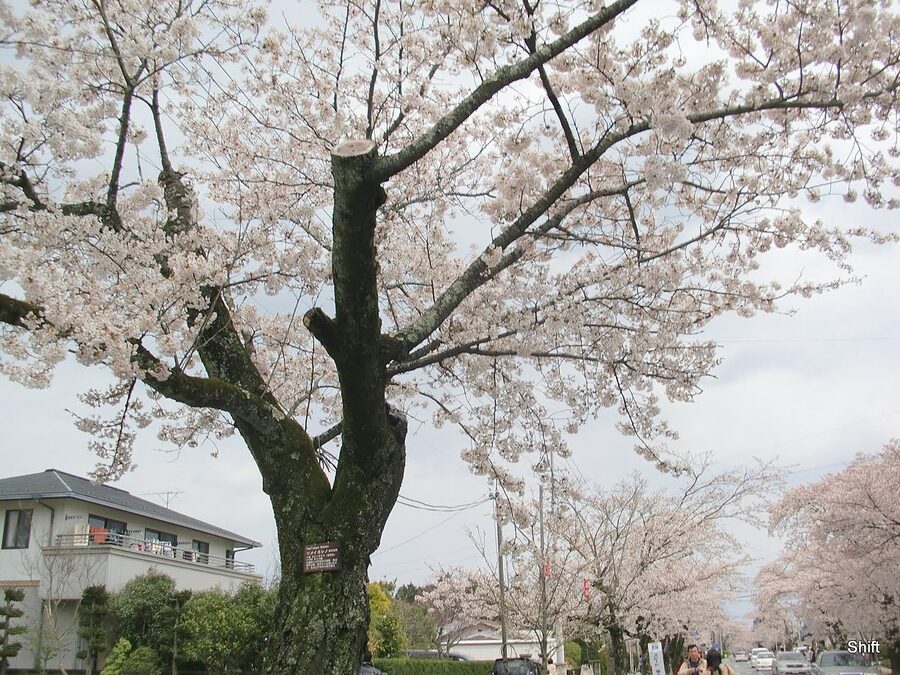
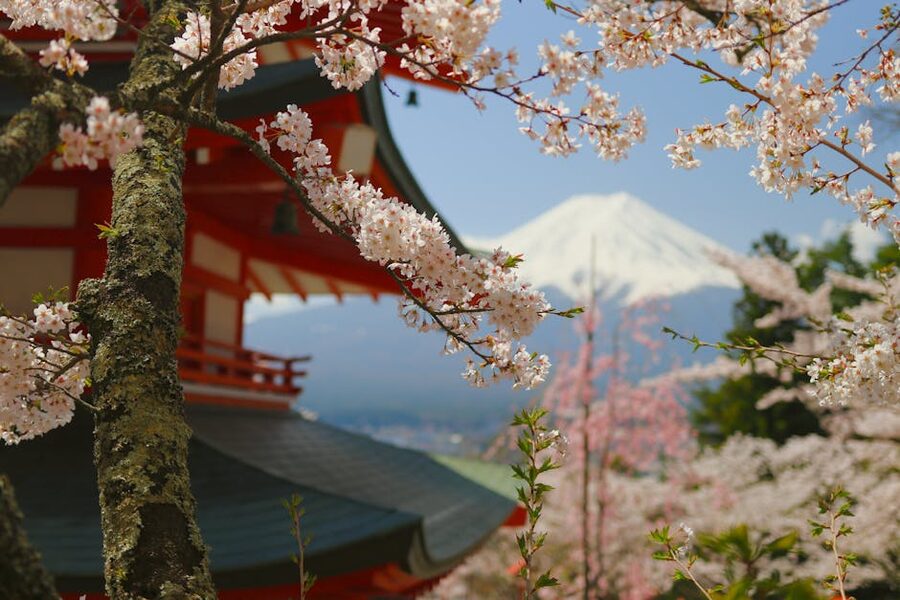
The cherry blossom forecast is not run by the Japan Meteorological Agency anymore. The JMA stopped issuing it in 2009 and the Japan Meteorological Corporation (a private company) inherited the franchise. Their first 2026 forecast came out in December 2025 and was updated through March. The actual 2026 dates landed roughly four to five days earlier than the long-term average across central Japan, with Tokyo first bloom on 19 March and full bloom on 28 March. Kyoto opened on 23 March and peaked on 30 March. Sapporo, by contrast, didn’t open until 18 April and peaked on 24 April. Verified against Nippon.com’s 2026 cherry blossom data on 6 May 2026.
Why “the last week of March” is the safer plan than “early April”
Years that bloom early are now more common than years that don’t. The 30-year warming trend has shifted the central-Japan peak about four to five days earlier than the 1981 to 2010 average. If you book around 1 to 7 April you’re trusting an average that no longer holds. Aim for 25 March to 4 April for Tokyo, Kyoto, and the Tokaido shinkansen corridor. If you arrive and Tokyo has already gone past peak, the shinkansen north to Sendai or onward to Hirosaki will hand you another week of bloom. There’s a deeper treatment in the cherry blossom guide, with a regional Tokyo viewing list and the Kyoto one if those are your anchor cities.
The cost most first-timers underestimate
Tokyo hotel rates around the bloom run roughly 2.5 to 3 times their February floor. Mid-range rooms that book at ¥14,000 in February list around ¥38,000 to ¥45,000 the last weekend of March. Kyoto is worse: at peak weekend, expect ryokan room-only rates of ¥55,000 and up where they were ¥22,000 a few weeks earlier. Lock everything you can in November, accept that the last seats and rooms vanish by mid-January, and budget for trains running at 100 percent reservation capacity. The shinkansen non-reserved cars become standing-room on the Friday before peak weekend.
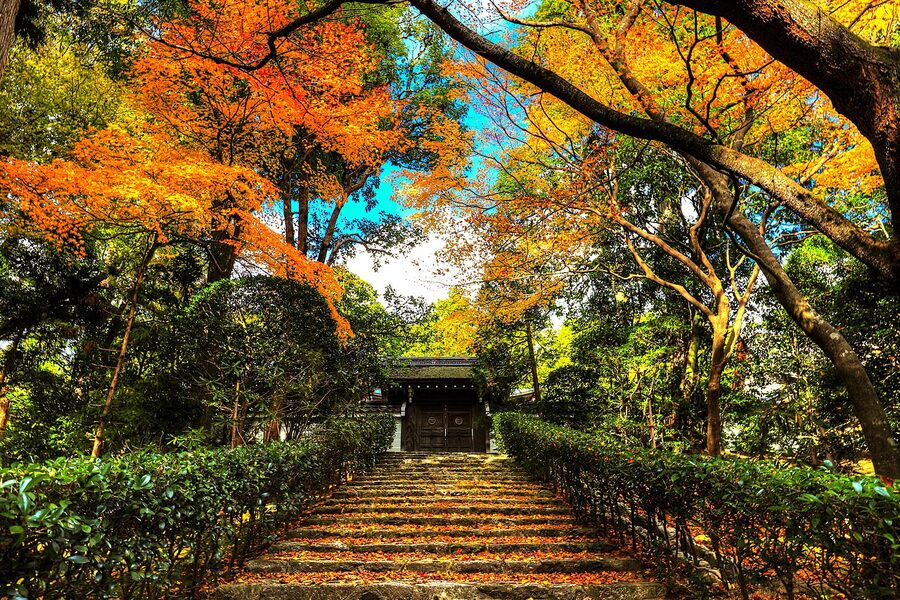
If you want autumn colour: mid-November to early December
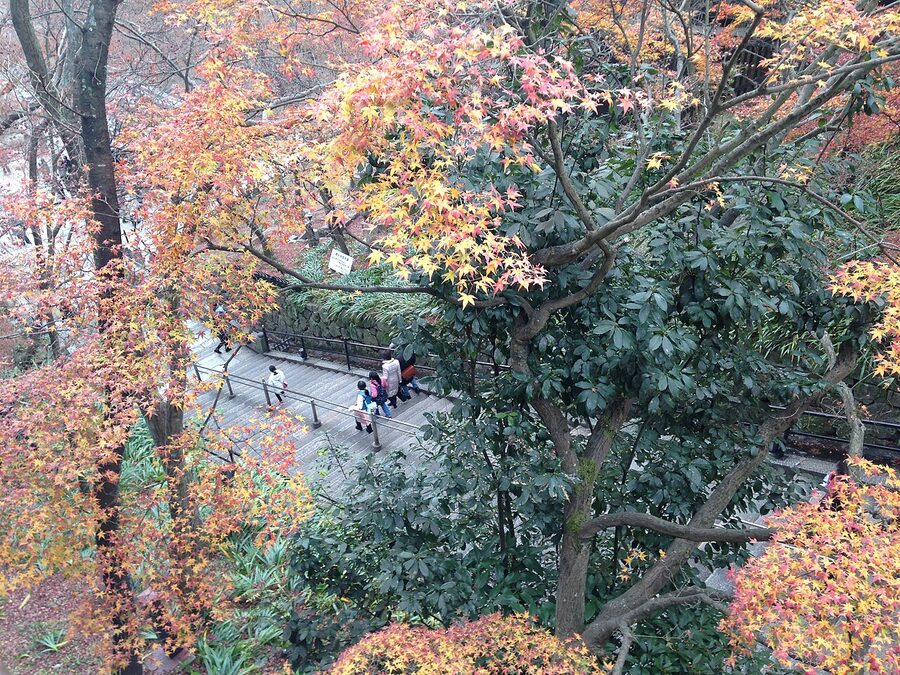
Autumn (koyo) starts in Daisetsuzan in mid-September and finishes in southern Kyushu in mid-December. For Tokyo and Kyoto, the practical window is 15 November through about 5 December. The 2026 forecasts pin Sapporo around 28 October, Tokyo about 20 November, and Kyoto around 5 December, which is a few days later than usual but in line with the recent trend. The full autumn leaves guide has the regional progression with named viewing spots.
The verdict on the headline spots
Tofuku-ji and Eikan-do are spectacular and so is the queue. If you’ve only one koyo morning in Kyoto, I’d skip both and walk the Philosopher’s Path from Ginkaku-ji south by 07:30. The maples are excellent, the foot traffic is light, and you save the ¥1,000 admission Ginkaku-ji has charged since 1 April 2026 (verified at the Shokoku-ji official notice on 6 May 2026). For Tokyo, Rikugien is the photogenic answer; the Mt. Takao cable car or the Okutama valley are the practical answers if you want a half-day breath outside the city.
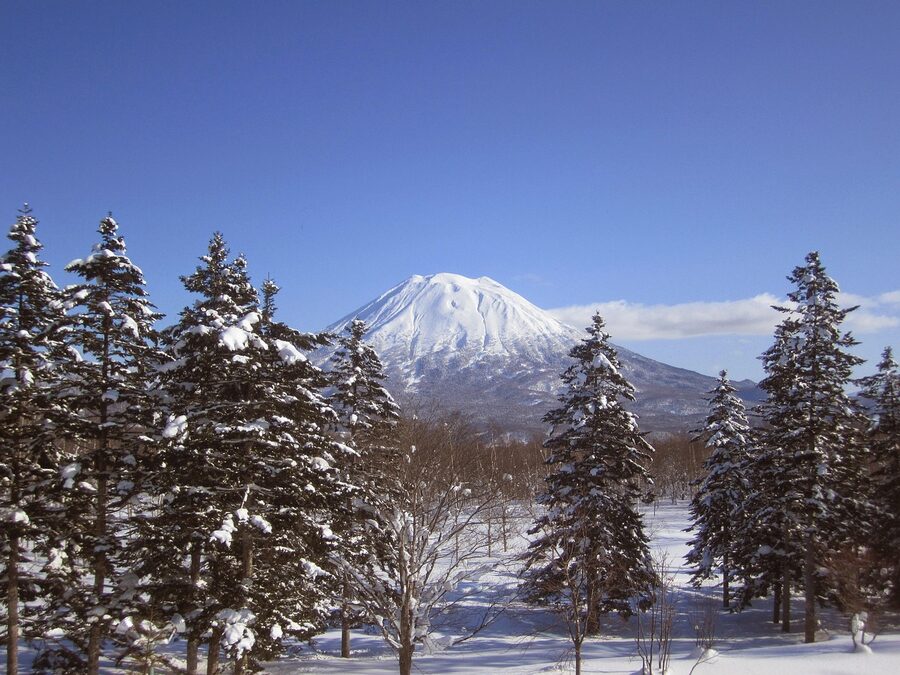
If you want snow and powder: mid-January to mid-February
The Japanese powder season is statistically narrow. Hokkaido and the Hokuriku/Nagano powder belt collect their best dry snow between 10 January and 20 February. December openings happen but rely on early storm tracks; March is the slush month even when the resorts post 200 cm bases. Niseko United’s All Mountain Pass for the 2025 to 2026 season was ¥175,600 for a season pass and ¥12,000 for a one-day window. The Niseko guide has the lift-pass split, the Sapporo guide covers the airport-to-resort logistics, and the broader snow scenery piece runs through the lit-up villages and drift-ice scenes that aren’t ski-related.
If you don’t ski
The snow scenery without skis is the better trip for a lot of people. Shirakawa-go’s gassho farmhouses are lit on four nights only in 2026: 12, 18, 25 January, and 1 February (verified against the official Shirakawa-mura tourism notice on 6 May 2026). Sapporo’s Snow Festival runs 4 to 11 February 2026 across Odori Park and the Susukino ice site. Otaru’s snow-light path runs the second week of February. None of those needs a lift ticket. The light-up piece covers the bus reservation system and parking permits.
Drift ice on the Sea of Okhotsk
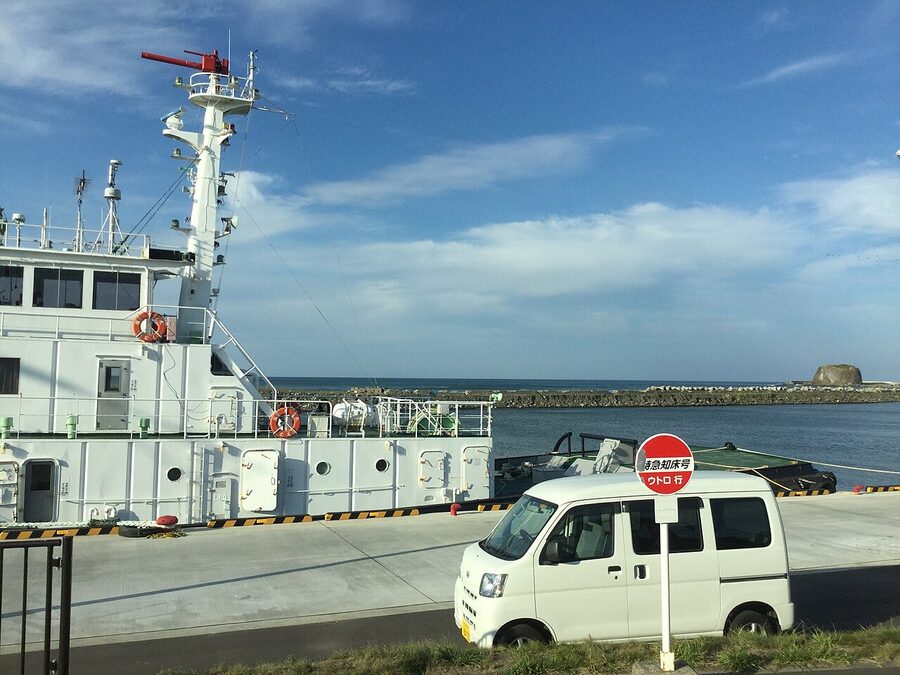
You can fly Sapporo to Memanbetsu in about 50 minutes, then the ice-walk shuttle bus from the airport reaches the dock in 25 minutes. The whole thing fits a long weekend out of Tokyo without the resort lift queue. Verified against the Aurora operator’s 2026 schedule on 6 May 2026.
If you want festivals: July and August
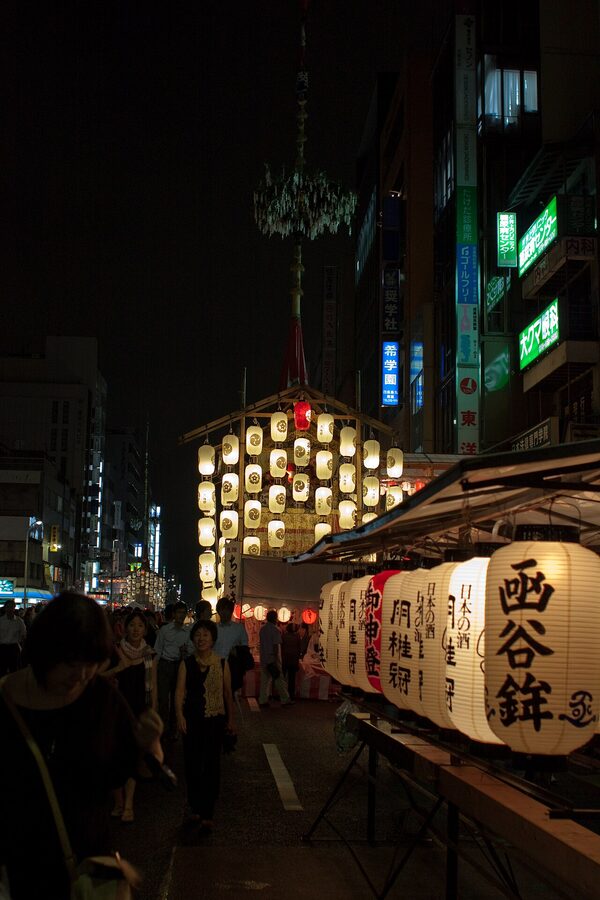
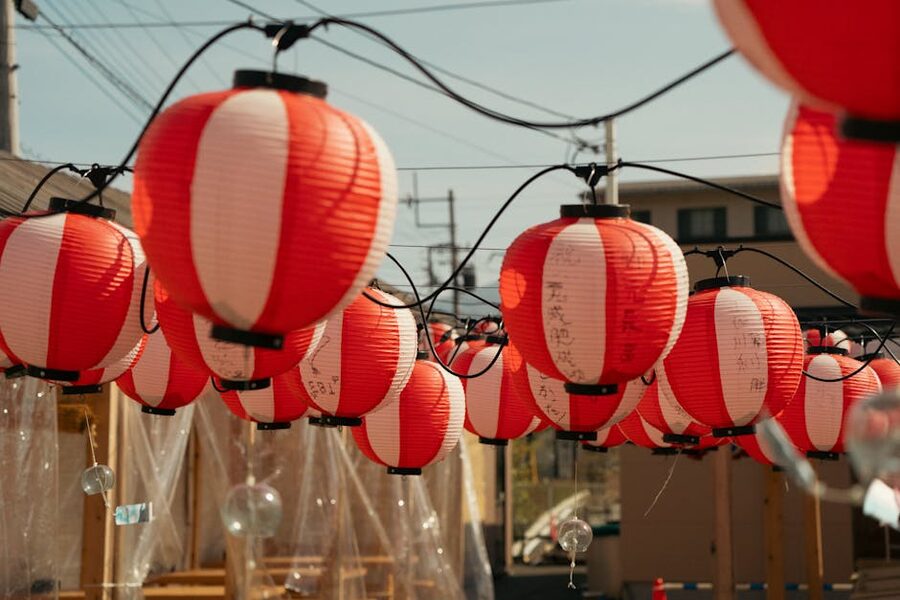
The summer matsuri calendar is what makes July and August worth the punishing heat. Kyoto’s Gion Matsuri runs the full month of July with the two parade days flagged above. Tokushima’s Awa Odori is 11 to 15 August 2026 and pulls roughly 1.3 million visitors over five nights. Aomori’s Nebuta float festival runs 2 to 7 August. The Kyoto regional hub covers Gion Matsuri logistics and the Tohoku hub picks up Nebuta and Sendai’s Tanabata. Verified against the official Gion Matsuri (Yasaka Shrine), Awa Odori Tokushima City, and Aomori City tourism announcements on 6 May 2026.
The heat is real, and it has changed
July and August averages no longer match the climate normals you remember from older guidebooks. Tokyo’s August daytime high routinely sits around 33 to 36°C with overnight lows of 26 to 27°C, and the official heatstroke alert is issued on something like one in three afternoons. The smart adjustments are obvious: ryokan with cold-water onsen, late starts, big lunches, and northern routings that put you in Hokkaido or the Northern Alps for the worst of it. The Hokkaido regional hub is the temperature-relief plan in disguise.
If you want the high mountains: mid-July to late August
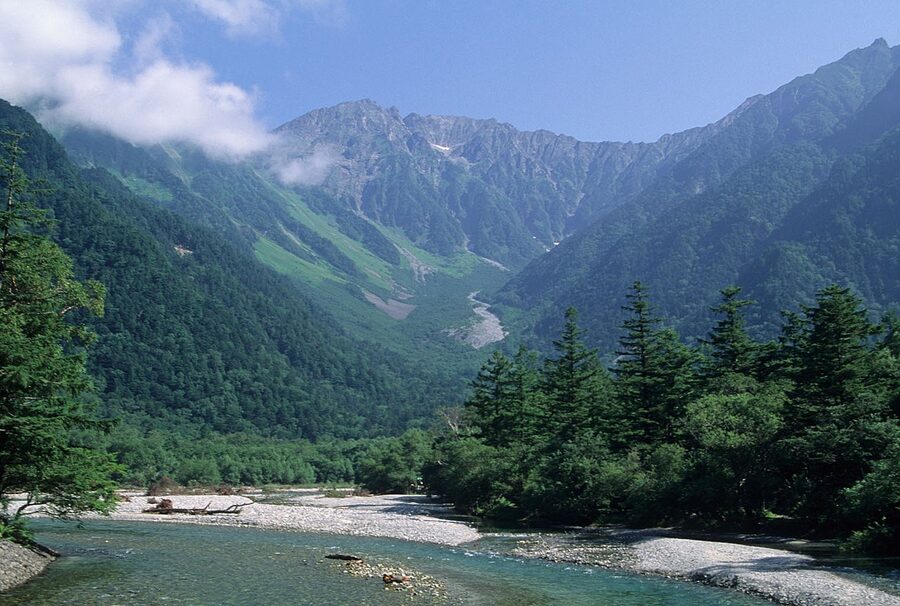
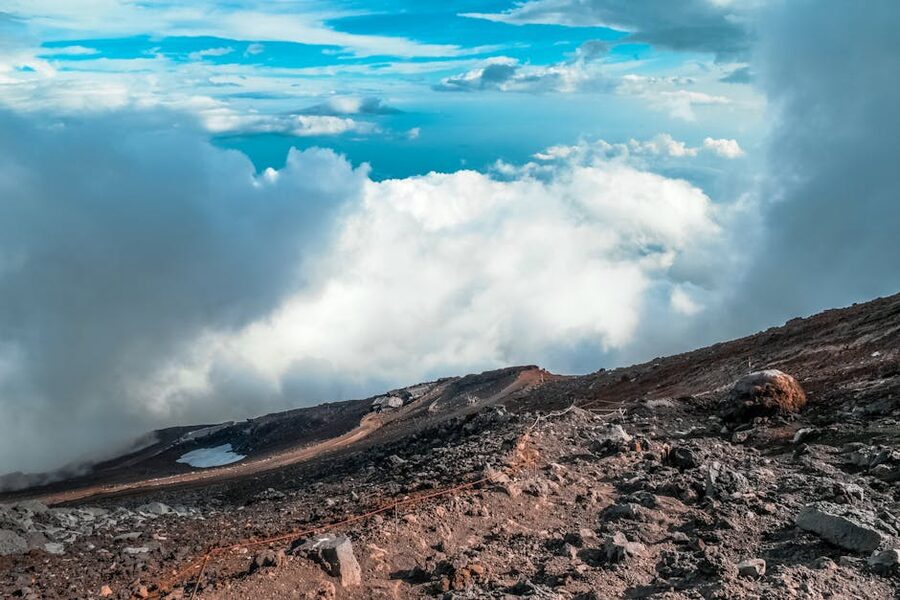
Northern Alps ridge season is short. The huts open in stages from late June, the snowfields melt out properly between 5 and 20 July depending on year, and by 25 August the cold front warnings start to come in. Mt Fuji’s official 2026 climbing season runs 1 July to 10 September on the Yoshida Trail (Yamanashi side), and 10 July to 10 September on Subashiri, Gotemba, and Fujinomiya (Shizuoka side). All four routes now charge ¥4,000 per climber, the Yoshida Trail caps at 4,000 climbers a day, and the gate closes 14:00 to 03:00 unless you have a hut reservation. Verified against fujisan-climb.jp on 6 May 2026. The Mt Fuji climbing guide has the route comparison.
The lower-altitude alternatives if you don’t want a 3,000-metre peak
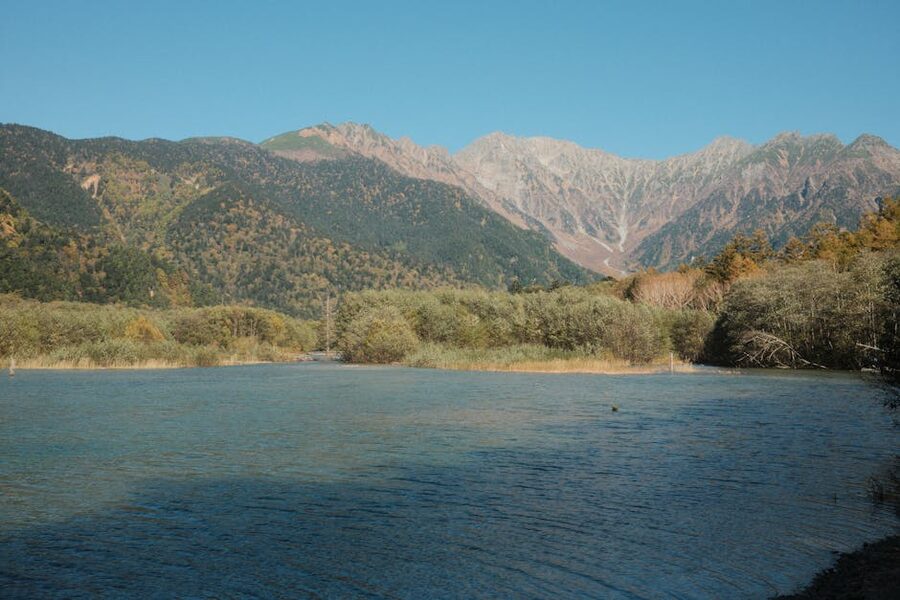
Kamikochi at 1,500 metres, Norikura at 2,700 metres, and the Tateyama Kurobe Alpine Route between Toyama and Nagano are the practical alternatives for travellers who want the high air without committing to a hut traverse. The Tateyama Kurobe piece covers the 2026 season (15 April to 30 November), the Hotel Tateyama lodging closure on 31 August 2026, and the Kurobe Dam discharge schedule (26 June to 15 October).
If you want quiet and value: mid-January to early March
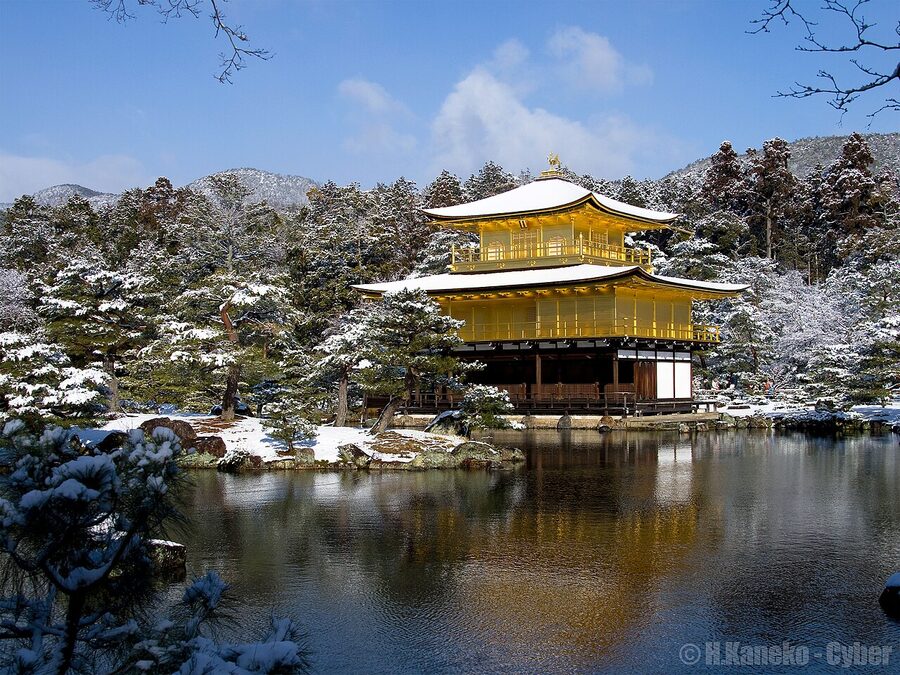
This is my pick for a first-timer who can’t be there during peak. From about 15 January (after New Year clears) to about 10 March (before sakura demand spikes), the country is quieter than at any other time. Hotel rates are at their floor, the air over Tokyo and Hakone is clear so Mt Fuji shows up regularly, and the Kyoto temples that lose patience with summer hordes (Daitoku-ji’s sub-temples, Manshu-in, Honen-in) are functionally empty.
Watch for the one Lunar New Year week, when Chinese tourist arrivals spike. In 2026 the holiday window runs 16 to 22 February, plus the days either side. Tokyo and Osaka get noticeably busier; Kyoto temples that were quiet on 10 February will queue on 18 February. If your trip overlaps that week, swap inland for the Sea of Japan coast (Kanazawa, Kinosaki Onsen, the San’in line) where the impact is much smaller.
Plum blossom is the secret February highlight
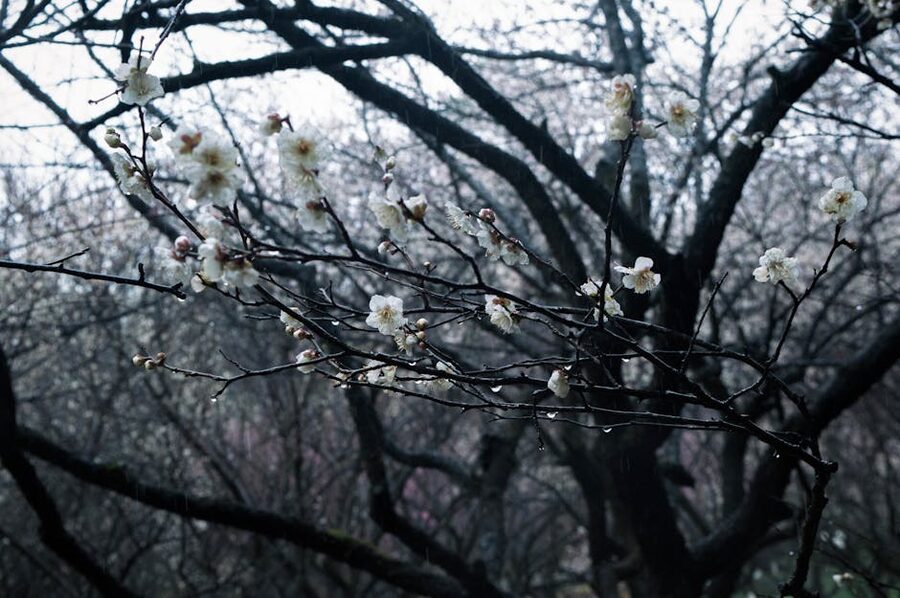
Plum (ume) opens in mid-February and runs through early March. Kitano Tenmangu in Kyoto holds Baikasai (the plum festival tea ceremony) on 25 February. Mito’s Kairakuen, one of the three great gardens of Japan, peaks the same week. None of these places needs a reservation and none charges sakura-week rates.
If you want beaches and tropical Japan: late April to mid-June, then late September
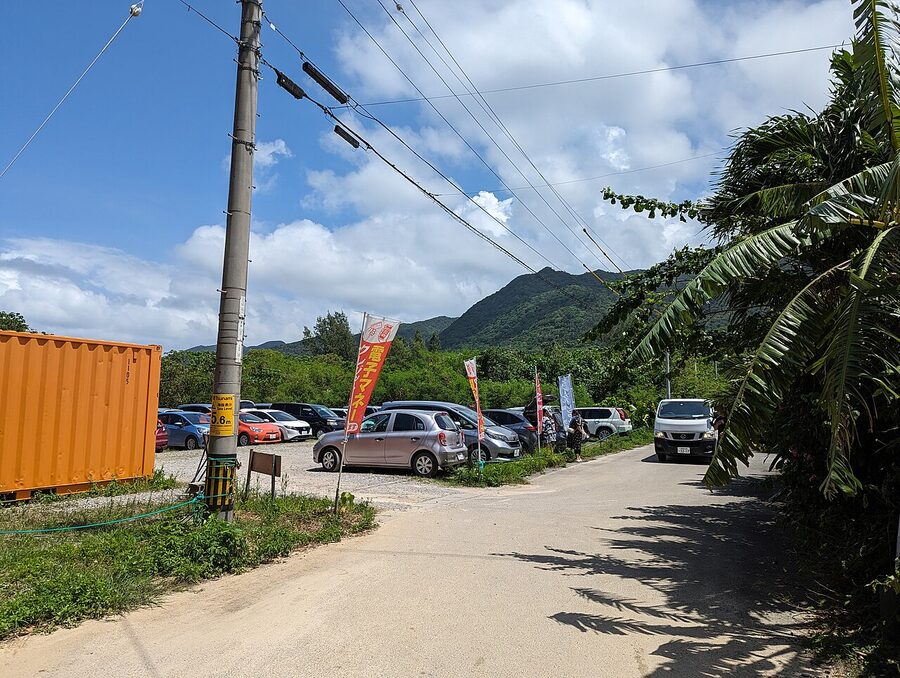
Okinawa’s seasons don’t match the rest of Japan. The rainy season starts there in early May (climatological average: 8 May to 23 June) and the typhoon track runs August through October. The two windows that work are late April through about 5 May (before tsuyu locks in), and late September through October (after the worst of the typhoon track but before the air cools). The Okinawa hub has the island-by-island breakdown, with the Yaeyama piece for Ishigaki and Iriomote and the beaches piece for the swimming-water specifics.
What “rainy season” actually means in Okinawa
It does not mean monsoon-style downpour. It means three-day grey stretches separated by bright afternoons, with humidity that flatlines around 85 percent. If you can pack lighter clothes and bring a packable jacket, May in Okinawa is fine for sightseeing; the issue is just that the snorkelling visibility is unreliable and the boat tours to Iriomote can cancel.
If you want a clear view of Mt Fuji: December through February
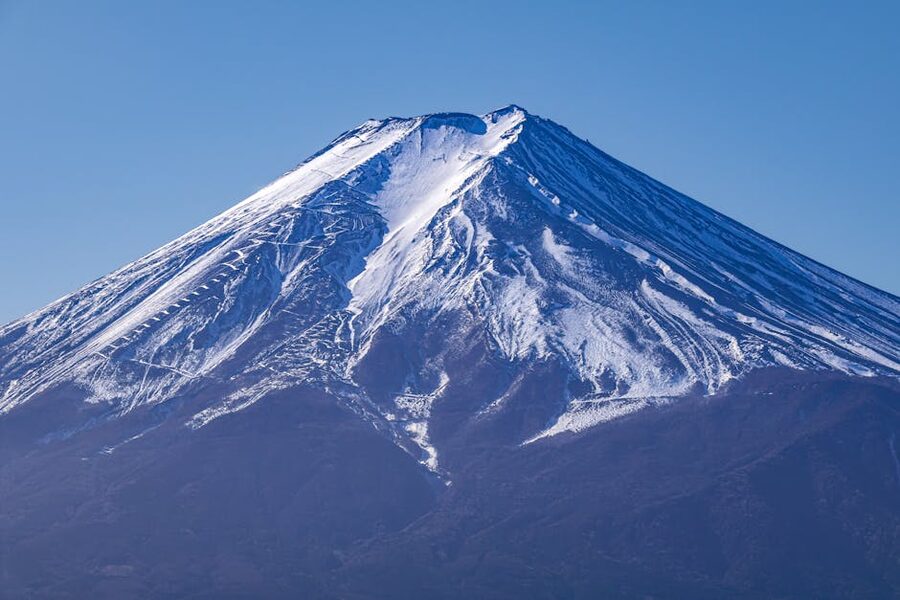
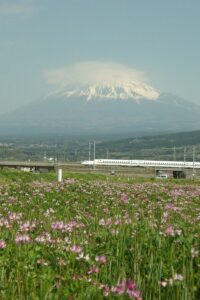
This is the answer that usually surprises first-timers: the iconic snow-capped Fuji shot is a winter photograph, not a spring one. The dry continental air mass that settles over the Kanto Plain from mid-November to late February produces the cleanest sight lines. Specifically: Hakone’s Owakudani, Lake Kawaguchi’s Chureito Pagoda, and the Mishima skyline all clear regularly between sunrise and 10:00 in December and January. The Mt Fuji regional hub, the how-to-get-there piece, and the Hakone day trip piece cover the access patterns.
The catch is the cold. Lake Kawaguchi mornings are minus 4°C and the wind picks up by 09:00. Bring proper gloves; phone gloves with capacitive tips are nearly useless at temperature.
If you want food at peak: it depends on the dish
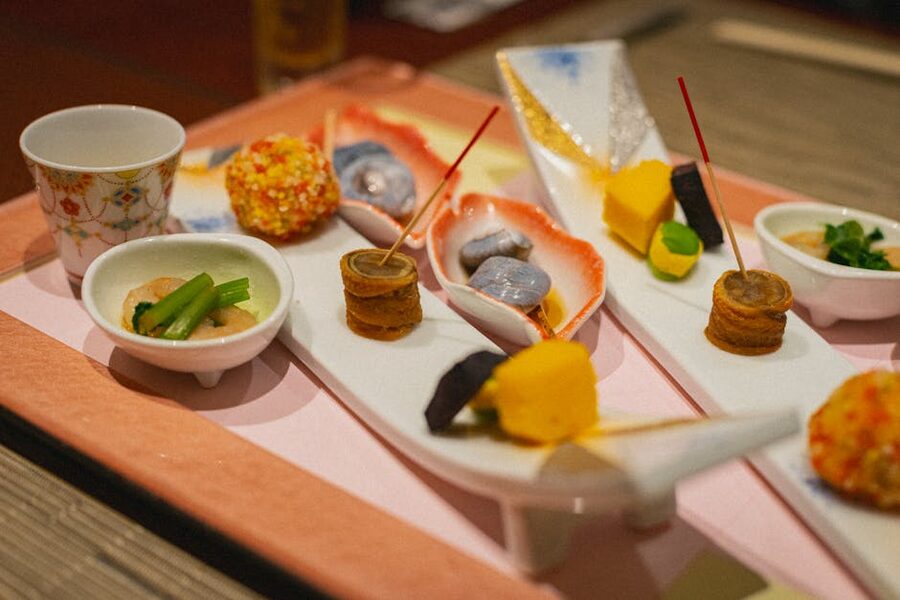
The Japanese kitchen runs on a tighter seasonal calendar than most travellers expect. The headline dishes that genuinely peak in specific windows:
- Snow crab (zuwaigani / matsuba): the season runs 6 November to 20 March on the Sea of Japan coast. Hyogo’s Kinosaki and Tottori are the named anchor towns.
- Hairy crab (kegani): year-round in Hokkaido but at peak quality April to June and September to October.
- Autumn salmon (akiazi): late September through November, mainly Hokkaido and northern Tohoku.
- Hamo (pike conger): June and July in Kansai, hardest to find anywhere else.
- Matsutake mushrooms: late September to early November, with prices that triple between domestic and import grade.
- Strawberries: the greenhouse season actually peaks December through April, not summer (see the strawberry picking guide).
- Ramen, sushi, ramen, tempura: year round. Don’t optimise the trip around them.
If your trip is a food trip, autumn (mid-September to late November) is the season that gives you the most breadth in one window: matsutake, autumn salmon, fresh sake, persimmon, ginkgo, and the new tea harvest’s last roastings.
The months I’d avoid (and what to do if you can’t)
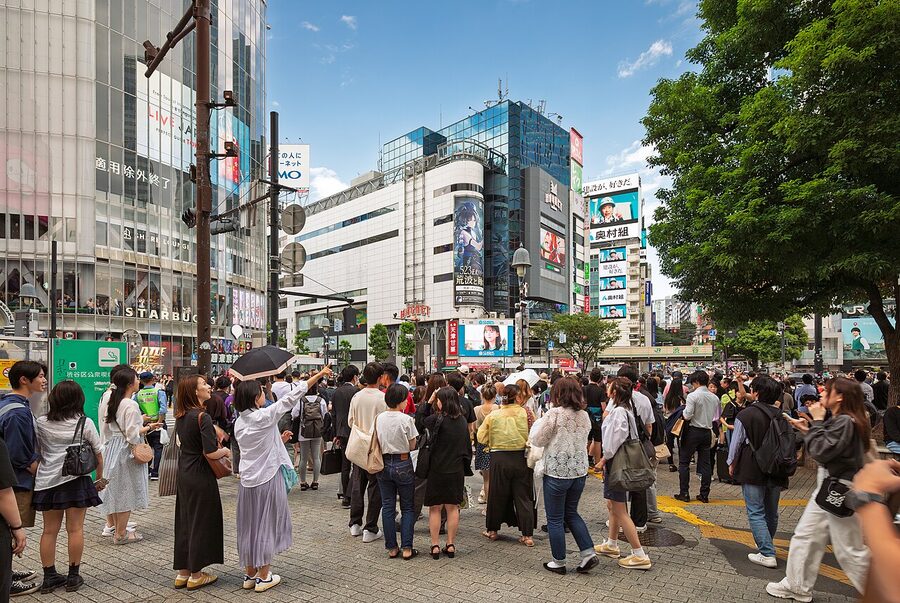
Three windows are objectively harder than the rest of the calendar. They aren’t always avoidable; if your trip falls in one, here’s the offset.
Golden Week (29 April to 6 May 2026)
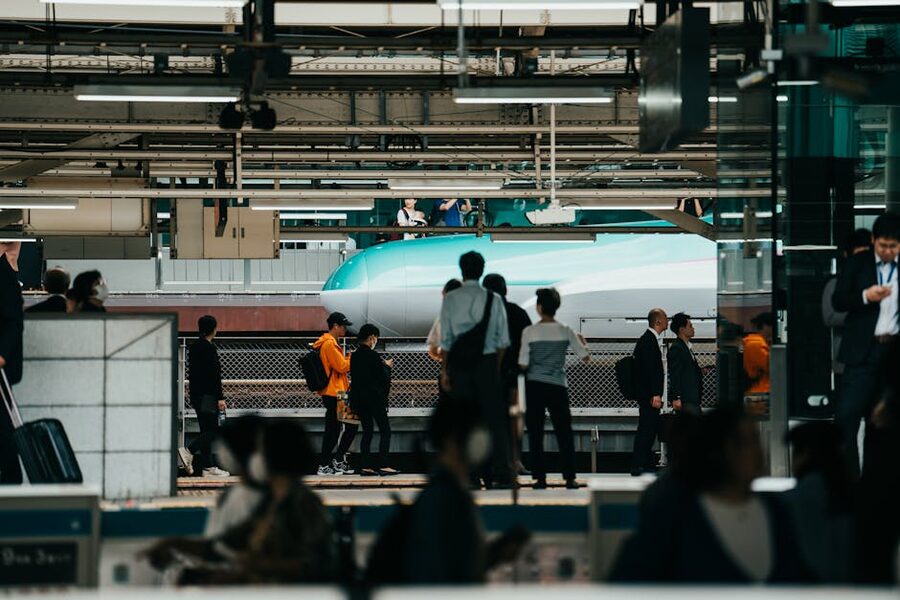
Four national holidays cluster around 29 April to 6 May. Shinkansen seats vanish by mid-March. Hotels in Kyoto, Tokyo, and Hokkaido double their February rates. The mitigating moves: stay in one city the whole week (not three), book the shinkansen at the moment reservations open 30 days out, and treat Golden Week as a city-stay rather than a country-touring trip. The JR Pass guide covers the activation timing in detail.
Obon (around 13 to 16 August 2026)
Domestic travel peaks even harder than Golden Week because it overlaps with most companies’ summer leave. Trains, planes, and toll roads are saturated 11 to 13 August (outbound) and 15 to 16 August (return). The fix: stay put for the week, ideally on Shikoku or in Kyushu. Tokushima’s Awa Odori running 11 to 15 August aligns perfectly with this.
New Year (29 December to 3 January)
Many shops, museums, and small restaurants close for two to four days. The temples are an exception, especially on the first three days (hatsumode). Plan for a slower itinerary, lean into onsen ryokan, and don’t expect Tsukiji-area sushi shops to open before 5 January.
The brief travel calendar, one line per month
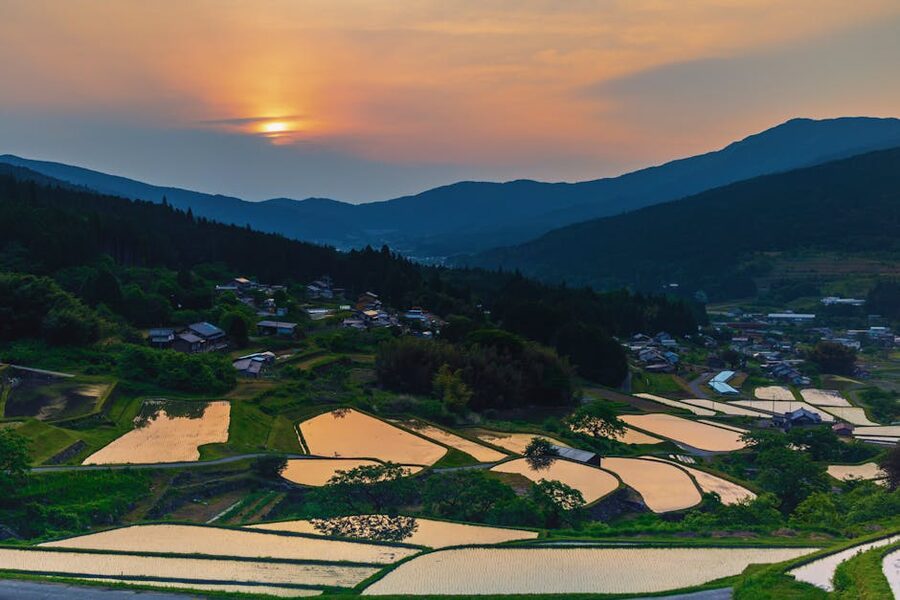
Built from the JMA climatological normals (1991 to 2020) and the operational dates listed above. Verified on 6 May 2026.
- January. Tokyo daytime around 10°C, nights around 2°C, sunny and dry. Hokkaido peak ski. Hatsumode at the major shrines on 1 to 3 January. Lunar New Year arrivals from late January in some years.
- February. The cheapest month. Sapporo Snow Festival 4 to 11 February 2026. Plum blossom mid-month in central Japan. Drift ice off Abashiri.
- March. Spring school holidays from mid-month domestically. Cherry blossom opens in southern Honshu around the third week. Tokyo bloom the last week.
- April. Cherry blossom in central Japan first week, then Hokkaido in the third. Tateyama Kurobe Alpine Route opens 15 April 2026. The high-altitude snow corridor is at its tallest until early May.
- May. Golden Week 3 to 6 May 2026 (avoid the trains 3 May out, 6 May back). Mid-May to end-May is the best window on the calendar: lush, mild, post-Golden-Week quiet.
- June. Tsuyu (rainy season) starts: Kyushu around 29 May, Kansai 6 June, Kanto 8 June. Hydrangea peak in mid-month. Hokkaido is largely dry and an excellent destination this month.
- July. Tsuyu ends mid-month (Kanto around 20 July). Mt Fuji climbing season starts 1 July. Gion Matsuri parades 17 and 24 July. Furano lavender peaks first two weeks.
- August. Heat at peak. Awa Odori 11 to 15 August. Aomori Nebuta 2 to 7 August. Obon week saturates everything 13 to 16 August. Hokkaido and the Northern Alps are the smart routings.
- September. Late typhoon season. Silver Week 19 to 23 September 2026 (this is one of the rare years it forms). Fall colour starts in Daisetsuzan from mid-month. Mt Fuji climbing season closes 10 September.
- October. The single best balance month: cool, dry, post-typhoon, pre-foliage-peak. Sapporo koyo around 28 October. Sports Day long weekend 10 to 12 October.
- November. Tokyo and Kyoto autumn peak in the second half. Crowds rival sakura but the weather is more reliable. Culture Day 3 November.
- December. Kyoto autumn lingers into the first week. Tokyo’s Christmas market season runs 15 to 25 December. Snow opens in Hokkaido. New Year shutdown from 29 December.
How geography breaks the calendar
Japan is roughly 3,000 km north to south, which is about the distance from London to Cairo. Saying “best time to visit Japan” without naming a region is roughly as useful as saying “best time to visit Europe.” The minimum split is three zones.
Hokkaido (north)
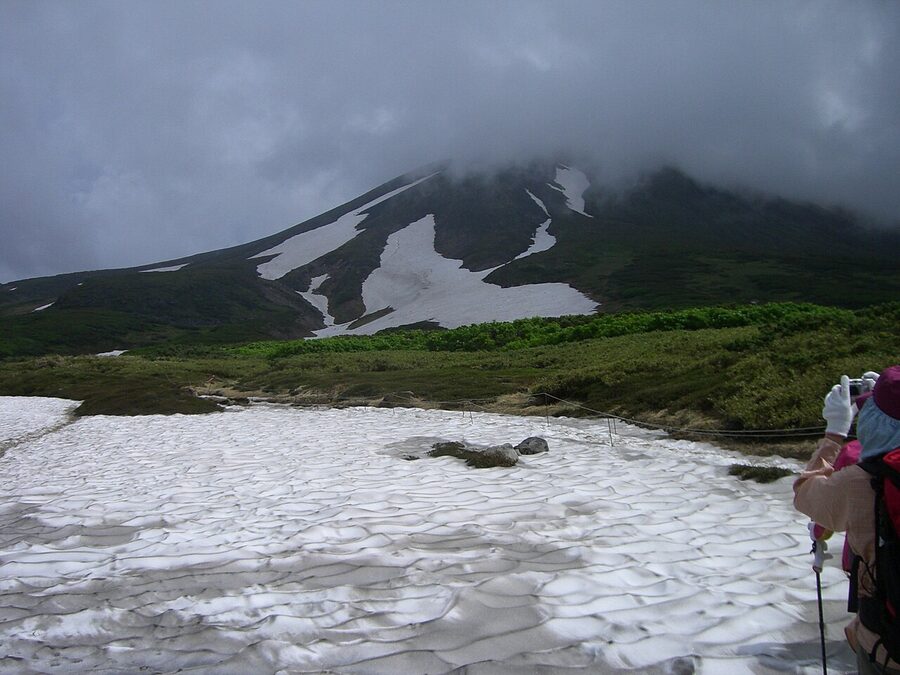
Spring runs about a month behind Tokyo. Cherry blossom opens late April. Winter is dry, cold, and snowy, with the powder season firmly in January and February. Tsuyu effectively skips the island. June to early September is comfortable hiking weather while Honshu broils.
Honshu and Shikoku (centre)
Four sharp seasons. The “best time” myth lives here: late March to early April for sakura, late November for koyo, mid-January to early March for value. The Sea of Japan side gets significantly more snow than the Pacific side at the same latitude.
Kyushu and Okinawa (south)
Mild winters (Naha rarely drops below 14°C). Tsuyu hits Okinawa first (May), Kyushu next (late May to early June). Typhoon track between July and October. Ishigaki and Iriomote in late September are the most under-priced sweet spot in the country.
The holiday weeks to plan around (or into)
Japan’s national holiday calendar isn’t long, but the clusters matter for travel.
| Period | 2026 dates | Effect |
|---|---|---|
| New Year | 29 Dec 2025 to 3 Jan 2026 | Domestic peak. Many shops shut. |
| Coming of Age weekend | 10 to 12 Jan 2026 | Three-day weekend, light spike. |
| Lunar New Year | 16 to 22 Feb 2026 | Inbound spike from Greater China. |
| Sakura week | 27 Mar to 5 Apr 2026 (variable) | Hotels at peak. Book by Nov. |
| Golden Week | 29 Apr to 6 May 2026 | Domestic peak. Trains saturated. |
| Obon | 13 to 16 Aug 2026 | Domestic peak again. |
| Silver Week | 19 to 23 Sep 2026 | Five-day stretch, third in history. |
| Sports Day weekend | 10 to 12 Oct 2026 | Three-day weekend. |
| Culture Day | 3 Nov 2026 | Long weekend if you bridge. |
Verified against the Cabinet Office holiday list and Nippon.com 2026 holiday data on 6 May 2026.
Silver Week 2026 is unusually generous
Silver Week only forms in years when 22 September falls on a Tuesday (the “between two holidays makes a holiday” rule). That happens in 2026 for the third time ever, after 2009 and 2015. The five-day cluster of 19 to 23 September will saturate domestic travel for the entire week, in the same way as Golden Week. If your trip overlaps it, build the itinerary around staying put rather than moving.
The rainy season is not what you think it is
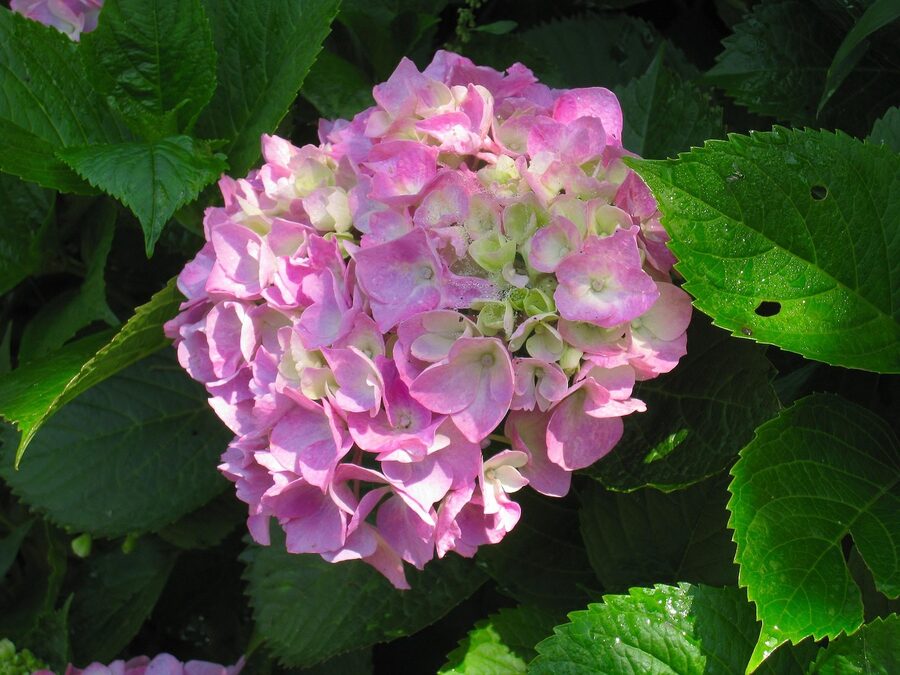
“Tsuyu” is grey weather and steady humidity, not torrential downpours. The JMA averages have it running:
- Okinawa: 8 May to 23 June
- Southern Kyushu: 29 May to 13 July
- Shikoku: 4 June to 17 July
- Kansai: 6 June to 19 July
- Kanto: 8 June to 20 July
- Northern Tohoku: 12 June to 27 July
- Hokkaido: largely exempt
The verdict: I’d happily travel through a Kanto or Kansai tsuyu. The rain is overstated, the museums and old cafes are genuinely better in the wet, hydrangeas peak mid-month, and hotels are 25 to 35 percent off cherry blossom rates. The deal-breaker is if you’ve come for outdoor sports or coastal photography. For those, swap Honshu for Hokkaido in June.
What I pack, in a sentence per season
Winter: proper down (or down equivalent), wool base layer, gloves with phone-touch tips that actually work, hand warmers, and a packable raincoat for wet snow. Tokyo nights drop to zero.
Spring: light layers, a warmer one for evenings, and one rain jacket. Sakura week mornings can sit at 5°C; afternoons lift to 18.
Summer: linen shirts, a cap, and one sweat towel (the Japanese tenugui is better than a cotton one). Shoes that breathe. The aircon shock from outdoor 35 to indoor 22 is real.
Autumn: the easiest season to pack. Daytime 18 to 22°C, evenings 8 to 12. A waterproof shell for Kyoto’s late typhoon tail. A camera that can hold a steady hand at 1/30s for the temple illuminations.
The summer-rainy day-saver: Hokkaido lavender
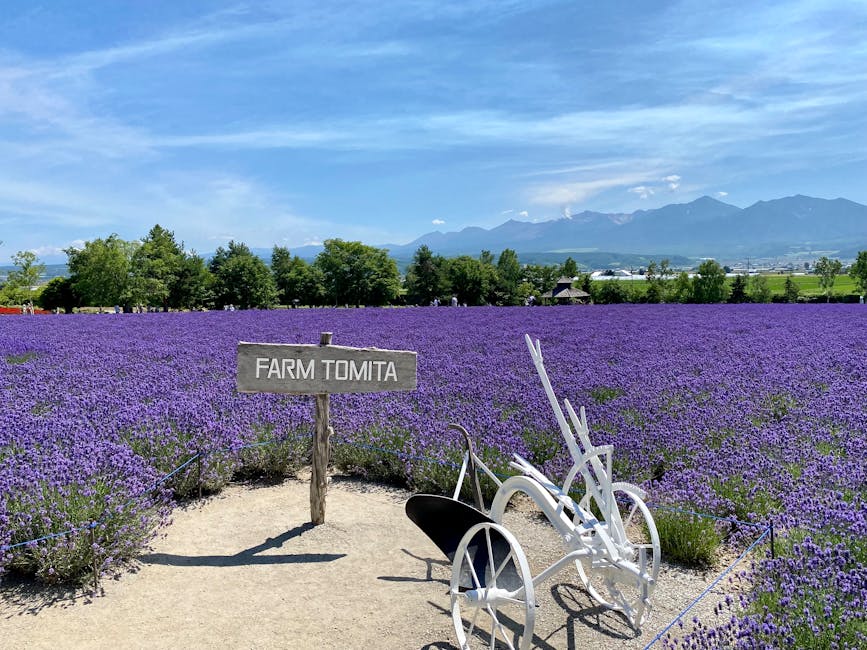
The single best move I know for travellers stuck with a July date is pivoting north. Hokkaido stays in the high teens to low twenties, dry, and Furano’s lavender belt peaks 5 to 18 July most years. Daisetsuzan ridge hiking opens around the same time. Verified against Farm Tomita’s official 2026 schedule on 6 May 2026. The Hokkaido hub covers the broader region.
Costs change with the calendar more than people expect
Some practical cost anchors. None of these are absolutes, but the order of magnitude is reliable.
- JR Pass 7-day ordinary: ¥50,000 until 30 September 2026, ¥53,000 from 1 October 2026 onwards (verified at jrailpass.net on 6 May 2026).
- Tokyo to Kyoto shinkansen single, reserved: ¥14,170 in non-Golden-Week weeks, no surcharge during peak weeks (the seats just become impossible to reserve).
- Three-star Tokyo hotel: ¥14,000 February floor, ¥38,000 to ¥45,000 sakura weekend.
- Three-star Kyoto ryokan: ¥22,000 February, ¥55,000 sakura weekend.
- Onsen day-pass at Hakone Yumoto: ¥1,500 to ¥2,500 across the year.
- Mt Fuji climbing fee 2026: ¥4,000 per climber, all four routes.
- Sapporo to Niseko bus: ¥2,500 one-way; rail-and-bus combo around ¥3,500.
- Japanese-style breakfast at a ryokan: ¥2,500 to ¥3,500 included; rarely worth opting out of.
One more thing: onsen are actually best in winter
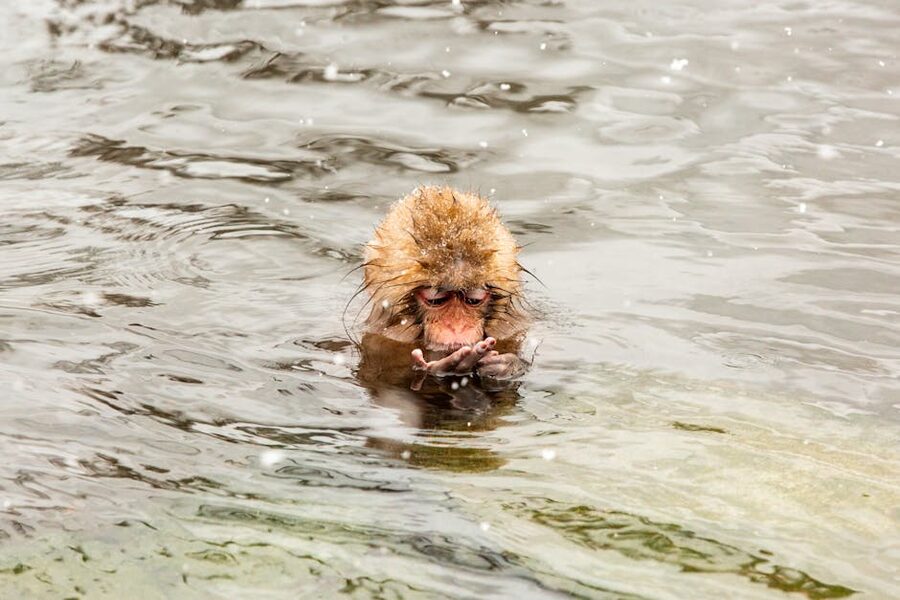
The first time I went into a Hakone outdoor bath in February, with snow on the rocks and steam halfway to the ceiling, I understood why the Japanese think of rotenburo as a winter activity rather than a year-round one. The onsen guide covers the etiquette and the named soaks, but the seasonal answer is short: come in winter if you can. The cold air, the colder swim back to the indoor bath, and the kaiseki dinner that goes with it are the experience the brochure writers aren’t quite catching.
So, when
If you’re flexible, late May beats late March. The weather is more reliable, the bills are about half, and the green of the post-tsuyu gardens is the single most underrated colour in Japan.
If you’re not flexible, work backwards from the trip-shape rows in the table at the top. The pieces of evidence in this article should give you enough to slot a date against your priority. The flower calendar is a useful companion if it’s a botanical trip; the onsen guide if it’s a winter-soaking trip; the autumn leaves guide if you’re chasing colour.
And one practical close, because every Japan trip ends here: book the first three nights’ accommodation and the long-distance trains, then leave the last week loose. The country rewards being adapted to in motion. The blossom that arrived early, the typhoon that turned, the temple that decided to light up an extra evening: those are reasons you came.
_%E5%A4%9C%E3%83%8E%E6%A3%AE%E9%A7%85%E8%BF%91%E3%81%8F%E3%80%81%E5%A4%9C%E3%81%AE%E6%A3%AE%E5%85%AC%E5%9C%92%E3%80%82%E3%82%BD%E3%83%A1%E3%82%A4%E3%83%A8%E3%82%B7%E3%83%8E%E3%81%AE%E6%A1%9C%E4%B8%A6%E6%9C%A8%E3%81%8C2.5km%E3%82%82%E7%B6%9A%E3%81%8F%E3%80%82%E3%81%BE%E3%81%95%E3%81%AB%E6%A1%9C%E3%81%AE%E3%83%88%E3%83%B3%E3%83%8D%E3%83%AB%E3%81%A7%E3%81%99%E3%81%AD%E3%80%82%E8%A8%AA%E3%82%8C%E3%81%9F%E3%81%A8%E3%81%8D%E3%81%AB%E3%81%AF%E6%A1%9C%E3%81%AF%E6%BA%80%E9%96%8B%E3%80%82%E5%85%AC%E5%9C%92%E3%82%82%E8%8F%AF%E3%82%84%E3%81%8B%E3%81%AA%E3%83%A0%E3%83%BC%E3%83%89%E3%81%A7%E3%81%97%E3%81%9F%E3%80%82_-_panoramio.jpg)


.jpg)
.jpg)
.jpg)

_19_Jan,_2014_-_panoramio.jpg)

