
The first time I went to Kyoto for the autumn leaves, I arrived on the 15th of November. The maples around Kiyomizu-dera were green. Tofukuji was green. The avenue at Eikando, the one that’s supposed to look like a tunnel of fire, was a tunnel of pale orange tipped with green. I’d flown halfway round the world for a week of light-up evenings and ended up two-thirds of the way through my trip before the colour properly arrived. The lesson stuck. Kyoto peaks late, and by late I mean the last week of November into early December, not the second week.
That’s the thing about Japanese autumn. Most travel guides will tell you October to November and leave it there. But the country runs over 3,000 km from the tip of Hokkaido to the southern islands, and the koyo front, the wave of changing colour, takes about fifty days to roll across it. Show up in mid-September and the only place with peak colour is on top of a Hokkaido volcano. Show up in mid-December and the only place with anything left is Kyoto, on borrowed time. The when matters as much as the where, and the where depends entirely on the when. (For the wider seasonal calendar, the best time to visit Japan guide breaks down the trade-offs across all twelve months.)
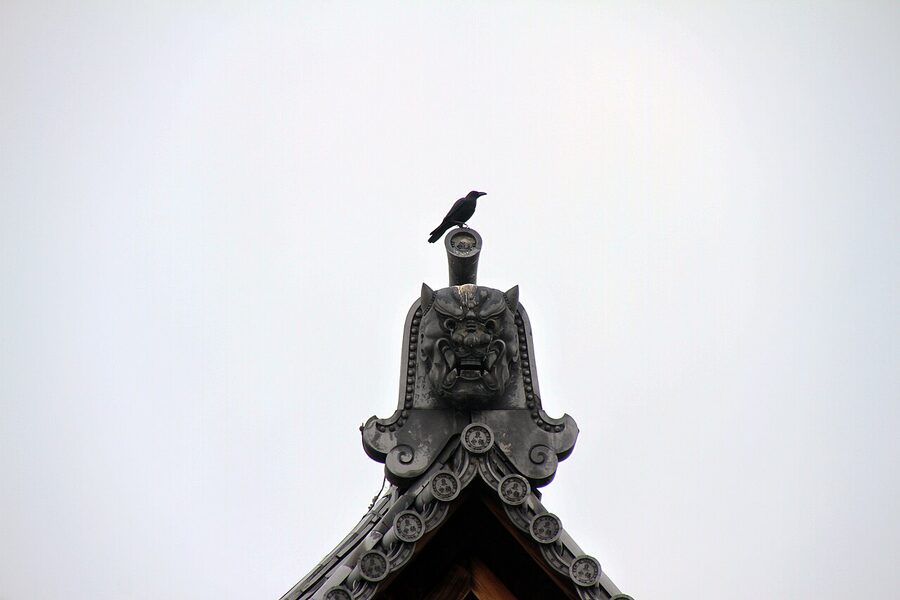
This guide answers the question I wish someone had asked me before that first trip. Where will the foliage be when I’m there, and where do I go to see it at its best? It’s organised by region, north to south, the way the colour actually moves. Each region has its own peak window, its own signature spots, and its own quirks. And because the dates shift a bit every year with the weather, I’ve anchored each window to the most recent reliable on-the-ground reports rather than averages that paper over a real two-week swing.
In This Article
- How the koyo front actually moves
- Regional peak windows at a glance
- Hokkaido, where the season starts
- Tohoku, the gold belt
- The Northern Alps and Hokuriku
- Nikko and the Kanto highlands
- Tokyo and the Kanto plains
- Mt Fuji, Hakone and the central highlands
- Kyoto and Kansai, the climax
- Western Japan: Hiroshima, Miyajima, Shikoku
- Kyushu, the slow finale
- Japan’s three great koyo sites, in case you only have one shot
- How to actually time it
- What to skip and what to watch for
- Combining autumn with other autumn things
- The shape of an autumn itinerary, in one paragraph
How the koyo front actually moves
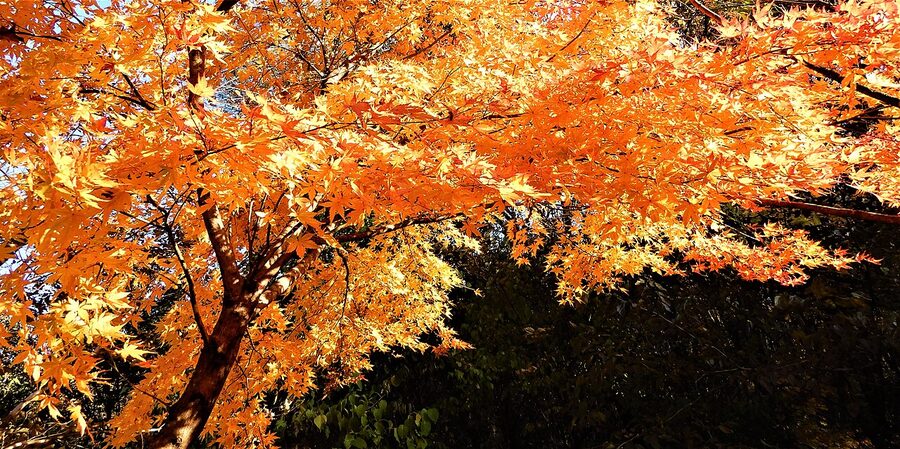
The Japanese have a name for it: koyo zensen, the autumn-foliage front. It’s the seasonal twin of the sakura zensen, the cherry-blossom front of spring, except the front runs the other direction. Sakura starts in Kyushu in late March and reaches Hokkaido in early May. Koyo starts in Hokkaido in mid-September and reaches Kyushu in late November. Same forty-odd-day gradient, opposite direction.
The trigger is temperature. Maples and ginkgos start to turn when the daily minimum drops below about 8°C, and they hit peak colour roughly twenty days after that. The first place that crosses the threshold every year is the alpine zone of Hokkaido’s Daisetsuzan range, where mountain huts above 1,500 m start seeing first colour in the second week of September. The last place is the lowland temple gardens of Kyoto and the parks of Tokyo, which limp into early December.
Two practical implications. First, altitude matters as much as latitude. Tateyama in Toyama (central Japan) peaks before Sapporo (far north) because the route goes over 2,400 m. The peak you’ll see at Murodo in early October is the same peak Lake Towada in Aomori sees three weeks later. Second, the ‘peak’ is a sliding window of about ten days, not a single date. Approaching peak, full peak, and the post-peak look of leaves on the ground are all part of the experience and most don’t need you to nail one specific weekend.
Regional peak windows at a glance
Below is the working calendar I keep in my head when planning trips. The windows are typical ranges, taken from the past decade of reports. A late warm spell pushes everything a week later, an early cold snap pulls it a week earlier.
| Region | Peak window | Where to start |
|---|---|---|
| Hokkaido (alpine) | Mid Sept – early Oct | Mount Asahidake, Daisetsuzan |
| Hokkaido (lowland) | Early Oct – late Oct | Jozankei Onsen, Sapporo |
| Tohoku (mountains) | Late Sept – late Oct | Hachimantai, Hakkoda |
| Tohoku (valleys) | Mid Oct – mid Nov | Naruko Gorge, Oirase Stream |
| Northern Alps | Late Sept – mid Oct | Tateyama, Kamikochi |
| Hokuriku (lower) | Mid Oct – late Nov | Kurobe Gorge, Eiheiji |
| Kanto highlands | Mid Oct – early Nov | Nikko, Oze |
| Tokyo / Kanto plains | Mid Nov – early Dec | Rikugien, Meiji Jingu Gaien |
| Central highlands | Late Oct – mid Nov | Mt Fuji Five Lakes, Hakone |
| Kansai (mountains) | Early Nov – late Nov | Koyasan, Yoshino |
| Kansai (Kyoto) | Mid Nov – early Dec | Tofukuji, Eikando, Arashiyama |
| Chugoku / Shikoku | Early Nov – late Nov | Miyajima, Ritsurin |
| Kyushu | Late Oct – late Nov | Yabakei, Takachiho Gorge |
Hokkaido, where the season starts
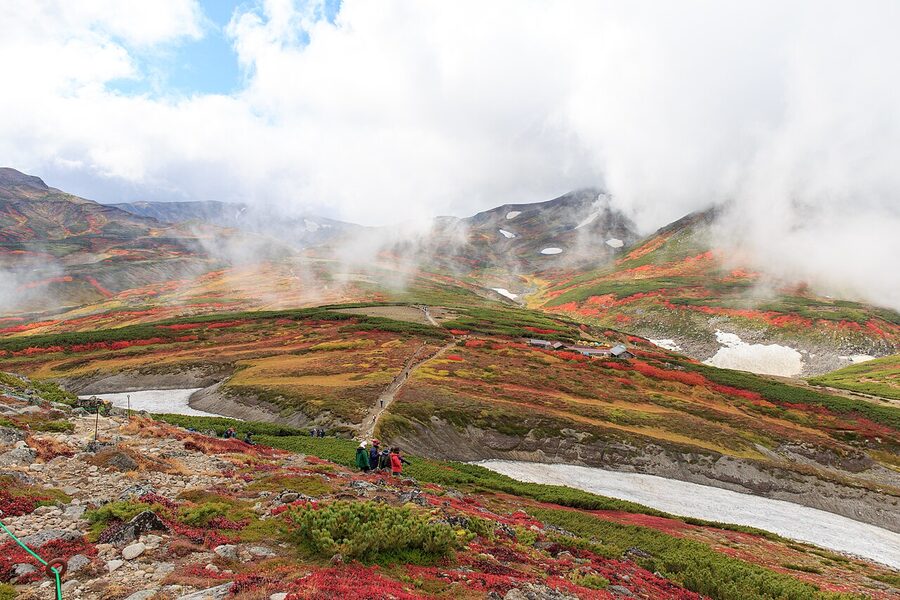
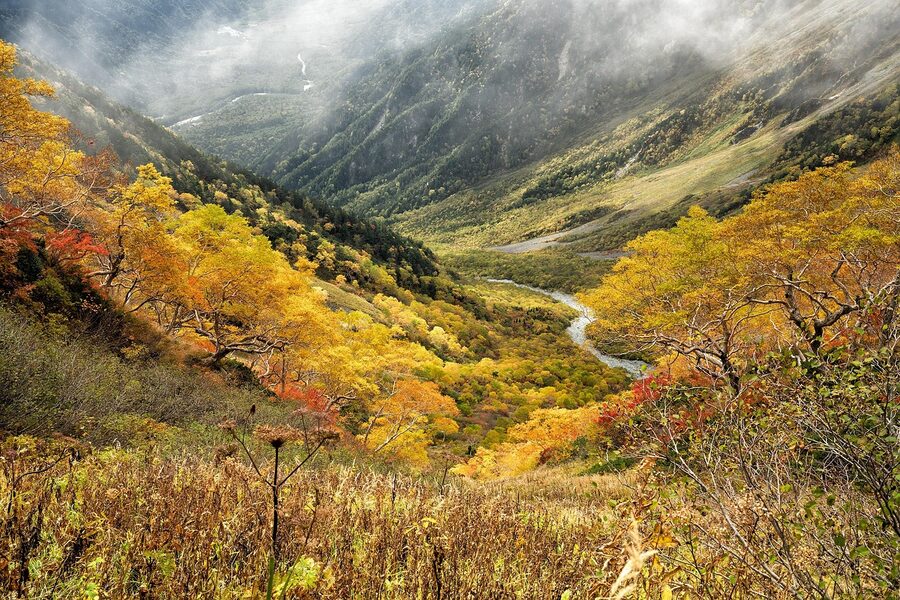
If you want to see the very first leaves of the Japanese autumn, you fly to Asahikawa, take the Asahidake Ropeway up to 1,600 m, and look at what’s already happening on the slopes above. Mount Asahidake is the first spot in Japan to peak every single year, with mid-September the standing window. Reports from the past several seasons have it shifting between 13 and 23 September, hugely consistent for something that depends on the weather. The colour is dominated by ground-cover shrubs going scarlet, with rowan and birch through the band of forest below the alpine zone. It’s not the maple-temple postcard. It’s tundra in red, with snow already dusting the peaks. Worth the detour if you’re a hiker. Worth nothing if you just want temple maples.
Daisetsuzan, the surrounding national park and Hokkaido’s largest, starts climbing into colour roughly 7 to 10 days after Asahidake’s peak. The Kogen Onsen marsh trail, deep in the heart of the park, gets reservation-only access during peak season because the trails get genuinely overrun, which is rare in Japan. Sounkyo Gorge near the eastern entrance is more accessible by bus and is where most visitors end up; it peaks in early October.
Down at lower elevations, the colour reaches Sapporo by the third week of October. Jozankei Onsen, a hot-spring valley about an hour southwest of Sapporo by bus, is where locals go: the gorge between Houheikyo Dam and the Toyohira River turns gold and red around 10–25 October. The seasonal Hoheikyo Dam shuttle bus runs from late spring through autumn and is worth riding for the dam-rim view. If you’re already planning a trip up north, the Hokkaido regional guide covers the full Sapporo-Hakodate-Niseko shape.
Tohoku, the gold belt
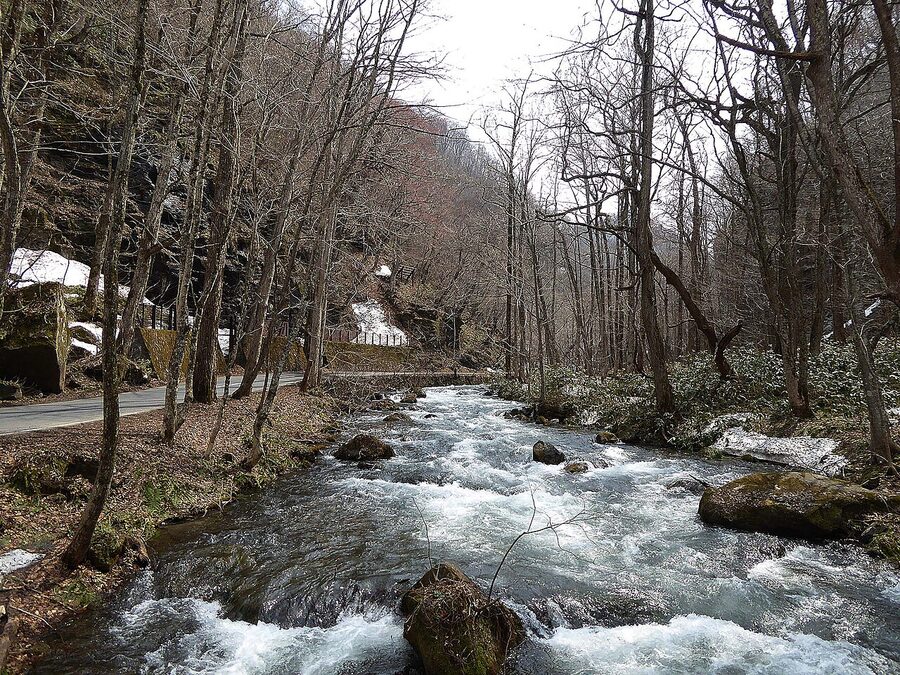
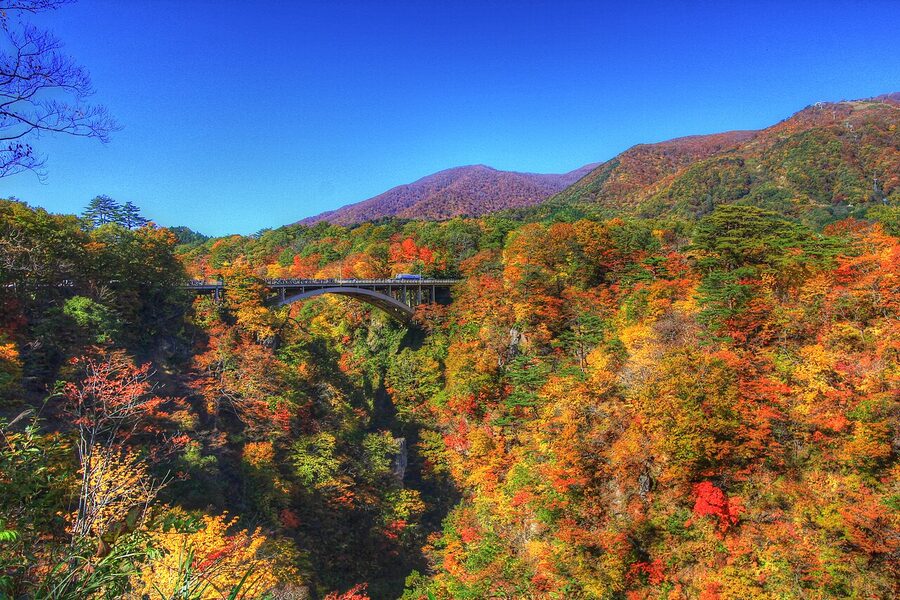
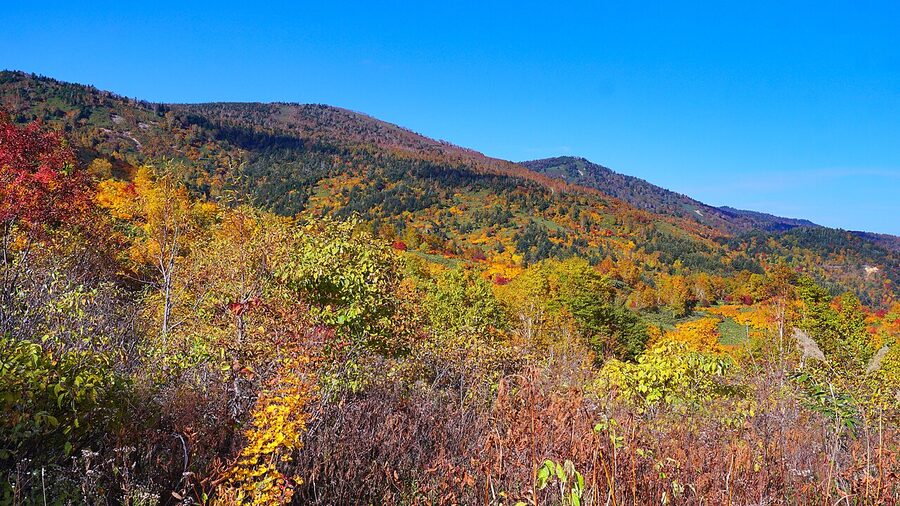
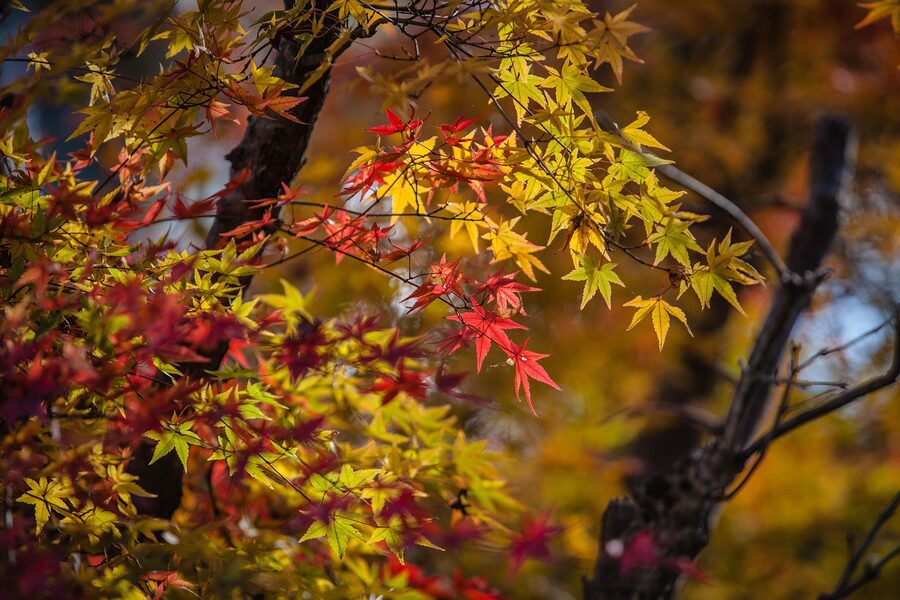
Tohoku is where I’d actually go for autumn if I had a free week and didn’t care about famous temples. It’s gold rather than red, dominated by beech and maple in mixed forest, runs longer than Hokkaido (about six weeks of staggered peak), and the crowds are a tenth of Kyoto’s. Late September to mid November, depending on which valley you’re in.
The first peaks come in the alpine zones of the Ou range. Hachimantai, on the border between Iwate and Akita, peaks in the third week of October at the volcanic plateau around the Hachimantai-chojo ridge: red maples on black lava with pampas grass between. Hakkoda, in Aomori, runs from late September on the upper ropeway down to mid-October at the lower trailheads. The 8-minute Hakkoda Ropeway delivers you to a panorama of mountain after mountain in colour, and on a clear day you can see Mutsu Bay.
For the postcard shot, Oirase Stream is the answer. The 14 km of stream from Lake Towada flows through a designated Special Place of Scenic Beauty, with twelve named waterfalls and several stretches where the trail runs literally next to the water. Peak is consistently mid-October to early November. Walk the upper third (Nenokuchi to Ishigedo, about 5 km) for the best ratio of waterfalls to crowds. The flat path makes this one of the few autumn walks in Japan I’d recommend to someone with mobility limits.
Naruko Gorge in Miyagi is the showpiece of the central Tohoku peaks. A 2.5 km gorge with cliffs almost 100 m deep on either side, the colour reaching down from rim to river. The Ofukazawa Bridge view, with the railway crossing the gorge in the foreground, is one of those frames that ends up on every Tohoku poster. Peak is mid-October to early November. Pair it with Yamadera, the cliff temple about an hour south, which peaks roughly the same week and is where Basho wrote one of his most famous haiku. (Yamadera’s admission was raised from ¥300 to ¥500 in April 2025; bring change.)
The Northern Alps and Hokuriku
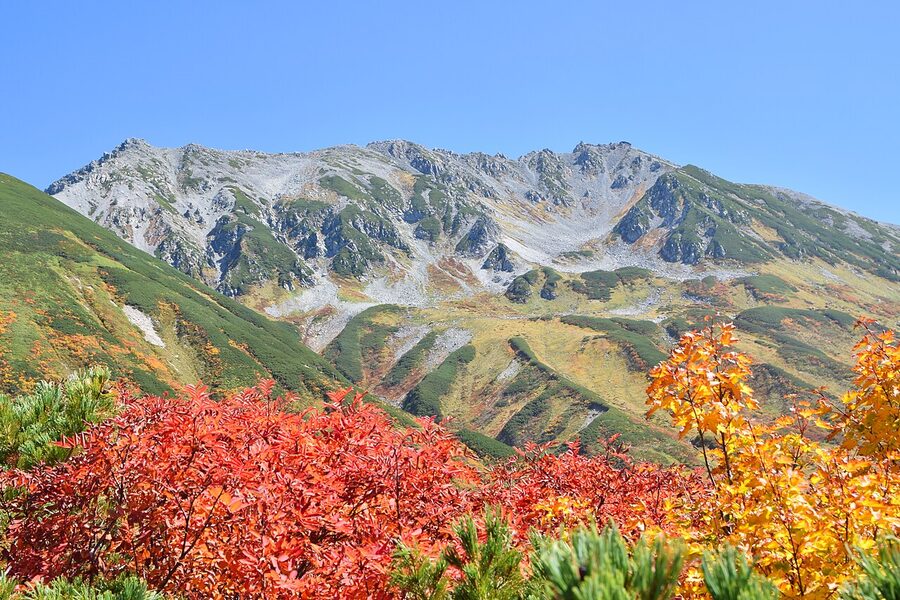
Cross the spine of Honshu and you hit the Northern Alps, where altitude drives an early peak that overlaps Hokkaido’s. The headline is the Tateyama Kurobe Alpine Route, the trans-mountain bus and cable-car series that crosses the range from Toyama to Nagano. The 2026 season runs 15 April to 30 November. The autumn peak at Murodo, the alpine plateau at 2,450 m, is consistently late September to early October, mirroring Asahidake. Lower down at Kurobe Dam (1,470 m) it’s mid October. Keep going down to Toyama side at Tateyama Station and you’re in late October territory. One route, three peaks, depending on where you stop.
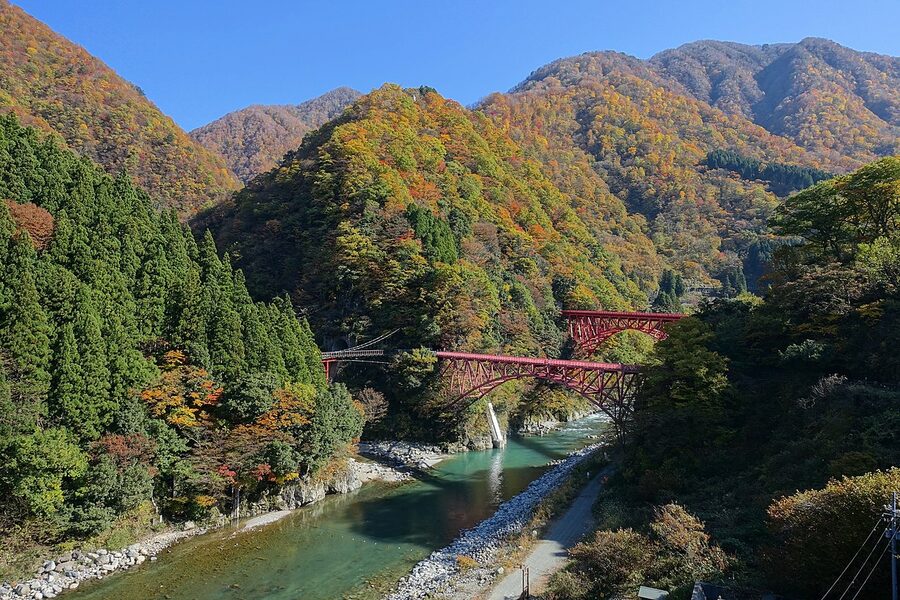
Kurobe Gorge in Toyama is the other big alpine name. The Kurobe Gorge Railway is a tiny open-sided train that runs about 20 km up the gorge from Unazuki Onsen, threading between cliffs that are still a third in green when the upper end is fully red. Mid-October to early November. The train is unheated so bring a fleece; the round trip takes about 90 minutes plus the inevitable wait at Keyakidaira at the top.
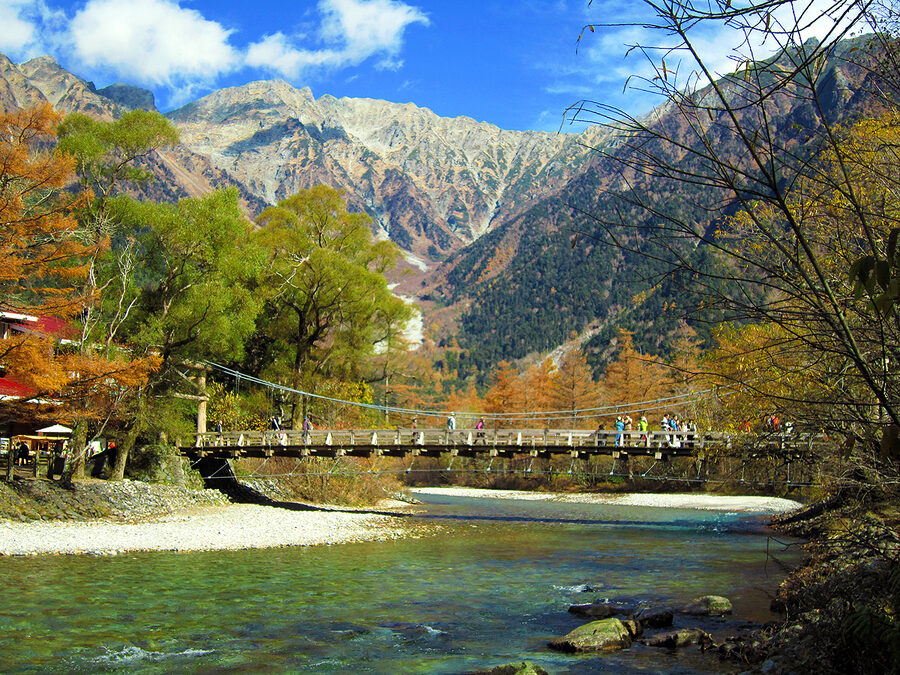
Kamikochi, the alpine valley in Nagano, is my favourite for a slower autumn day. The Taisho Pond reflection, with the sharp peaks of the Hotaka range catching first light behind orange larches, is the calendar-cover view. Peak is mid October. The valley closes for winter on 15 November and the bus services stop, so this is one of those windows where if you miss it by a week, you’ve missed it by a year. Pair it with the Tateyama Kurobe Alpine Route on the same trip if you’re moving through the Hokuriku region.
Eiheiji, the Soto-Zen training temple in Fukui, peaks a week later than Kurobe Gorge. The temple has been quiet for international visitors since spring 2026 with the sanro overnight programme suspended, but day visits to the seven-hall complex continue and the moss-and-maple combination at the inner cloister is genuinely worth the detour from Kanazawa. Late October into early November.
Nikko and the Kanto highlands
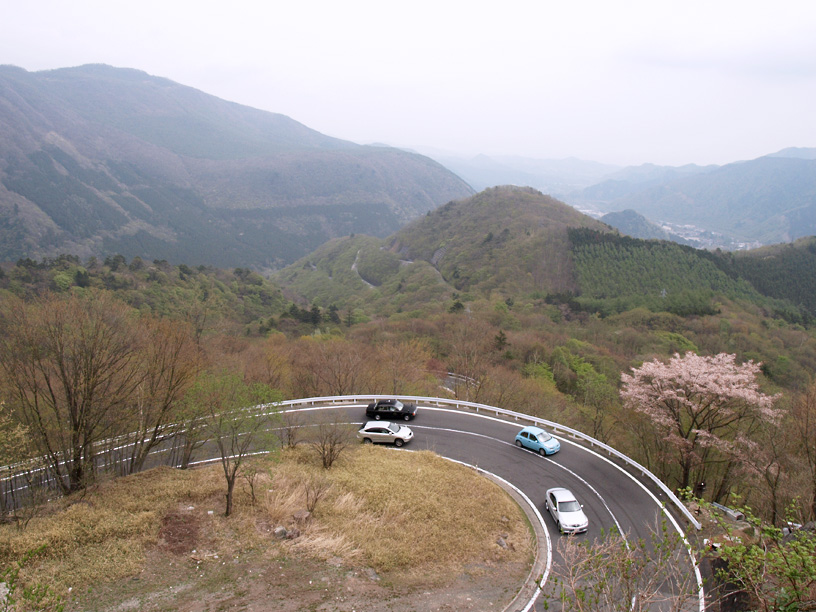
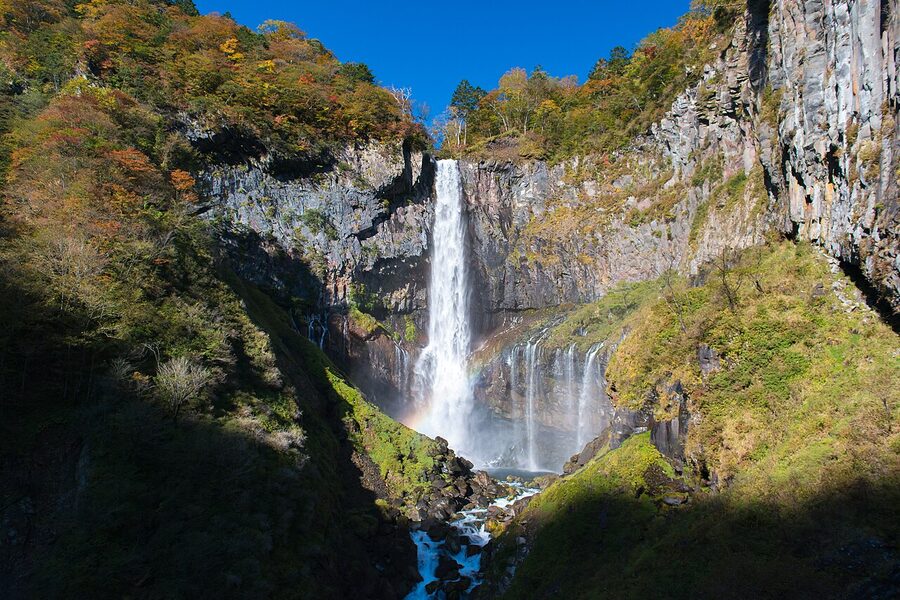
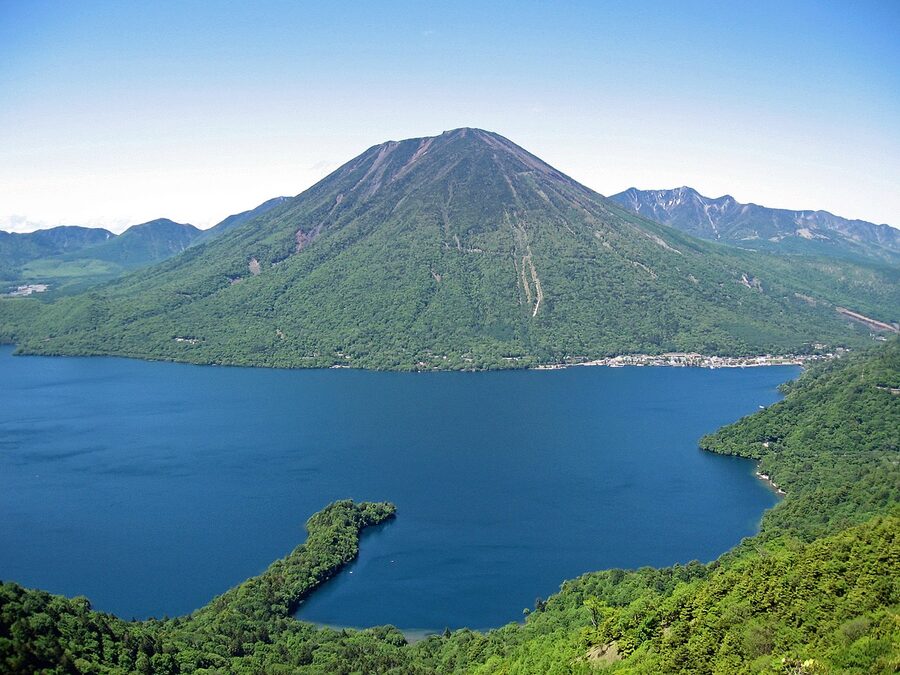
Nikko is the canonical day-trip-from-Tokyo autumn destination, and it earns that reputation. Lake Chuzenji at 1,269 m peaks mid-October. The road up to it, the Iroha-zaka switchback (48 hairpins, named after the 48 letters of the old Japanese syllabary), is itself the destination: an hour of solid colour from the bottom valley up to the lake. The traffic on a peak-week Saturday is brutal, multi-hour brutal; either go midweek or take an early bus from Tobu-Nikko Station and aim to be at Lake Chuzenji by 9:00.
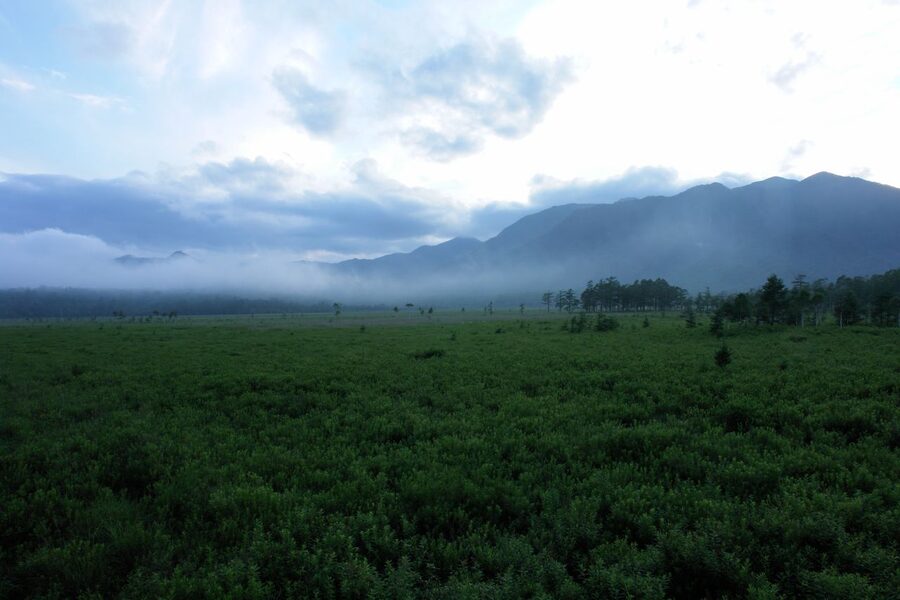
Kegon Falls, about 100 m straight down just below Lake Chuzenji, is dramatic in any season but particularly when the surrounding cliff face goes orange and red around the white water. The lift down to the observation platform is ¥570 return as of late 2025. Senjogahara Marsh, a 400-hectare highland marsh just past Lake Chuzenji, peaks in early October, two weeks ahead of the lake itself. The marsh trail is flat, takes about two hours, and is unrecognisable from the temple-postcard image of Nikko: tussock grass turning gold over peat, with mountains in the distance.
If Nikko’s day-trip energy is too crowded, Oze National Park is the antidote. Straddling four prefectures north-west of Tokyo, Oze is high marshland with very few roads and a serious hiker’s reputation. Peak is the first half of October. You’ll need a full day and proper boots; the wooden boardwalk that crosses the central marsh is several kilometres long and there are no shortcuts. But the colour, gold marsh in front of red-orange beech mountains, is what the early-October cover-shots are usually showing.
Closer to central Tokyo, Mount Takao still scrapes its way into the koyo conversation. The mountain is more famous for its 599 m peak being walkable from a Keio Line station an hour from Shinjuku, but the maples around the upper temple ring and the cable-car route do go scarlet in mid- to late November. Crowds are heavy on weekends. If you live in Tokyo and want a half-day fix, Takao is the answer; if you’ve travelled internationally, save your time for elsewhere.
Tokyo and the Kanto plains
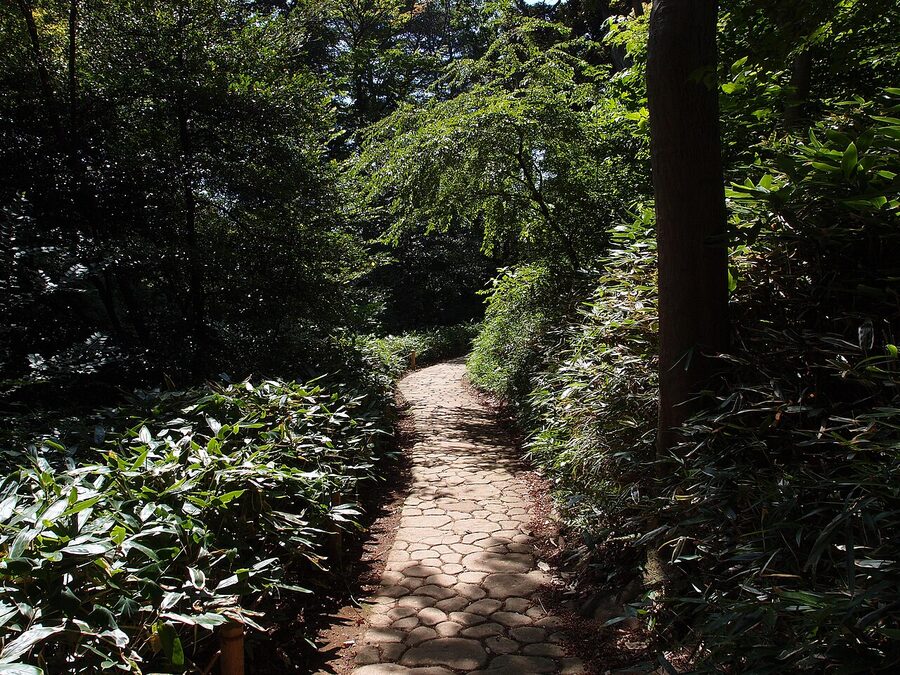
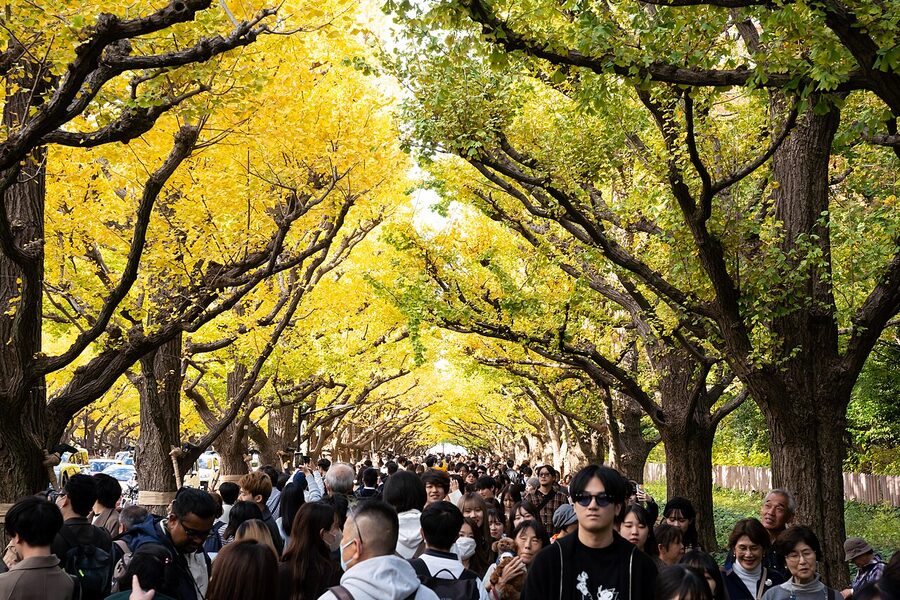
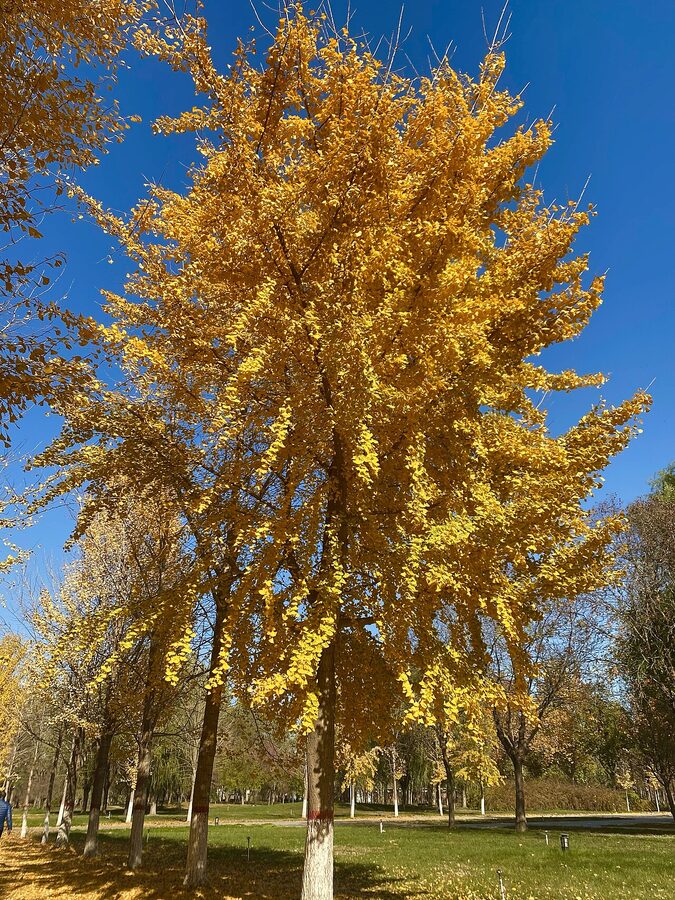
Tokyo’s autumn is the latest in the country, full stop. Official guidance from Tokyo’s tourism authority puts the best window at mid-November to early December, and the on-the-ground reports back it up: peak Tokyo dates over the past several seasons sit between 22 November and 4 December. If you’re in Japan in late November and your flight home is from Haneda or Narita, you don’t need to travel anywhere; the city is in colour around you.
Rikugien Garden in northern Tokyo is the must-do. It’s an Edo-period strolling garden with about 560 trees, including a band of maples around the central pond that turns into a wall of fire when conditions cooperate. The light-up evening hours run for roughly three weeks late November into early December; on those nights the entrance queue can be 30 minutes deep, so go on a weekday or wait for a damp evening when the casual crowd thins.
Meiji Jingu Gaien, the Outer Garden of Meiji Shrine, is the ginkgo answer. The 300 m avenue of pruned ginkgo trees with their teardrop crowns is one of Tokyo’s most photographed scenes; peak yellow is the last week of November into early December. The annual Icho Matsuri (ginkgo festival), with food stalls under the trees, runs about three weeks across the peak window. It’s free, it’s photogenic, and the avenue lights up after dark from a pedestrian’s-eye view.
For the formal-garden variant, Koishikawa Korakuen is the choice. The garden sits behind Tokyo Dome and is one of two surviving Edo-period landscape gardens in central Tokyo. The maples reflected in the central pond are the iconic shot; you want a still morning before the wind comes up. Hama-rikyu, on Tokyo Bay, is a different aesthetic, salt-water pond and skyscrapers behind, but the maples around the tea house are quieter than Rikugien and the bay light at dusk is better than any of the inland gardens. Plan a half day around either, then pivot into the rest of the Tokyo guide.
Mt Fuji, Hakone and the central highlands
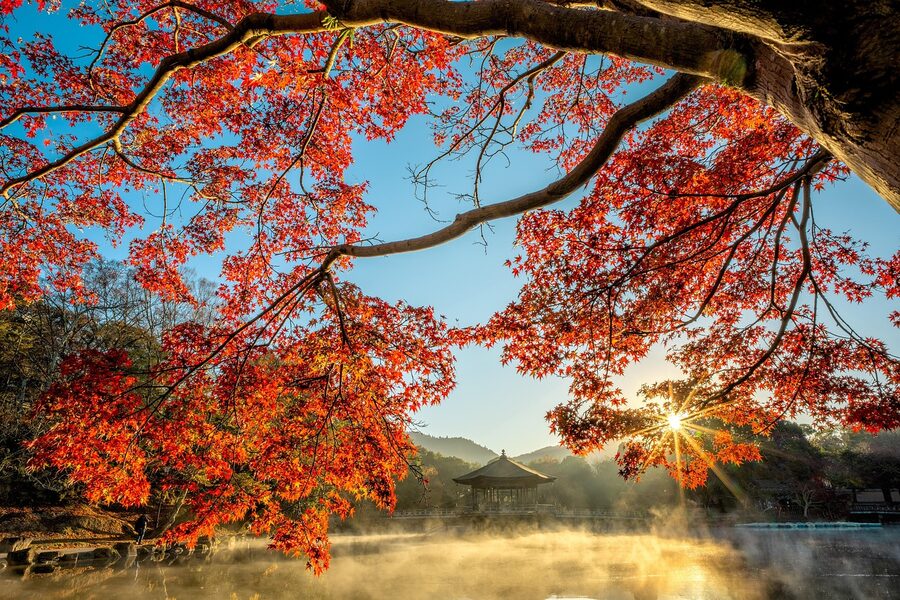
The Fuji Five Lakes (Fujigoko) shoulder right between the alpine and lowland windows. Peak is the first half of November, with the most-Instagrammed shot, red maples in the foreground with a snow-dusted Mount Fuji behind, achievable for about a 10-day window in early to mid November. Lake Kawaguchiko’s northern shore is where the Maple Corridor (Momiji Kairo) is set up: a few hundred metres of red maples with viewpoints back across the lake to Fuji. There’s a small autumn festival the first two weeks of November with night illuminations.
Hakone peaks a week later than the lakes. The Owakudani volcanic valley above Lake Ashi is the headline view, but the more rewarding stop is Choanji Temple in central Hakone-machi, where the maples in the inner garden rival anything in Kyoto on a smaller scale and a tenth of the crowds. Peak is the second week of November to the first week of December. The Hakone Open Air Museum’s outdoor sculpture grounds get colour at the same time and is a different kind of autumn day. Pair with Mount Fuji and the Hakone day trip guide.
Karuizawa, the highland resort in Nagano, peaks in late October to early November, slightly ahead of Hakone. The Kumoba Pond reflection is the postcard view; it’s a 20-minute walk from Karuizawa Station and gets going around 06:30 when the surface is still mirror-calm. The town itself is laid out for autumn walking, with the old Karuizawa main street under a tunnel of maples. Don’t expect the alpine drama of Tateyama or the temple drama of Kyoto. Do expect a calmer day.
Kyoto and Kansai, the climax
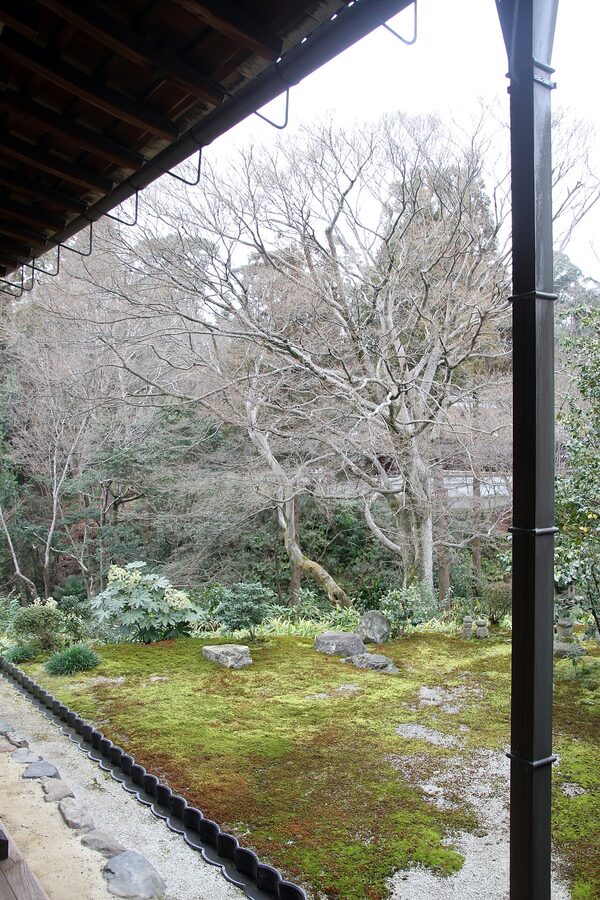
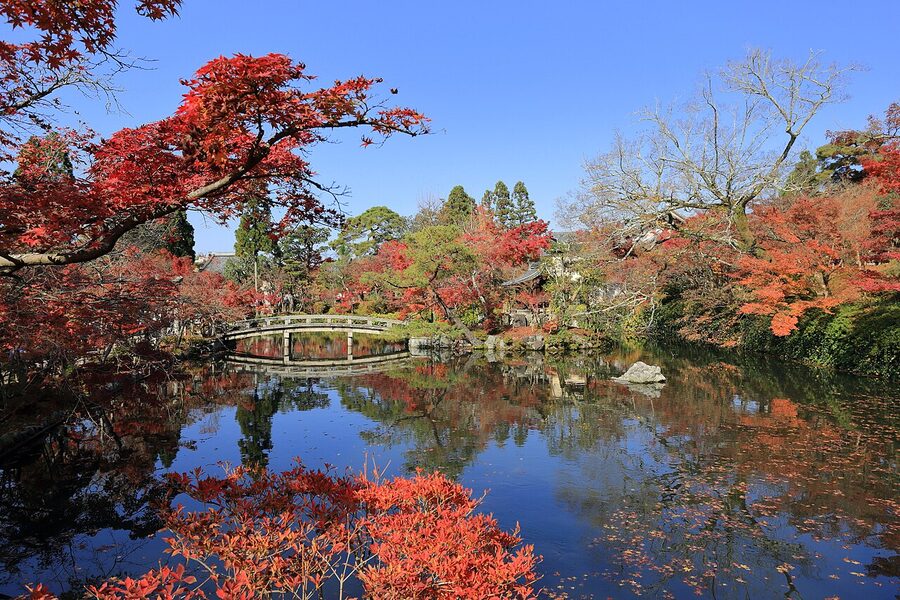
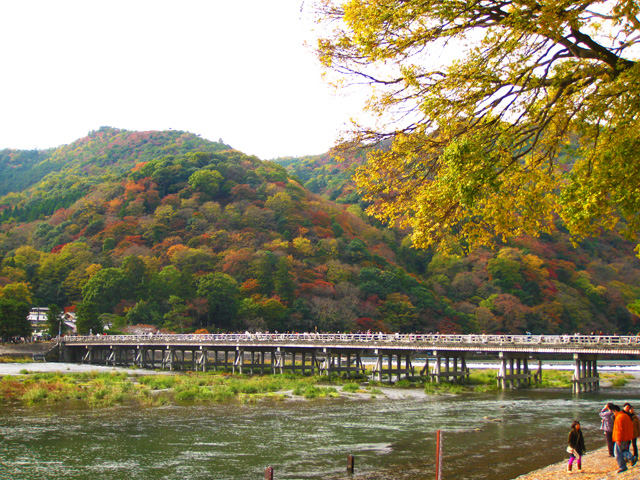
This is where I came in: Kyoto peaks late, the last week of November into early December, not the first week. The 2025 reports had Kyoto at peak on 29 November, 2024 at 28 November, 2023 at 21 November but with several spots not approaching peak until early December. Plan for the last week of November as your safer bet, with the first week of December as the contingency.
Tofukuji is the city’s headline temple for autumn and one of the busiest spots in all of Japan during peak week. The walk across Tsutenkyo Bridge, looking down over the Sengyokukan ravine where roughly 2,000 maples are massed, is what people fly in for. The autumn special viewing period runs 15 November to 7 December every year, with adult admission at ¥1,000 (Tsutenkyo + Kaisando) and an 8:30 opening to spread the load (verified May 2026 from the temple’s site). The 8:30 opening is a load-bearing detail: arrive at 8:00 and queue, get in within ten minutes of opening, have the bridge nearly to yourself for fifteen minutes before the first wave from the 9:00 trains.
Eikando, ten minutes’ walk south of the Philosopher’s Path, is my second pick and one I genuinely prefer when the weather is good and the air still. Maples surround the temple’s pond and pagoda, and the night light-up turns the central garden into a cobalt-and-vermilion stage set. Regular adult admission is ¥1,000; the autumn special exhibition adds a surcharge that varies by year. Tripod and selfie stick are banned inside the halls. The light-up evenings sell out, so book the timed-entry ticket the day they go on sale.
The classic Arashiyama route on the city’s western edge is one of the ‘three great koyo sites’ in Japanese tradition. Walk the bamboo grove from the Tenryuji north gate, cross the Togetsukyo Bridge with the maple-dotted hills behind, and finish at Hogon-in or Jojakkoji, both small temples with intimate autumn gardens. Tenryuji’s main hall and Sogenchi pond garden are the other Arashiyama anchor. The whole circuit is a half day. Add it to a full Kyoto trip via the Kyoto regional hub and the Arashiyama guide.
Outside Kyoto proper, Koyasan in Wakayama peaks the first half of November, two weeks ahead of the city. The temple complex on a 800 m mountain is significantly cooler than the Kansai plain and the Okunoin cemetery’s cedar avenue, with maples mixed through, is one of the most atmospheric walks in Japan in any season. Stay overnight in a temple lodging if you can. Nara Park is on the Kyoto schedule, peaking late November to early December, with the colour around Wakakusayama the standout view.
Western Japan: Hiroshima, Miyajima, Shikoku
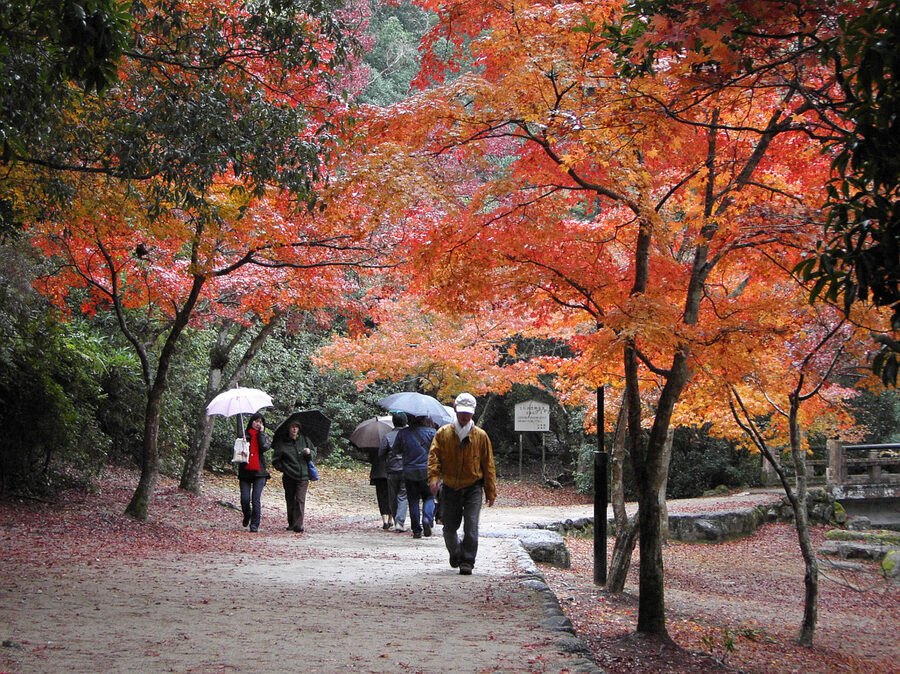
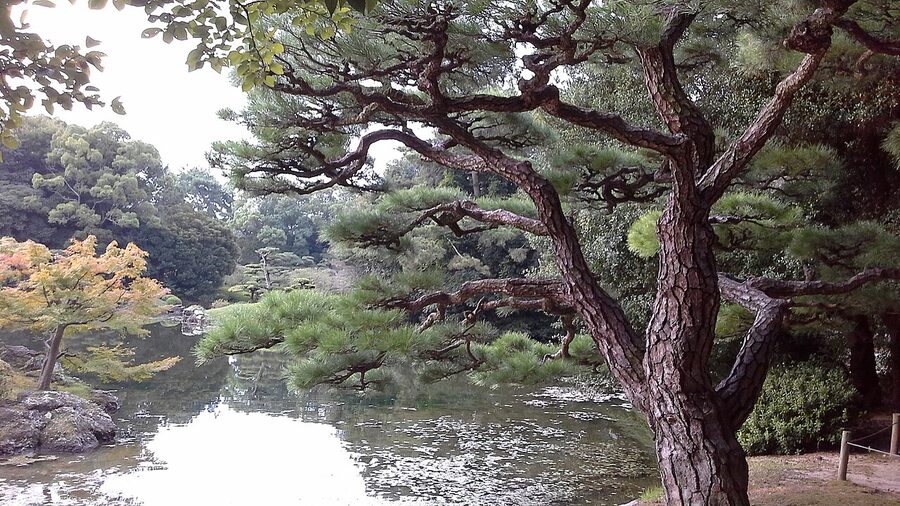
The koyo wave reaches western Honshu and Shikoku about a week after Tokyo, peaking in mid- to late November. Miyajima’s Momijidani Park, at the foot of Mount Misen, is the regional showpiece: about 700 maples in a small valley, with the iconic floating torii of Itsukushima Shrine ten minutes’ walk away. The combination is Instagram catnip, but the Mt Misen ropeway up to 535 m is what most travellers miss. The lower stations of the cable run through a band of mixed forest that turns red around the same week as the valley below; ride up at sunset and walk down, or vice versa. Peak is mid November.
Pair Miyajima with Hiroshima city itself, where Shukkeien Garden has its own quiet autumn. The garden’s admission rose to ¥260 from 14 April 2025; it’s a 10-minute walk from Hiroshima Station and a far calmer alternative to the Peace Park crowds. See the Hiroshima regional hub for the wider trip.
Ritsurin Park in Takamatsu, on Shikoku’s northern coast, is one of Japan’s three great traditional gardens and its autumn light-up over the south pond is genuinely unique: night boats glide across the water past pavilions reflecting in the surface, with the lit maples mirrored below. Peak is mid-November to early December and the Wasen rowboat night service runs the same window. Worth the day trip from Okayama if you’re in the area for the Setouchi Triennale or just heading south. Kankakei Gorge on Shodoshima island, a short ferry from Takamatsu, peaks the same fortnight; the ropeway view is one of the most dramatic in western Japan.
Okutsukei Gorge in Okayama, less famous, peaks mid-October to early November. Shimanto River in Kochi gets colour in late November. The further west and south you go, the later the schedule slides.
Kyushu, the slow finale
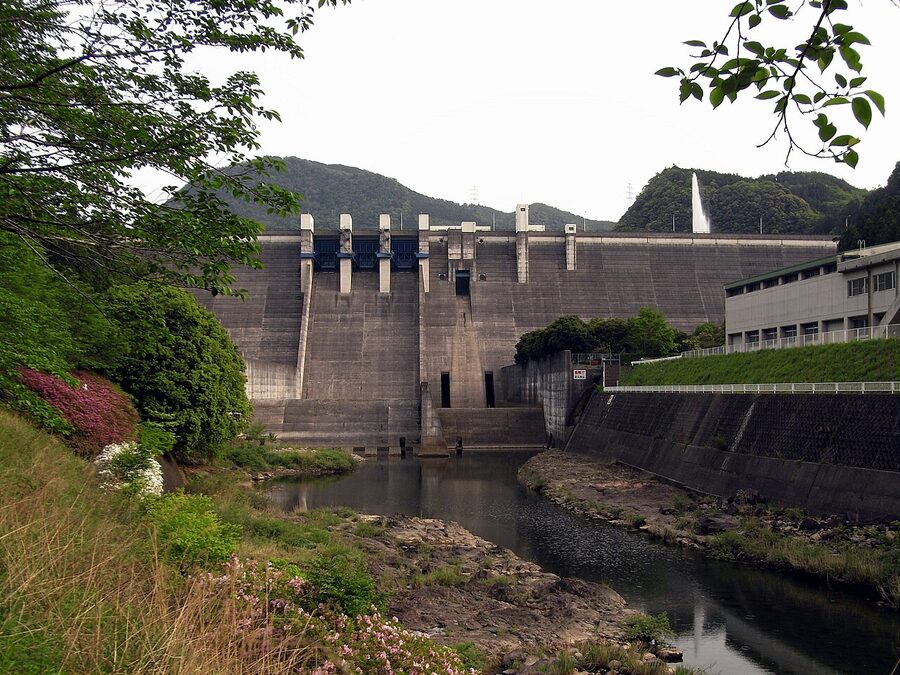
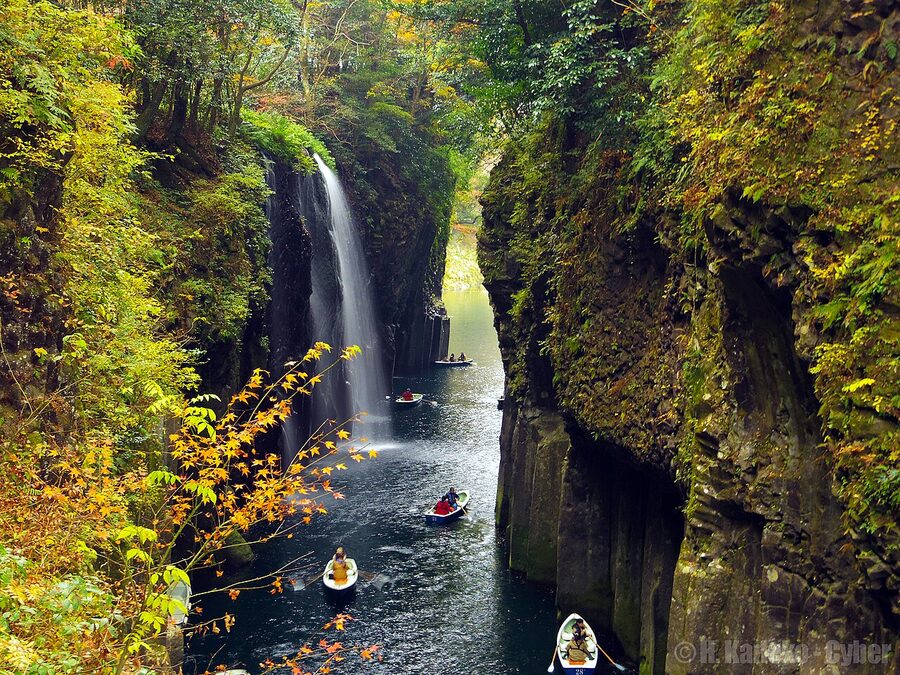
Kyushu is the last region of mainland Japan to peak. Yabakei in Oita is one of the country’s three great koyo sites; the Hitomehakkei (eight-views-at-a-glance) lookout in Shin-Yabakei, surrounded by limestone columns and sheer cliffs, peaks the second to fourth week of November. Yabakei runs roughly 32 km north-south and 36 km east-west, big enough that you’ll need a car or a bus tour. Most guidebooks barely mention it; in Japanese tourism it ranks alongside Arashiyama and Nikko.
Takachiho Gorge in Miyazaki is the other Kyushu showpiece. The narrow basalt-walled gorge with the Manai Falls dropping straight in is the headline image; renting a small rowboat and pulling yourself along the still water, with maples hanging over the rim above, is one of the more memorable hours of any trip to Kyushu. Peak is mid- to late November. The boat reservation system has been reservation-only at peak weekends since 2023; book at the Takachiho official site before arriving.
Aso, in central Kyushu, has the volcanic-grassland version of autumn: silver pampas grass shoulder-high across the caldera floor, golden in late afternoon, peaking late October to early November. Less the temple-postcard and more the hiker’s sweep. The Kuju mountain range north of Aso peaks a week later. See the Kyushu regional hub for the wider context.
Okinawa, in case you’re tempted: there’s no autumn colour. The climate doesn’t drop low enough and the tree mix is subtropical. If you want a warm December trip, Okinawa is brilliant for sun, but not for leaves.
Japan’s three great koyo sites, in case you only have one shot
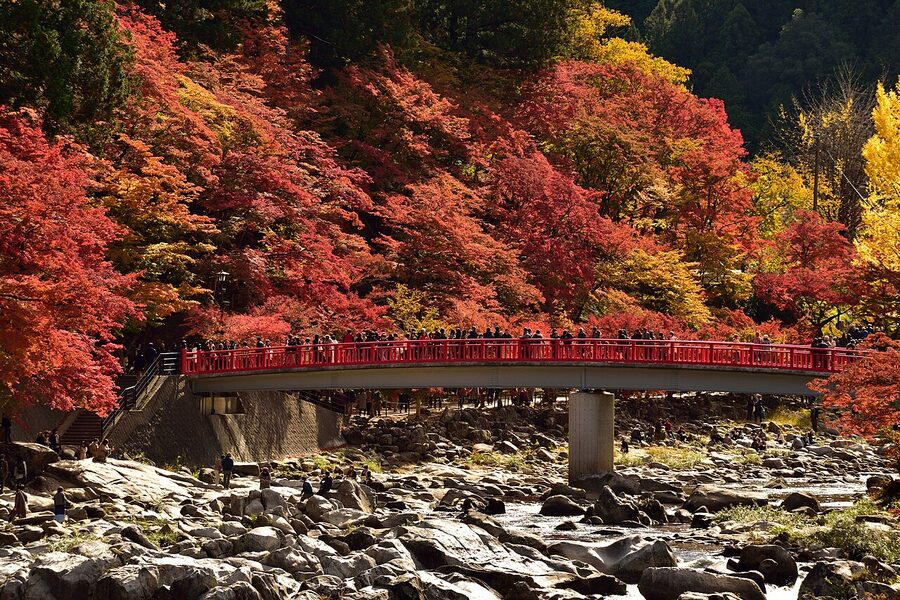
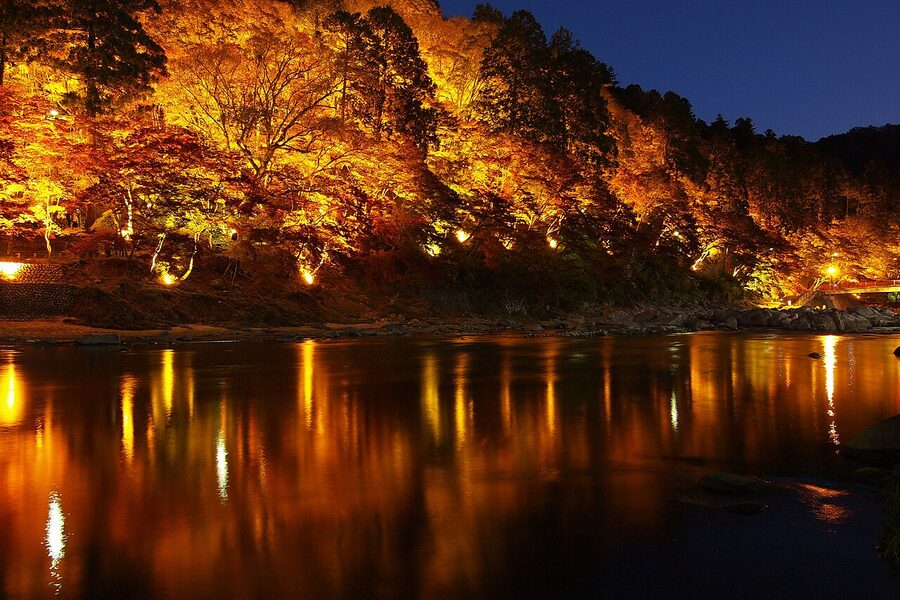
Japanese travel writing has a long tradition of triplet rankings (three best gardens, three best night views, three great onsen). The autumn-leaves equivalent is fixed: Arashiyama in Kyoto, Nikko in Tochigi, and Yabakei in Oita. They’re geographically spread and aesthetically distinct, which is the point of the list, and they tell you where the genuine national-tier viewing spots are when you cut through the marketing.
If you only have one shot, my pick depends on what you want from the day. Arashiyama if you want temple-and-river postcard scenery and don’t mind crowds; Nikko if you want a day trip from Tokyo with mountain drama and waterfalls; Yabakei if you want to see a top-tier autumn site with a fraction of the international tourists. The three are also a useful mental anchor when reading other people’s recommendations: anyone who claims a spot is ‘better than Kyoto’ for koyo is overselling unless they’re talking about one of these three.
How to actually time it
Two practical sources, plus a third I use as a sanity check.
The forecasts. Weathernews and Tenki.jp both publish a koyo zensen forecast in early August, refreshed weekly through October. They’re useful but conservative; the maps round to prefectures. The free JNTO autumn page summarises the same data in English and links the Japanese sources.
The on-the-ground reports. Japan-guide.com publishes weekly on-site reports from late September to early December, photographing specific named locations and rating them ‘starting to change’, ‘approaching peak’, ‘peak’, ‘past peak’. This is the gold standard if you’re already in Japan and trying to decide between two regions for a Saturday trip. The historical record (the 2009 to 2025 archive) is also free, and the year-on-year consistency is what lets you plan a year ahead. Asahidake-first, Kyoto-last, with each named spot moving plus or minus a week.
The cross-check. Walker+ (koyo.walkerplus.com) maintains a Japan-wide ranking with current colour status, updated by the spot operators themselves. Useful for checking whether a specific named location you’re tempted to slot into a tight itinerary is on schedule this year.
For accommodation, the rule is to book early when you’ve decided. Hotels and ryokan in Kyoto, Hakone, Nikko and Karuizawa raise prices and sell out about three months ahead of peak weekends. Book by August for a late-November Kyoto stay. The Japan Rail Pass makes most of the inter-regional trips affordable; check the regional pass options too, which often work better for autumn-only itineraries focused on Kanto-Kansai or Tohoku.
What to skip and what to watch for
Some takes that don’t usually make it into the official guides.
Don’t fly in for one weekend. The peak window is about ten days for any specific spot, and the weather can shift it within that window. A two-week trip with regional flexibility (Tokyo + Kyoto + one mountain region) almost always works. A long weekend can miss completely. The only reliable single-spot single-weekend bet is Mount Asahidake in mid-September, because that one is unusually consistent.
Avoid the peak-Saturday Kyoto temples. Tofukuji on the Saturday closest to 25 November is the worst-case scenario. The bridge limits photography during the special viewing because of the crowd weight. Either go on a weekday morning at opening time, or pick a quieter alternative: Komyoin (the sub-temple immediately south of Tofukuji), Sanzen-in in Ohara, or Jojakkoji in Arashiyama all have full autumn drama with a quarter of the crowds.
Don’t underestimate the cold. Daytime temperatures are pleasant (15 to 20°C in lowland Japan), but mornings in Kyoto, Nikko or Hakone can be 3°C. Mountain-top observation points like Tateyama Murodo or Hakkoda routinely see snow on the ground in October. Pack layers, a windproof jacket and proper shoes. The annoying number of light-jacket-and-trainers tourists shivering at 7am in November is a recurring sight.
Don’t expect colour from late December onwards. Some city gardens (Kamakura, parts of Tokyo) hold onto a few maples into the second week of December, but it’s the tail end. By 15 December the country is in winter mode and you’re better off pivoting to Japan’s snow scenery and onsen-and-ryokan trips.
Combining autumn with other autumn things
Autumn in Japan is also onsen season. The same temperature drop that turns the leaves makes the open-air baths suddenly delicious. Hakone, Nikko, Jozankei, Kurokawa, and the smaller hot-spring villages of Tohoku and Kyushu all peak as a combined leaves-and-onsen experience in the same week. If you’ve never tried a Japanese hot spring, the combination of soaking outdoors with snow on the peaks and red maples around the rim is one of the country’s signature experiences. The onsen guide covers etiquette and how to choose one.
Autumn is also when the food gets seasonal. Matsutake mushroom shows up in late October on kaiseki menus and the cheap-but-distinctly-autumnal dishes (kuri-gohan chestnut rice, sanma grilled pacific saury, yakiimo roasted sweet potato) are everywhere from late October. The pumpkin (kabocha) season runs into early November.
The flower calendar also shifts: cosmos peak in early October, late chrysanthemum exhibitions run November, and the seven autumn grasses (aki-no-nanakusa) are a poetic counterpoint to the leaves. The Japan flower calendar covers the wider year-round sequence and where each species has its peak spots.
One other thing worth flagging: festivals overlap in late October to early November. The Jidai Matsuri in Kyoto (22 October), the Karatsu Kunchi in Saga (2–4 November), the Hakone Daimyo Gyoretsu (3 November), and the Nikko Toshogu Autumn Festival (16–17 October) are all worth aligning a trip around if the dates line up. They aren’t the leaves themselves but they sit inside the same six-week window.
The shape of an autumn itinerary, in one paragraph
The trip I’d repeat: fly into Sapporo around 18 September, two days in Daisetsuzan and Jozankei, fly to Tokyo by 25 September. From Tokyo, day trip Nikko around 12 October. Pick up the Japan Rail Pass and head west: Kanazawa around 20 October for early Hokuriku colour, the Kurobe Gorge train, and on to Kamikochi by 25 October. Down to Kyoto around 25 November for the late peak. Day trip to Miyajima 27 November. Fly out from Osaka the first week of December. Three peaks, three regions, no unnecessary backtracking. The trip works because it follows the wave south rather than fighting it.
If two weeks is what you have, drop the alpine bookend and pick Tohoku-and-Tokyo-and-Kyoto: fly into Sendai around 20 October, work through Hachimantai, Naruko Gorge and Yamadera over four days, train down to Tokyo by 5 November, then on to Kyoto for the last ten days. Less travel, similar payoff.
The mistake I made the first time wasn’t going to Kyoto. It was going to Kyoto and assuming Kyoto. The Japanese autumn is a country-wide schedule, and the best way to enjoy it is to pick the part of the schedule that matches when you can be there, then ride that wave. The fifteenth of November is great. It’s just not great in Kyoto.


.jpg)
.jpg)
.jpg)
.jpg)

_24_Oct,_2011_-_panoramio.jpg)


.jpg)
.jpg)


_21_Nov,_2009_-_panoramio.jpg)


_24_Nov,_2012_-_panoramio.jpg)

