
Most people who do Hakone as a day trip from Tokyo race the so-called Round Course, the rope-way and pirate ship and cable car loop the tourism office sells as the must-do circuit, and end up barely seeing Mt. Fuji at all. They pin themselves to a schedule, miss the morning visibility window, and spend the afternoon in cable-car queues with the mountain wrapped in cloud. The day works much better if you do less of it.
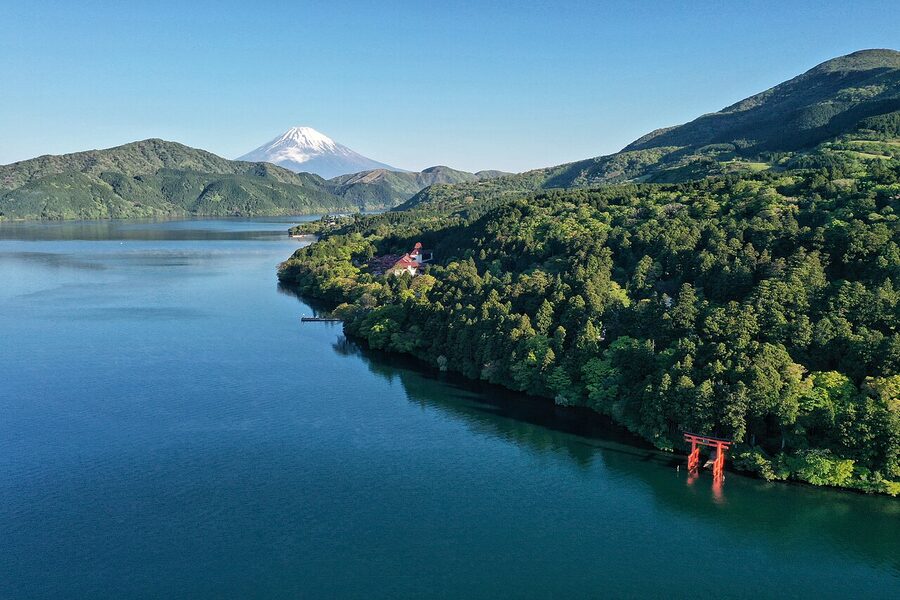
Hakone gets touristed within an inch of its life. It is an hour and a quarter from Shinjuku on the Romance Car, the onsen are the best within day-tripping range of Tokyo, and the official tourism site has spent decades polishing the Hakone Round Course (also called the Hakone Loop, or in Japanese the Hakone Golden Course) into something that reads like a checklist. Train, bus, ropeway, pirate ship, cable car, train. By the time you have done all six modes of transport you have spent six hours queuing and you can write a paragraph about each, but you have not actually looked at anything for longer than ten minutes.
This piece is the contrarian one. Skip half the round course. Build the day around two anchors, Owakudani in the morning and Lake Ashi at midday, with a long lunch and one museum and the train ride home. You will see more of Hakone, more of Mt. Fuji, and you will not end the day with that flat, transactional feeling of having ticked something off.
In This Article
- Why most Hakone day trips disappoint
- The classic round course versus the unhurried day
- What I would actually do with one day in Hakone
- Owakudani, but not at the wrong time
- Lake Ashi: do the crossing in the right direction
- The Hakone Shrine itself, briefly
- Pick one museum, not three
- What to skip and why
- Hakone Free Pass math (verified May 2026)
- The Romance Car booking calculus
- Lunch that justifies the train ride
- Where to actually base yourself if you splurge for an overnight
- Sengokuhara, if you go in autumn
- Best time to come, briefly
- Combining Hakone with Mt. Fuji
- Practicalities
- The take, plainly
Why most Hakone day trips disappoint
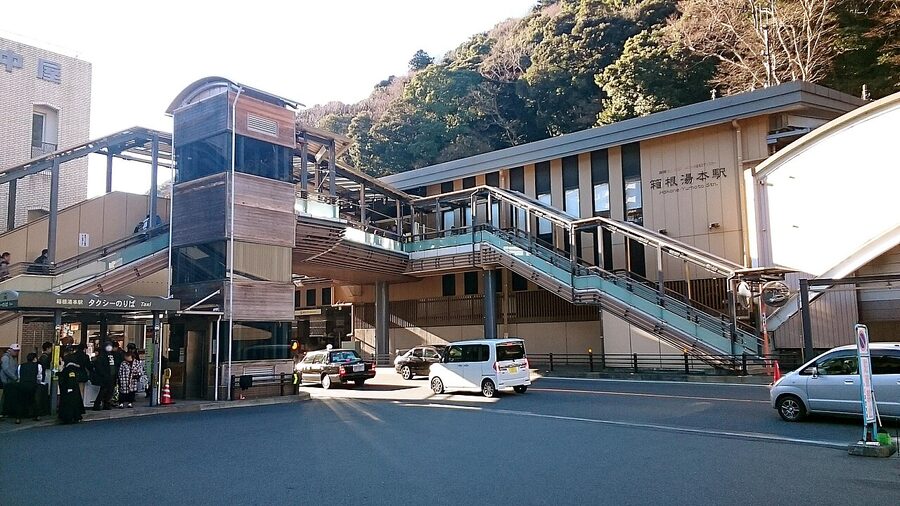
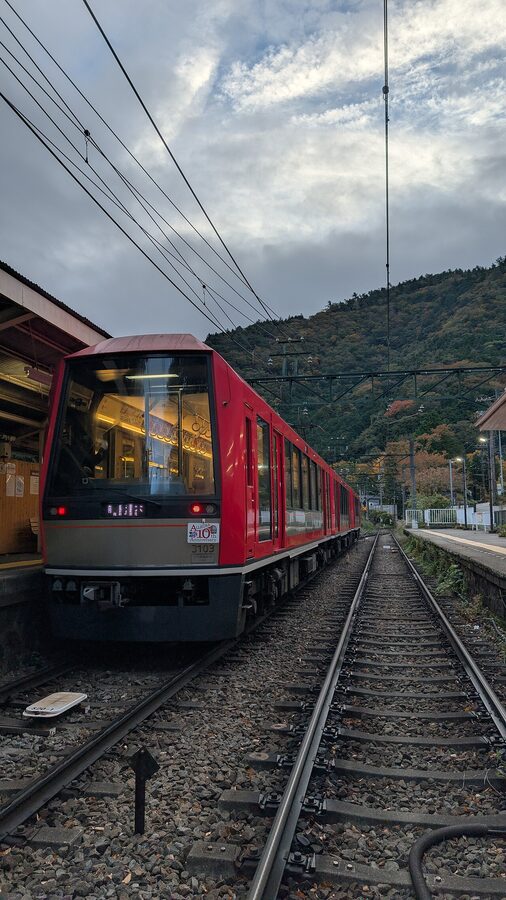
The geometry of the round course is what kills it. From Hakone-Yumoto you take the Hakone Tozan Railway up to Gora (40 minutes if everything connects, longer if not), then a separate cable car up to Sounzan (10 minutes plus a wait), then the ropeway over Owakudani down to Togendai (about 30 minutes plus a queue), then the pirate ship across Lake Ashi (40 minutes), then a bus back to Hakone-Yumoto (around an hour). Add wait time at every transfer. That is five and a half to six hours of moving, before you have stopped to do anything.
The real cost is not the time. It is that the visibility window for Mt. Fuji from Hakone is narrow. On a typical clear day in summer or autumn, Fuji is visible from Lake Ashi roughly between 06:30 and 10:00, after which thermal lift pushes a layer of cumulus up the south flank and the summit clouds over for the afternoon. Winter and spring have wider windows, but they have weather days too. If your itinerary puts you on the lake at 14:00 because that is when the ropeway-then-ferry sequence dumps you out, you have missed the part of the day Mt. Fuji actually shows up. People then complain they did not see Fuji from Hakone, and conclude the views are overrated. They are not. The schedule is.
The second issue is that the ropeway runs in fog. The ropeway from Sounzan to Togendai climbs over Owakudani, the volcanic valley, at around 1,000 metres. On a humid day the cloud sits on the ridge and the cabin disappears into white milk for the entire crossing. You pay for a ride you cannot see, and Owakudani Station, the high point on the route, is sometimes closed entirely when sulphur readings spike. Hakone is an active volcano. The 2015 eruption shut the upper ropeway and Owakudani for the better part of a year. Smaller closures happen most years. Check the operator’s status board the morning of the trip, not the day before.
Third issue, and this one is structural: the Hakone Tozan Railway is charming and slow. It is a switchback line that reverses direction three times to climb the gradient, and any travel writer in love with rail will tell you it is worth the ride for its own sake. They are not wrong. But it is also the slow leg in a day where you are already short of hours, and most day-trippers ride it twice (up to Gora, back down to Yumoto). Once is enough. Some people will choose to drop it entirely, ride the bus straight up to the lake, and only take the Tozan on the way home if there is time.
The classic round course versus the unhurried day
Here is the comparison at a glance, before the breakdown by section. Both itineraries assume an early Romance Car from Shinjuku and a late afternoon return.
| Approach | Stops | Roughly how long | Best for |
|---|---|---|---|
| Classic Round Course | Tozan Railway, Cable Car, Ropeway, Pirate Ship, Bus back | 9 to 10 hours, mostly in transit | First-timers who want every mode of transport ticked |
| The unhurried day (this piece) | Bus or Tozan to Gora, ropeway to Owakudani, ferry one-way to Motohakone, ryokan lunch, museum, bus back | 9 to 10 hours, more of it standing still | Travellers who want to actually see Mt. Fuji and eat properly |
| Onsen-first day trip | Bus to Sengokuhara, daytime onsen, lunch, Lake Ashi, return | 8 to 9 hours | Anyone for whom a long bath beats a checklist |
| Overnight stay | Pick one neighbourhood, base in a ryokan, Hakone over two days | Two days plus one night | The honest answer for most people |
The overnight option keeps coming back because it is the most truthful answer for most travellers. I will get to it. But day trips are real, and the rest of this piece assumes you have already decided to do one.
What I would actually do with one day in Hakone
A schedule that works. Adjust the times by 30 minutes either way depending on which Romance Car you catch.
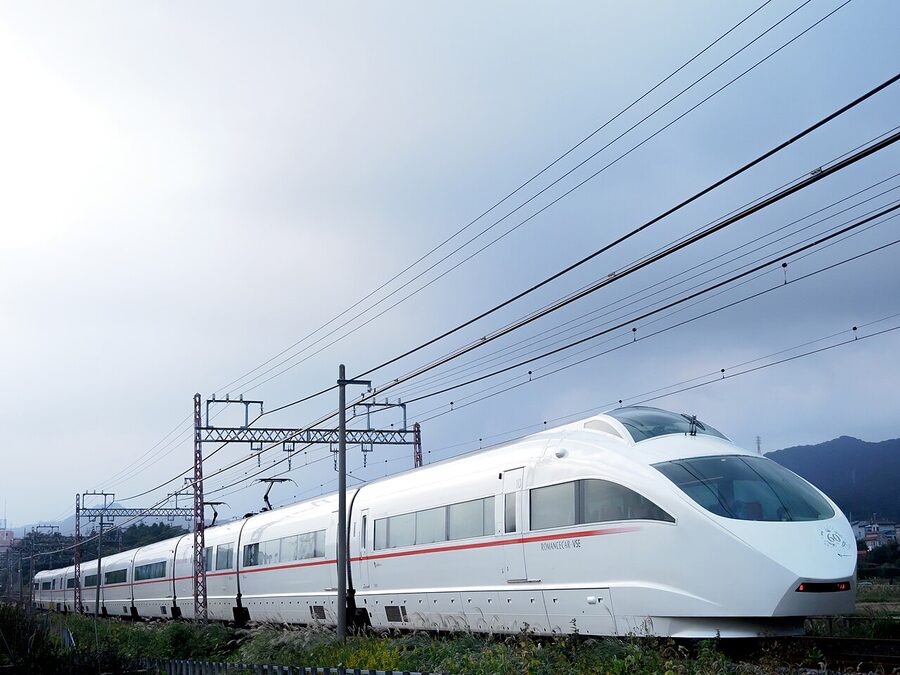
- 07:00. Romance Car from Shinjuku to Hakone-Yumoto. About 85 minutes. Drink the convenience-store coffee you bought at the station before boarding. The conductor will not appreciate you eating an onigiri loudly, but no one minds either.
- 08:25. Arrive Hakone-Yumoto. Do not queue for the Tozan line. Walk through the station and out the front exit to the bus stand on the right.
- 08:35. Take the H bus or T bus (Hakone Tozan Bus, lines marked T or H) headed for Togendai-ko or Sengokuhara. Around 40 minutes uphill. Stay on until Togendai-ko, the lake-end terminal of the ropeway.
- 09:20. Buy ropeway entry if you do not already have a Free Pass. Take the ropeway one-way to Owakudani Station, around 16 minutes. The morning light over the volcanic valley is harsher than at sunset, but the visibility is better.
- 09:40. Owakudani. Walk the short trail. Eat one black egg. Be back at the station within 50 minutes.
- 10:30. Ropeway back the same direction, towards Togendai. Skip the round-course leg over to Sounzan and the Gora cable car.
- 10:55. Pirate ship from Togendai across Lake Ashi to Motohakone. The right direction matters; more on this below. Around 30 minutes.
- 11:30. Motohakone. Walk the avenue of cedars to the Hakone Shrine torii on the lake. Touch the gate, take the photo, walk back through the village.
- 12:30 to 14:30. Lunch. Long. At one of the ryokan that take day-use bookings (named below).
- 14:45. Bus from Motohakone-ko back towards Hakone-Yumoto, with a stop at the Open-Air Museum if you want one museum (about 20 minutes off the route). Skip if you would rather end on the lake.
- 17:30. Romance Car back to Shinjuku. Be on the platform by 17:15, the seats fill at the weekend.
That is eight hours on the ground, three of them stationary at lunch and at the lake. You skip the Tozan Railway up, the cable car, and the ropeway-pirate-ship loop in its full form. You see Mt. Fuji from the Togendai side at the right time of morning, you cross the lake in the right direction, and you spend the middle of the day eating properly instead of queuing.
Owakudani, but not at the wrong time
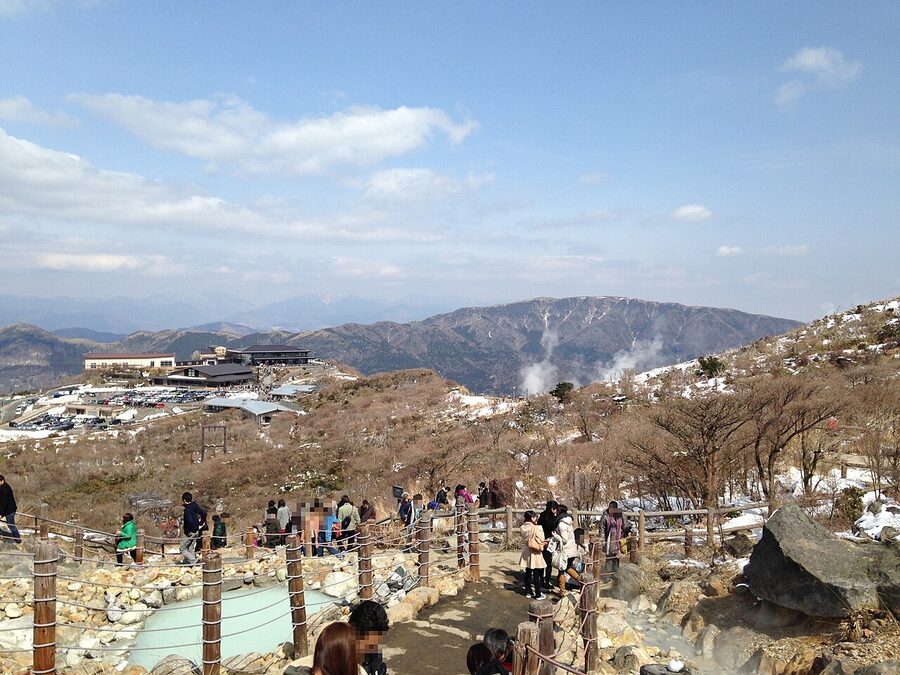
Owakudani (the great boiling valley) is what is left of the last big eruption of Hakone, around 3,000 years ago. Sulphur fumaroles, volcanic gas, a yellow-streaked hillside, and a station perched at the top of the ropeway with a souvenir shop and the famous black eggs. Reachable directly by ropeway, or via the volcanic-area road from the Sengokuhara side.
The thing the official guides do not quite say is that Owakudani is best in the first hour after the ropeway opens, and notably worse in the middle of the day. Reasons: the queue at the cable-car-to-ropeway transfer can hit 45 minutes by 11:00, the visibility down into the active fissures dims as the haze builds, and the souvenir hall fills with the same bus tours you are trying to avoid. Aim to be at Owakudani by 09:30 and out by 10:45.
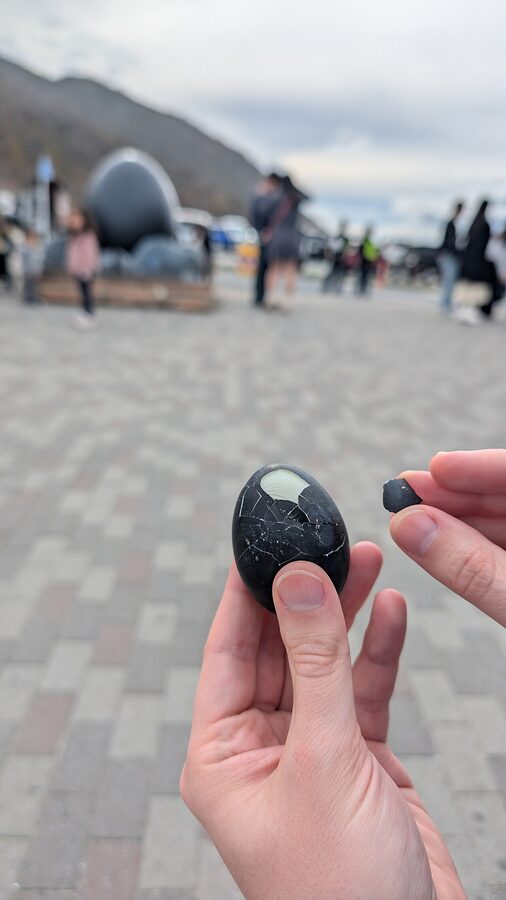
The black eggs (kuro-tamago) are sold five at a time. They are hard-boiled in the sulphur springs and the shells turn black from the sulphide reaction with the iron in the water. The flesh underneath is normal hard-boiled egg. Local lore holds that eating one extends your life by seven years. They cost 500 yen for a pack of five, and you will see the egg cooks lift them out of a basket suspended in the steaming pool. One egg is enough. Five is a stomach project.
One real warning. The ropeway and Owakudani Station close on short notice when sulphur dioxide readings spike, and they do not always reopen the same day. The ropeway operator publishes status updates each morning at hakonenavi.jp. Check before you commit to the day. If Owakudani is closed, the round course in any form falls apart, and you should either pivot to a Sengokuhara-onsen day or cancel and stay overnight a different week.
Lake Ashi: do the crossing in the right direction
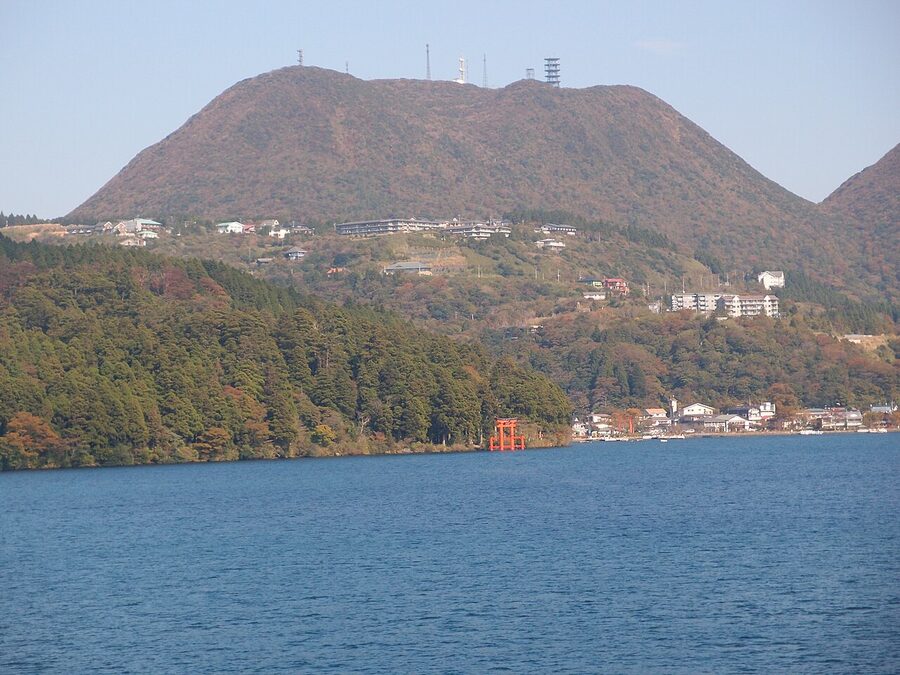
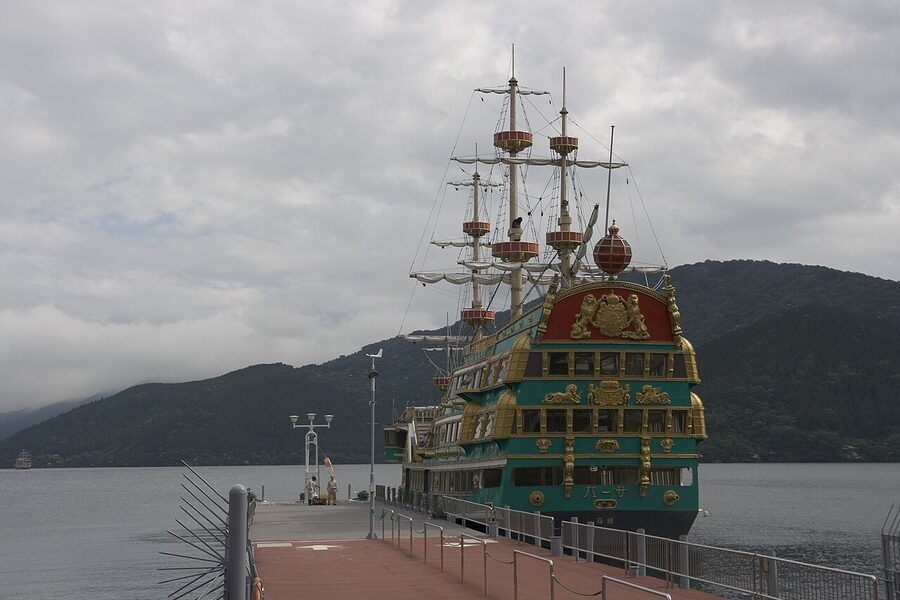
Lake Ashi (also Ashinoko) is a caldera lake formed when the Hakone volcano collapsed. It sits at 723 metres, has a shoreline of about 21 kilometres, and on a clear morning it gives you the postcard view of Mt. Fuji rising behind the Hakone Shrine torii. The cruise boats are dressed up as galleons (the Hakone Sightseeing Boats, Hakone Kaizokusen in Japanese, run by Odakyu) and they shuttle between three ports on the lake: Togendai at the north, Hakonemachi-ko in the south, and Motohakone-ko a mile from Hakonemachi.
The crucial detail almost no English guide mentions: do the crossing from Togendai south, not the other way. Togendai sits at the north end of the lake. Mt. Fuji is north-west. From a boat heading south, Fuji is over the right shoulder and stays in view for the entire 30-to-40-minute crossing. From a boat heading north out of Hakonemachi, Fuji is in front of you for the first ten minutes and then behind you for the rest, and most people do not realise to keep checking the rear deck. Half the disappointed Lake Ashi reviews online (the “couldn’t see Fuji from the boat”) are this exact mistake.
If you are following the unhurried itinerary above, Togendai to Motohakone is built in. If you do a different version, even just to start at Hakonemachi for an early lunch, take the boat to Togendai first and then come back south. The lake is small enough that an extra hour on the water does not ruin the day.
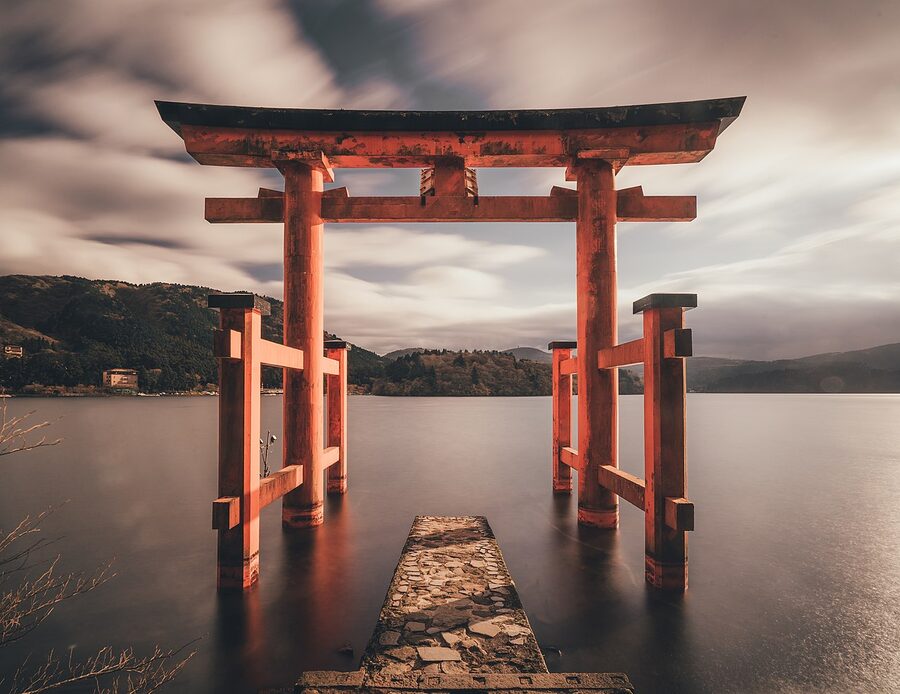
At Motohakone there is a 600-metre walking path along the old Tokaido road, lined with cedars planted in the early 1600s. It is signposted “Old Tokaido Cedar Avenue” or, in Japanese, Tokaido Sugi-namiki. The walk takes 15 minutes from the boat dock to the famous lakeside torii. This is the gate that is in every Hakone photograph, a vermilion structure standing in the water. The crowd around it during golden hour is a mob; mid-morning is calmer. If you want a clean shot, go before 11:00.
The Hakone Shrine itself, briefly
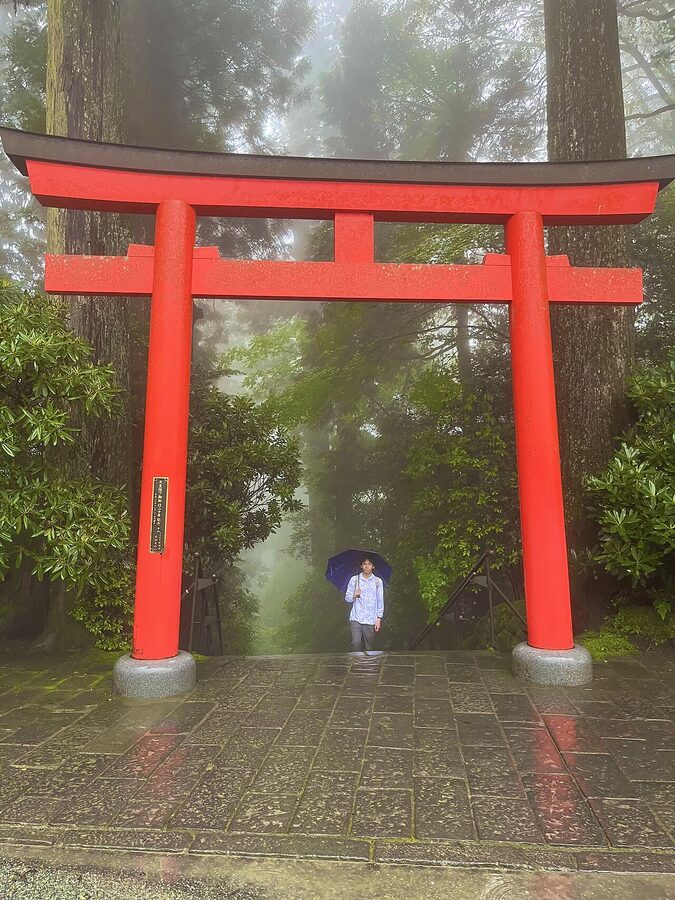
The Hakone Shrine itself, up the hill from the lakeside torii, is a quietly serious place. Founded in 757, the main hall sits in a stand of cedars away from the lake, and the path up has the kind of cool stillness that an active tourist trail does not. Twenty minutes is enough. The lakeside torii is the photo; the main hall is the visit.
Pick one museum, not three
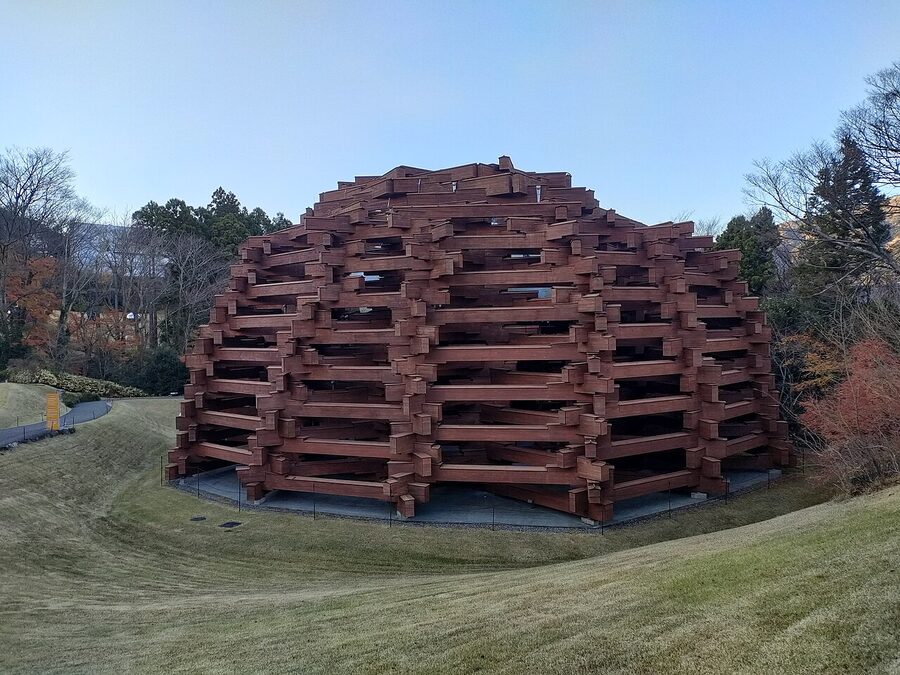
Hakone has somewhere between eight and twelve museums depending on how you count, and on a day trip you can fit one. Maybe one and a half. Trying to fit three is what makes the round course feel like a forced march.
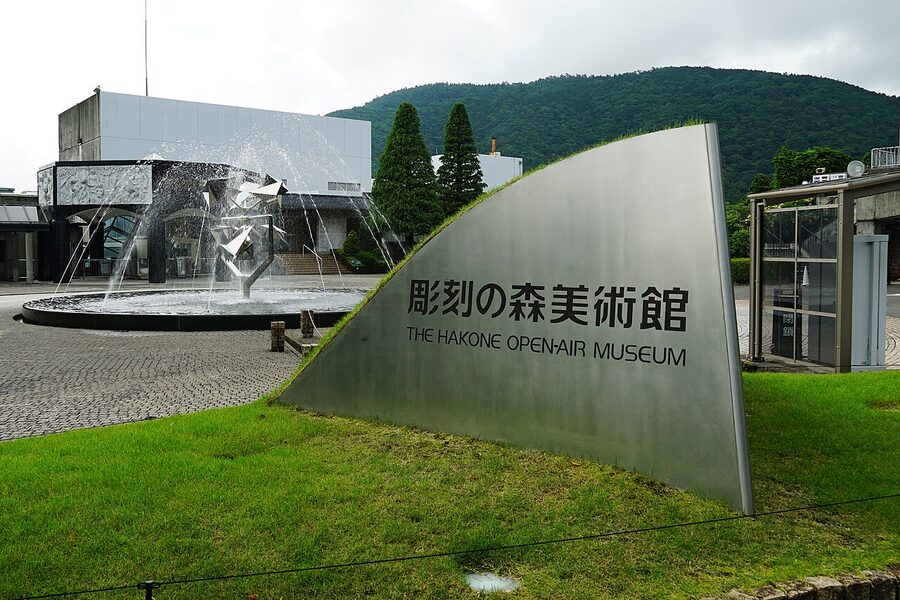
The Hakone Open-Air Museum (Chokoku-no-Mori Bijutsukan) is the right default. It opened in 1969, has roughly 70,000 square metres of grounds along a hillside above Ninotaira, and houses outdoor sculptures by Henry Moore, Carl Milles, Niki de Saint Phalle and Antony Gormley, plus a covered Picasso pavilion with around 300 works. Hours 09:00–17:00 daily, last admission 16:30. Admission verified May 2026: adults 2,000 yen at the door, 1,800 yen with the web ticket. With the Hakone Free Pass you get a small discount, around 200 yen off. Allow two hours minimum, three to do it justice. Reachable in five minutes on foot from Chokoku-no-Mori Station on the Tozan line, the stop just before Gora. Useful link: Hakone Open-Air Museum official site.
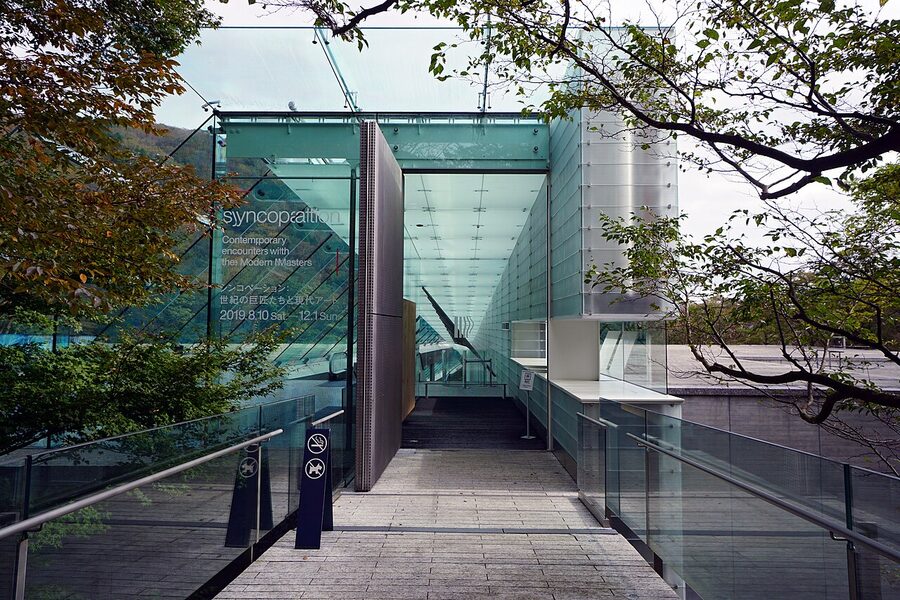
The alternative: the POLA Museum of Art in Sengokuhara. It is the cosmetics company’s private collection (Suzuki Tsuneshi spent 40 years assembling it), strong on French Impressionists and modernists, with rotating exhibitions that are often more current than what you will see in central Tokyo. The building itself is half buried in the forest above Sengokuhara, an architecturally graceful glass-and-concrete piece by Yasuda Atelier that earned an SD Review prize. Reachable by Hakone Tozan Bus from either Togendai or Gora; allow 30 minutes for the connection. Hours 09:00–17:00. Adult admission around 2,200 yen. The downside is that it is away from the lake and the round course, so it is a one-museum day rather than a museum-plus-elsewhere day.
The other museums in the area are real but rarely the best use of a day-trip slot:
- Hakone Museum of Art (Hakone Bijutsukan) in Gora. Modest collection of Japanese ceramics, but the moss garden behind the museum is the actual draw and is the best moss garden in Hakone, especially in the rainy season.
- Lalique Museum in Sengokuhara. Niche if you care about glass. Otherwise skippable.
- Hakone Glass no Mori (Venetian glass museum) in Sengokuhara. Small, themed, photogenic. Day-trippers I know who liked it had small children. Day-trippers who did not were grumpy.
- Okada Museum of Art in Kowakidani. East Asian art, expensive admission (2,800 yen). Worth it if you have a half-day.
- Pola, Open-Air, Glass, Lalique combo passes: the 2,700 yen combined ticket for the Lalique and POLA is not bad maths. Skip the rest.
What to skip and why
The honest verdicts.
The Hakone Tozan Cable Car, the funicular from Gora up to Sounzan, is a 10-minute ride on a 45-degree slope. It is fine. There is nothing at Sounzan worth getting off for. You ride it because the round course tells you to, then you queue at the top to switch to the ropeway. Skipping the cable car saves 30 minutes of queue-and-ride, which buys you most of a long lunch.
The full pirate ship loop, Togendai to Motohakone and back to Togendai, charges you twice and gives you the same view in reverse. Pick one direction. The unhurried itinerary above does the south leg only.
The Hakone Botanical Garden of Wetlands in Sengokuhara is excellent in late June and early July (irises, bog plants), and uninspiring in any other month. Locals love it. Day-trippers, if you are not in iris season, skip.
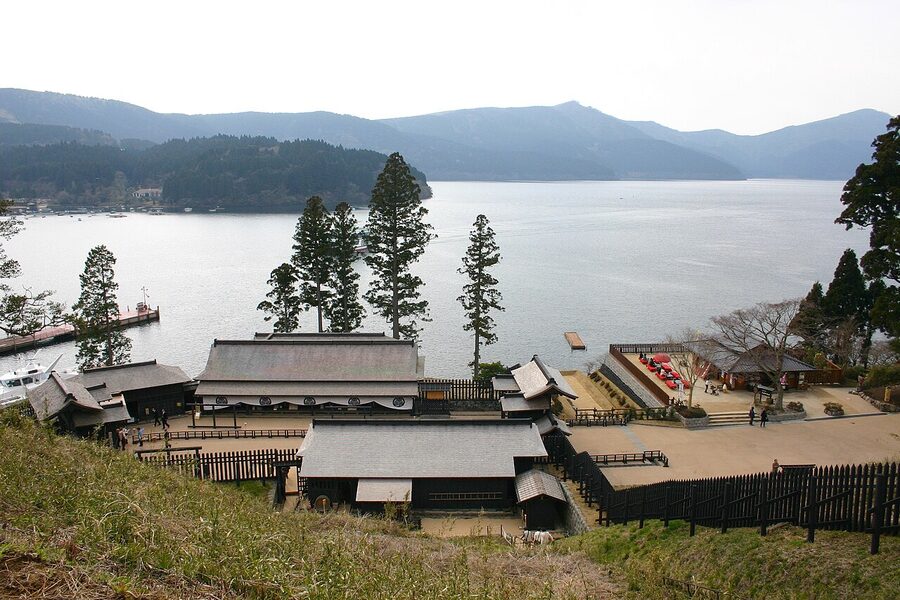
The Hakone Checkpoint Museum (Hakone Sekisho) is reconstructed from old plans. The original Tokaido checkpoint stood on this spot from the 1610s to 1869, and held travellers up while they were searched for fleeing daimyo wives or smuggled weapons. Reasonably interesting if you have an hour. Definitely skip if you do not.
Komagatake Ropeway on the eastern shore of Lake Ashi is a separate ropeway from the famous one. It goes up to a Mt. Komagatake summit shrine. On a clear day the view is the equal of anything in Hakone; on a normal day it is a 25-minute round trip into low cloud. Day-trippers can almost always skip; it is not on the Free Pass and the bus connection from Hakonemachi adds 25 minutes. If you are staying overnight, it is a good half-morning.
Hakone Free Pass math (verified May 2026)
The Hakone Free Pass is the discount ticket Odakyu sells, sold in 2-day and 3-day versions. As of May 2026, verified on odakyu-global.com, the prices from Shinjuku are:
- 2-day Hakone Free Pass from Shinjuku: 7,100 yen adult, 1,250 yen child. This is the standard day-trip pass even if you are only there one day. There is no 1-day version that is cheaper.
- 3-day Hakone Free Pass from Shinjuku: 7,500 yen adult.
- Mt. Fuji Hakone Pass (3-day): 11,100 yen. Adds the Fuji Five Lakes side. Good if you are doing both regions in one trip.
- Hakone Kamakura Pass (3-day): 8,520 yen. Adds Kamakura. Convenient if you are combining the two day-trips.
- Romance Car limited express surcharge: 1,200 yen each way from Shinjuku. Not included in the Free Pass.
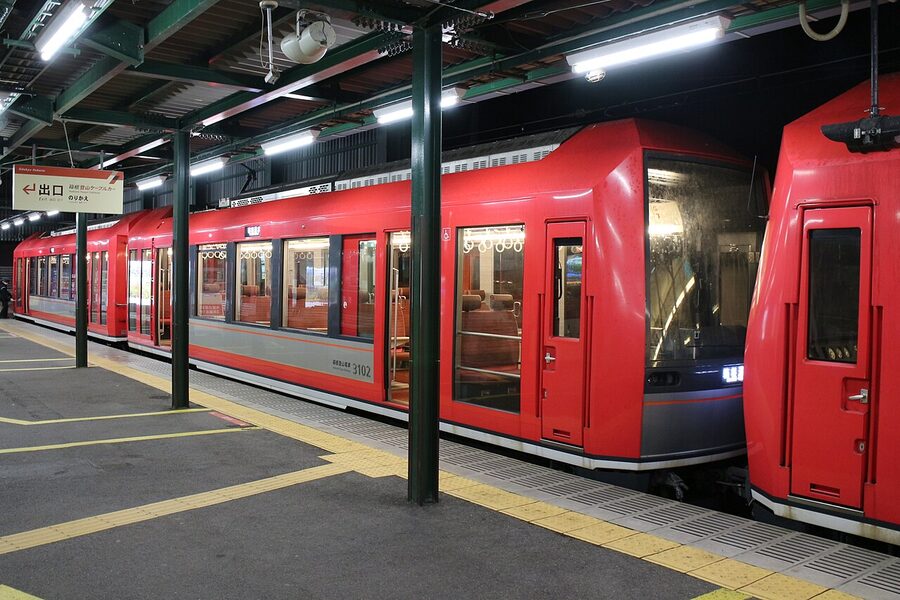
What the Pass covers: round-trip rapid express from Shinjuku to Odawara on the Odakyu Line, then unlimited use of the Hakone Tozan Railway, Hakone Tozan Bus, Tozan Cable Car, Hakone Ropeway, Hakone Sightseeing Boats (the pirate ships), and a couple of smaller bus lines. Plus discounts (typically 100 to 300 yen) at most museums.
The maths question: is it worth it? If you do the full round course, the answer is unambiguously yes; the individual fares add up to over 9,000 yen and you would pay it without thinking. If you do the unhurried itinerary above, the maths are tighter. A one-way pirate-ship ticket plus one ropeway segment plus a Tozan Bus ticket plus the Odakyu round-trip from Shinjuku might come to 6,500 to 7,000 yen on its own, so the Pass still pays for itself just barely, plus it gets you the museum discounts. I buy the Pass every time. It is also a single piece of paper, which means no fumbling with cash at every transfer.
One detail. The Pass is sold both at the Odakyu Sightseeing Service Center at Shinjuku’s West Ground Gate, and online via the Odakyu site or Klook. The online price is around 250 yen cheaper than the counter price for foreign visitors. You collect the physical pass at the same Shinjuku counter on the morning of travel. Worth doing the day before if you are staying nearby. Useful link: Odakyu Hakone Free Pass. The Klook listing is at Klook Hakone Free Pass; price tends to match the online Odakyu price.
The Romance Car booking calculus
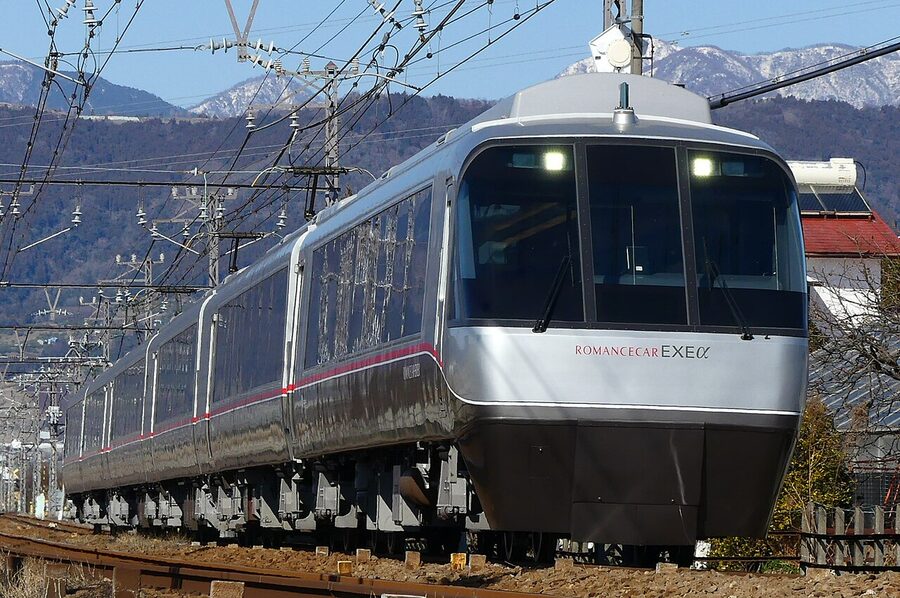
The Romance Car is Odakyu’s reserved-seat limited express from Shinjuku to Hakone-Yumoto direct, no transfer at Odawara. Verified May 2026 on odakyu.jp, the surcharge is 1,200 yen each way on top of the Free Pass (so 2,400 yen return for a day trip). The trip takes around 80 to 85 minutes, vs around 110 minutes on the rapid express plus the Tozan transfer.
The maths question is whether 30 minutes saved each way is worth 2,400 yen. For a day trip, almost always yes. The morning train matters most: arriving at Hakone-Yumoto at 08:25 instead of 09:20 buys you the Mt. Fuji visibility window, which is the single biggest difference between a good Hakone day and a frustrating one. The afternoon return is more of a comfort question, and there I would say take the cheaper rapid express if the schedule fits, or take the Romance Car if it gives you a clean run home without a transfer.
Booking. Romance Car seats sell out at weekends, especially in autumn-foliage season (early November) and during cherry blossom (late March, early April). Book the morning train two or three days ahead via the EMot mobile app or odakyu.jp. The web booking lets you pick a seat, and seat A on the right of car 1 looking forwards has the best Mt. Fuji glimpse around the Atsugi-Isehara stretch.
Lunch that justifies the train ride
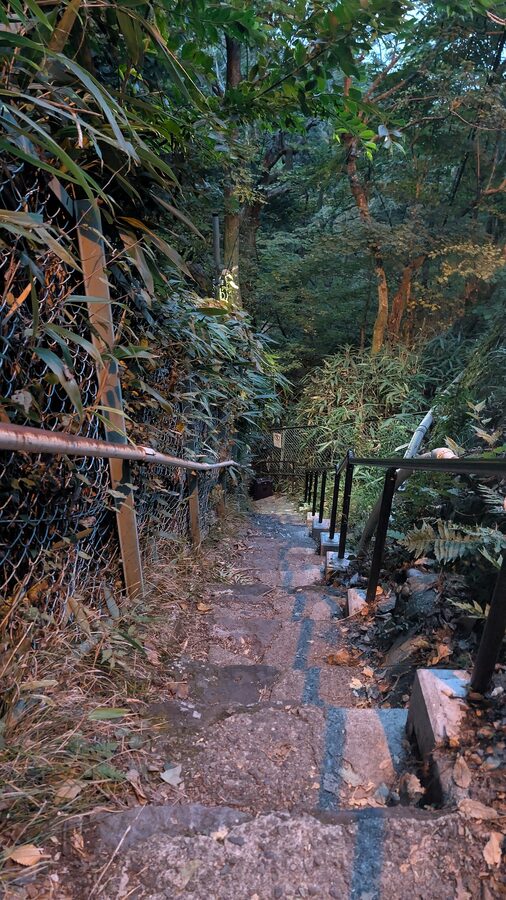
The strongest argument for slowing down the day is lunch. Hakone has a tradition of higaeri ryokan-shokuji (day-use ryokan lunch), where high-end inns sell lunch packages, sometimes paired with a daytime onsen, to people not staying overnight. The good ones are bookable in advance, the food is the same kaiseki you would get as a half-board guest minus dinner, and you eat in a private tatami room. This is the lunch that turns a Hakone day trip from a forced march into something worth remembering.
Three places that take advance day-use bookings and consistently deliver. Each requires reservations at least a few days ahead, weekends sometimes longer. Phone numbers and websites are easy to find via the official Hakone tourism site.
- Hakone Kamon (Hakone-Yumoto). Day-use bath plus lunch package, well-priced (typically 4,000 to 6,000 yen depending on the lunch tier). Walk-in possible on quieter weekdays. Convenient if you are starting or ending the day at Yumoto. Hakone Kamon official site.
- Yamagaso (Tonosawa). A historical inn from 1715, on the river between Yumoto and Miyanoshita. Lunch kaiseki around 7,000 yen, often with a private bath option. The old-Hakone atmosphere, exactly the way the tourism brochures want you to imagine it.
- Hatsuhana (Hakone-Yumoto). Soba, not kaiseki. Famously the best handmade soba in the Hakone area, queue at lunch, no reservations. If you would rather have a 1,500 yen bowl of soba in a riverside soba shop than a 7,000 yen kaiseki, this is the call. Closed Wednesdays.
For a Motohakone-side lunch closer to the lake, the small string of restaurants along the cedar avenue offer set lunches in the 2,000 to 4,000 yen range, mostly soba, tonkatsu and yuba (tofu skin) sets. The yuba is the regional specialty and worth ordering. Avoid the lakeside chain restaurants directly opposite the boat dock, which lean on volume; walk five minutes inland for the better places.
Where to actually base yourself if you splurge for an overnight
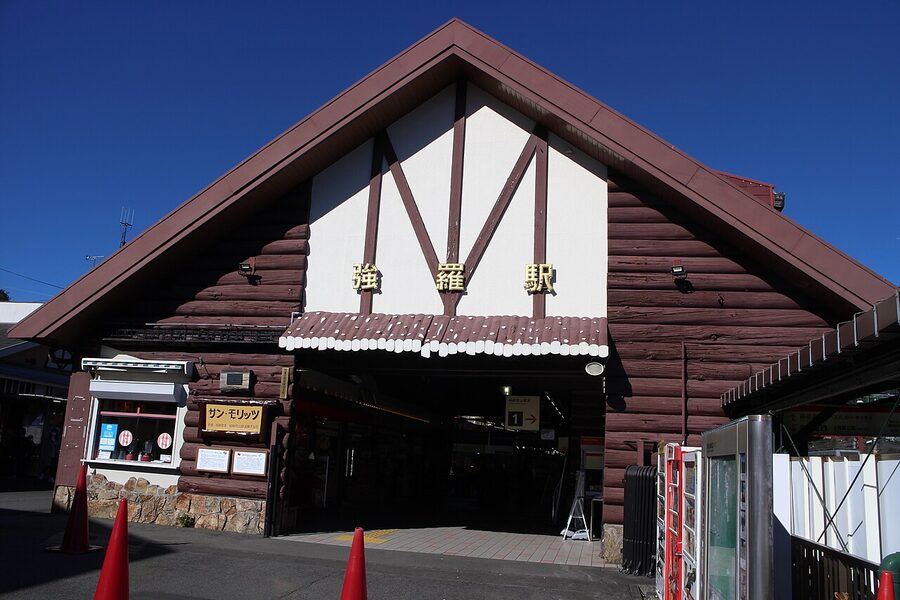
The day trip is real but the overnight is honestly the better Hakone. With a single night you can do Owakudani in the morning of day one, lunch and a museum that afternoon, a long onsen evening at the inn, then Lake Ashi and the shrine the next morning before lunch and the train home. The mornings are when Mt. Fuji shows up. A day trip gives you one morning. An overnight gives you two.
If you do convert, Gora is the right neighbourhood for a first overnight. It is mid-mountain, quiet, on the Tozan line, and within easy bus or cable-car distance of every other part of Hakone. Two properties consistently come up in trustworthy places:
- Gora Kadan. Five-star, was the imperial family’s summer villa before being converted in 1952. From around 80,000 yen per person per night including breakfast and dinner. The reference-grade Hakone ryokan stay. Book three months out. Available through Booking.com and Agoda.
- Hyatt Regency Hakone. Modern hotel, Western-style, sits in the forest above Gora with private onsen baths in some rooms. From around 35,000 yen per night. The right call if a tatami room and a 04:30 breakfast call do not appeal. Available on Booking.com.
For a lakeside overnight, look at Ryuguden on the south shore of Lake Ashi (the lake-view rooms have Mt. Fuji from the futon, weather permitting), or any of the smaller inns at Sengokuhara for an onsen-and-pampas-grass focus. The hub piece on Mt. Fuji covers the Fuji-side overnight options if you would rather base in the Fuji Five Lakes and treat Hakone as the day trip from there.
Sengokuhara, if you go in autumn
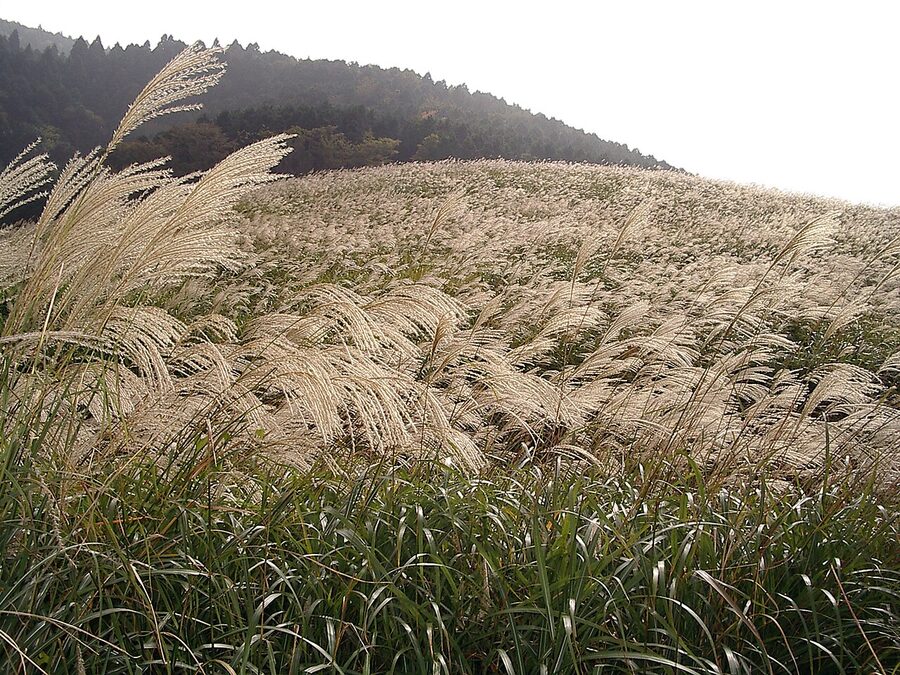
Sengokuhara is the high plateau north-west of Owakudani, best known for its susuki (pampas grass) field. Late October to early November the entire field turns silver-gold and a 30-minute walking trail cuts through it. There is a small dedicated bus stop (“Sengoku-Kogen”) on the H-route Tozan Bus, and the trail is essentially flat. If you are going in autumn, this is the one Hakone detour worth dropping the round course entirely for. Outside autumn, Sengokuhara is mostly residential; come for the POLA Museum or the Lalique Museum and skip the field.
Best time to come, briefly
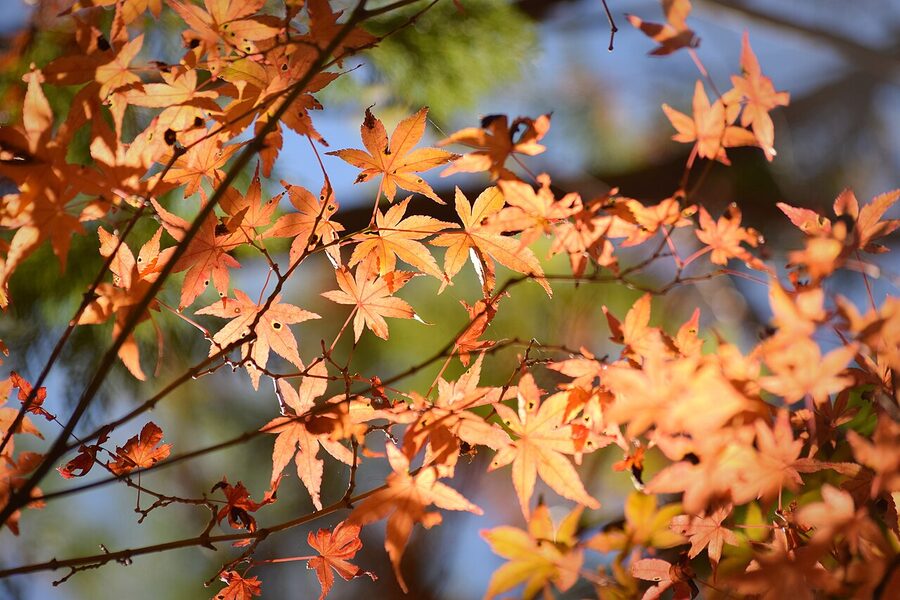
Hakone is a year-round destination, but the seasons matter.
- April. Cherry blossoms along the Hakone-Yumoto river. Crowded. Beautiful.
- Early to mid June. Hydrangeas (ajisai) along the Tozan railway tracks. The line earns its nickname “the hydrangea train” in this fortnight; trains slow down at the best stretches.
- Late July to August. Hot and humid in Tokyo, mild in Hakone (the elevation helps). Fuji-visibility is mediocre on most days.
- October to mid November. The single best season. Susuki at Sengokuhara, momiji (autumn foliage) at the Open-Air Museum, clearer Fuji days, lower humidity. Weekends are mob scenes; weekdays are merely busy.
- December to February. Cold, clear, far quieter. Highest probability of seeing Fuji from Lake Ashi (winter haze is much lower than summer). Onsen are at their best.
- March. Plum, then early cherry. Variable weather.
Avoid Saturdays and any Japanese national holiday. The infrastructure is sized for weekday demand and chokes on weekends; the ropeway queue can hit 90 minutes on a Saturday in October. Tuesday and Wednesday are the easiest days.
Combining Hakone with Mt. Fuji
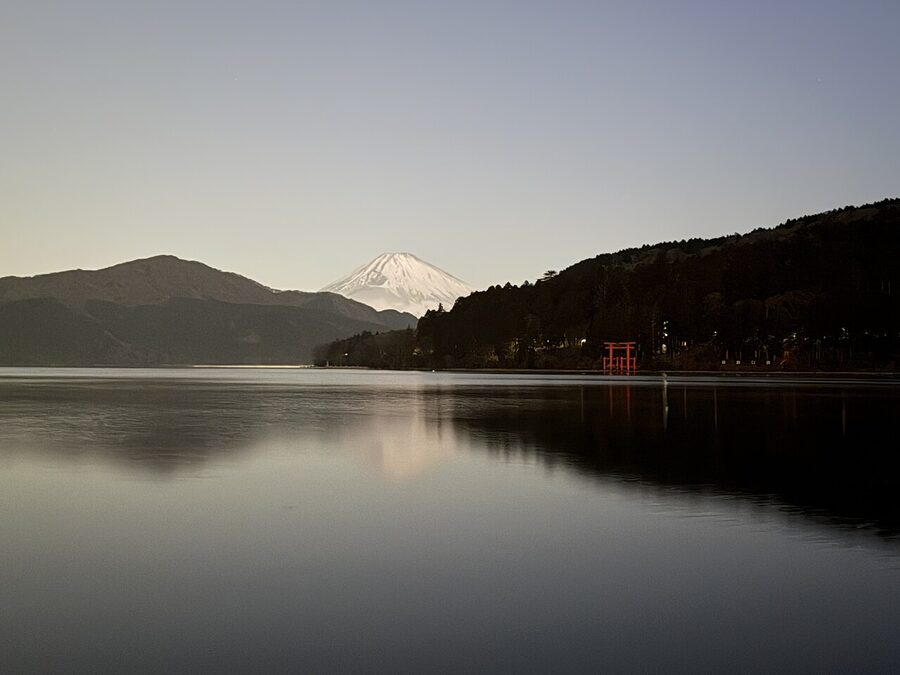
If you are trying to do Mt. Fuji as well as Hakone in the same trip, the right move is rarely doing both in one day. The Fuji Five Lakes side (Lake Kawaguchi, Chureito Pagoda, the Arakurayama view) sits over the mountain from Hakone, around two and a half hours apart by bus, and trying to combine the two in 12 hours leaves you with neither. A two-day, one-night Hakone-then-Kawaguchi loop works much better; the Mt. Fuji from Tokyo piece breaks down the routes and timings, and the Mt. Fuji climbing guide covers the summit-attempt logistics if that is where you are heading.
The best single-day Mt. Fuji view from Hakone, if you do not extend to Kawaguchi, is the one from Lake Ashi between 07:00 and 10:00. After that, the bus from Motohakone over the Hakone-toge pass to Otometoge gives you a high-elevation view back across the valley to Fuji that sometimes stays clear into the early afternoon. It is a 25-minute bus detour and worth it if Lake Ashi was clouded over earlier.
Practicalities
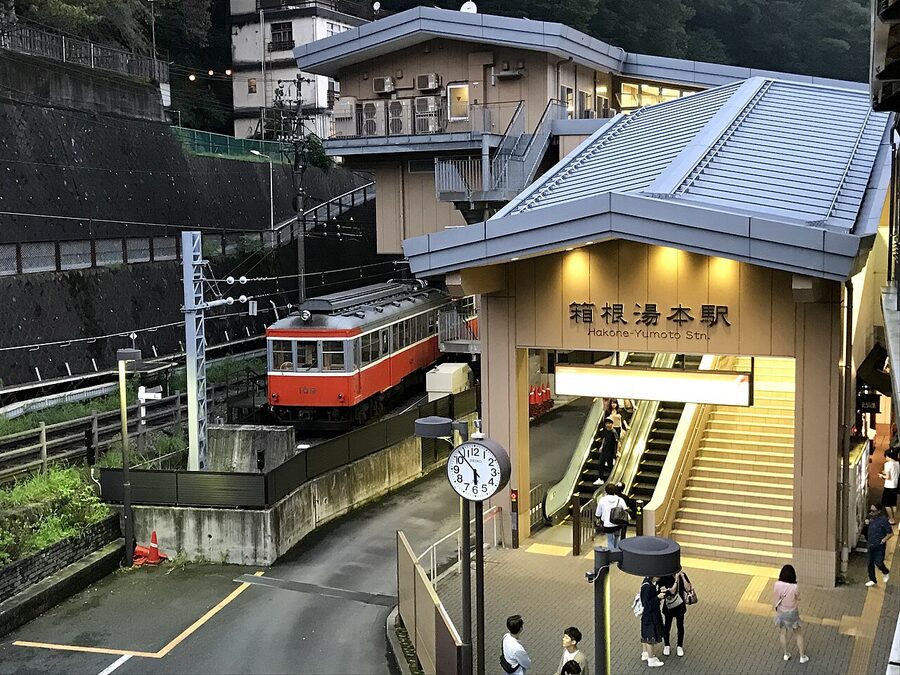
- Cash. Most ryokan, smaller restaurants, and souvenir shops still prefer cash. Carry 15,000 yen at minimum for a day. The Lawson at Hakone-Yumoto Station and the Seven Bank ATM at the station ticket gates both work with foreign cards.
- Luggage. If you are going on to Hakone after Tokyo with a suitcase, use the luggage-forwarding counter at Hakone-Yumoto Station, which delivers to most ryokan in the area by 15:00 if dropped before 10:00. Around 1,000 yen per piece. Saves you dragging a suitcase up the Tozan switchbacks.
- Coin lockers. Available at Hakone-Yumoto, Gora, Togendai, and Hakonemachi. 600 yen for a large locker. Often full at 11:00 on weekends; arrive early or use the luggage counter instead.
- Wet weather. Hakone gets serious rainfall, especially in June (rainy season) and September (typhoon season). The ropeway closes in high wind, the lake cruise still runs in heavy rain, and the Open-Air Museum becomes a more comfortable place than the lake. Pack a foldable umbrella, not a raincoat; the temperatures are usually warm enough that a coat is overkill.
- Last train back. The last Romance Car back to Shinjuku is around 21:00 on most days; the rapid express runs later but requires the change at Odawara. Do not cut it fine. The post-dinner-onsen straggler bus from Motohakone misses the last good train more often than you would think.
- Sulphur. The Owakudani sulphur smell sticks to clothing for half a day. Silver jewellery tarnishes; take it off before the ropeway. People with respiratory conditions should think twice; the operator publishes a daily concentration reading at hakonenavi.jp and closes the station above a threshold.
The take, plainly
The Hakone Round Course is sold to you by the train operator and tourism office because it touches every product they sell. It is not a bad day. It is just an exhausting one, and the schedule it forces fights the morning visibility window for Mt. Fuji that is the actual reason most foreign visitors come.
The unhurried alternative: catch the early Romance Car, take the bus straight up to Togendai instead of the Tozan-cable-ropeway sequence, do Owakudani between 09:30 and 10:45 when the queue is light, ferry south down the lake (correct direction for Fuji over the bow), photograph the torii by 11:00 before the crowd lands, eat a long lunch at one of the day-use ryokan, fit in the Open-Air Museum on the way back if you have it in you, and catch the late-afternoon Romance Car home with a coffee and the day’s photos.
Six things instead of nine. More of all of them. And if you finish the day and find you wanted more, that is the right time to consider whether next time should be an overnight. It almost always should.


.jpg)


.jpg)

