
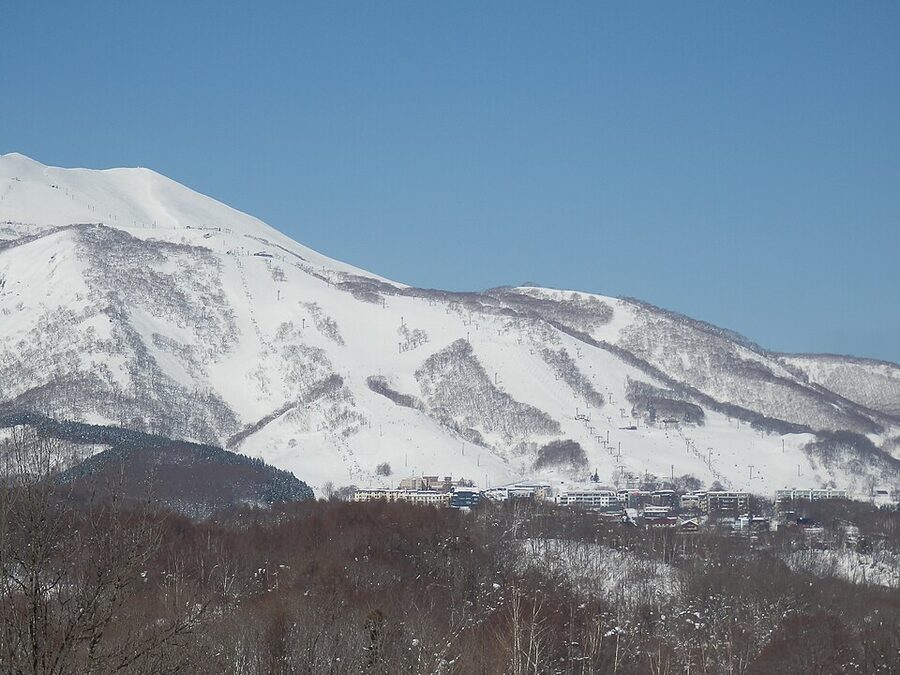
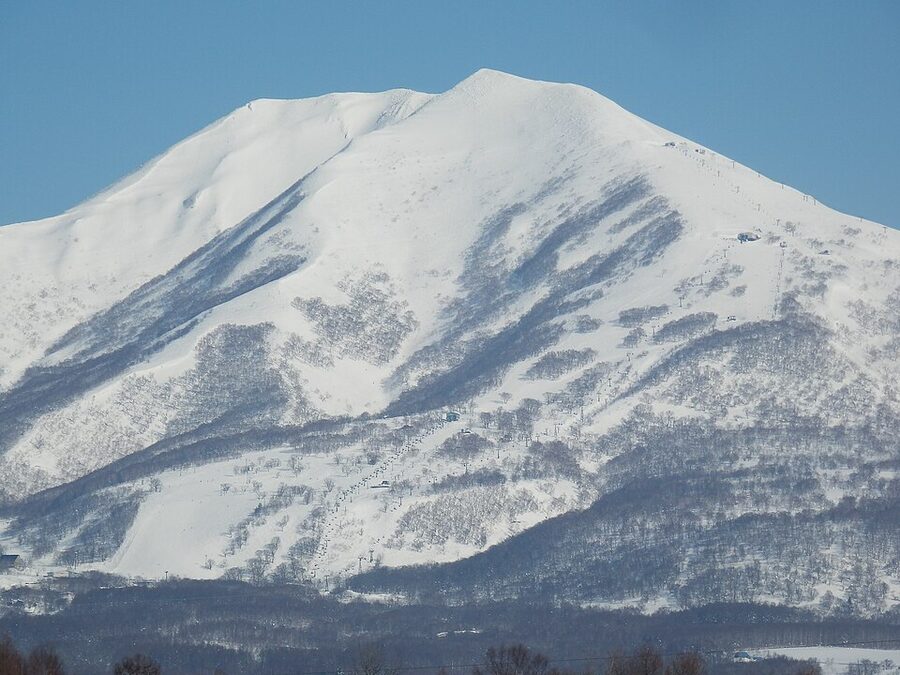
Niseko doesn’t exist. Not as a single resort, anyway. The brand-name everyone books, the place travel agents quote in glossy brochures, the mountain Australians have been pilgrimaging to since the late 1990s, all of it is shorthand for four separate ski areas operated by four different companies, sharing one mountain and one ticket if you buy the right pass. Grand Hirafu, Hanazono, Niseko Village and An’nupuri sit on the slopes of Niseko Annupuri, which tops out at 1,308m, and the only thing that joins them at booking-page level is a name.
I’m not saying that to dismiss the place. The powder is real. The reputation is earned. But the way Niseko gets sold to first-timers, as one resort with one base village and one lift system, sets up a lot of avoidable disappointment, and a lot of people end up at the wrong base for the holiday they actually wanted.
In This Article
- The four areas, told straight
- Grand Hirafu, where most travellers actually want to be
- Hirafu town, from the base up
- Hanazono, the new family wing of the mountain
- Tickets and the Black Pass
- Niseko Village, the upscale wing nobody talks about
- An’nupuri, the quietest of the four
- Annupuri lift pricing, in detail
- Moiwa, the fifth area that isn’t on the All Mountain Pass
- The powder hype, and what’s actually true
- Mount Yotei, the volcano you came to look at
- Summer in Niseko, which most people skip and shouldn’t
- Getting to Niseko, by the actual numbers
- The cost reality, with no padding
- Where to stay, opinionated
- When to come, by week
- What surprises first-timers
- The contrarian’s verdict
The four areas, told straight
One mountain, four operators. Lift-pass interchange between the four happens through the All Mountain Pass; without it you’re stuck inside one resort’s gates. Here’s the short version of who runs what and what each one is for. The longer answer is the rest of this article.
| Area | Operator | Best for | 1-day adult lift ticket (2025-26 peak) |
|---|---|---|---|
| Grand Hirafu | Tokyu Resorts & Stays | Town life, English-friendly, restaurants and bars at the base | ¥11,000 |
| Hanazono | Hanazono Niseko (PCPD-owned) | Family skiing, beginners, newest gondola, Park Hyatt at the base | ¥9,500 area-only / Black Pass extras |
| Niseko Village | YTL Hotels (Malaysian group) | Upscale ski-in/ski-out hotels, the Hilton and the Ritz-Carlton Reserve | ¥9,700 |
| Niseko Annupuri | Tokyu group | Quieter, locals-leaning, older Japanese ryokan and pensions | ¥7,000 |
| All Mountain Pass | Niseko United | Skiing the entire mountain | ¥12,000 (regular) / ¥8,400 (shoulder) / ¥6,000 (late) |
The Niseko United All Mountain Season Pass for 2025-26 is ¥175,600 for adults, with a ¥1,000 deposit on the key card. That’s a useful reference price the next time someone says Niseko is cheaper than other Hokkaido resorts. It isn’t.
Grand Hirafu, where most travellers actually want to be
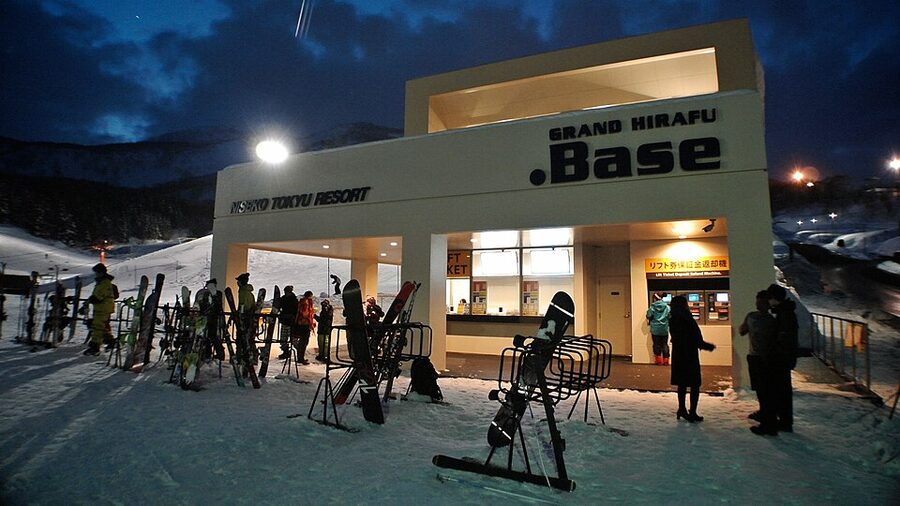
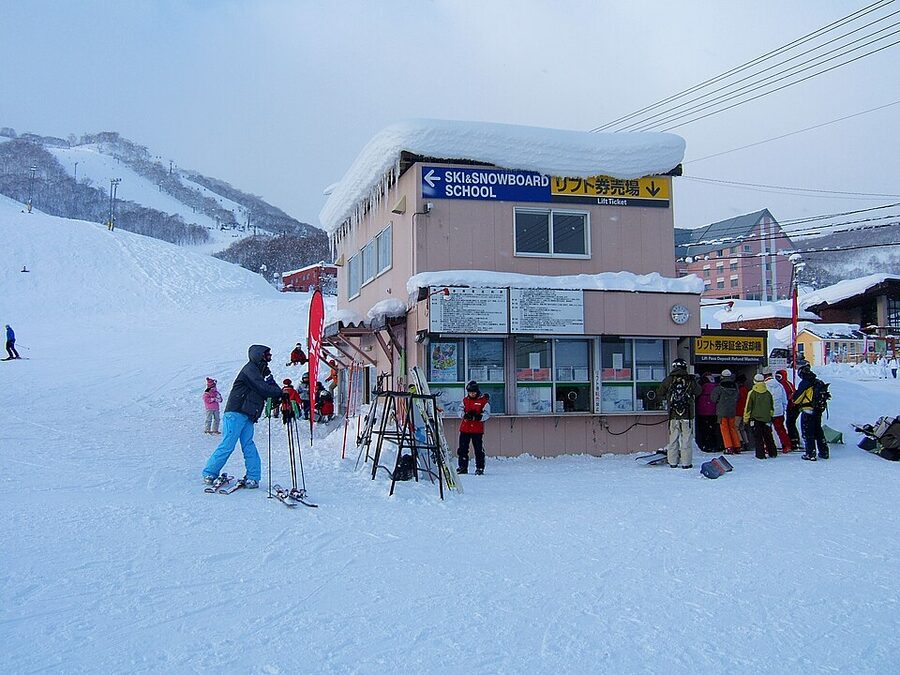
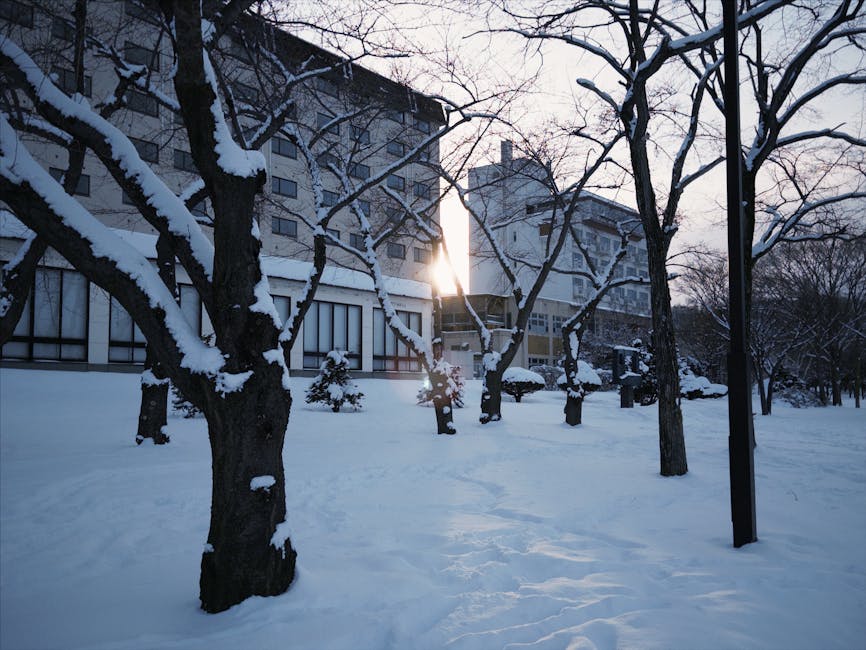
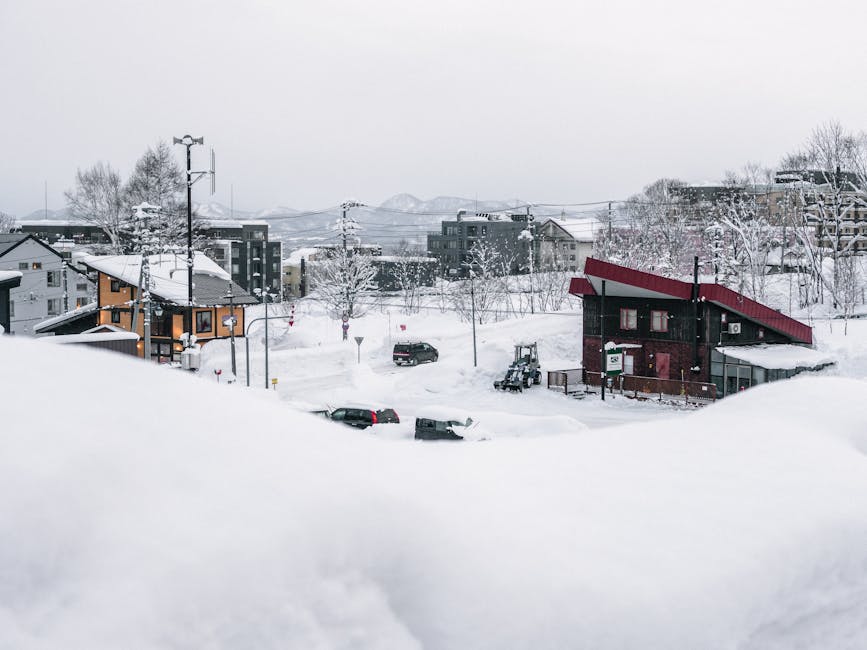
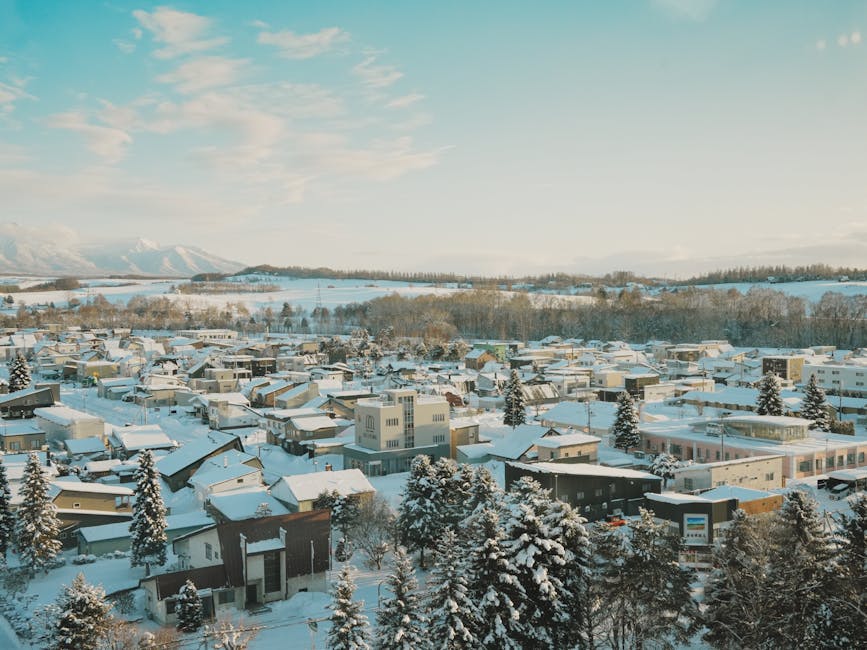
If you only know one Niseko area, it’s this one. Grand Hirafu is the largest of the four, with 13 lifts, 22 runs, and the only properly developed base village on the mountain. The town that sits below the slopes, marketed as Hirafu Village or Niseko Hirafu, is technically part of Kutchan town. It’s where the foreign restaurants are. It’s where the bars are. It’s where the rental shops, the ski schools that teach in English by default, the convenience stores that sell imported beer, and the ski-in/ski-out hotels with the highest occupancy rates all cluster.
The Hirafu town stat that comes up most often is the foreign-language one: roughly 60 per cent of restaurant menus and shop signs are in English, and on a busy late-January night you’ll hear more Australian-accented English than Japanese in the main pedestrian strip. That’s a feature if it’s your first ski trip to Japan and you don’t speak the language. It’s a slight annoyance if you came expecting cultural immersion. Manage your expectations either way.
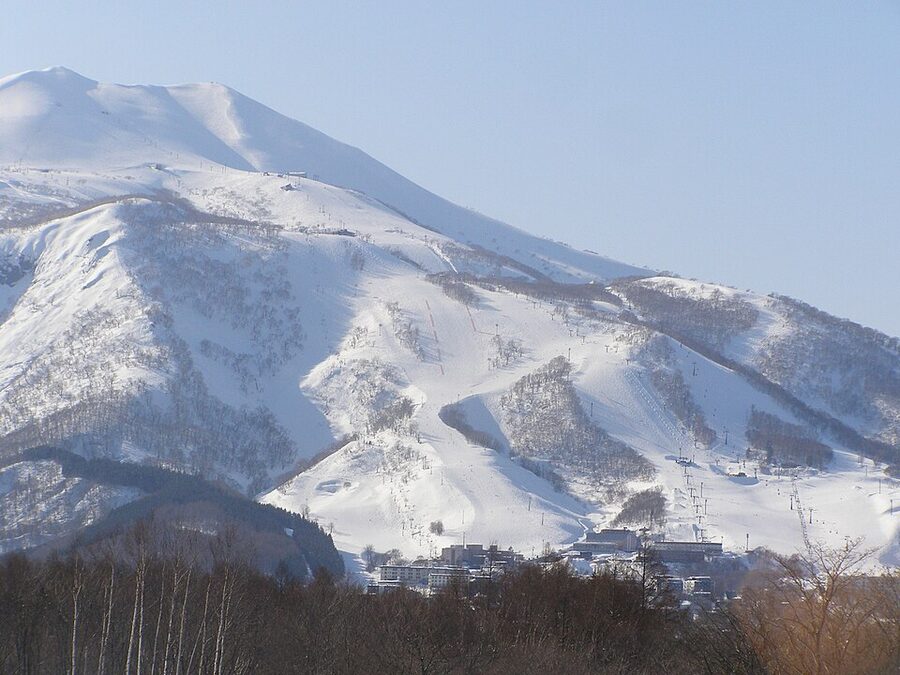
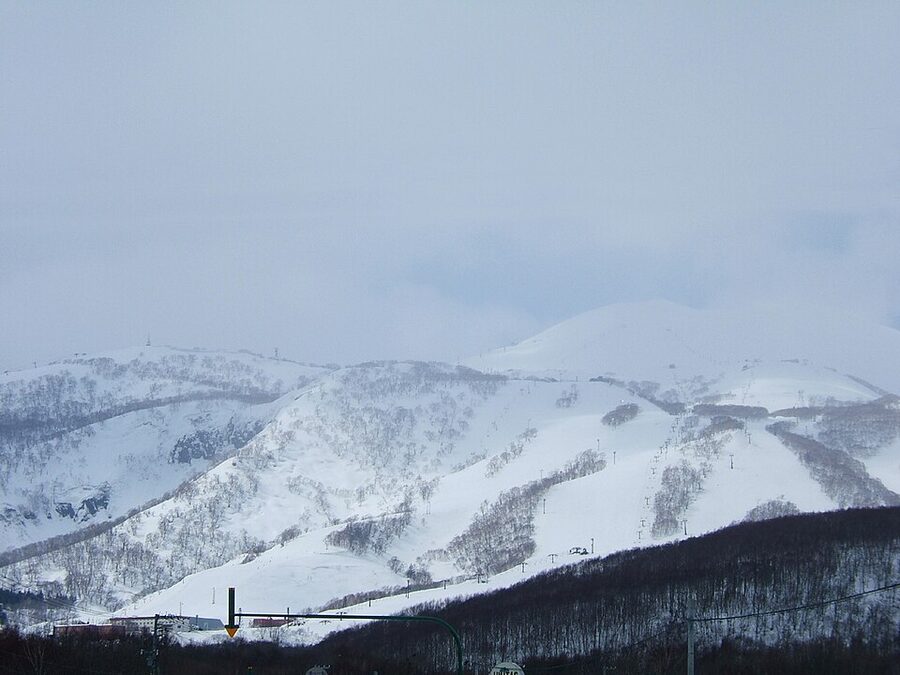
The terrain is the reason it works as a default. Forty per cent of Grand Hirafu’s runs are graded beginner, with a wide, shallow run named Bōyō (the easiest blue route) running 11 to 20 degrees of pitch. The lift system stretches up Niseko Annupuri’s east face and connects at the summit area to Hanazono’s runs and to the Niseko Village runs that drop down the south side. Buy the All Mountain Pass and you can ski from one base area to another; without it the gate scanners turn you back at the resort boundary.
Hirafu town, from the base up
The town is laid out on a slope, divided informally into Lower Hirafu (closer to Kutchan), Middle Hirafu (the main bar strip) and Upper Hirafu (where most of the ski-in/ski-out condos and the Aya Niseko hotel sit). Walking from Lower to Upper takes about 15 minutes uphill in regular conditions, longer when the snow is fresh and you’re carrying skis. The free Hirafu shuttle bus loops the town in winter from roughly 07:00 to 23:00, with one circuit every 15 to 20 minutes.
Hirafu’s restaurant scene is denser than anywhere else in Hokkaido that isn’t downtown Sapporo. There’s izakaya here, sushi here, ramen here, French here, Italian here, Indian here. The food is generally good. It’s almost always more expensive than the equivalent place in Tokyo. A bowl of Niseko miso ramen will set you back ¥1,500 to ¥2,000 against the Tokyo average closer to ¥1,000. A casual izakaya dinner with a few drinks runs ¥5,000 to ¥7,000 a head; a sit-down sushi or kaiseki place will easily clear ¥15,000 a head.
Hanazono, the new family wing of the mountain
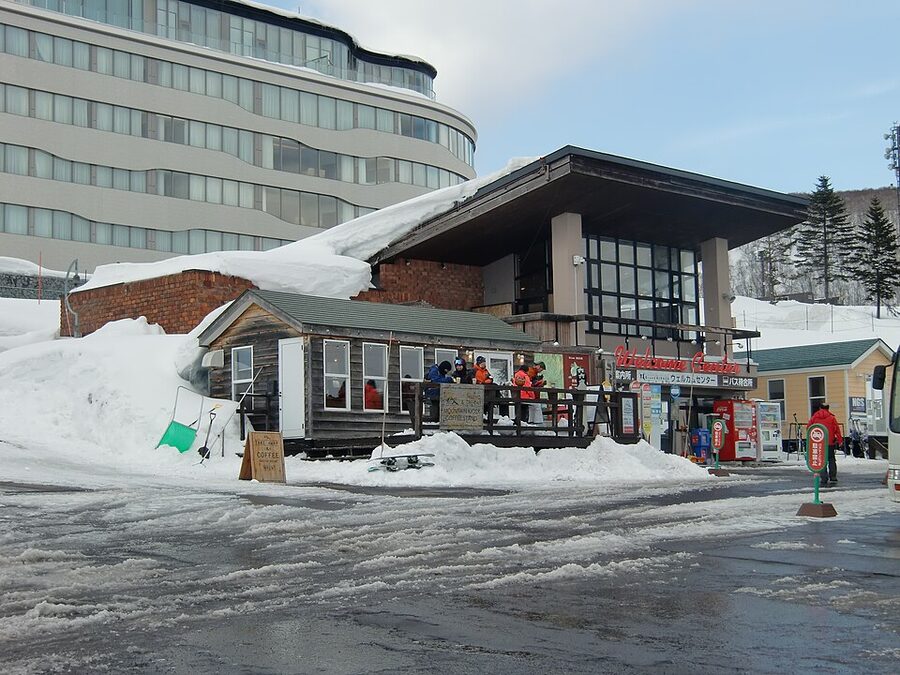
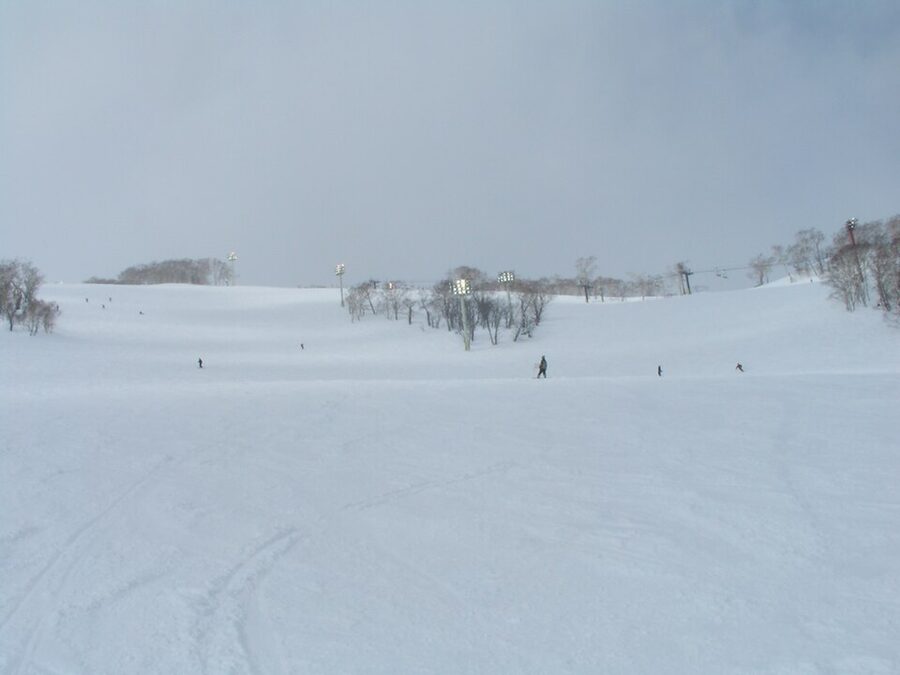
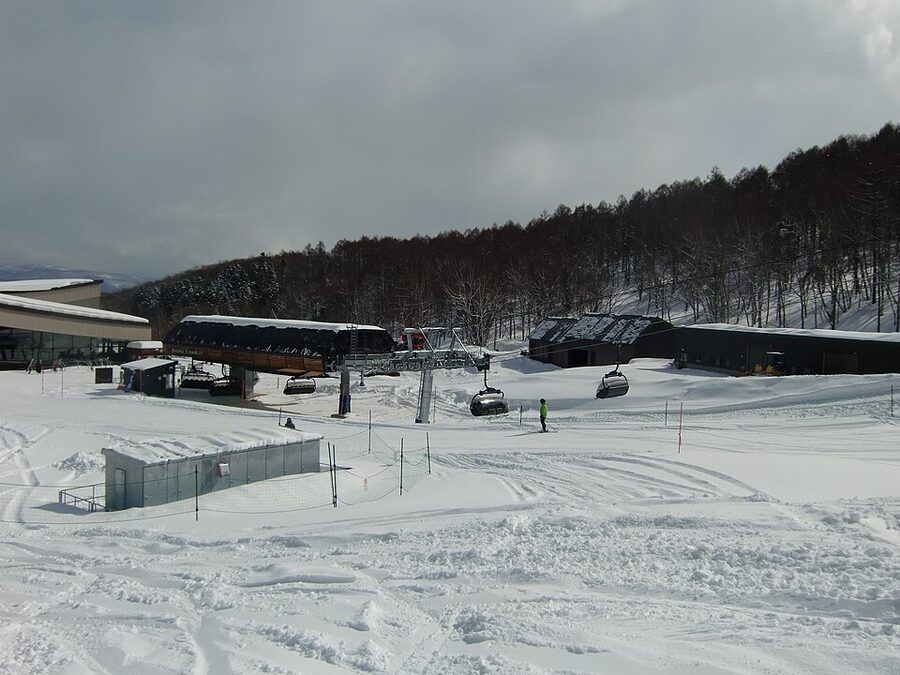
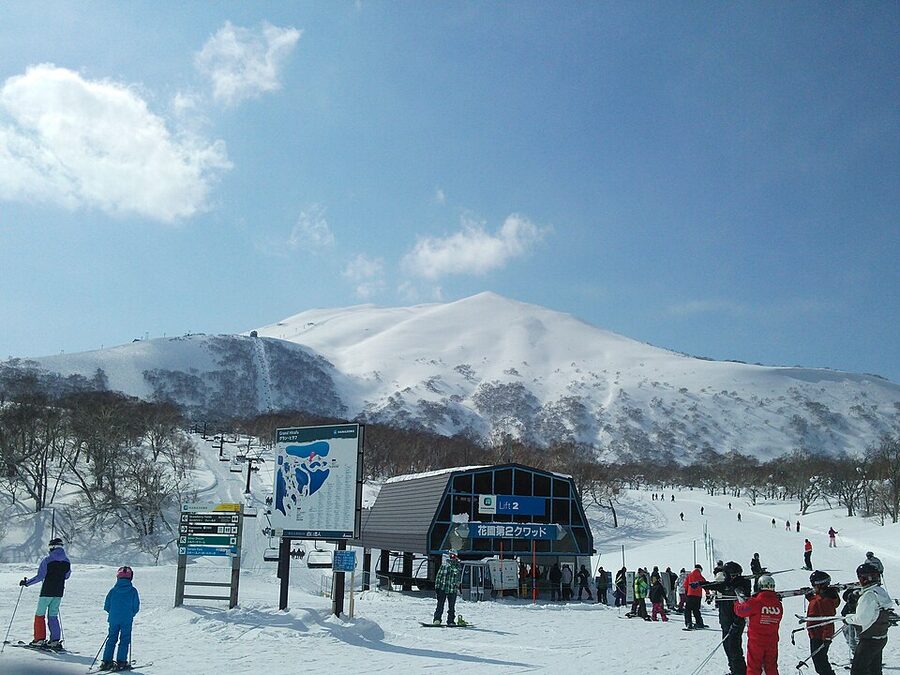
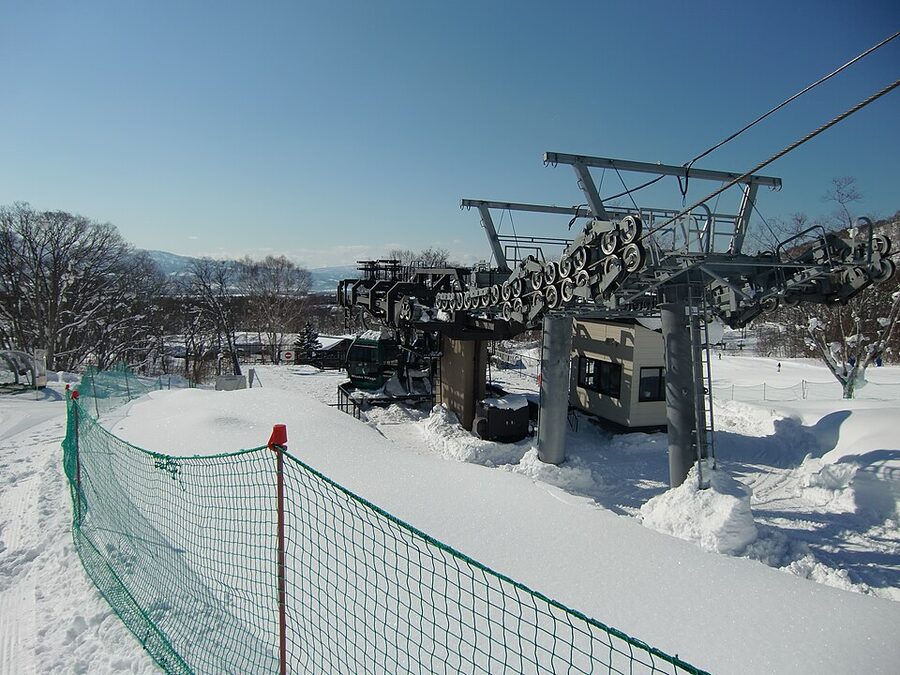
Hanazono is the eastern face of Niseko Annupuri, formally a separate ski area but mountain-linked to Grand Hirafu via the lift system at the summit. It’s owned by PCPD, the same Hong Kong group that runs the Park Hyatt at the base, and the resort has had aggressive capital investment over the last decade. The new Symphony Gondola opened in 2021. The HANAZONO 308 base building is genuinely the most modern lift complex on the mountain. The slopes are wider, the gradients gentler, and the runs longer than Grand Hirafu.
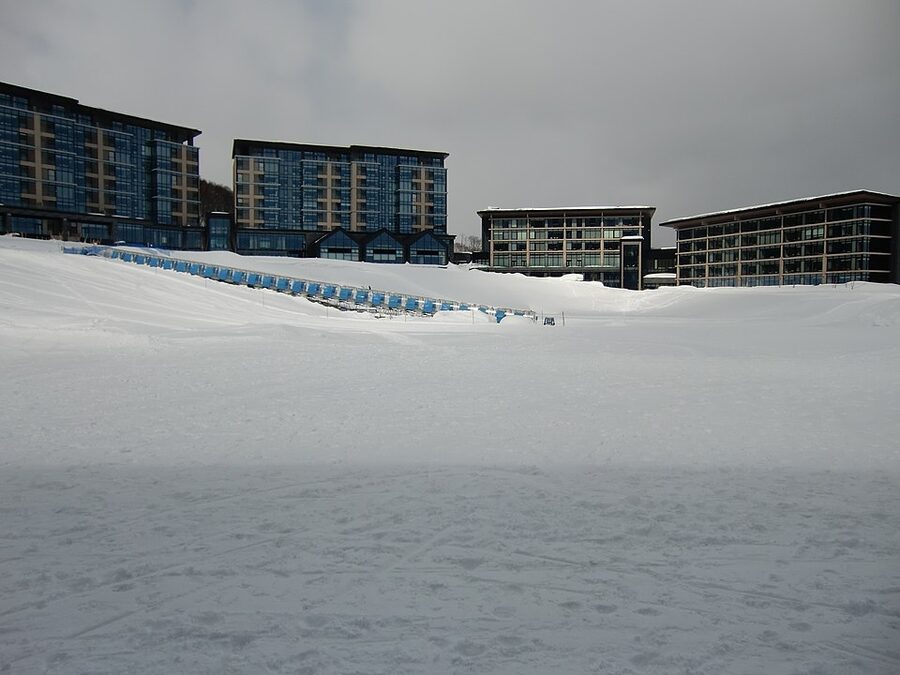
If you have small kids, ski first-timers, or anyone in your party who wants room to flail without crashing into a bar full of Australians, Hanazono is the better base than Hirafu. The trade-off is the village. There isn’t one. Hanazono’s base is a single resort complex with the Park Hyatt, Nikko Style Niseko Hanazono, and a handful of activity outlets attached. After 17:00, when the lifts close, you either eat at the resort, take the shuttle to Hirafu, or stay in.
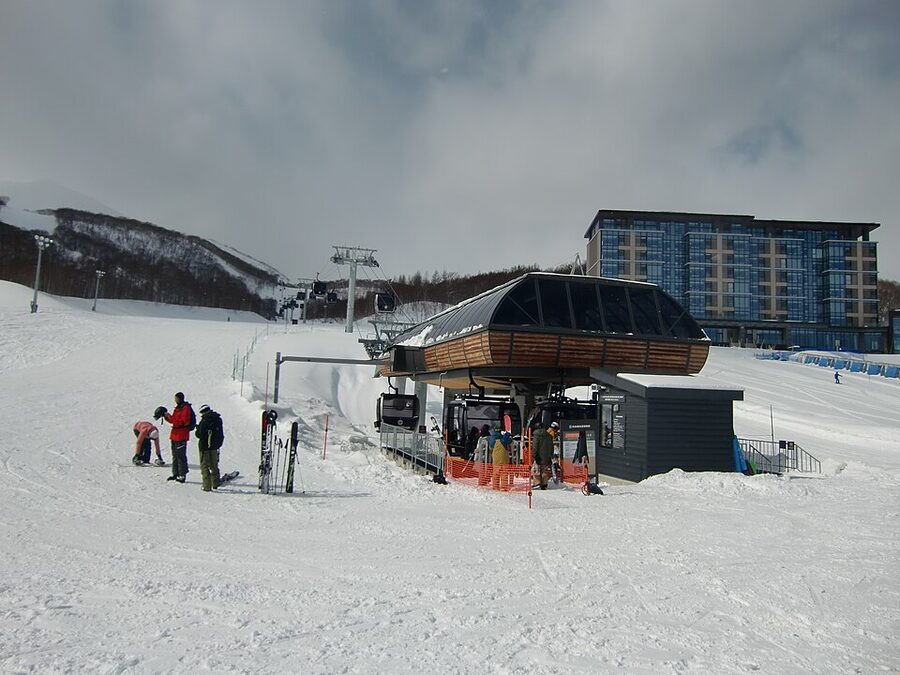
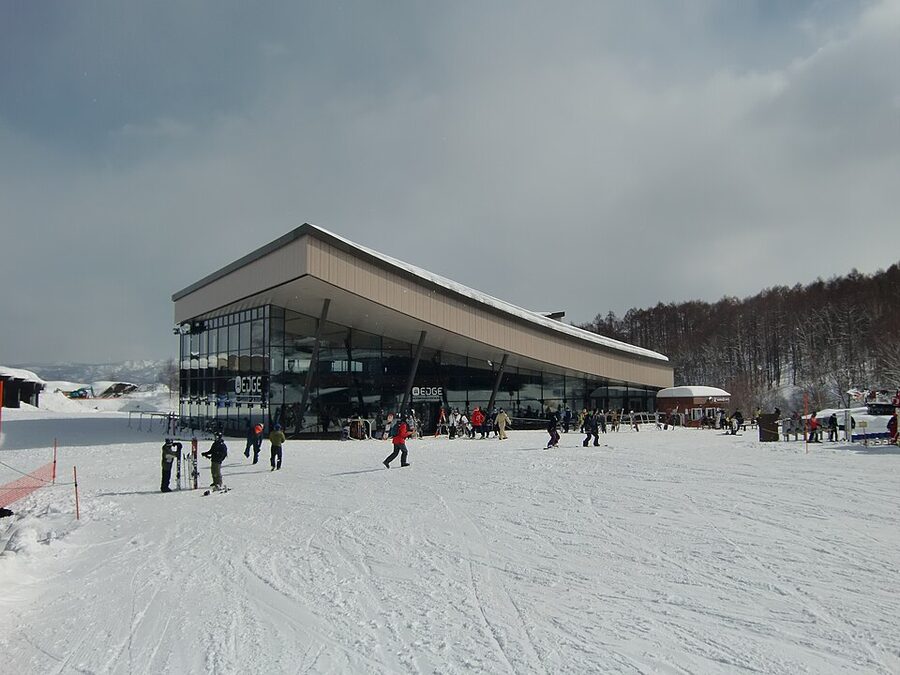
The Symphony Gondola has individual leather seats, which sounds gimmicky but matters at minus-15 with wind. The HANAZONO Edge slope-side restaurant at the top of the new lift is one of the better-sited mountain lunches on Niseko Annupuri, with proper views of Yotei. Lunch there runs about ¥2,500 to ¥3,500.
Tickets and the Black Pass
Hanazono sells its own area-only ticket, but Hanazono’s value-add for serious skiers is the Hanazono Black Pass. Black Pass holders skip the lift queue, get rental upgrades, get priority on the snow-cat tour, and get free hot drinks at the resort cafes. It’s expensive (peak-season day pricing well into the ¥30,000-plus range) and aimed at the kind of guest who’s also booked the Park Hyatt. For everyone else the All Mountain Pass at ¥12,000 is the right answer.
Niseko Village, the upscale wing nobody talks about
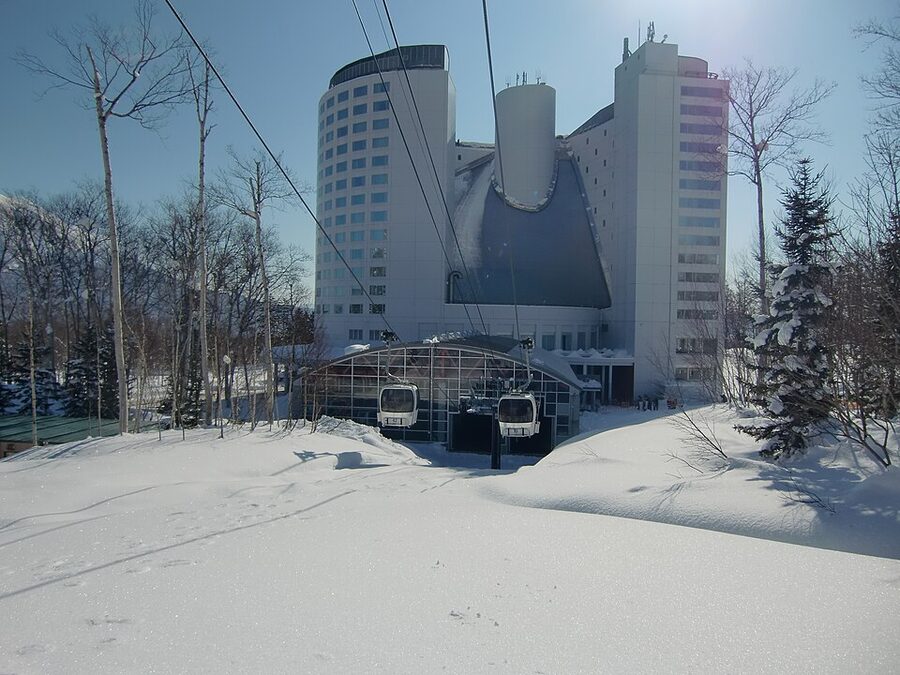
Niseko Village sits between Grand Hirafu and An’nupuri, on the south face of the mountain. The base is owned and operated by YTL, a Malaysian conglomerate, and the visible result is two big resort hotels: the Hilton Niseko Village (the older flagship, 1,000m from the gondola loading area) and the Higashiyama Niseko Village, A Ritz-Carlton Reserve (the newer one, opened 2020). The Green Leaf and Hinode Hills sit alongside, and the eight-villa Kasara complex is on the far side.
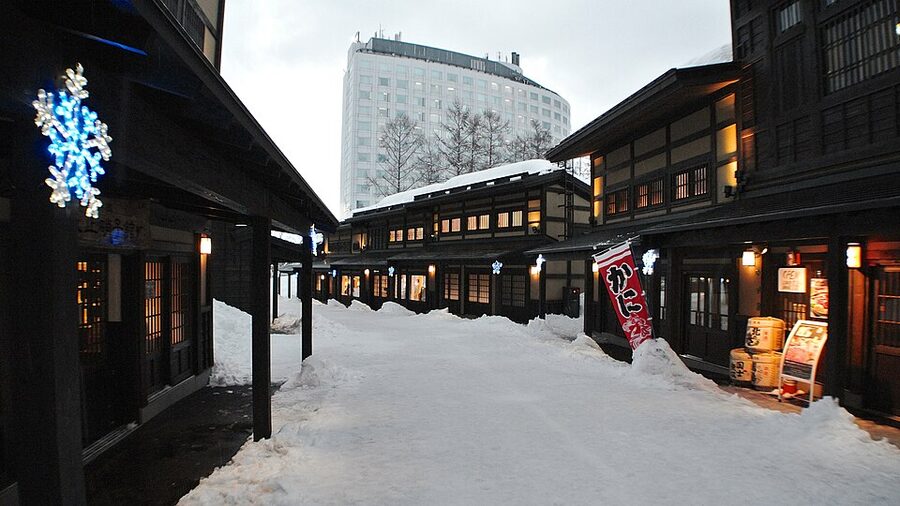
Niseko Village is the upscale wing of the mountain in price terms. It’s also the wing with the least going on after the lifts close. The base is essentially a hotel campus: the Crab Restaurant inside the Hilton, a few bars, the Edge of the Earth shop strip, a small izakaya or two. After dinner there’s nothing to walk to. If you’re staying at the Ritz-Carlton Reserve you probably weren’t looking for a walking village anyway. If you’re a younger party expecting the Hirafu energy, you’ll be disappointed.
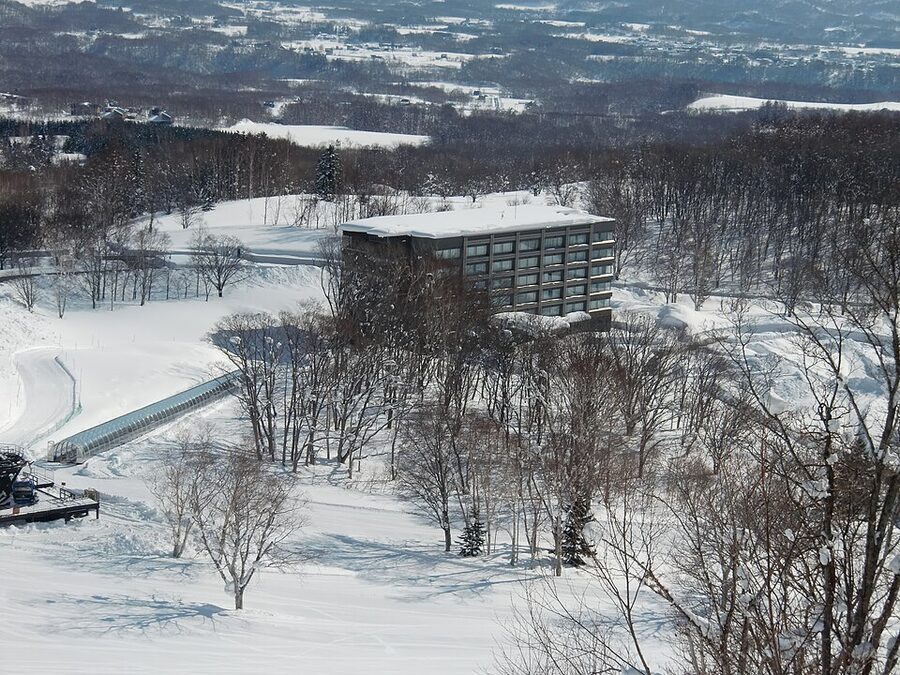
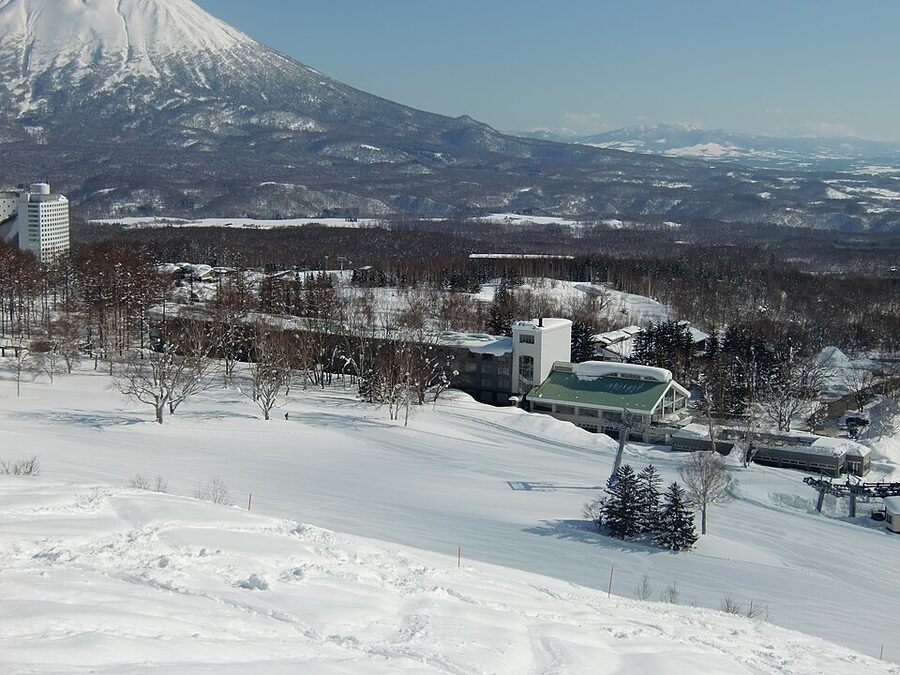
Terrain-wise, Niseko Village has 30 marked runs, 12 lifts, and the longest single run in the All Mountain area at five kilometres. The slope names lean towards the irreverent, with runs called Zangi, Konbu, Jagaimo and Misoshiru (deep-fried chicken, kelp, potato, miso soup, all Hokkaido staples) on the trail map. The advanced terrain at the top, in particular the Mizuno-no-sawa side-country gate that opens when conditions allow, is the part that brings repeat skiers back. It’s a controlled-avalanche zone with a pre-entry check; read the official Niseko Rules and pack a beacon if you go.
An’nupuri, the quietest of the four
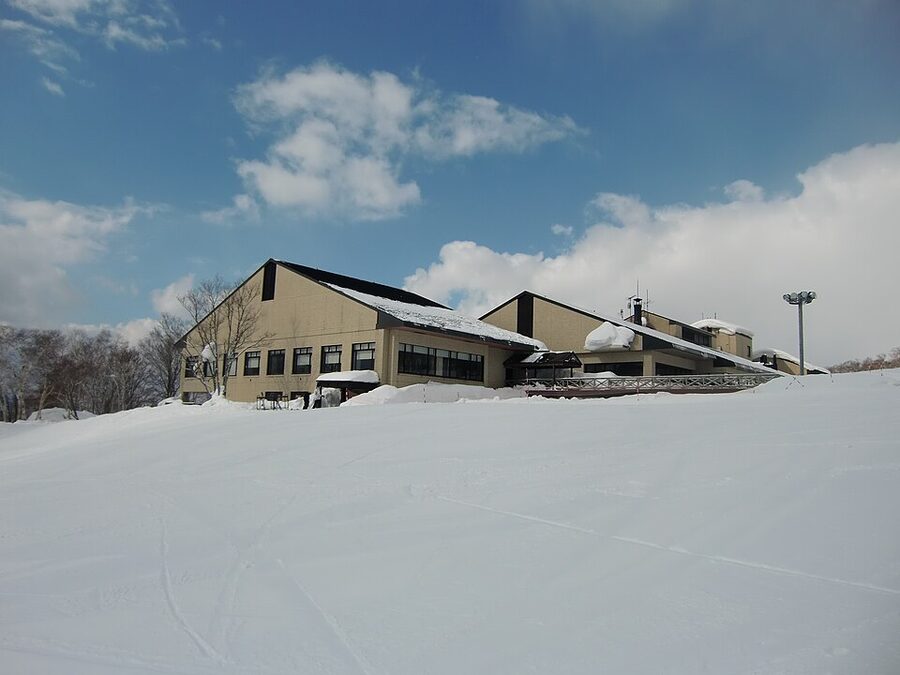
Niseko Annupuri International Ski Area, written as An’nupuri to distinguish from the mountain itself, is the western-most of the four. It’s run by the Tokyu group and traditionally has the most Japanese-domestic guest profile, the lowest queue density, and the cheapest lift ticket on the mountain at ¥7,000 a day in regular season.
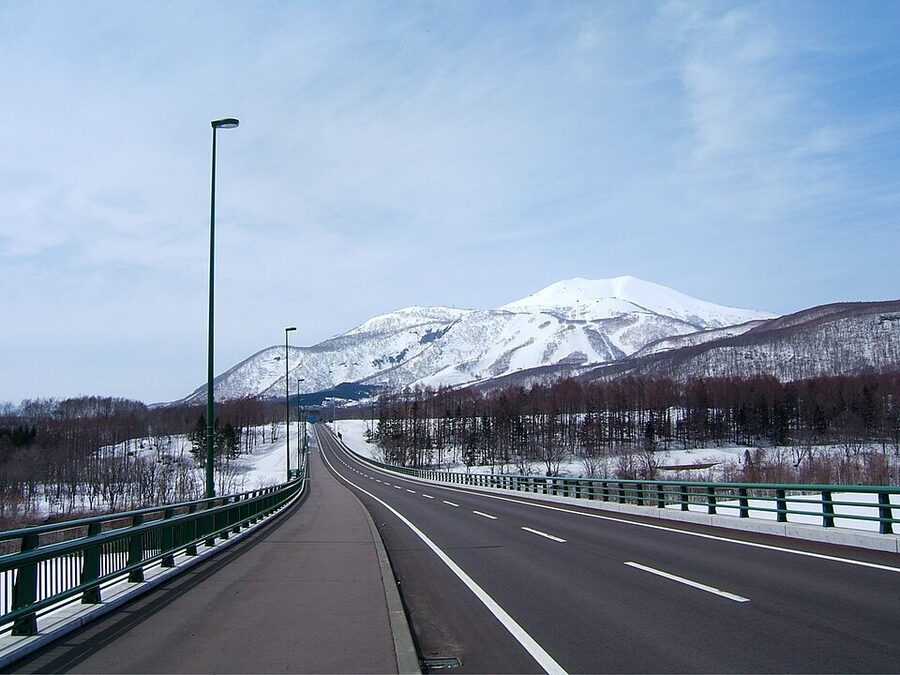
An’nupuri has 13 marked runs, six lifts, and a maximum vertical of 730m. The terrain leans towards intermediate. The wide, gentle pisted runs at the base mean it’s also the easiest of the four to learn on, and the An’nupuri ski school has historically taught absolute beginners better than the bigger Hirafu schools, by reputation, mostly because the class sizes are smaller.
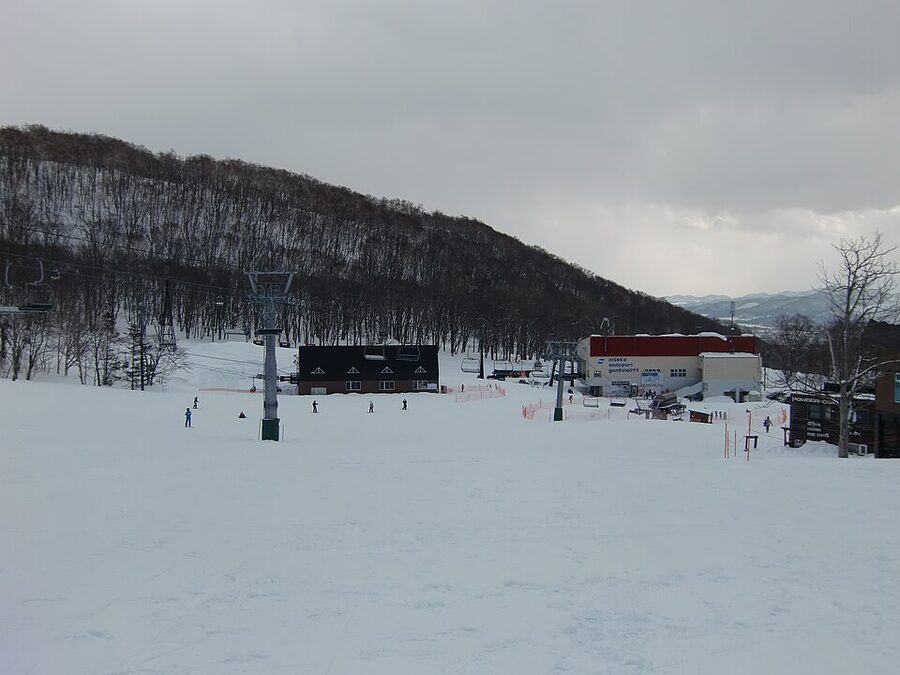
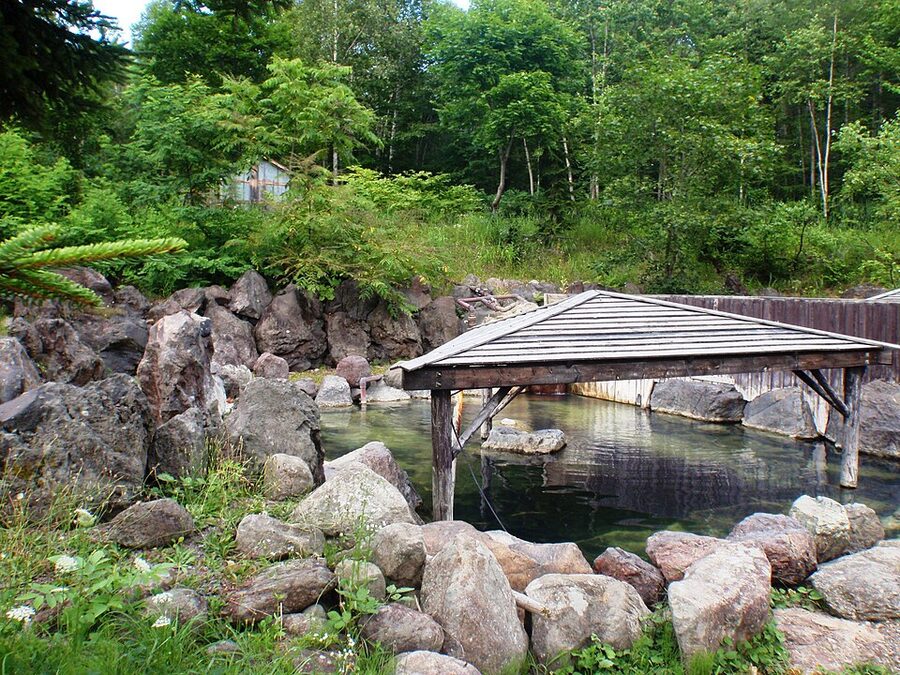
The base village, such as it is, has a handful of pensions, the Niseko Northern Resort An’nupuri (a hotel with a workmanlike onsen and a slightly dated buffet), and the iconic Ikoi-no-Yujuku Iroha (a budget-leaning ryokan-style place with the best in-house onsen on the mountain). After dark An’nupuri is properly quiet. There’s no equivalent of Hirafu’s bar strip. If you want dinner outside your hotel you take the shuttle.
Annupuri lift pricing, in detail
An’nupuri’s pricing structure is more useful than the headline ¥7,000 figure suggests. The five-hour pass is ¥6,000 in regular season (a saving if you’re not actually skiing the full day). A three-day pass is ¥19,000 against three single-day passes at ¥21,000. There’s a night-skiing-only pass at ¥3,300, valid 16:30 to 19:30 on the lit lower slopes, and a 30-hour or 50-hour pass which sells in hour-blocks (you tap in at the gate, the clock starts, and you have an hour before another deduction; idle hours mid-day don’t count). It’s a model better suited to flexible-itinerary skiers than the Hirafu/Hanazono day-pass economy.
Moiwa, the fifth area that isn’t on the All Mountain Pass
Just west of An’nupuri sits Niseko Moiwa, a small fifth ski area on a smaller adjacent peak. Moiwa is not part of Niseko United and not covered by the All Mountain Pass. It’s slower, smaller, and tends to have the deepest unskied tree lines because most international visitors never make it across.
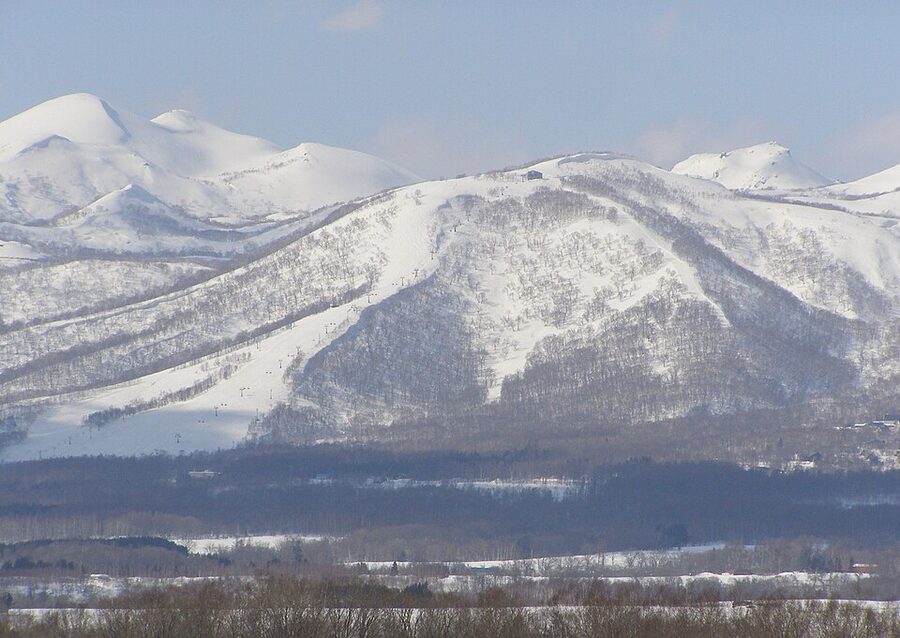
Day pass at Moiwa is around ¥5,500 in peak season, less than two-thirds of the All Mountain Pass. There’s no shuttle from Hirafu; you need a car, a taxi, or one of the irregular Niseko Town local buses. Worth the effort once.
The powder hype, and what’s actually true
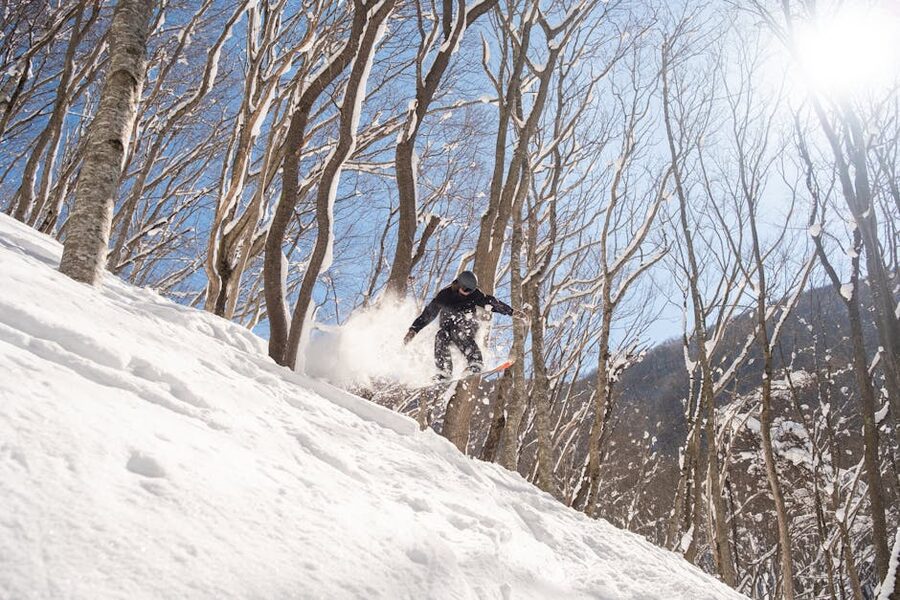
Niseko’s reputation rests on its snow. The reputation is mostly accurate, with a real caveat. The mountain sits on the edge of the Sea of Japan, downwind of Siberia, and gets the lake-effect machine that drops 14 to 16 metres of light dry snow per season. This is genuinely more than almost any North American or European resort, and the snow really is light: cold-smoke powder, easy to ski, forgiving on a face plant.
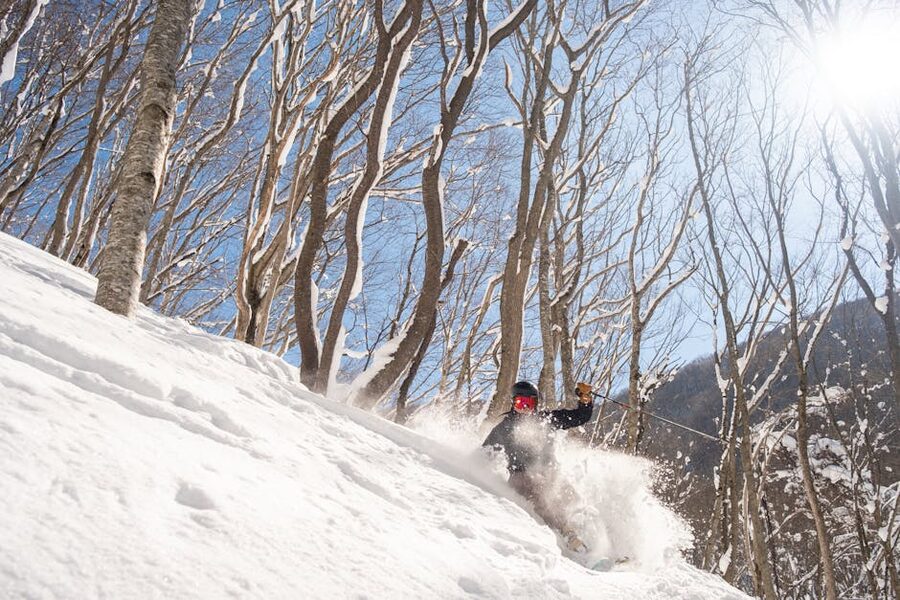
The caveat is that the prime window is narrower than the marketing implies. The peak powder weeks are roughly mid-January to mid-February. December is hit and miss; the resort opens around 29 November but coverage in the first two weeks is thin, and you can have a green base for half of December. February’s second half is usually still excellent. By mid-March the snow gets heavier and stickier, the famous Hokkaido cold-smoke quality fades, and what’s left is normal spring skiing, which is fine if that’s what you booked but not why you flew across the Pacific.
The week of New Year and the third week of January are the two highest-pressure weeks. Ski schools book out three months ahead. The dinner restaurants in Hirafu run two or three sittings a night. Lift queues at Grand Hirafu can hit 25 minutes. If you can move your trip a week, do it; the first two weeks of February are quietly the best ski-mountain experience Niseko offers, with full coverage, less queue pressure, and the same powder.
Mount Yotei, the volcano you came to look at
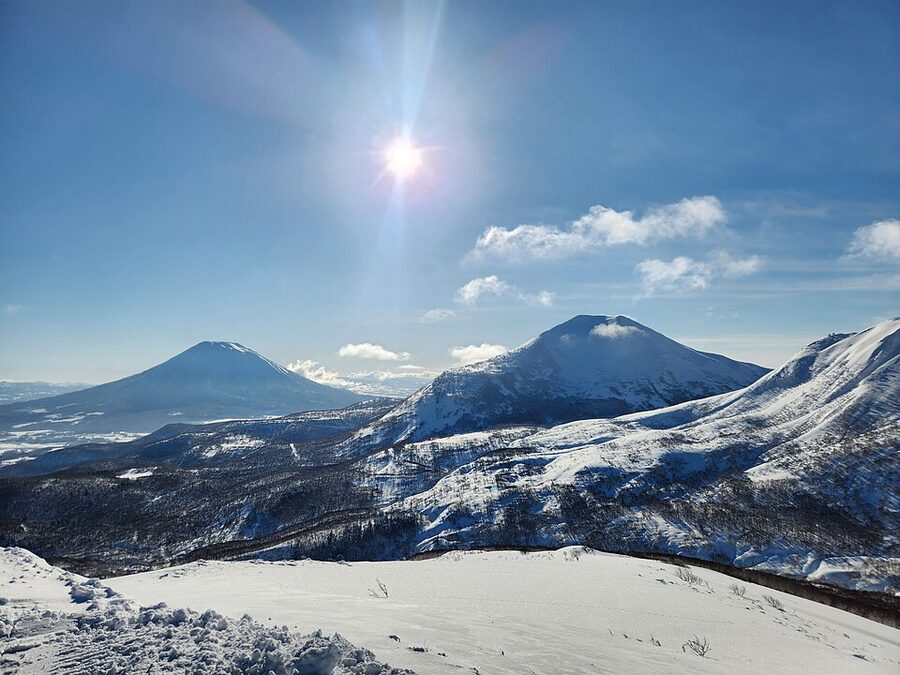
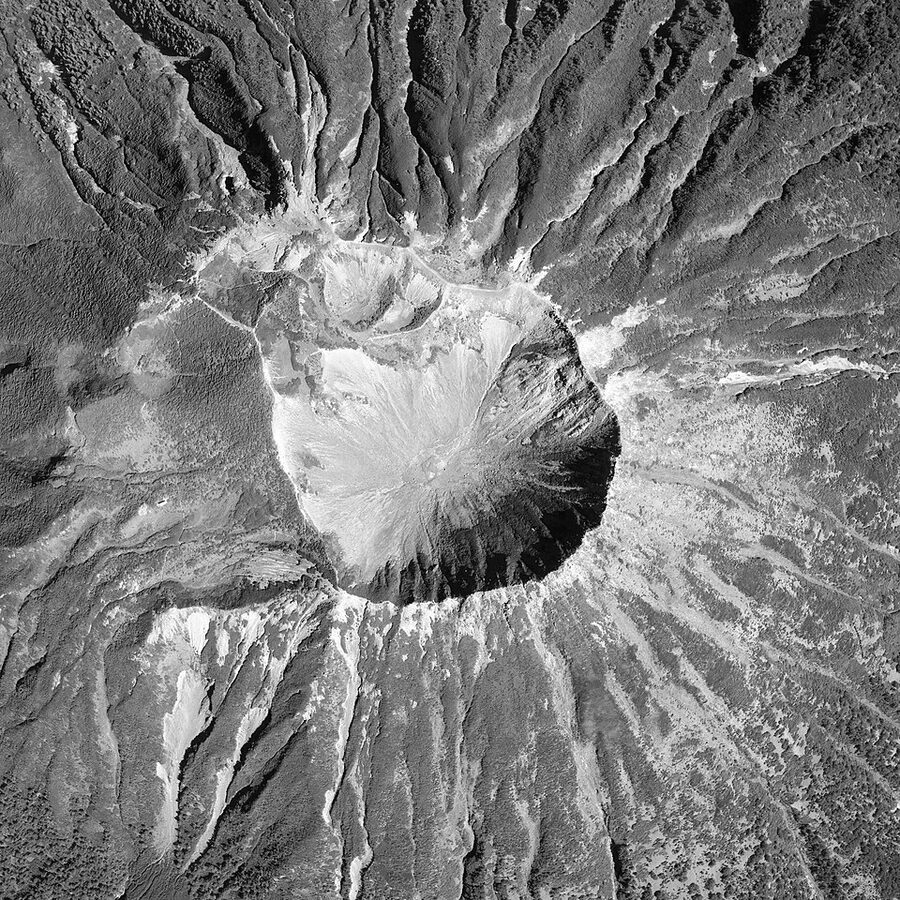
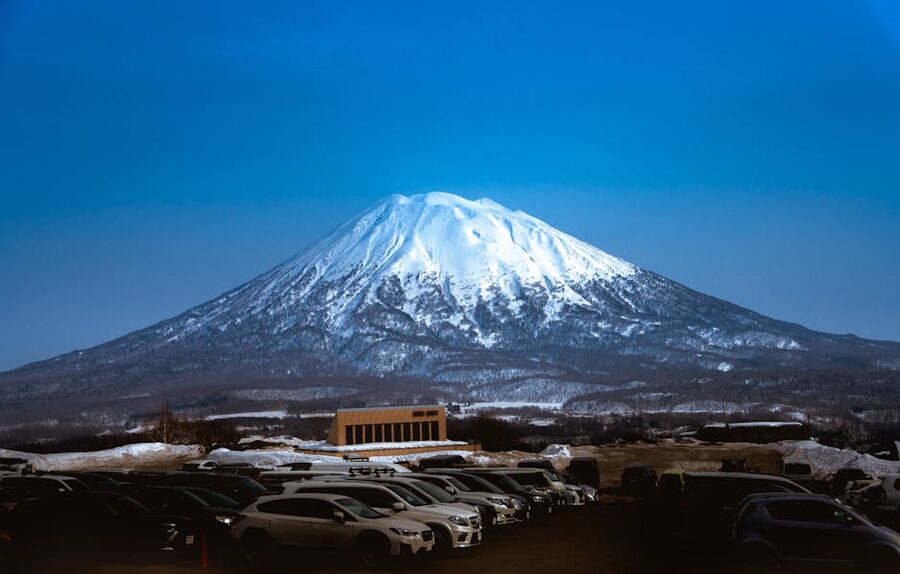
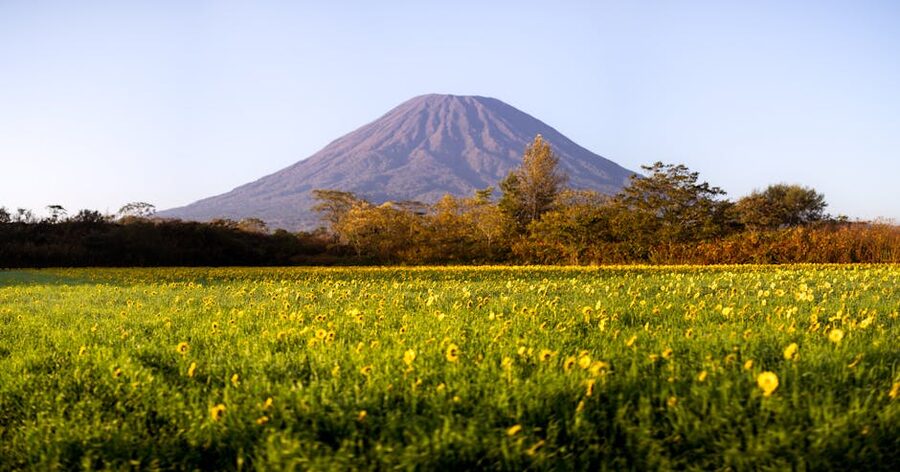
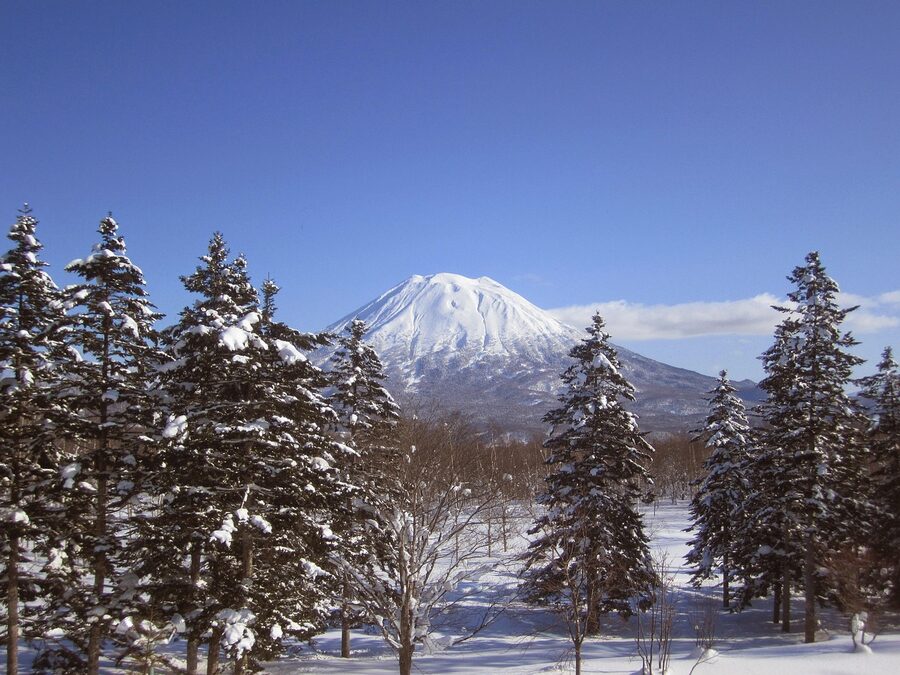
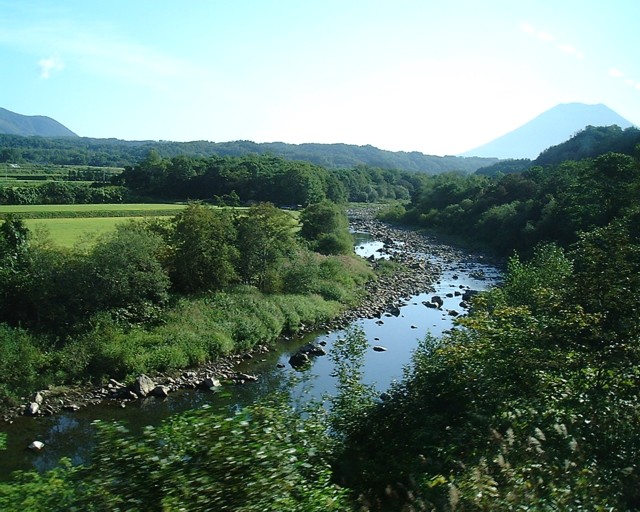
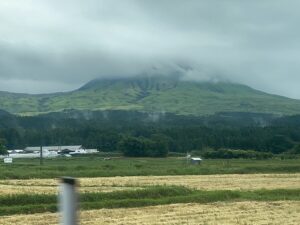
The conical mountain that fills every Niseko photograph is Mt Yotei, also written as Yoteizan, also informally called Ezo Fuji because of the resemblance to Mt Fuji. It’s a 1,898m stratovolcano about 12km southeast of the ski area, in Shikotsu-Toya National Park. It’s not a ski resort. It’s not part of Niseko. It just dominates the view, and the view is what most repeat visitors say is the actual reason they came back.
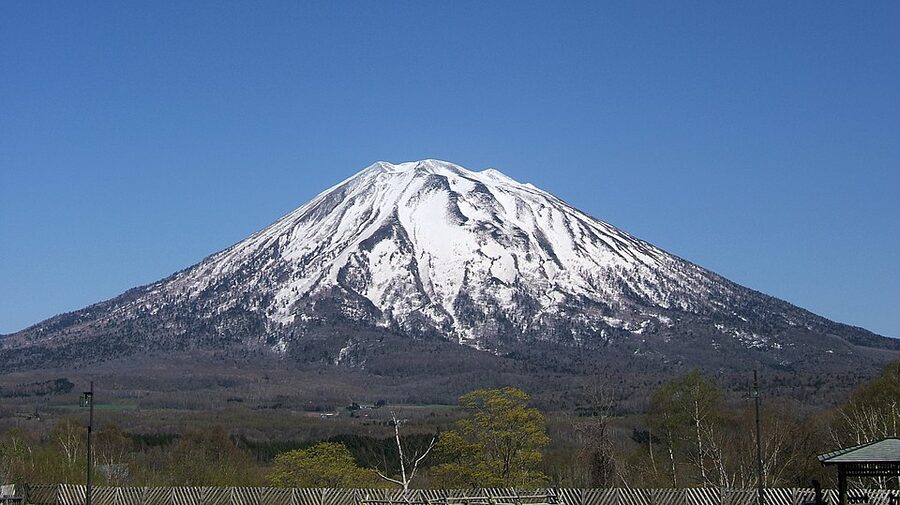
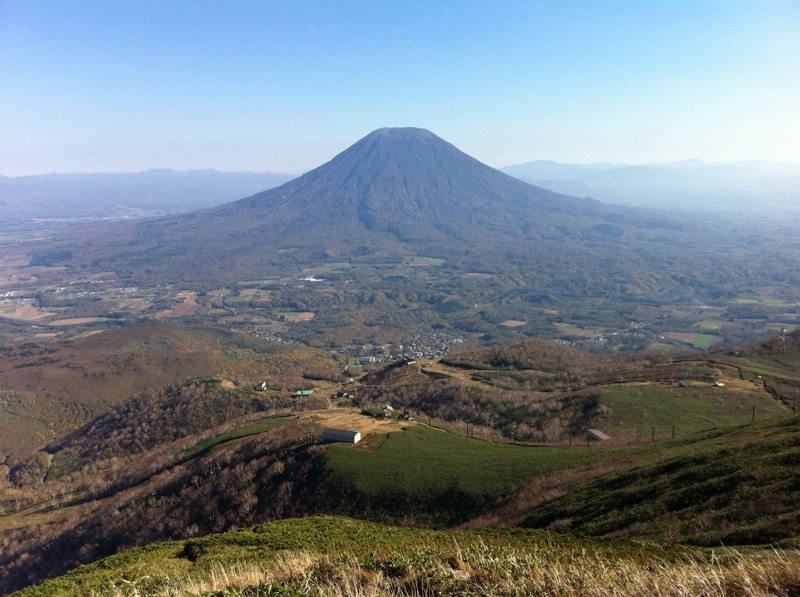
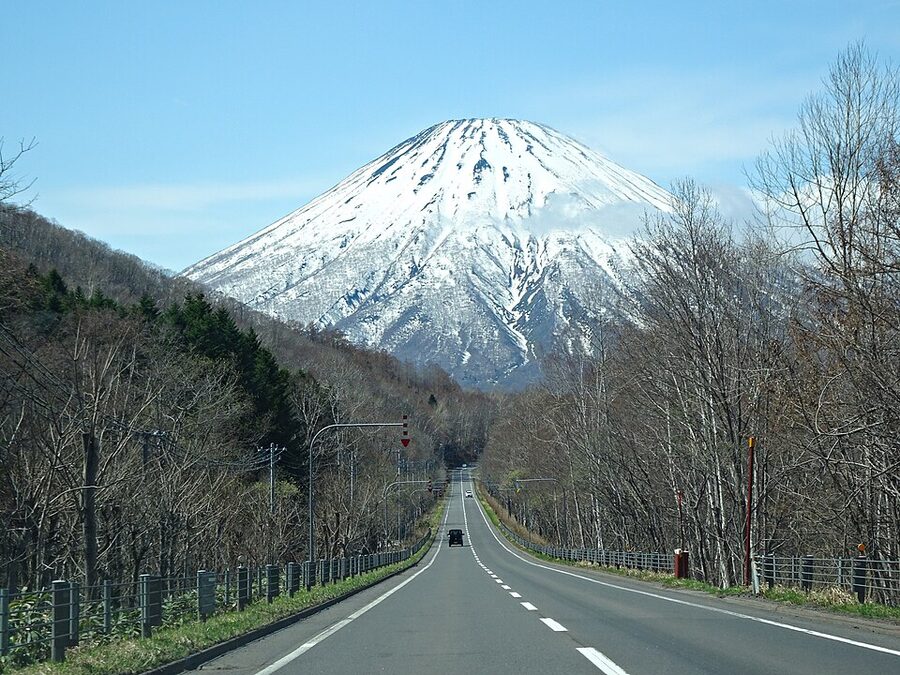
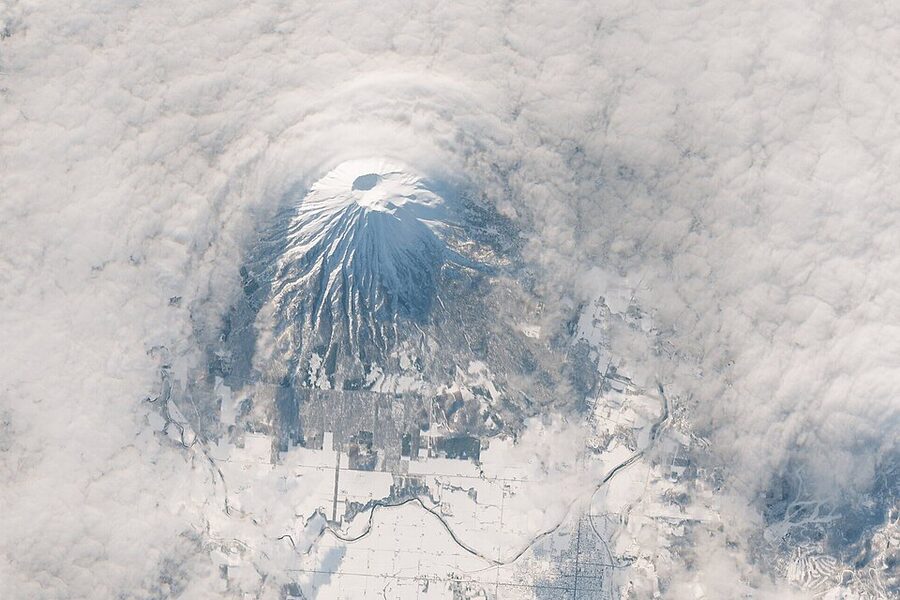
You can climb Yotei. The route is a steep slog from one of four trailheads (Makkari, Kyogoku, Hangetsu-ko, Kutchan), 4 to 6 hours up and 3 to 4 hours down, with no water on the trail. The standard climbing season is roughly mid-June to early October. There’s a free emergency-only hut near the summit, the Yotei Hinangoya, where serious climbers stash a bivouac for sunrise. A summit day from Niseko in summer is a 12-hour gear-up; the right approach is to base in Niseko, climb in a single day, and recover with a long onsen soak.
Summer in Niseko, which most people skip and shouldn’t
The ski season runs from late November to early May (May 6 in 2026 at most areas). The summer green season runs from late April or early June to late October, depending on the operator. Almost everyone who books Niseko books for winter. That’s a missed call.
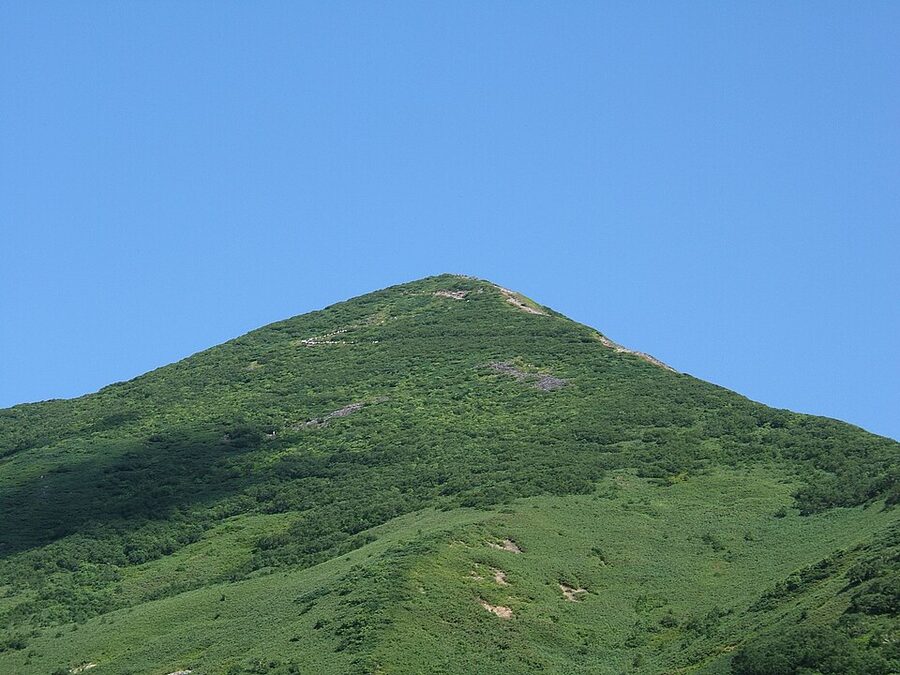
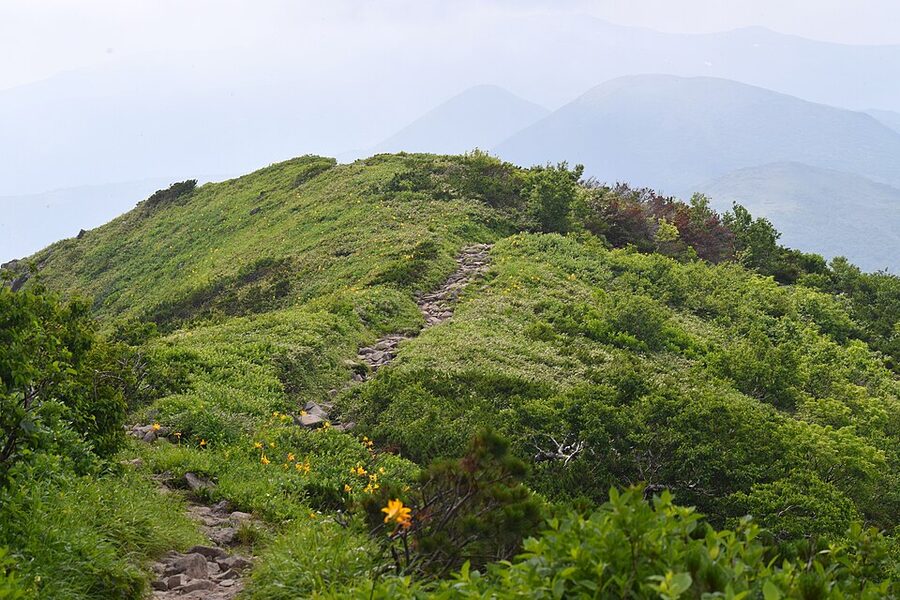
Summer in Niseko has three things going for it. First, the weather: average highs around 25 degrees, low humidity by Hokkaido standards, almost no monsoon-rain interference. Second, the activity menu shifts entirely. Mountain biking on Grand Hirafu’s downhill course (the lift carries bikes from May through October), rafting on the Shiribetsu River, road cycling on the network of country roads around Mt Yotei, and the climb up Yotei itself. Third, prices are 30 to 50 per cent lower than peak winter, and you can walk into restaurants for dinner at 19:30 without a reservation.
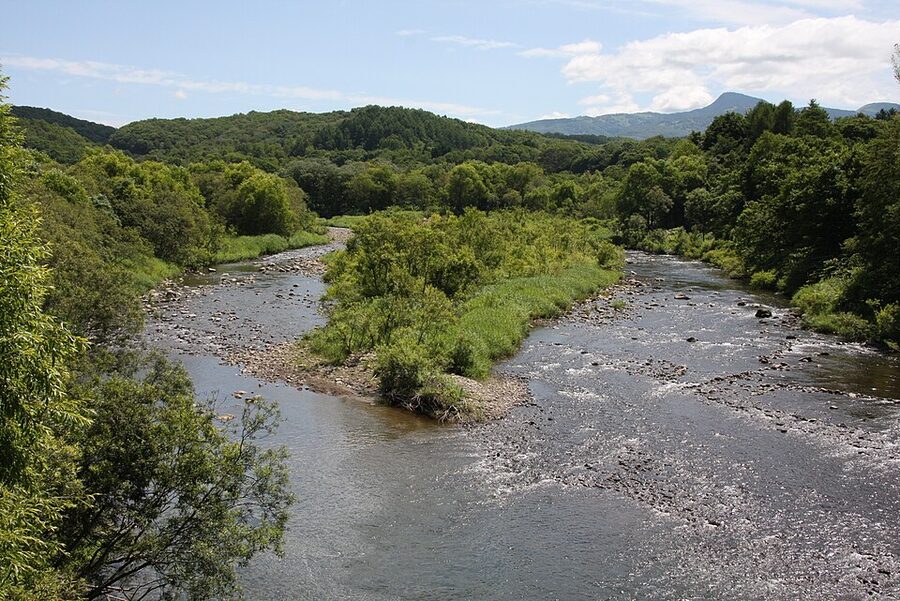
The Shiribetsu River sits below the ski area, fed by snowmelt from Niseko Annupuri and Yotei. NAC, the local outfit, runs three rafting trips: the spring rapids run (April to May, 13+ years, white-water Class 3 sections), the standard summer trip (June through November, 6+ years, gentler), and the family float (kids 4+, mostly drifting with one or two splash sections). Standard summer rafting is ¥6,980 for an adult and ¥4,890 for a child, with a private boat option at ¥34,900 for up to seven people. Sessions run 09:30 to 13:00 in the morning and 13:30 to 17:00 in the afternoon.
Getting to Niseko, by the actual numbers
There are three main routes from Tokyo. The most popular, by some distance, is fly into New Chitose Airport and bus from there. The most romantic is the Hokkaido Shinkansen plus a JR transfer. The most flexible is car rental from Sapporo, which most foreign visitors don’t consider but which is the locals’ default. Here’s how each one actually compares.
| Route | Time from Tokyo | Cost (one-way) | Best for |
|---|---|---|---|
| ANA/JAL flight to New Chitose + Hokkaido Resort Liner bus to Hirafu | 5 to 6 hours total | ¥25,000 to ¥45,000 flight + ¥6,000 bus | Most travellers, especially with luggage |
| Hokkaido Shinkansen to Shin-Hakodate-Hokuto, JR Hokuto Limited Express to Sapporo, JR Hakodate Main Line local to Kutchan, taxi to Hirafu | 9 to 10 hours total | ¥25,200 to Sapporo + ¥1,840 onwards + ¥4,000 to ¥5,000 taxi | JR Pass holders, scenic preference |
| Flight to New Chitose + rental car | 4 to 5 hours total | Flight + ¥7,000 to ¥10,000 car/day | Multi-stop Hokkaido itineraries |
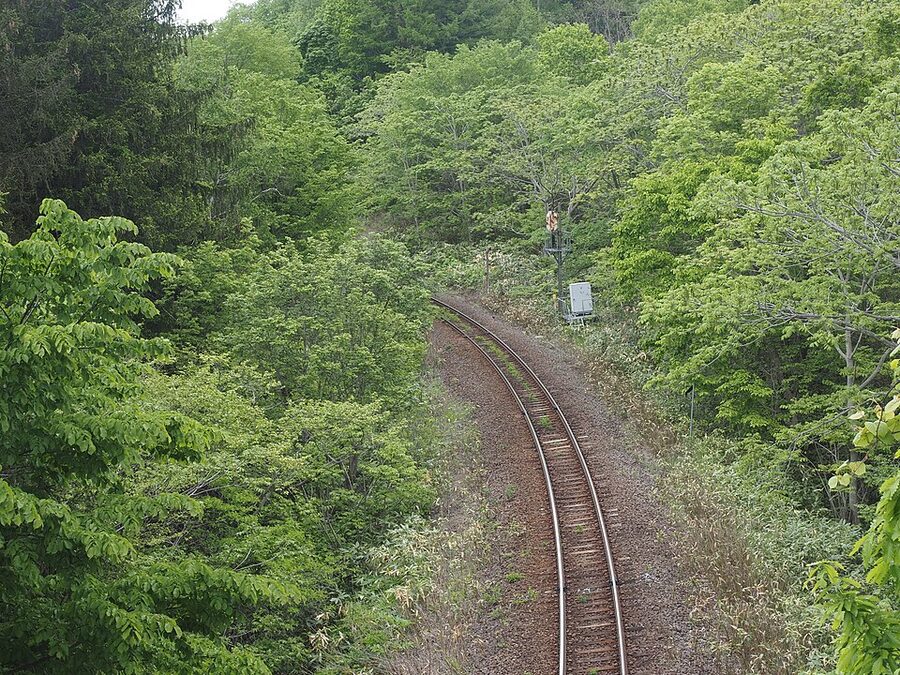
The Hokkaido Shinkansen is fast Tokyo to Hakodate (4 hours), but it stops at Shin-Hakodate-Hokuto. To get to Niseko from there you take the JR Hokuto Limited Express to Sapporo (3.5 hours), then the JR Hakodate Main Line local to Kutchan (about 2 hours, with a transfer at Otaru in some schedules). It’s a long day. The reason to do it is if you have a Japan Rail Pass or JR East Pass already and the marginal cost of using it is ¥1,840 plus the taxi.
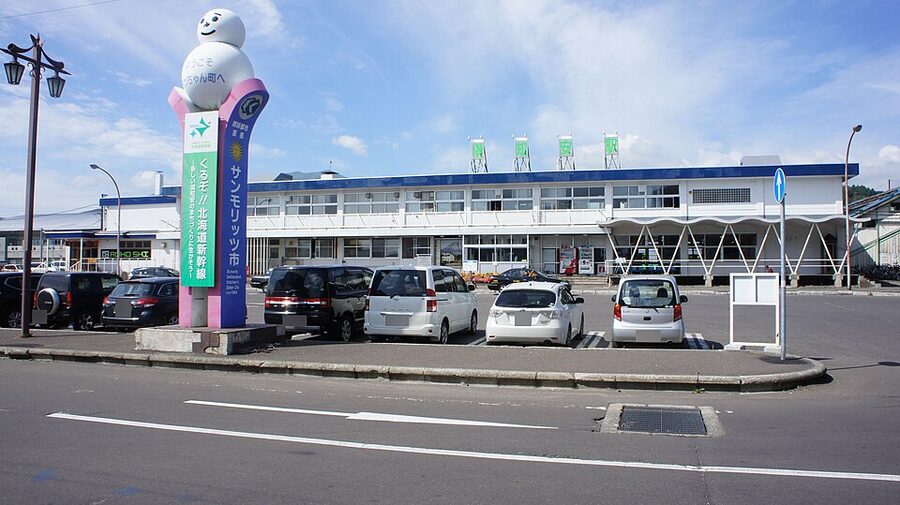
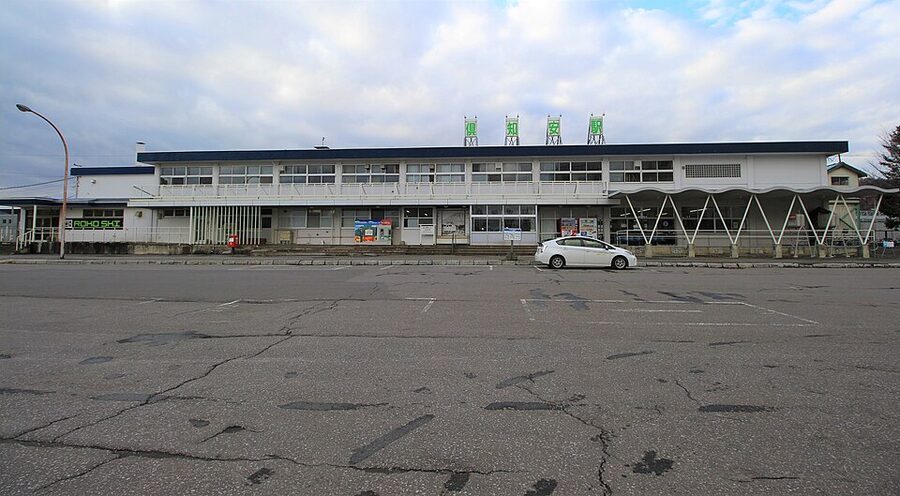
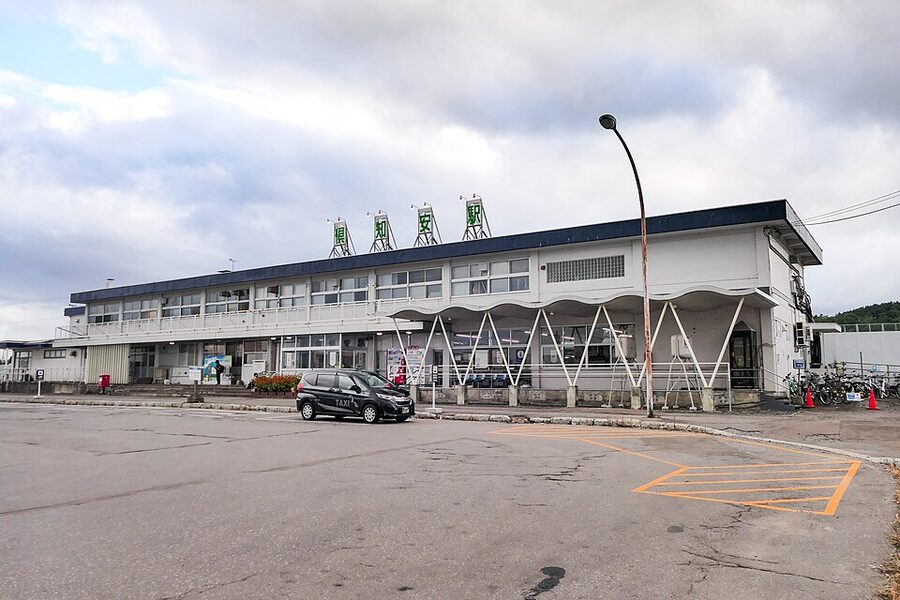
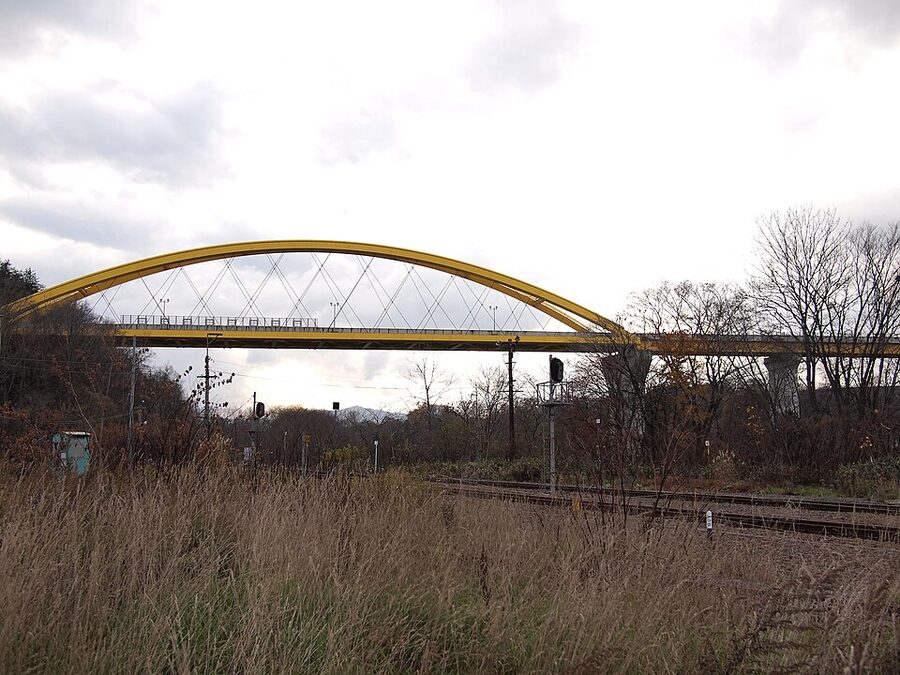
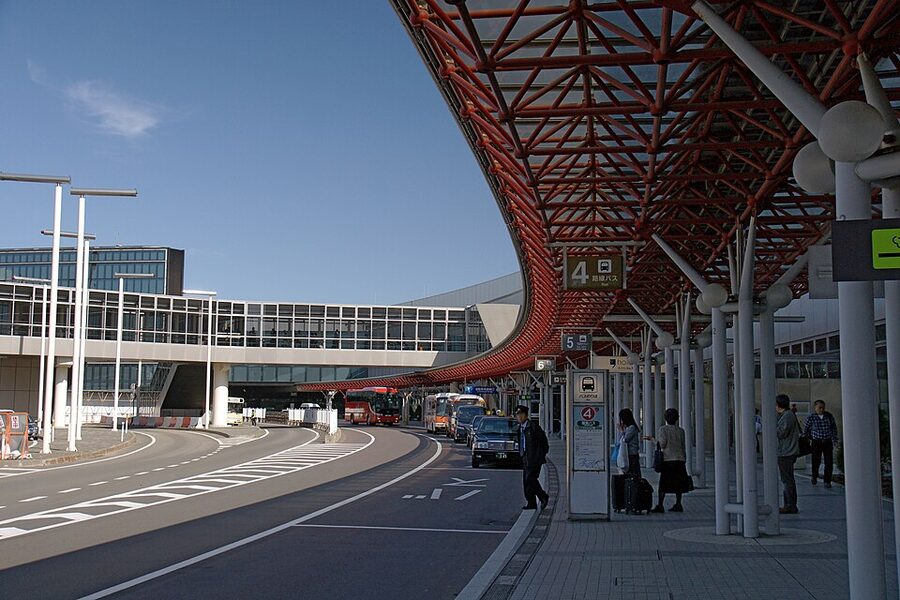
The bus from New Chitose Airport runs December through March under the Hokkaido Resort Liner brand, plus Hokkaido Chuo Bus and Hokkaido Access Network. Direct services drop you at Hirafu base, the Hilton Niseko Village, or An’nupuri base in 2.5 to 3.5 hours. One-way fare is around ¥6,000. Reservation is mandatory in peak season; walk-up seats sell out for late December and the New Year week.
From Sapporo there’s a winter Niseko Bus and Chuo Bus service direct to the resorts, taking about three hours and costing ¥6,000 one-way. From Otaru and Niseko Town there are local Niseko United shuttle buses that loop the four resorts on the hour during operating times.
The cost reality, with no padding
Niseko is Japan’s most expensive ski destination, on the order of 30 to 60 per cent more expensive than Hakuba, Furano or Rusutsu for equivalent service levels. That’s a fact, not a marketing claim. Here’s where the money goes.
Lift tickets: ¥12,000 a day for the All Mountain Pass in peak season. The 2025-26 All Mountain Season Pass is ¥175,600 for an adult, plus the ¥1,000 key-card deposit. By way of comparison, a one-day adult pass at Furano is ¥7,500 and at Kiroro is ¥6,800.
Accommodation: Mid-range hotels in Hirafu run ¥25,000 to ¥50,000 a night in peak season for a double. Setsu Niseko is in the ¥55,000 to ¥90,000 range. Aya Niseko similar. Park Hyatt Hanazono and Ritz-Carlton Reserve start at ¥100,000 and run well above ¥200,000 for suites. The same hotel pulls in less than half that price in summer.
Food: A Hirafu dinner with two glasses of wine averages ¥8,000 to ¥12,000 a head. Sushi or kaiseki sit-downs run ¥15,000 to ¥30,000 a head. Convenience-store onigiri and a Sapporo Classic from the Lawson on the Hirafu strip is ¥800 and works as a lunch when the slope-side restaurants are full.
Rentals: Mid-range ski package (skis, poles, boots) at Rhythm or Niseko Sports runs ¥5,500 to ¥8,500 a day for adults; high-performance package is ¥9,000 to ¥12,500. A snowboard package is similar to skis. Helmet hire is usually ¥500 to ¥1,000 a day. Lessons start at around ¥9,000 a half-day for a group lesson and run to ¥75,000-plus for a full-day private lesson with a senior instructor.
The way to make Niseko cheaper without dropping the experience: shoulder season (early December or late February or March) instead of peak New Year, the Niseko United shoulder pass at ¥8,400 instead of the ¥12,000 regular, an An’nupuri base instead of a Hirafu base, the Lawson and 7-Eleven for breakfast and lunch, the Hirafu free shuttle instead of taxis, and one big sit-down dinner per trip instead of every night. You can do Niseko well for around half the budget the brochures suggest.
Where to stay, opinionated
Hotel guides for Niseko are their own multi-thousand-word problem. A short version of who should sleep where, by traveller archetype:
- First-time skier or first-time Japan visitor in a couple or party of 4: Hirafu, mid-tier hotel in Middle Hirafu (Aya Niseko, Ki Niseko, or Setsu Niseko if budget allows). Walking access to dinner reservations matters more than ski-in/ski-out at this level.
- Family with kids under 12: Hanazono base at the Park Hyatt or Nikko Style Niseko Hanazono. The beginner area is right at the door, the resort childcare is the best on the mountain, and the lack of bar strip is a plus, not a minus.
- Couple wanting upscale and quiet: Niseko Village. Either the Hilton (the workhorse, with the best gondola access) or the Ritz-Carlton Reserve (the showpiece, with the best dinner and the best onsen).
- Budget skier or repeat Japan visitor: An’nupuri side. Niseko Northern Resort or Ikoi-no-Yujuku Iroha. Cheaper, quieter, on the same mountain.
- Hardcore powder-hound: Hirafu, but in a self-catered apartment in Upper Hirafu. Get the All Mountain Pass and the Hirafu Town shuttle pass. Eat at convenience stores at lunch. Spend the savings on the snow-cat tour.
For the named hotels, the booking landscape is multi-platform. The Hilton Niseko Village is on Booking.com (Booking), via Hilton’s own site (Official), and on the resort site (Niseko Village). The Park Hyatt Niseko Hanazono goes through Hyatt directly (Official) or via Expedia (Expedia). Setsu Niseko is on Booking (Booking), Agoda (Agoda), Expedia, or via Setsu’s own site (Official). Aya Niseko (Official, Booking, Agoda) and Ki Niseko (Official, Booking, Agoda) are similar.
When to come, by week
- Late November and early December: Patchy. The lifts are mostly open by 29 November but base coverage is thin, and the off-piste isn’t open until the snowpack is deep enough. Cheaper, quieter, but a gamble on snow.
- Mid-December: Coverage is usually solid by 18 to 20 December. Bookings start ramping. Last week before peak.
- Christmas and New Year (24 December to 4 January): The most expensive week of the year. Reservations everywhere. Lift queues at Hirafu peak. Rooms run double the early-December rate.
- 5 January to mid-February: The reason Niseko is famous. Cold-smoke powder, full coverage, full mountain open. The third week of January is the busiest of the post-New-Year window. The first two weeks of February are the best balance of conditions and crowds.
- Late February and early March: Still excellent skiing. The snow gets a touch heavier from week to week. Crowds drop off. Pricing eases.
- Mid-March to early May: Spring skiing. Warmer days, soft afternoons, the Yotei view at its clearest. The base areas begin closing from early April; An’nupuri runs to 6 May 2026, with reduced operating hours by late April.
- Mid-June to early October: Summer green season. Hiking, cycling, rafting. Empty restaurants. Yotei climbs.
What surprises first-timers
A short list of the things people regularly write into the local forums about, expecting them to be different.
Niseko isn’t a town. The four ski areas, plus Hirafu Village (administratively in Kutchan), plus Niseko Town (the small original village 15 minutes’ drive south), plus Kutchan Town (the bigger administrative centre 15 minutes north), are five separate settlements. The bus from the airport drops you at one of them. Verify which one before booking.
The bus is mandatory or close to it. Without a car, you’ll use the Niseko United free shuttle daily. Memorise its 30-minute frequency and the last service of the night (usually around 21:00). Restaurants close at 22:00 to 22:30; if you miss the shuttle, taxis run ¥3,000 to ¥5,000 between bases.
Convenience stores are sparser than in Tokyo. You won’t find a 7-Eleven on every corner. The Lawson and Seicomart in Hirafu are the main ones; in Niseko Village and An’nupuri there’s effectively one each. Plan accordingly for late-night food, ice, and ATM access.
The English isn’t universal. Hirafu is genuinely 60 per cent English-friendly. Niseko Village is hotel-staffed in English. Hanazono works in English at the resort. An’nupuri, Niseko Town, Kutchan town centre, and most local restaurants outside the main strips operate in Japanese. A few phrases of Japanese go a long way at lunch counters and onsens.
Onsens have rules. Every onsen on the mountain bans visible tattoos as a default. Some allow a cover-up, some don’t. Yugokoro-tei does allow tattoos with cover-up; the Hilton’s onsen does not, last I checked. Check before you go in.
Skiing the trees needs a guide if you don’t know the area. The gates open and close on avalanche control schedules. The Niseko Rules require beacon, shovel and probe in the side-country. Guests die here every season because they ducked the boundary rope. The local guides are excellent. Hire one.
The contrarian’s verdict
I’d ski Niseko again. I just wouldn’t book it the way most travel agents sell it. The snow is real, the lifts work, the food is genuinely better than at any other Japanese ski resort, and Mt Yotei from the slopes of Grand Hirafu at 09:00 on a still January morning is one of the views I’d queue up to see again.
What I’d skip: the assumption that any Niseko hotel is the same Niseko, the assumption that powder week is anywhere except mid-January to mid-February, and the assumption that you have to come in winter at all. The summer trip is the one most people don’t take, and it’s the one I’d do again first. The crater walk on Yotei in late July, the rafting on the Shiribetsu in June, the mountain-bike loops out of Grand Hirafu in September, the Hirafu town strip without the lift-pass queues. The Niseko nobody talks about is a quieter, cheaper, more rewarding mountain than the brand suggests.
The four-area secret is the same. Pick your base for who you actually are, not for the brand-name on the booking-page. Then ride the lifts.


.jpg)


.jpg)


.jpg)


