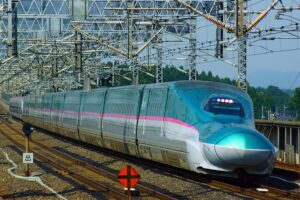
The Japan Rail Pass is no longer the no-brainer it was a decade ago. After the October 2023 price hike, a seven-day pass costs ¥50,000, and that single number has rewritten the math for every itinerary I used to recommend it for. The classic Tokyo, Kyoto, Osaka loop, the one almost everyone does on a first visit, no longer breaks even unless you push it. So the answer to the question in the title is sometimes yes, often no, and the most useful thing I can do here is show you which trip you’re actually planning and let you make the call.
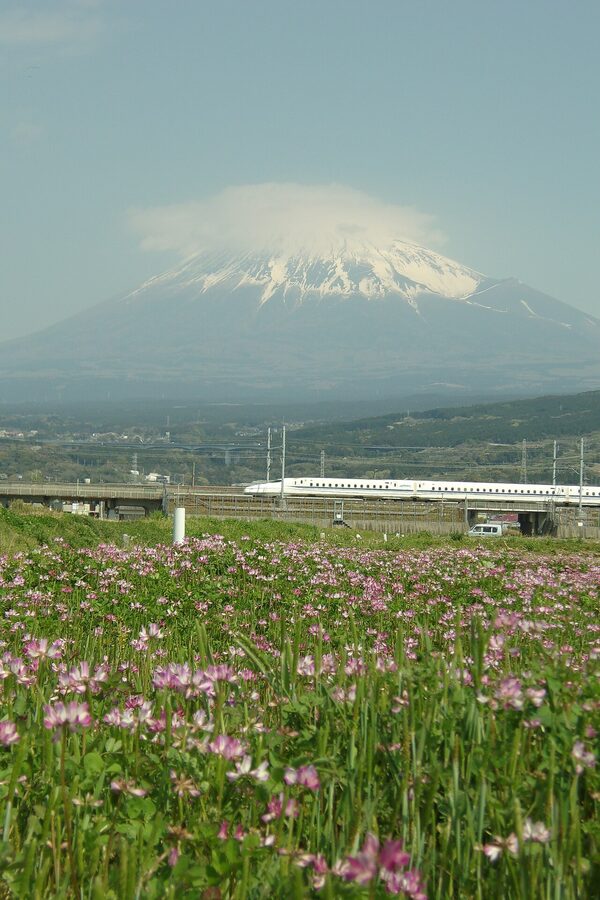
I’ll walk through the current 2026 pricing, the breakeven for the three itinerary shapes most people actually book, what the pass does and doesn’t cover (the Nozomi exclusion is the one that catches everyone), how the buying and redeeming process works in practice, and when a regional pass like the JR East Pass, the JR West Pass or the Kansai Thru Pass beats the national one. By the end you’ll know which of those four passes (if any) belongs in your trip.
In This Article
- The 2026 prices, plainly
- Who can actually buy it
- The breakeven math, three itineraries
- Itinerary 1: the Golden Route, Tokyo, Kyoto, Osaka
- Itinerary 2: the Golden Route stretched, with Hiroshima
- Itinerary 3: Tokyo to Hokkaido
- What the pass actually covers
- The Nozomi problem, properly explained
- Ordinary versus Green Car
- How to buy and redeem
- Official site, japanrailpass.net
- Third-party resellers
- The redemption
- Reservations and how to get them
- The view from the window seat
- Regional passes: when they beat the national one
- JR East regional passes
- JR West regional passes
- The pass JR doesn’t cover at all
- The decision tree, condensed
- Common questions, briefly
- Can children under 6 ride free?
- What if my pass is stolen or lost?
- Can I use it on city buses or subways?
- Do I need to reserve seats?
- Can I use the pass to get from the airport into Tokyo?
- Can I get a refund if I don’t use it?
- Does the pass cover the Sunrise overnight trains?
- What the platform actually feels like
- Buying ekiben to ride with
- Edge cases worth knowing
- The Kyushu Shinkansen and the new Nishi-Kyushu line
- The JR Central Tokaido versus JR East/JR West
- Limited express trains beyond shinkansen
- Buying versus skipping, a final word
The 2026 prices, plainly
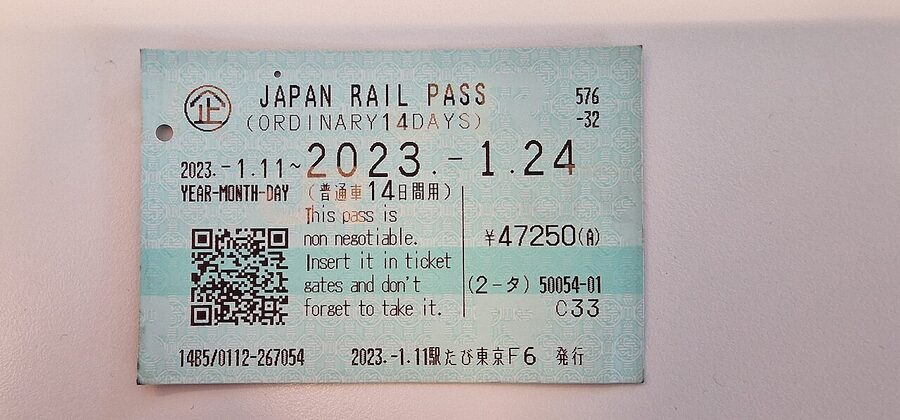
The Japan Rail Pass comes in two cabin classes (Ordinary and Green) and three durations (7, 14, 21 consecutive days). Children aged 6 to 11 are half price. Under 6 travels free with a paying adult, no seat of their own.
| Duration | Ordinary (adult) | Ordinary (child) | Green (adult) | Green (child) |
|---|---|---|---|---|
| 7 days | ¥50,000 | ¥25,000 | ¥70,000 | ¥35,000 |
| 14 days | ¥80,000 | ¥40,000 | ¥110,000 | ¥55,000 |
| 21 days | ¥100,000 | ¥50,000 | ¥140,000 | ¥70,000 |
These rates are the post-October 2023 prices and are still current as of 2026 on the official site, japanrailpass.net. Before the hike the seven-day pass was ¥29,650, which is why every blog post written before October 2023 makes the pass sound like a steal. It was. It isn’t anymore.
The two prices that matter most are the ¥50,000 seven-day adult and the ¥100,000 21-day adult, because those are the durations that line up with how most people structure a Japan trip. The 14-day pass is rarely the right answer: most itineraries that want more than 7 days of unlimited rail want closer to three weeks of it.
Who can actually buy it
The pass is for foreign tourists on a “Temporary Visitor” entry stamp. Japanese passport holders can’t buy it. Foreign residents of Japan on a work visa, student visa, spouse visa, or any other status of residence can’t buy it either. The immigration officer at Narita or Haneda stamps “Temporary Visitor” into your passport when you enter on the standard 90-day waiver, and that stamp is what the JR exchange counter checks before issuing the card.
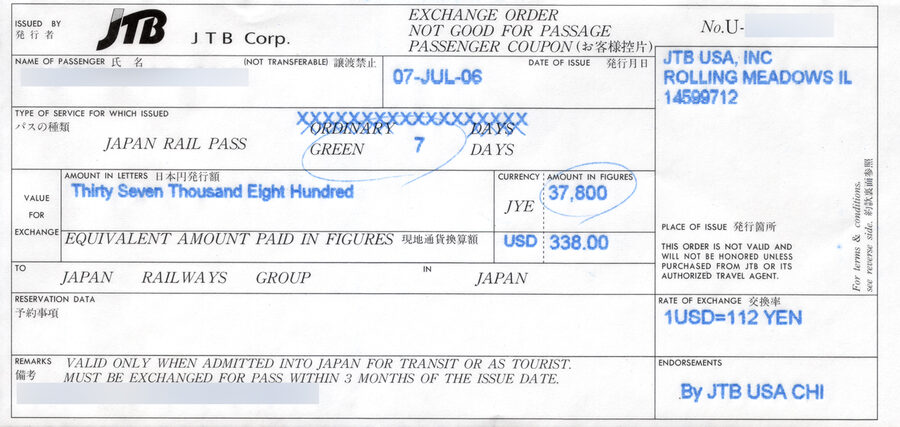
One important detail that confuses a lot of people: dual nationals (Japanese plus another passport) cannot use the pass. JR’s wording is that the pass is for foreign tourists, and if you carry a Japanese passport you’re not one, even if you arrived on the other one. The exchange counter doesn’t always check, but officially the rule is firm.
The breakeven math, three itineraries
The fastest way to decide whether to buy the pass is to price out the trips you’re actually going to take and compare the totals to ¥50,000 (7-day) or ¥100,000 (21-day). I’ll do the three most common shapes here. The fares I’m using are the published JR Hikari/Sakura/Kodama prices in Ordinary reserved seats, which is what the JR Pass entitles you to. Nozomi and Mizuho fares are slightly higher and the pass doesn’t cover them anyway.
Itinerary 1: the Golden Route, Tokyo, Kyoto, Osaka
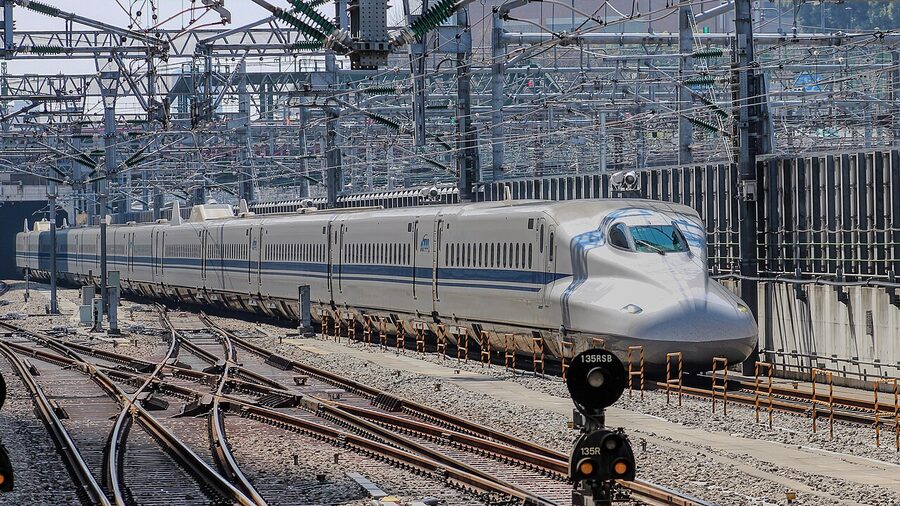
This is the trip almost every first-timer plans: fly into Tokyo, spend a few days, take the shinkansen to Kyoto, day trip to Nara, day trip to Osaka, fly home from Kansai (or back to Tokyo). The classic ten-day, nine-night version.
Pure rail costs at JR Hikari fares, in reserved Ordinary class:
- Tokyo to Kyoto: about ¥14,170
- Kyoto to Osaka (local JR): about ¥580
- Osaka to Nara (JR Yamatoji Line): about ¥820
- Nara back to Kyoto: about ¥720
- Kyoto back to Tokyo: about ¥14,170
Total, roughly ¥30,460. The 7-day pass at ¥50,000 loses you about ¥19,500 on this trip. Even if you add Narita Express to and from the airport (around ¥3,070 each way, covered by the pass), and a day trip from Tokyo to Hakone (around ¥2,310 each way on the Tokaido Shinkansen to Odawara), you’re still well under ¥50,000.
So for the Golden Route done at a normal pace, the pass loses money. This is the conclusion that most first-timers don’t reach before they buy, because the comparison they’re making is implicit (“rail is expensive in Japan”) rather than calculated.
Itinerary 2: the Golden Route stretched, with Hiroshima
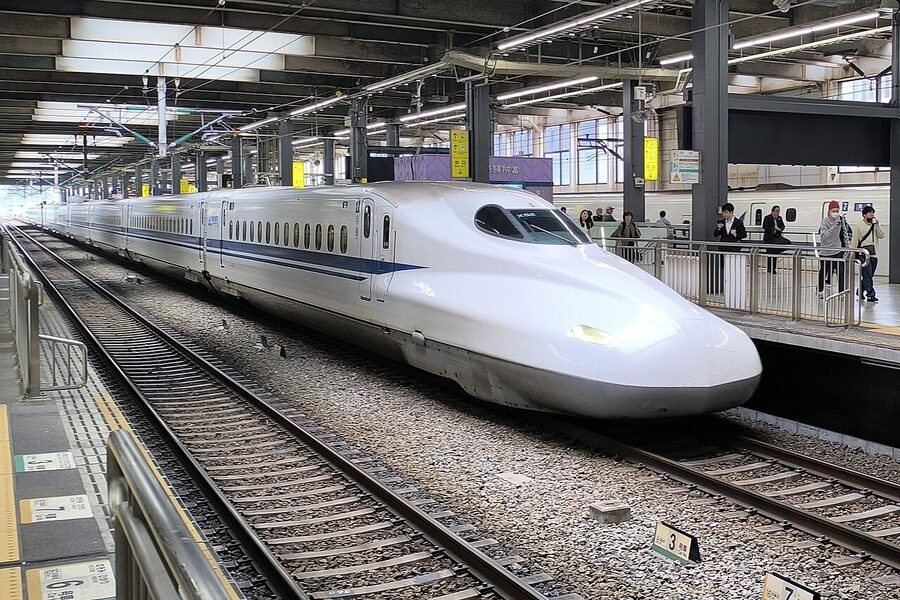
Add Hiroshima and Miyajima to the Golden Route and the math flips. Tokyo to Hiroshima return on a Hikari is about ¥39,520 alone. Add the Tokyo, Kyoto, Osaka, Nara base from above and you’re at roughly ¥70,000 of rail, plus the local hop from Hiroshima to Miyajimaguchi (which the pass also covers, including the JR ferry over to the floating torii). At that point the 7-day pass at ¥50,000 is a clear win, and you can keep going to Hakone or Nikko on the same pass without spending any more.
The general rule: if you’re doing one round trip from Tokyo as far as Kyoto, the pass loses. If you’re going further than Kyoto, or you’re doing two long round trips out of Tokyo (one to Kyoto, one to somewhere else), it usually wins.
Itinerary 3: Tokyo to Hokkaido
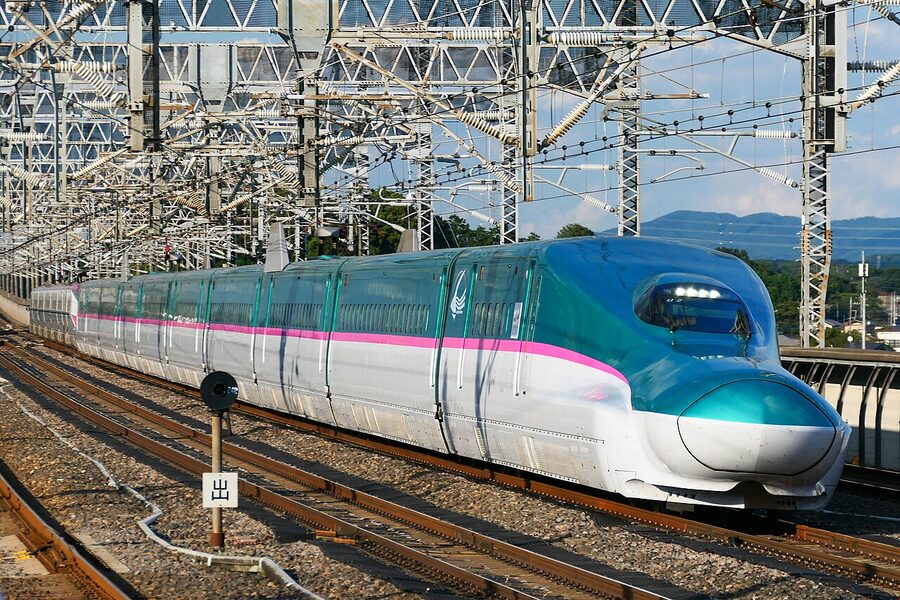
Tokyo to Shin-Hakodate-Hokuto on the Hayabusa is about ¥23,430 one way, four hours and a bit. Add the JR limited-express transfer from Shin-Hakodate-Hokuto to Hakodate Station (about ¥3,930 with the limited-express surcharge, or you can take the local for less, both covered by the pass). Round trip Tokyo to Hakodate, all in, around ¥55,000.
That single round trip alone makes the 7-day pass break even. If you then do Tokyo to Kyoto, or anything else, you’re solidly in profit. Tokyo plus Hokkaido is the strongest pro-pass case in any first-time itinerary, and it’s the case competitors usually undersell because they’re padding word counts on the Golden Route instead.
If you also want Sapporo (an extra three and a half hours by limited express from Hakodate, around ¥9,440 one-way), the maths get even more emphatic. The shinkansen does not yet reach Sapporo: the extension is under construction with a planned 2030-ish completion, often delayed. Until then, Hakodate is the practical northern end of the bullet train.
What the pass actually covers
The pass covers all JR Group trains nationwide, plus a few specific non-JR lines that are essentially extensions of the JR network. Specifically:
- All shinkansen lines, with one major exclusion: Nozomi and Mizuho services on the Tokaido, Sanyo and Kyushu Shinkansen are not free with the pass. You can still ride them, but you have to buy a separate Nozomi/Mizuho supplement (more on this below).
- All JR limited express, rapid, and local trains on JR-operated lines. This is most of the long-distance network outside the shinkansen.
- The Tokyo Monorail from Hamamatsucho to Haneda Airport.
- The Aoimori Railway between Aomori and Hachinohe (only when going through, not local journeys).
- The IR Ishikawa Railway for through journeys connecting JR West and JR Hokuriku Shinkansen access at Tsubata.
- The Ainokaze Toyama Railway for journeys starting and ending at Toyama and Takaoka.
- The JR-operated Miyajima ferry from Miyajimaguchi to Miyajima island. Covered. The other ferry (run by Matsudai) is not.
- JR buses on local routes (limited): the JR Hokkaido bus on certain Sapporo-area lines, JR Tohoku bus on certain Sendai routes, and so on. Use sparingly; these are useful exceptions, not a substitute for local transit.
What the pass does not cover, even though they live in the same stations:
- Nozomi (Tokaido/Sanyo) and Mizuho (Sanyo/Kyushu) shinkansen. The supplement is around ¥4,960 Tokyo to Shin-Osaka in Ordinary, ¥6,500 to Hiroshima, etc. Each. Each. Ride.
- Private rail: Hankyu, Keihan, Kintetsu, Nankai, Hanshin, Tokyu, Odakyu, Keio, Tobu, Seibu. None of these are JR.
- Subways: Tokyo Metro, Toei, Osaka Metro, Kyoto Subway. None are JR.
- Local buses in cities (other than the limited JR bus exceptions above).
- Sleeper trains like the Sunrise Seto/Izumo: the basic fare is covered, but you pay a sleeper berth supplement.
The Nozomi problem, properly explained
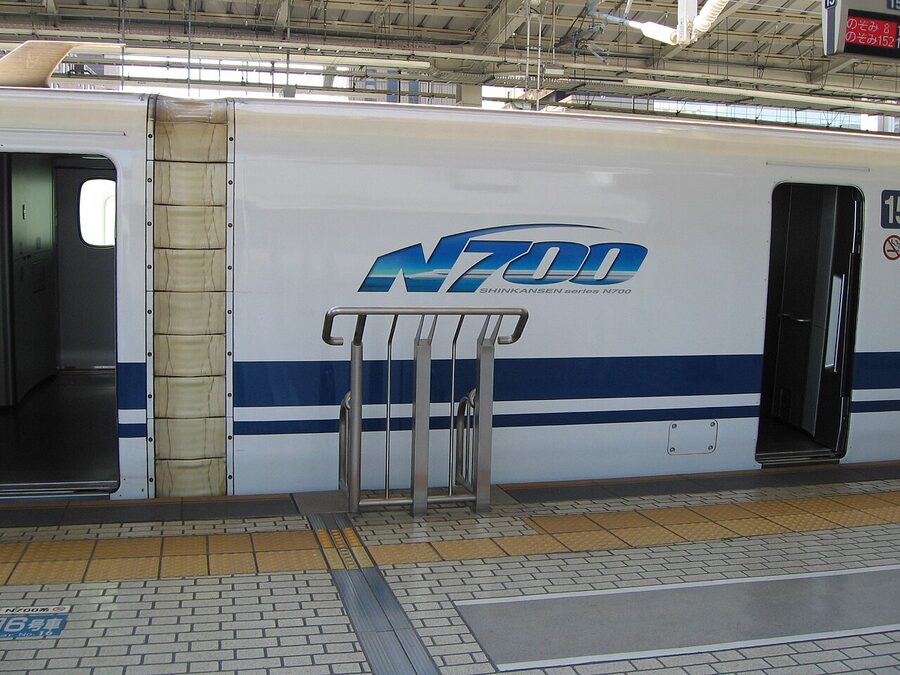
The Nozomi is the fastest service on the Tokaido and Sanyo Shinkansen, the one that runs Tokyo, Shin-Yokohama, Nagoya, Kyoto, Shin-Osaka, Hiroshima, Hakata only. Hikari and Kodama stop more places. The schedule on those routes runs roughly two-thirds Nozomi, one-third Hikari/Kodama, especially during peak hours.
Pre-2023, the pass excluded Nozomi flat: you couldn’t board, end of story. From October 2023 the rule changed so you can ride a Nozomi if you pay a supplement, around ¥4,960 Tokyo to Shin-Osaka, more for longer trips. The supplement is per leg, not per day, and you have to buy it at a JR ticket office (not online via the pass site). Practically, if you’re using the pass you should plan around Hikari and Sakura services instead. The time difference is small: Tokyo to Kyoto is 2h 20m on Nozomi versus 2h 40m on Hikari. Twenty minutes is rarely worth ¥4,960.
The exception: getting from Tokyo to Hakata in one day for a Kyushu connection. That’s where the time savings start to add up and the supplement starts to feel justified.
Ordinary versus Green Car
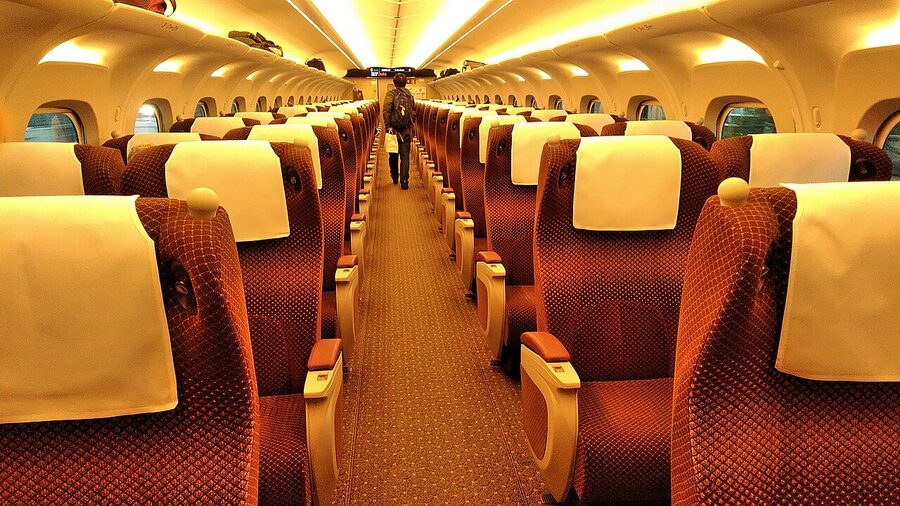
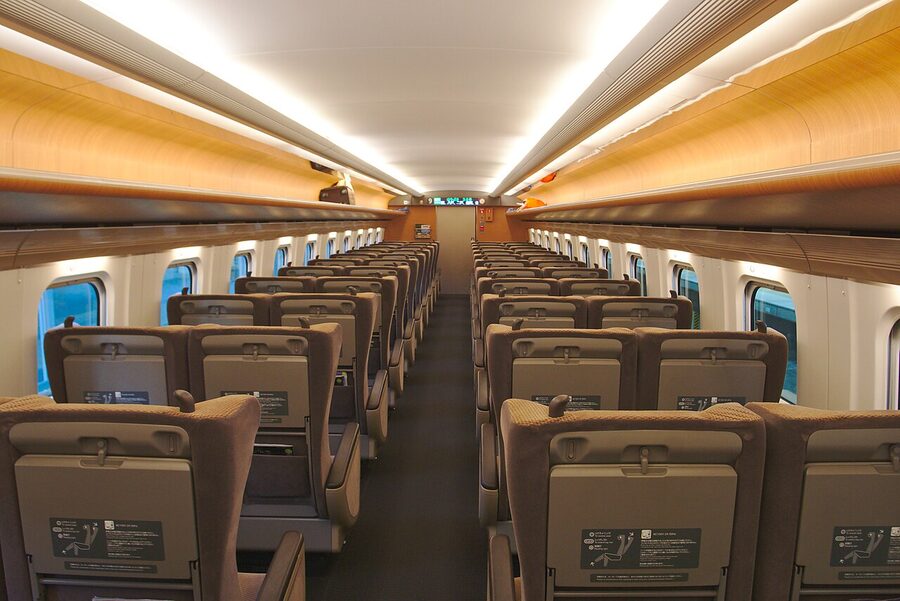
Green Car is the JR equivalent of European first class. Bigger seats, two-and-two layout instead of three-and-two, more legroom, slightly quieter cabin. The seven-day Green Pass is ¥70,000 against ¥50,000 Ordinary, a ¥20,000 premium for whatever stretch of riding you do in that week.
Whether it’s worth it depends entirely on how much you ride. If you’re doing the Tokyo to Hokkaido itinerary above, with three or four long shinkansen legs, the per-hour upgrade cost works out fine. If you’re doing the Golden Route and your longest single ride is Tokyo to Kyoto at 2h 40m, you’re paying ¥20,000 to make about six hours of total seat time more comfortable. That’s around ¥3,300 per hour, roughly a coffee for every fifteen minutes of seat width. Up to you.
One genuine practical reason to choose Green: if you’re travelling at peak periods (Golden Week, Obon, the New Year week, the autumn-leaves weekends in late November), Ordinary reserved fills up and unreserved becomes a standing-room scrum. Green almost always has empty seats and you can usually get a window pair on the day. If you have flexibility on dates, ride Ordinary; if you’re locked into peak travel, the Green premium buys reliability more than comfort.
How to buy and redeem
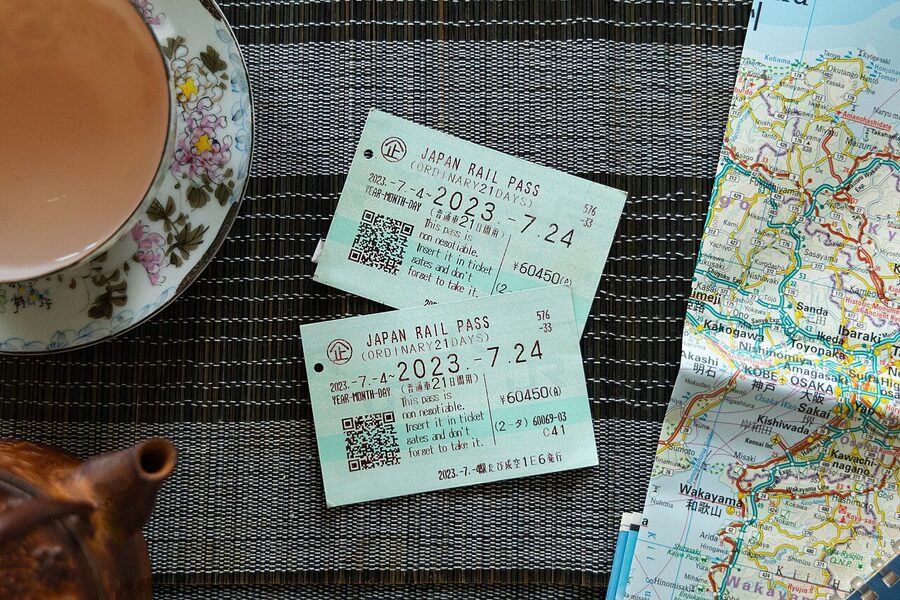
Two ways to buy: the official JR Pass site (japanrailpass.net) or a third-party reseller. Both produce a valid pass; the differences are who you transact with and what you get to do online.
Official site, japanrailpass.net
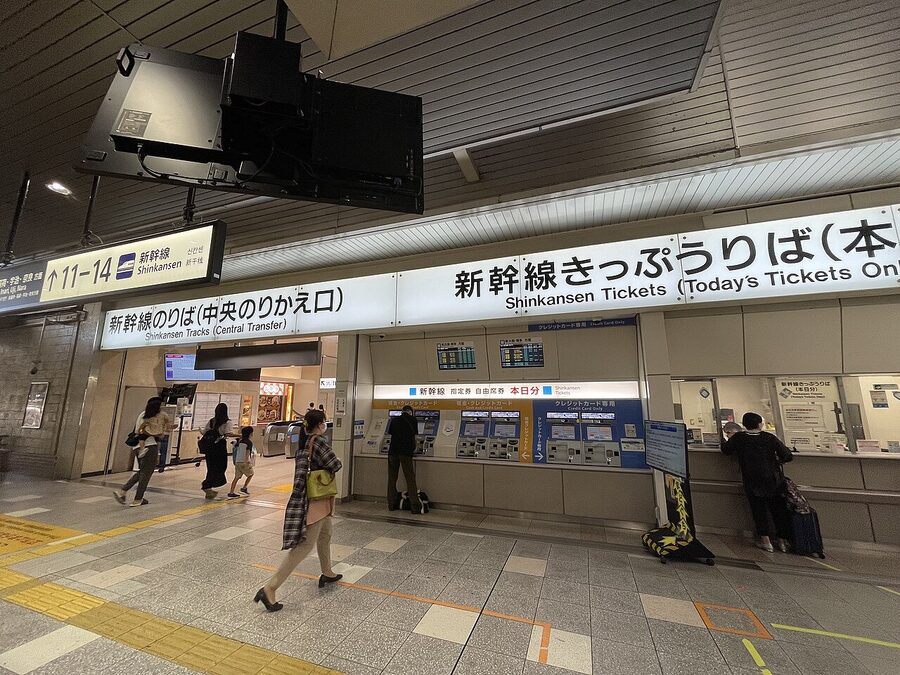
Buying direct from JR has one big advantage: you can reserve your shinkansen seats online before you fly, up to a month in advance. Third-party resellers can’t do this; they ship you a paper exchange order, and you can only book seats once you’ve swapped that for the actual pass at a JR ticket office in Japan. For peak-season travel, the online-reservation option is genuinely useful.
The catch with japanrailpass.net is that the user experience is dated and the site occasionally rejects foreign cards for unclear reasons. Try a different card, try a desktop browser instead of mobile, and try without a VPN if you have one.
Third-party resellers
Klook, Voyagin (now folded into Klook), and JTB all sell exchange orders that ship to your home address before you fly. Klook is the easiest interface and frequently runs ¥1,000-ish discounts off the official price. The trade-off, as above: you can’t reserve seats online with these vouchers; you reserve in person after you’ve redeemed the voucher in Japan. You can buy a JR Pass exchange order from Klook if you want the smoother purchase flow and don’t need pre-trip seat reservations.
The redemption
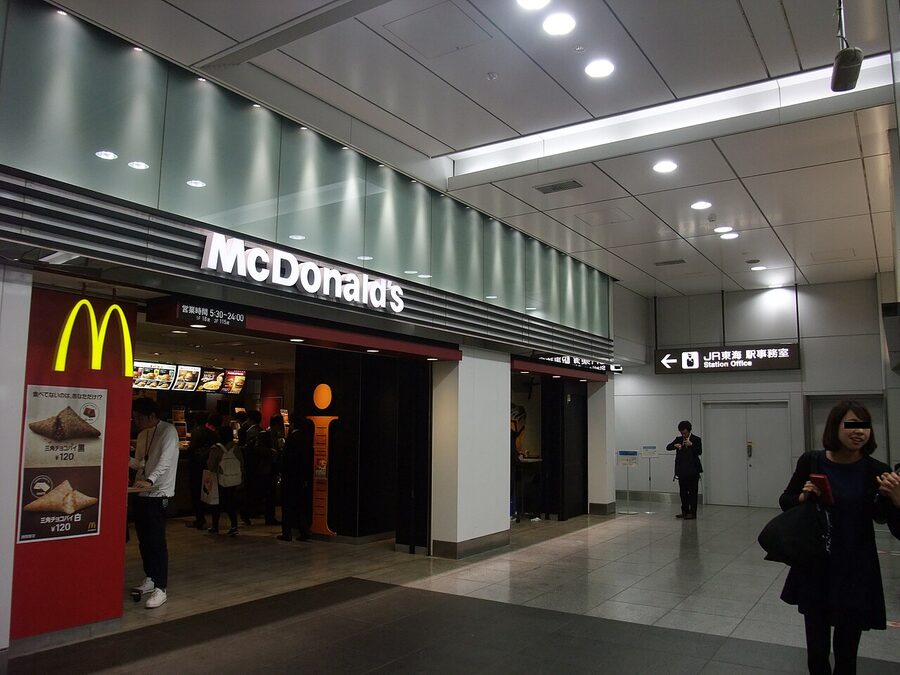
If you bought online from the official site, you can either pick up the card at a designated JR office (the list is on the official site, includes Tokyo, Shinjuku, Shibuya, Ueno, Narita, Haneda, Kansai Airport, Kyoto, Shin-Osaka, Hiroshima, Hakata, Sapporo, Sendai, and a few others), or have it shipped to a Japanese hotel. Designated airport offices are convenient but the queues at Narita and Kansai can be 45 minutes on busy days. If you can wait until your second morning to pick up at a city station, do.
If you bought a third-party exchange order, take the paper voucher, your passport with the Temporary Visitor stamp, and the printed booking confirmation to a JR office. You then choose your activation date, which can be any date within 30 days of voucher issuance. The pass is valid from that activation date for 7 (or 14, or 21) consecutive calendar days, ending at midnight on the seventh day. Plan the activation to start on a long-travel day, not on a Tokyo sightseeing day where you’d burn the first 24 hours doing nothing rail-y.
Reservations and how to get them
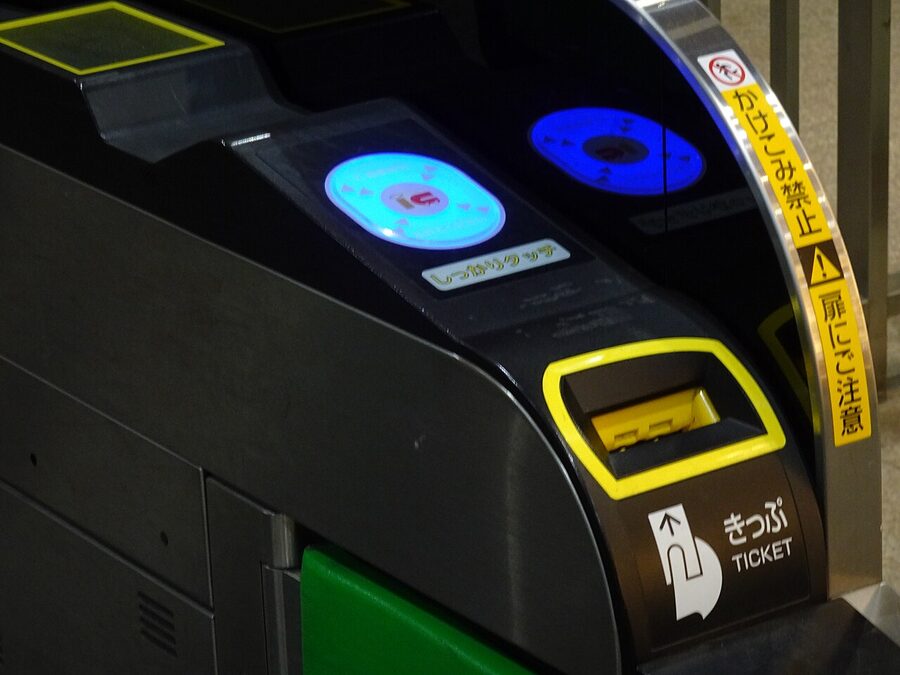
Seat reservations are free with the pass. You don’t have to reserve: every shinkansen has unreserved cars (usually three or four at the rear of the train, often cars 1 to 3 on Tokaido). But during peak periods, unreserved fills up quickly. The reservation process:
Online (only for direct-from-JR purchasers): use the japanrailpass.net members area. Reserve up to one month in advance. The interface is clunky but works.
In person, at any JR ticket office (the green Midori-no-madoguchi sign). Show your card, ask for the train you want by departure time and destination (“Hikari 503, Tokyo to Kyoto, 09:00, please”), get a printed reservation slip in 30 seconds. The slip goes with your card on the train. The agent ticks the seat number on the slip; you hold both as you board.
At a reservation machine. The big silver machines beside the manual ticket counters now accept the new IC-style passes. Touch the screen, English, JR Pass, slot the card in, choose train, choose seat from the diagram, get a slip. Faster than the queue if there is one.
The view from the window seat
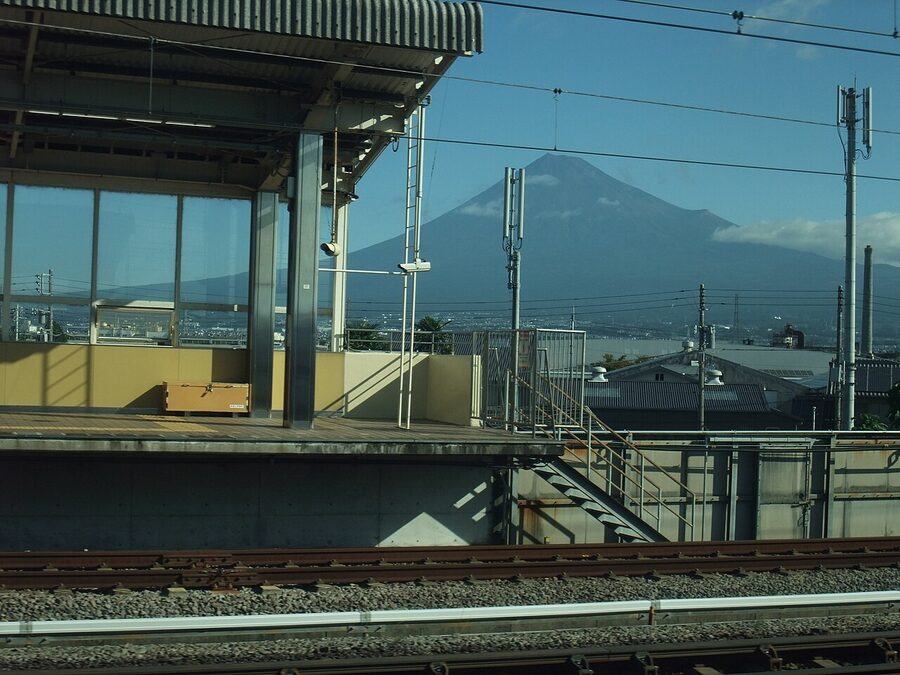
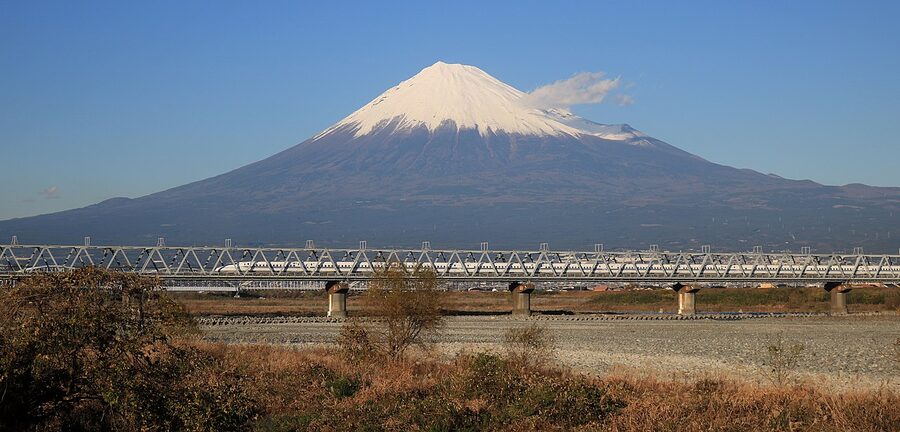
A small but useful note. On the Tokaido Shinkansen between Tokyo and Kyoto, sit on the right-hand side facing the direction of travel and you’ll get the Mt Fuji view. Sit on the left and you get a wall of housing estates and rice paddies. Window seats on the right are seat letters E (in three-and-two ordinary) or D (in two-and-two Green). When booking, ask specifically for “right side, Fuji side, window.”
This matters more than it sounds. Most travellers do that ride once each way, and a clear-day Fuji view is one of the iconic Japan moments. About 60% of westbound rides between November and February have visibility good enough to see the mountain clearly; in summer it’s hidden behind haze most days.
Regional passes: when they beat the national one
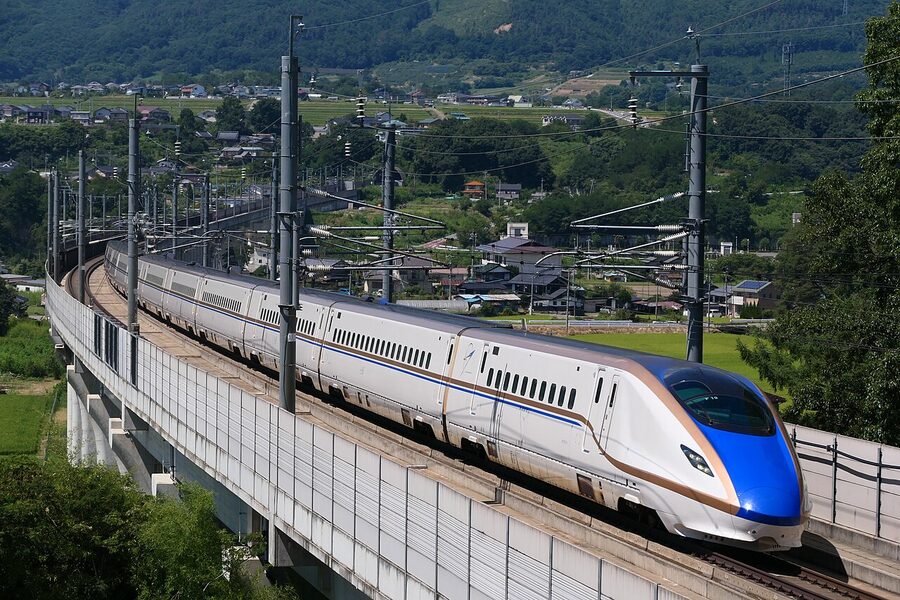
This is the part most published guides skip, and it’s also the part that decides whether the pass actually saves you money.
The six JR companies (East, Central, West, Hokkaido, Kyushu, Shikoku) each sell regional passes that cover only their territory and are dramatically cheaper than the national one. If your trip is concentrated in one region, the regional pass usually beats the national pass by ¥20,000 or more.
JR East regional passes
JR East has a family of regional passes covering northern Japan. The old separate Tohoku and Nagano Niigata passes were consolidated on 13 March 2026 into a single unified JR EAST PASS at ¥35,000 for 5 flexible days within a 14-day window, or ¥50,000 for 10 flexible days, covering the Tohoku, Joetsu, Hokuriku (east of Joetsumyoko), Yamagata and Akita Shinkansen plus most JR East local lines. If you need southern Hokkaido as well, the JR Tohoku South Hokkaido Pass at ¥32,000 (six flexible days) extends to Shin-Hakodate-Hokuto and Hakodate, and the wider JR East South Hokkaido Pass at ¥40,000 stretches further across the region.
If your itinerary is Tokyo plus Tohoku plus southern Hokkaido, the JR Tohoku South Hokkaido Pass at ¥32,000 beats the national 7-day at ¥50,000 by ¥18,000, and you get six flexible days within a longer window instead of seven consecutive ones. I’ve laid this out in detail in the JR East Pass guide.
JR West regional passes
JR West is even more pass-rich. The Kansai Area Pass at ¥3,000 (1 day) up to ¥7,000 (4 days) covers Kyoto, Osaka, Kobe, Nara, Himeji and the Kansai International Airport-to-city routes. The Kansai Wide Pass at ¥15,000 (5 days) extends to Hiroshima, Okayama, Kinosaki Onsen, and the Wakayama coast. The Sanyo San’in Northern Kyushu Pass at ¥30,000 (7 days) covers the entire JR West Sanyo Shinkansen plus Kyushu’s northern half all the way to Kagoshima. The Hokuriku Arch Pass at ¥30,500 (7 days) covers Tokyo, Kanazawa, Kyoto, Osaka via the long way round, which is a quietly powerful loop.
For a Kansai-focused trip with Hiroshima added, the Kansai Wide at ¥15,000 is the obvious choice over the national pass. For a Tokyo to Kanazawa to Kyoto loop, the Hokuriku Arch at ¥30,500 beats the national 7-day by ¥19,500. The whole family is in the JR West Pass guide.
The pass JR doesn’t cover at all
Here’s the part that catches most first-time Kyoto visitors out, often after they’ve already paid for a national JR Pass. The most useful Kyoto transit isn’t JR. Fushimi Inari is on JR Nara line, fine. Kinkaku-ji, Ginkaku-ji, Ryoan-ji, Arashiyama, the Philosopher’s Path, Nishiki Market, the Higashiyama temple cluster: all reached by Kyoto City Bus, the Hankyu Kyoto line, the Keihan main line, or the Kintetsu Kyoto line. None of those are JR.
The Kansai Thru Pass plugs that gap. Two days for ¥5,500 or three days for ¥7,000, valid on basically every non-JR rail line and bus across Kyoto, Osaka, Nara, Kobe, Wakayama, and parts of Mie. If you’re spending more than a long weekend in the Kansai region, this pass earns its money even if you also have a JR pass running concurrently. The full case is in the Kansai Thru Pass guide.
The decision tree, condensed
Here’s the full logic, compressed to the questions that actually drive the answer:
- Are you only doing Tokyo plus a Kyoto/Osaka loop? Skip the national pass. Buy single-leg shinkansen tickets, use a Suica/IC card for everything else, and add the Kansai Thru Pass for the Kyoto/Osaka portion if you’ll be there more than two days.
- Are you adding Hiroshima or going further west? The 7-day national pass at ¥50,000 starts to make sense, especially if you also do Tokyo, Kyoto, Hiroshima as a one-week shape.
- Are you doing Tokyo to Hokkaido? Yes to the 7-day pass, easily. The single Hokkaido return alone covers the cost.
- Is your trip three weeks long, multi-region? The 21-day pass at ¥100,000 may beat regional passes if you’re zigzagging across multiple JR territories. If you’re concentrated in two regions, two regional passes may still beat it.
- Are you concentrated in northern Japan? Use a JR East regional pass; it almost always wins.
- Are you concentrated in Kansai with Hiroshima? Kansai Wide at ¥15,000 is the answer.
- Are you doing Tokyo to Kanazawa loops? Hokuriku Arch Pass at ¥30,500.
- Are you mostly in Kyoto and Osaka? Kansai Thru Pass for the non-JR transit, individual JR tickets for any limited shinkansen legs.
Common questions, briefly
Can children under 6 ride free?
Yes, if they don’t take a separate seat. If you want a reserved seat for a small child, buy a child pass for them at half the adult rate.
What if my pass is stolen or lost?
It is not replaceable. JR will not refund or reissue. Insure separately if you want coverage. The card is small enough to fit in a passport sleeve, which is where I keep mine.
Can I use it on city buses or subways?
Almost never. The exceptions are a handful of JR-operated buses (the JR Hokkaido buses on certain lines, JR Tohoku buses on certain Sendai routes), but you cannot use it on Tokyo Metro, Toei, Osaka Metro, Kyoto City Bus, Sapporo Subway, or any other municipal transit. Get a Suica or Pasmo or ICOCA for those.
Do I need to reserve seats?
No. Every shinkansen has unreserved cars where you can just walk on. Reserve if you’re travelling at peak times (Golden Week late April/early May, Obon mid-August, the New Year week, mid-November autumn weekends), if you have a tight connection, or if you want to guarantee a Fuji-side seat. Reservations are free.
Can I use the pass to get from the airport into Tokyo?
Yes. From Narita, the Narita Express (N’EX) is JR-operated and covered. From Haneda, the Tokyo Monorail to Hamamatsucho is covered. From Kansai International, the Haruka limited express to Kyoto or Shin-Osaka is covered. So you can activate your pass on day one and ride into the city for free.
Can I get a refund if I don’t use it?
If you bought from the official site and never picked up the card, yes, with a 10% admin fee deducted. Once issued (the card is in your hand), refunds are not available.
Does the pass cover the Sunrise overnight trains?
The basic ticket portion is covered. The sleeper berth or seat reservation is a supplement: about ¥5,500 to ¥13,500 depending on cabin grade. The Sunrise Seto/Izumo from Tokyo to Takamatsu/Izumoshi is the only remaining regular sleeper, and it’s a wonderful overnight ride if you’re going west.
What the platform actually feels like
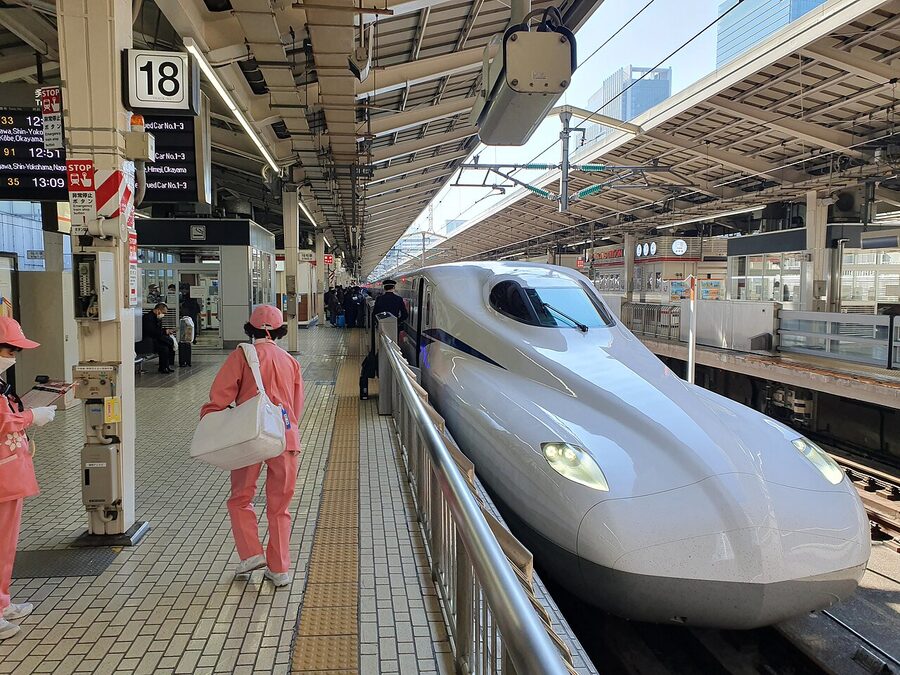
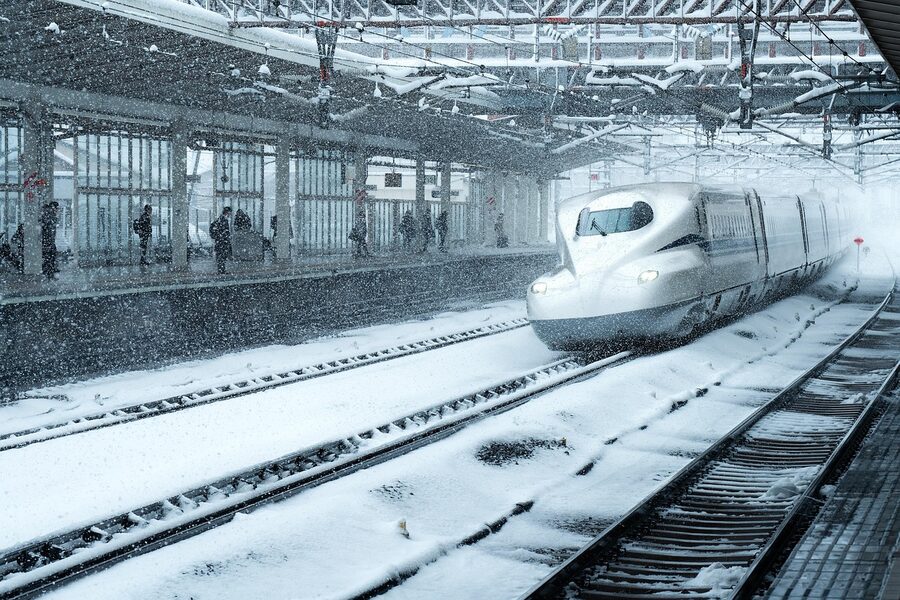
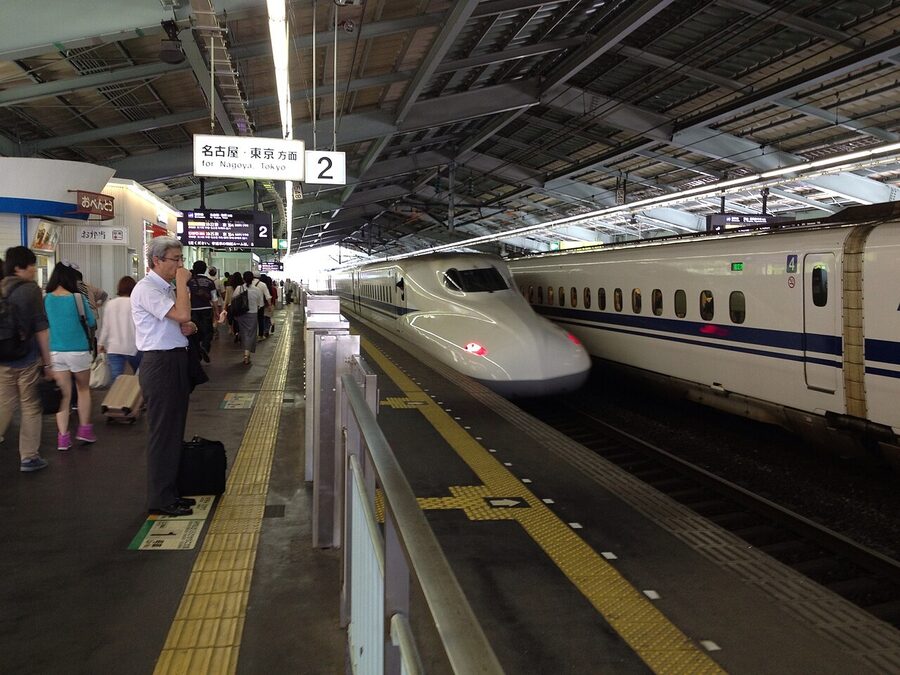
One thing competitor articles routinely undersell: how civilised the shinkansen experience is compared to long-distance rail almost anywhere else. Trains run to the second. Cleaning crews turn a train round in seven minutes. The seat configuration is comfortable (in Ordinary; spacious in Green). The toilet is clean. There’s a snack/drink trolley on Tokaido and Tohoku services. People stay quiet. Nobody plays music aloud. Phones are silent. Conversations are subdued.
The unwritten etiquette: if you’re on a 4-hour ride to Hiroshima, eat your bento at your seat. If you’re on a 1h ride to Nagoya, don’t eat (it’ll feel like the only person eating). Phone calls happen in the vestibule between cars, never at the seat. Big luggage now requires advance reservation on Tokaido/Sanyo/Kyushu Shinkansen if it’s over 160cm but under 250cm summed dimensions: book the “oversize baggage area” seat (free) when you reserve.
Buying ekiben to ride with
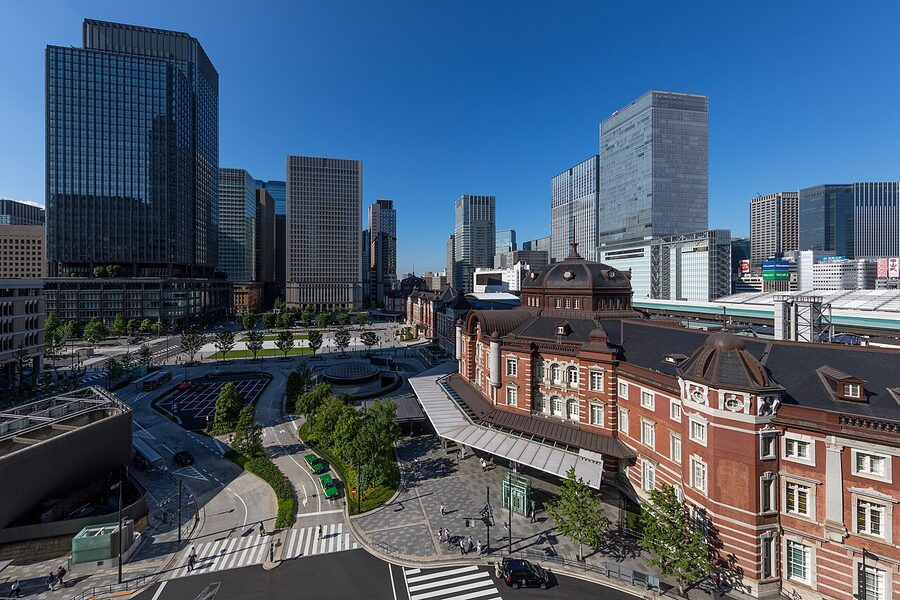
The platform-and-station bento, called ekiben, is part of the experience. Tokyo Station has the most spectacular selection (Ekibenya Matsuri, near the Marunouchi exit, sells about 200 different ekiben from across Japan). Shin-Osaka, Kyoto, Hiroshima, and Sendai all have their own regional specialities. Buy one. Eat it on the train. The combination of a clean intercity train, scenery sliding past, and a properly-made bento is one of the small pleasures of Japan that no flight in any class delivers.
Edge cases worth knowing
The Kyushu Shinkansen and the new Nishi-Kyushu line
The Kyushu Shinkansen (Hakata to Kagoshima-Chuo) is covered by the national pass on Sakura services (Mizuho is excluded the same way as Nozomi on Tokaido). The newer Nishi-Kyushu Shinkansen, which opened in September 2022 between Takeo-Onsen and Nagasaki, is also covered, but you currently have to take a limited express from Hakata to Takeo-Onsen and switch trains. The full direct line through to Hakata is years away.
The JR Central Tokaido versus JR East/JR West
You’ll see references to “JR East trains,” “JR Central trains,” etc. The pass works on all of them, you don’t need to think about it. But the reservation system splits along company lines: a JR East ticket office can usually only reserve JR East trains directly, and you’ll need a JR Central counter for Tokaido reservations. The big shinkansen-junction stations (Tokyo, Shin-Osaka, Hakata, Sendai) have all the company offices in one concourse so you can reserve any combination at one stop.
Limited express trains beyond shinkansen
Some of the most useful pass-included trains aren’t shinkansen at all. The Narita Express (N’EX) from the airport into Tokyo, the Haruka from Kansai Airport into Kyoto, the Yufuin no Mori from Hakata to Yufuin Onsen, the Hokuto from Hakodate to Sapporo, the Wide View Hida from Nagoya to Takayama. All limited express, all covered, all worth a reservation rather than a punt at unreserved seats.
Buying versus skipping, a final word
If your trip’s first half is Tokyo, Hakone, Kyoto, Osaka, Nara and your trip’s second half is anywhere meaningfully further (Hiroshima, Tohoku, Hokkaido, Kyushu), the 7-day national pass at ¥50,000 used in week two (not week one) is usually the right call. The pass starts the day you activate it, not the day you arrive, so you can spend the first week using IC cards and individual tickets, then activate the pass on the morning of the long shinkansen day to Hiroshima or Hakodate or wherever your big swing is.
If your trip is concentrated in one region, take the regional pass that fits. If you’re in Kansai and need temple-cluster transit, the Kansai Thru Pass is more useful than any JR product.
If your trip is mostly Tokyo and the Golden Route at a relaxed pace, skip the JR pass entirely. Pay for individual shinkansen tickets, use a Suica or Pasmo for everything else, and you’ll spend less than the pass would have cost.
The pass made everyone’s first Japan trip easy when it was ¥29,650. At ¥50,000 it’s now a real decision rather than a default. Run the numbers on the trip you’re actually planning. If they say buy, buy. If they say skip, skip without regret.