Tokyo has roughly 800 cherry trees just along the avenue at Ueno, around 800 more flanking 4 kilometres of canal at Meguro, and another 1,000 across the two banks of the Sumida. Add the named gardens, the moats, the temple grounds, the riverside cycle paths and a few thousand street trees nobody bothers to count, and the city goes from being the largest in the world to being, for two short weeks, mostly pink. The catch is that almost nobody catches the right two weeks. The Japan Meteorological Corporation’s average opening date for Tokyo is around 21 March, with full bloom about a week later. In 2026 the JMC’s late-February forecast called the opening for 18 March and full bloom for 26 March. The window between “you arrived too early, the buds are still green” and “you arrived too late, it’s snowing petals” is rarely more than nine days.
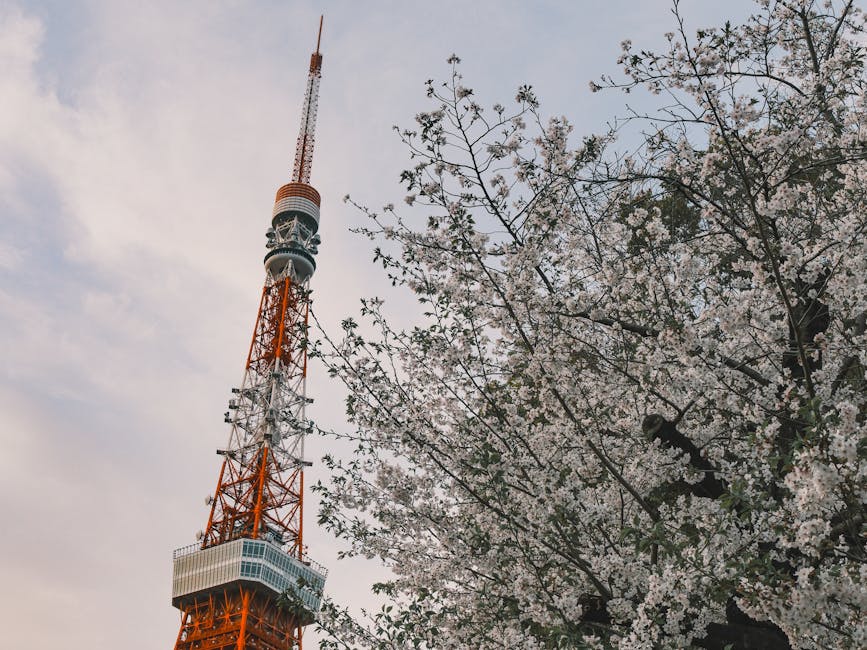
So this is a viewing map, not a top-ten list. I’ve grouped the spots by neighbourhood and by what you actually go there for: the boat-rental classic, the night-lit canal walk, the open-lawn picnic, the temple-grounds stroll, the river view with Skytree behind it, the early-morning pre-crowd visit. I’ll be honest about which ones are crushed in peak week and which ones still feel manageable. Yen prices are 2026 and station-walk times are from the exit you’d realistically use, not the geographic centre of the platform.
In This Article
- When Tokyo’s blossoms actually open
- The forecast, and how much to trust it
- The headline four spots, and what they’re actually like
- Chidorigafuchi: the boat moat
- Meguro River: the canal walk that’s better at night
- Ueno Park: the loud, food-stall classic
- Shinjuku Gyoen: the long bloom and the picnic on the lawn
- Imperial Palace neighbourhood: Yasukuni, Kitanomaru, and the moat walk
- Yasukuni Shrine: where the forecast is officially called
- Kitanomaru Park
- The Sumida side: river, festival, and Skytree
- Sumida Park and the Sumida River walk
- Yakatabune: cherry blossoms from a traditional boat
- The strolling gardens: Rikugien, Koishikawa Korakuen, Hama-Rikyu
- Rikugien: the shidarezakura tree
- Koishikawa Korakuen: the early sakura
- Hama-Rikyu: cherry blossoms with the bay behind
- The Tokyo cherry-blossom map at a glance
- The neighbourhoods worth a wander
- Inokashira Park and Kichijoji
- Asukayama: the Edo-era public hanami
- Hibiya Park: the central skyscraper option
- Yoyogi Park
- Yozakura: cherry blossoms after dark
- Hanami etiquette and what people actually do
- Where the picnic actually works
- Crowd-management strategy: when to go and when not to
- Where to stay for cherry blossom season
- Getting around in cherry-blossom week
- If you’ve mistimed the bloom
- One last specific tip
When Tokyo’s blossoms actually open
The Japan Meteorological Agency tracks bloom on a single standard tree at Yasukuni Shrine. When five to six flowers open on that one tree, Tokyo is officially declared in bloom (kaika, 開花). Eighty per cent open across that same tree counts as mankai, full bloom. From kaika to mankai is usually about seven days, and from mankai to first heavy petal-fall is another four or five. That’s the entire window. Plan a one-week trip and you will land somewhere on it; plan a four-day trip and you are gambling on a forecast.
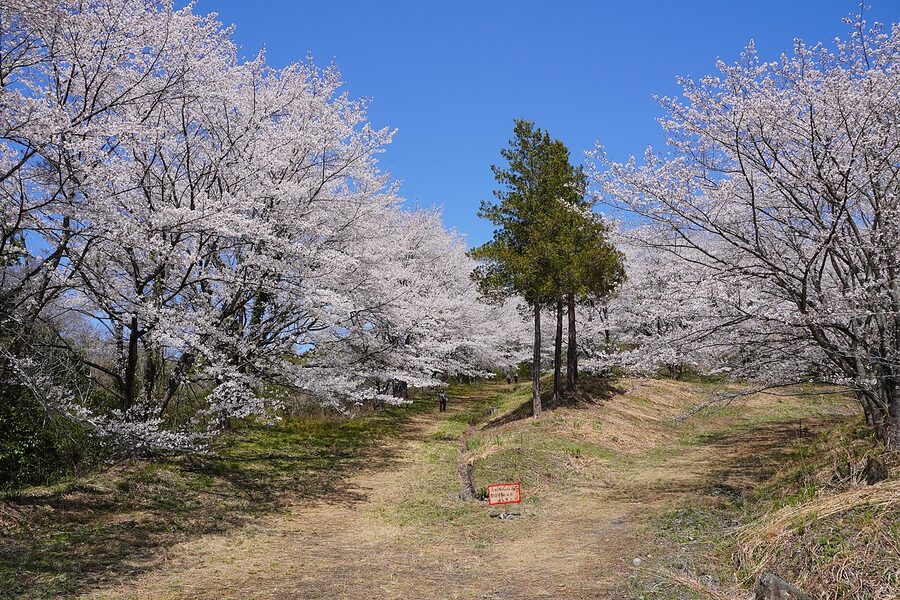
Roughly 80% of Tokyo’s blossoming trees are Somei Yoshino, the cultivar that bloom forecasts and television countdowns measure. It’s a near-clone, propagated entirely by grafting since the late 19th century, which is why every Somei Yoshino in the city opens within a few days of its neighbours. The other 20% are mostly shidarezakura (weeping cherries), yamazakura (mountain cherries), kanzakura and kawazu-zakura (early bloomers in late February), and yaezakura (double-petalled, mid-April). If your trip lands in the second half of April after the Somei Yoshino are gone, you are not too late, you are just looking for the late varieties instead.
The forecast, and how much to trust it
Two organisations publish the cherry-blossom forecast: the Japan Meteorological Agency (the official body that calls kaika) and the Japan Meteorological Corporation (a private outfit, JMC, which is the source most travel sites quote). JMC starts forecasting in late January and revises about every two weeks. The first three forecasts are based largely on long-range temperature averages and are not particularly accurate. The fifth and sixth, in mid- to late February, are the ones to plan from. By early March the forecast is usually within two or three days of what actually happens.
For practical trip planning, I’d book accommodation for a five- to seven-night stay starting around 24 March and accept that you might catch the front edge of the bloom one year and the very back end another. The hotels for that window fill up six months out, so early booking matters more than precise forecast-watching. The full overview of timing across the country is in the cherry blossom in Japan guide, including the southern early-bloom and northern late-bloom shoulders. If you are flexible enough to flip your trip to Hokkaido in late April or early May, that is a genuinely good plan B for a missed Tokyo bloom.
The headline four spots, and what they’re actually like
If you only have time for two or three viewing stops, these are the four most photographed sakura locations in Tokyo, in roughly the order I’d recommend visiting them. They are also four of the most crowded places in the city for those nine days, so I’ve added the practical detail on when to actually turn up.
Chidorigafuchi: the boat moat
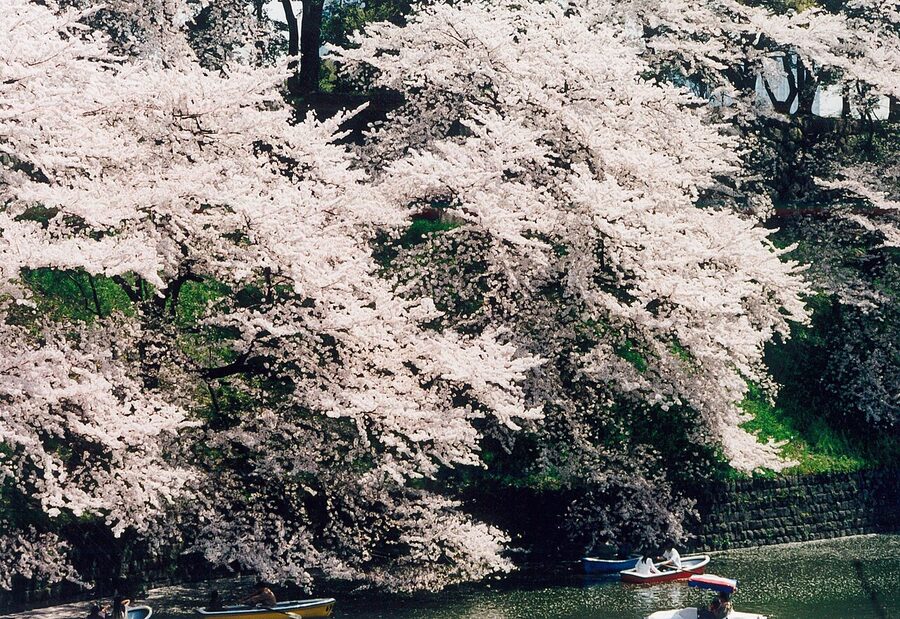
Chidorigafuchi is the western moat of the former Edo Castle, now the Imperial Palace. About 260 cherry trees lean over the water for 700 metres of green-walking-path, and the canonical photograph is taken from a rowing boat looking up. The trees are taller than you expect, the water is glass-still, and on a still morning the reflection doubles the canopy. It’s the spot every Tokyo guidebook puts on its cover for a reason.
Boat hire runs 9:00 to 19:30 during the festival window, with a boat-rental ticket priced at ¥3,000 for 60 minutes during peak sakura season (the standard non-peak rate is around ¥800 for 30 minutes). The 2026 Chidorigafuchi yozakura illumination runs from sunset to 21:00 between 26 March and 6 April. Closest station: Kudanshita, exit 2, then about five minutes’ walk to the boat pier.
The honest truth: the queue for the boat is the worst in Tokyo for any single attraction, regularly two to three hours during peak weekend. The trick is to be at the ticket office before it opens at 09:00 on a weekday. They issue numbered timed-entry tickets, so you collect your slip and come back at the appointed window rather than standing in the queue itself. Weekends during peak bloom: skip the boat entirely and walk the Chidorigafuchi green-way, then cross over to Kitanomaru Park and Yasukuni Shrine, both of which are dense with sakura and a fraction as packed.
Meguro River: the canal walk that’s better at night
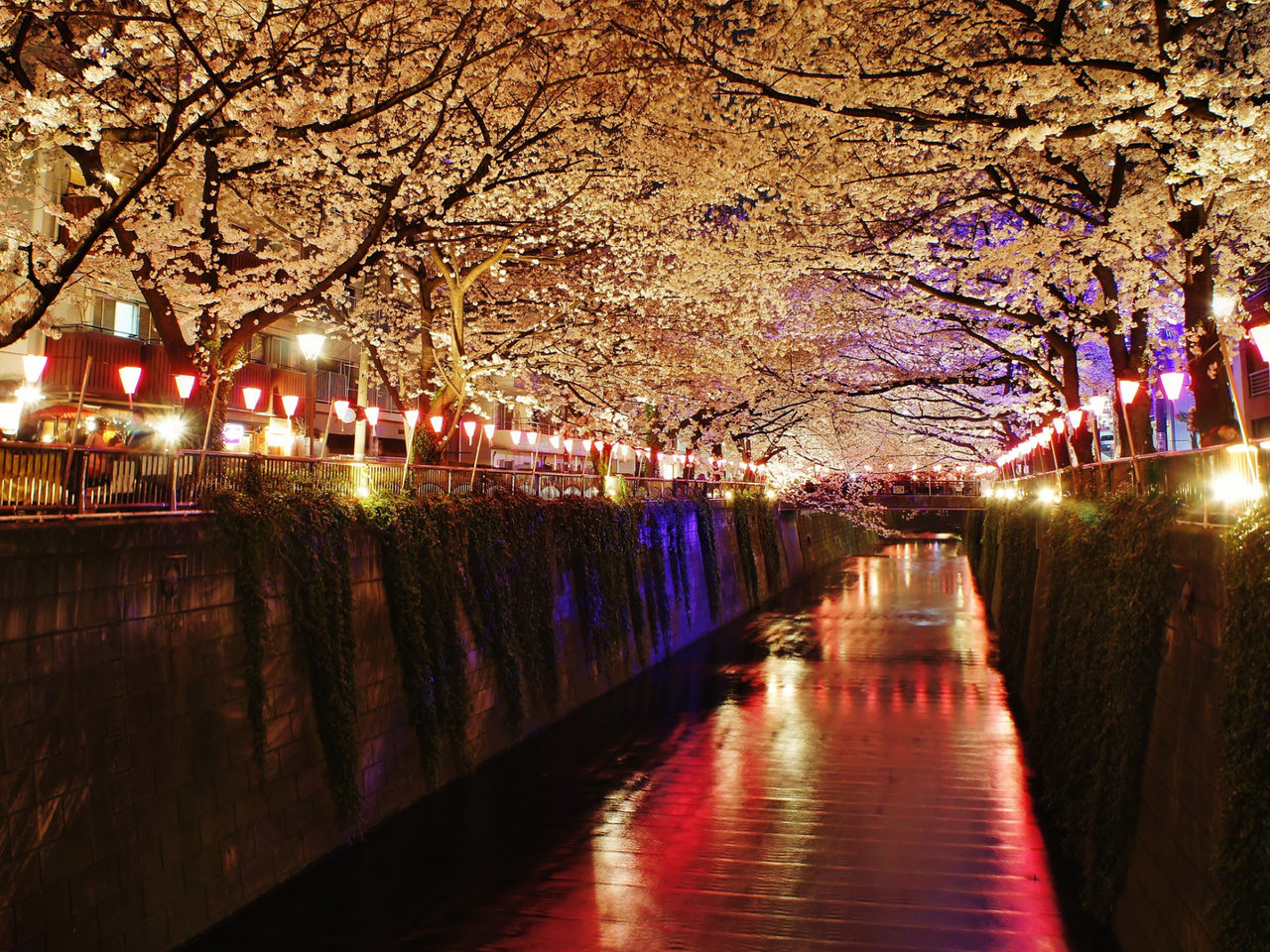
About 800 Somei Yoshino trees line a 4-kilometre stretch of the Meguro River, mainly between Ikejiri-Ohashi station upstream and Meguro Station downstream. The river is barely 8 metres wide, and the branches from opposite banks meet over the water, which is why this beats every wider park for sheer pink-saturation. It also means the canal pulls a heavier crowd per linear metre than anywhere else in Tokyo.
The 40th Nakameguro Cherry Blossom Festival runs Saturday and Sunday on 28 and 29 March 2026, with the lantern illumination strung along the riverside from blossoming through 31 March, lit from 17:00 to around 20:00 once it’s dark. The lanterns are bonbori, the soft round paper kind, and they actually feel different from the harsh festival-stage floodlighting you get in some other spots. Closest station: Nakameguro on the Tokyu Toyoko line and the Hibiya line, exit roughly three minutes from the river.
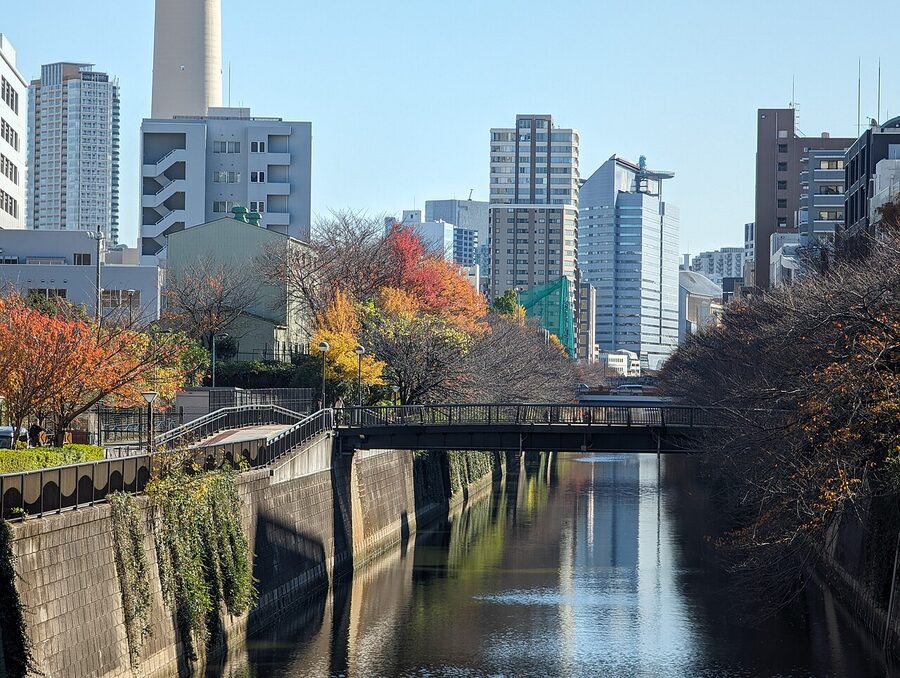
The flow rule on weekends and the festival days is one-way along the riverbank between Ohashi and Naka-Meguro Bridge. Police direct foot traffic and you are not allowed to backtrack, so plan your walk and your photo stops in advance. Buy your amazake and grilled-skewer street food from the carts on the path that’s facing your walking direction, because once you’ve passed a cart you cannot get back to it. I’d visit Meguro twice if your trip allows: morning for tree-against-water photos with manageable foot traffic, then come back at 19:00 for the lantern-lit version. They feel like different places.
Ueno Park: the loud, food-stall classic
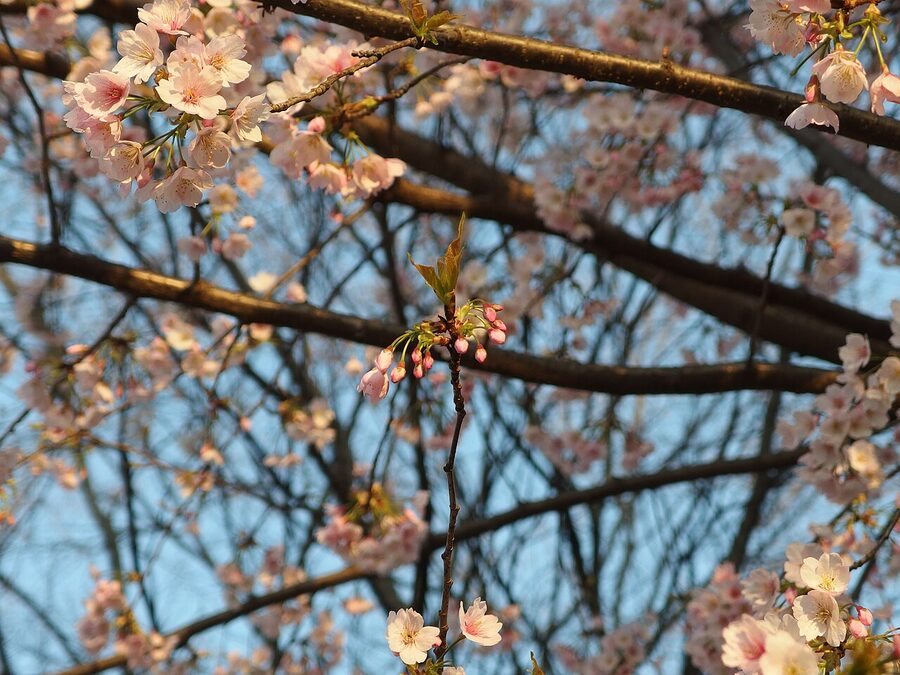
Ueno Park has roughly 1,200 cherry trees and a central avenue dense with about 800 of them, almost all Somei Yoshino. The 2026 Ueno Sakura Festival (“Ueno Sakura Matsuri”) runs 14 March to 5 April, with about 800 hanging lanterns along the main path lit each evening. Ueno is also the only one of the headline four where you can spread a tarpaulin and have a proper Japanese-style picnic, which is the entire point of hanami as locals practise it. Office workers send the most junior employee at 06:00 to claim a patch with a blue sheet, and the rest of the team arrives by 17:00 with beer and convenience-store sushi.
The food stalls (yatai) in Ueno are the densest in the city during sakura week. Yakisoba is ¥500 to ¥800, takoyaki around ¥500 for six, sakura-flavoured taiyaki around ¥300, beer ¥500. None of them are particularly good food, but eating a takoyaki under a 130-year-old cherry tree at 19:00 with 800 lanterns going is a specific Tokyo experience that’s hard to recreate elsewhere. Closest station: Ueno on the Yamanote, Hibiya, Ginza, and Keisei Skyliner lines. Use the Park Exit; you’re at the cherry trees within two minutes.
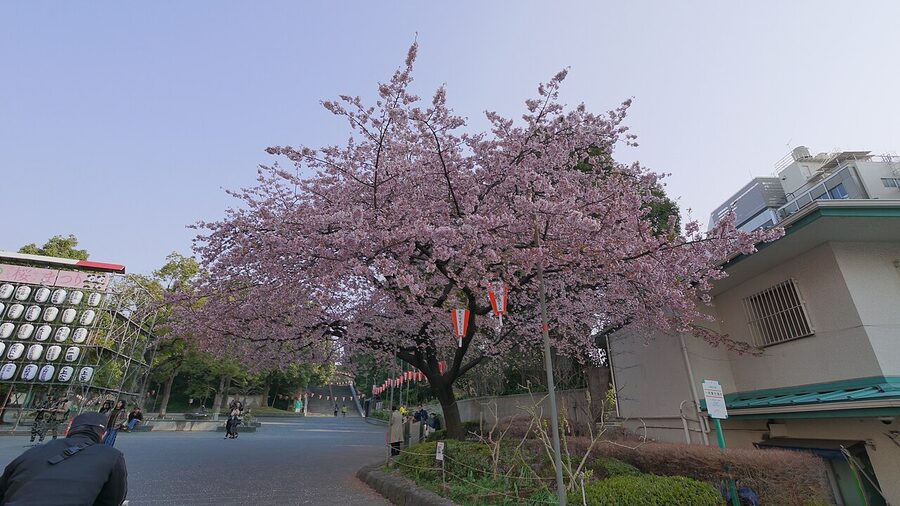
The trick most first-time visitors miss: the central avenue is the loud part, but Ueno Park is enormous, and the Shinobazu Pond half is much quieter, with weeping cherries and a Bentendo temple on a small island. From the Park Exit, walk two minutes to the avenue for the crowd photo, then drift south to the pond for actual breathing room. You can also wander south-west out of the park to Yanaka, which has its own cluster of cherry trees in the cemetery and along Yanaka Ginza, and it’s a fraction as crowded.
Shinjuku Gyoen: the long bloom and the picnic on the lawn
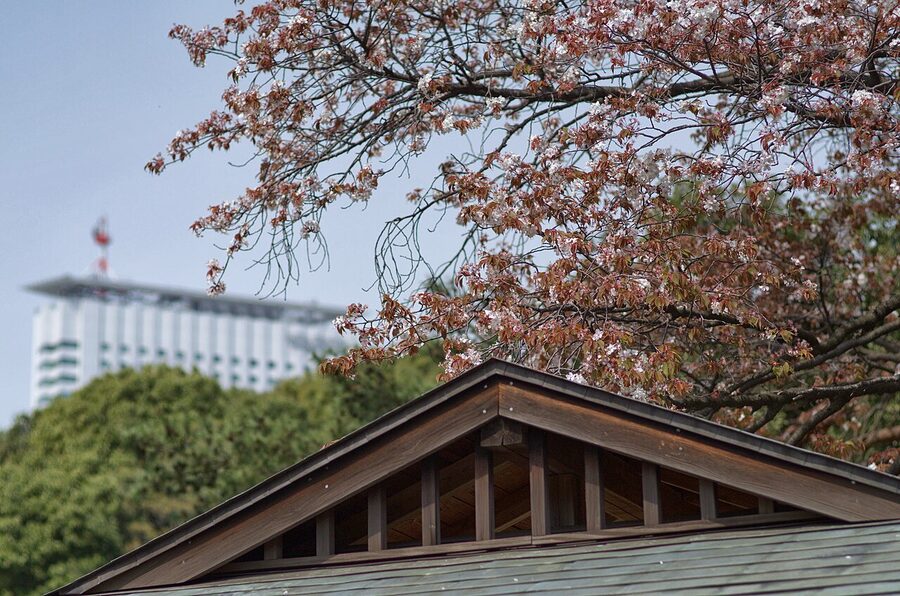
Shinjuku Gyoen has about 1,000 cherry trees across roughly 65 varieties, and that variety is the whole point. While the rest of Tokyo is dependent on the Somei Yoshino bloom for one tight week, Gyoen has early-flowering kawazu-zakura from late February, mid-season Somei Yoshino, weeping shidarezakura, and late-blooming yaezakura that don’t peak until mid-April. So if your trip overshoots peak Somei Yoshino by a week, Gyoen is where you go to still see something blooming.
The 2026 hours are 09:00 to 18:00 (last entry 17:30) from 15 March to 30 June. Entry is ¥500 for adults. Critically, on weekends and holidays during peak sakura week (28 and 29 March, plus 4 and 5 April in 2026), advance timed-entry online booking is required between 10:00 and 16:00; you cannot just turn up and pay. Alcohol is banned inside, which keeps the picnic atmosphere mellow compared to Ueno’s beer-and-shouting. Closest stations: Shinjuku-Gyoenmae (Marunouchi line) for the Okido Gate, three minutes; Sendagaya (Chuo-Sobu line) for the Sendagaya Gate; or 10 minutes from JR Shinjuku south exit if you don’t mind the walk through the south Shinjuku block.
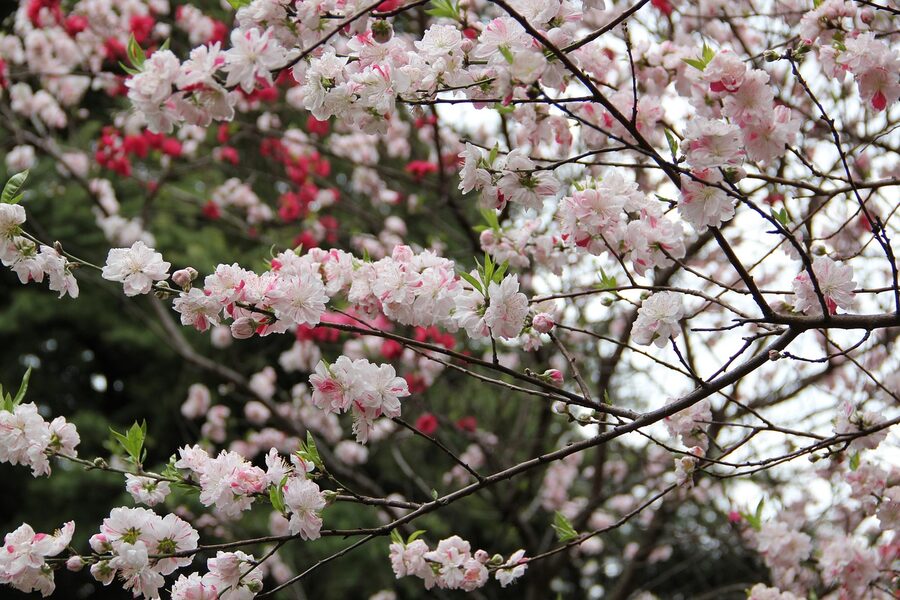
The honest weakness of Gyoen: it closes at 18:00, so there’s no yozakura here. If you want lit trees after dark, pair Gyoen as your morning stop with Meguro or Chidorigafuchi after sunset. Also book the timed entry the moment you decide on dates; the weekend slots disappear within a few days of release.
Imperial Palace neighbourhood: Yasukuni, Kitanomaru, and the moat walk
If you are basing yourself in central Tokyo, three of the city’s classic sakura spots are within twelve minutes’ walk of each other: Yasukuni Shrine, Kitanomaru Park, and Chidorigafuchi (covered in the headline four above). String them together as a single half-day loop from Kudanshita Station and you’ll see most of central Tokyo’s blossoms at one go.
Yasukuni Shrine: where the forecast is officially called
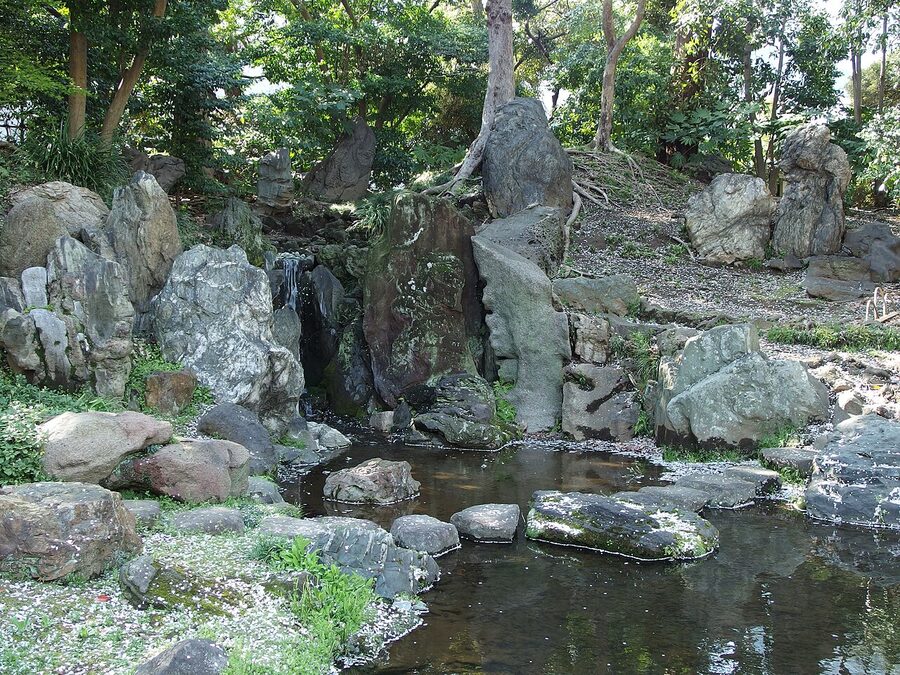
Yasukuni has about 600 cherry trees and one specific Somei Yoshino, marked with a small sign, that is the JMA’s official Tokyo standard tree. When meteorologists declare Tokyo “in bloom” each March, they are reading this exact tree. Yasukuni is also a politically charged shrine, and you’ll see Japanese visitors with strong opinions on both sides. As a foreign visitor I’d treat it as a place to look at the trees and the standard-tree marker, not as a place to make a political statement either way.
The trees are concentrated along the main approach (the sando) and around the second torii gate. There are food stalls during peak bloom and an associated festival, with hours roughly dawn to dusk. Closest station: Kudanshita, exit 1, about five minutes’ walk to the first torii. Free entry to the shrine grounds. From Yasukuni, drop south to Chidorigafuchi (eight minutes’ walk) and east to Kitanomaru (six minutes from the south end of Yasukuni).
Kitanomaru Park
Kitanomaru Park is the green wedge between Chidorigafuchi and the Imperial Palace’s east garden, with about 220 cherry trees mostly Somei Yoshino. It’s open 24 hours (lights out at 22:00) and free, and it’s the spot to walk if Chidorigafuchi’s path is too packed to move on. The Nippon Budokan martial-arts hall sits in the middle of it, which means there’s also the architectural punch of the Budokan’s distinctive octagonal roof against the canopy. Closest station: Kudanshita, exit 2, then five minutes through the Tayasumon Gate.
The Sumida side: river, festival, and Skytree
Sumida Park and the Sumida River walk
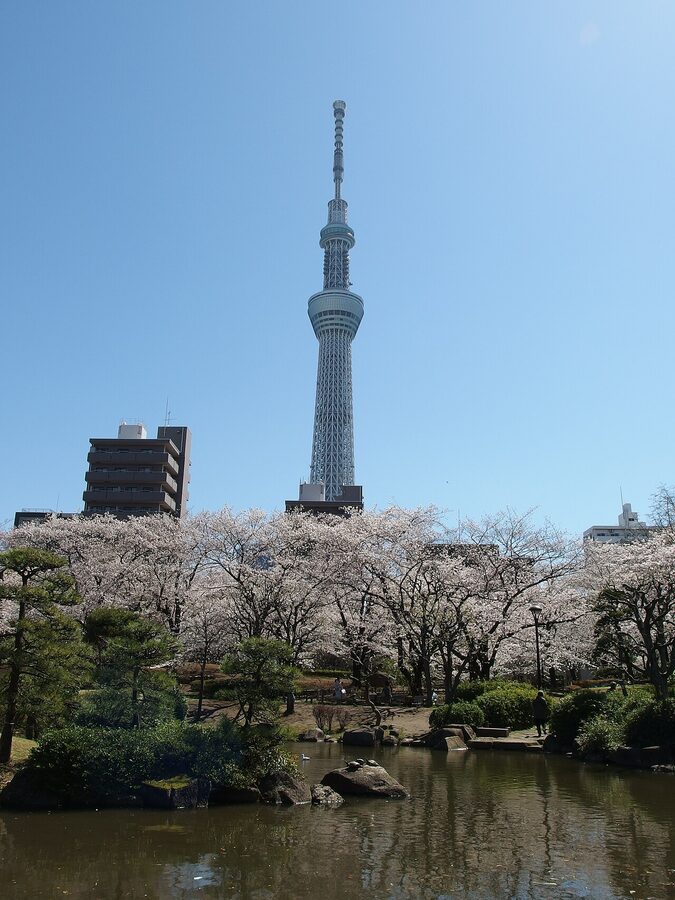
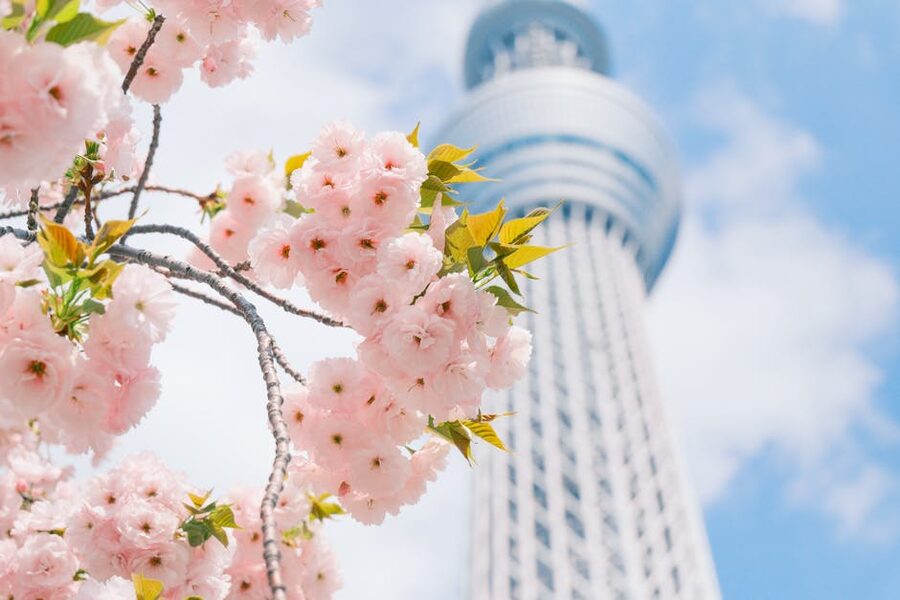
Sumida Park is the long, thin park along both banks of the Sumida River around Asakusa, with roughly 1,000 cherry trees split between the Taito ward (west bank, the Asakusa side) and the Sumida ward (east bank, the Mukojima side). The historical context here is good: the Tokugawa shogun Yoshimune ordered the cherry trees planted in the 1730s specifically so that ordinary Edo townspeople could come for hanami, which makes Sumida arguably the original public sakura park in Japan.
The 2026 Bokutei Sakura Matsuri (墨堤さくらまつり) runs 20 March to 5 April, with the river-bank lanterns lit from around 18:30 to 21:00. Closest stations: Asakusa (Ginza, Asakusa, and Tobu lines) on the west bank, five minutes; Tokyo Skytree station on the Tobu line for the east bank. Walk the Azuma-bashi (Azuma Bridge) crossing for the classic two-bank-with-Skytree photograph from the river itself.
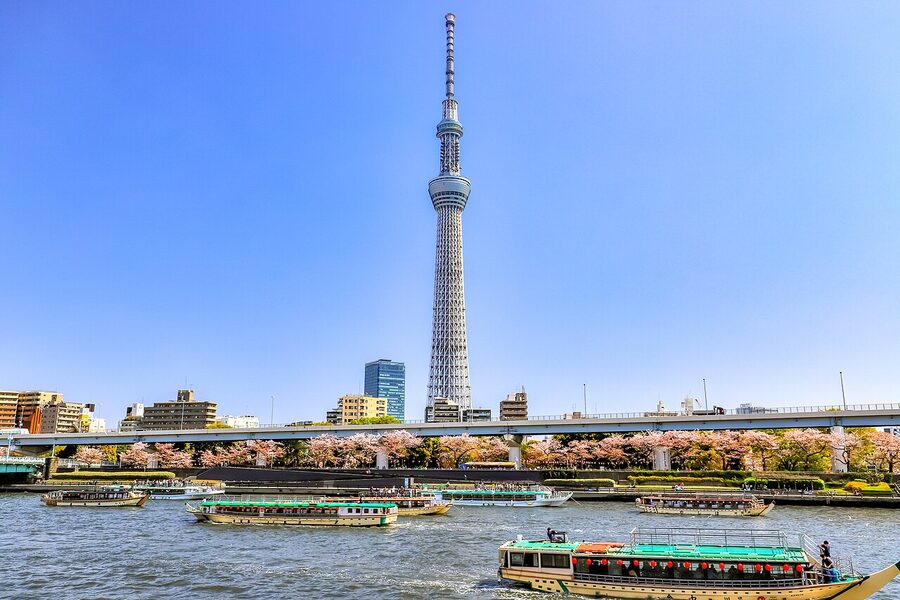
Yakatabune: cherry blossoms from a traditional boat
The Sumida is also Tokyo’s only river with regular evening yakatabune dinner cruises during sakura season. Boats leave from Hama-Matsucho, Asakusa, and Toyosu piers, and the cherry-blossom route runs up the Sumida past Eitai-bashi, Sumidagawa-Ohashi, Shin-Ohashi, and Sakurabashi bridges. Plan to book at least 10 days ahead during peak bloom; popular yakatabune operators sell out completely for festival weekends. Most cruises are a fixed-price set menu, typically ¥10,000 to ¥15,000 per person for a 2- to 2.5-hour dinner cruise. Worth it once for the experience; not a casual walk-up option.
The strolling gardens: Rikugien, Koishikawa Korakuen, Hama-Rikyu
If you want the formal Edo-period strolling-garden version of hanami rather than a riverside crowd-walk, three gardens specialise in it. They are smaller, paid-entry, and feel like a different version of the city.
Rikugien: the shidarezakura tree
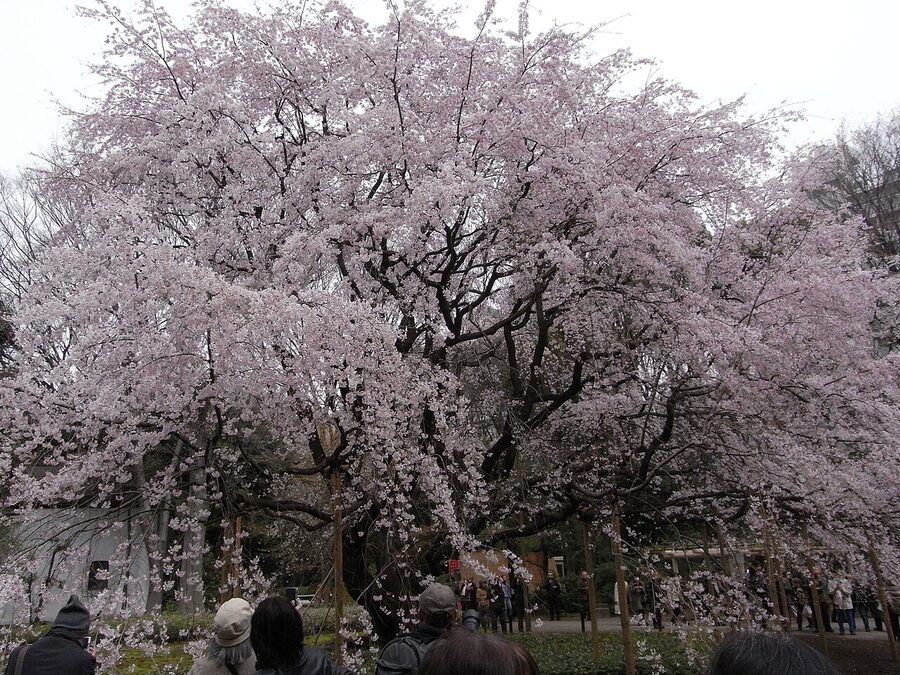
Rikugien is an early-18th-century strolling garden built in 1702 by Yanagisawa Yoshiyasu, a daimyo of the Tokugawa shogunate. It is famous for one specific tree: a 70-year-old shidarezakura just inside the front gate, about 15 metres tall, with branches that cascade downward. The annual Spring Special Evening Opening (the dates change each year; check the Tokyo Metropolitan Park Association site close to your trip) lights this single tree from sunset to about 21:00, and the photograph is in every Tokyo travel feature for a reason.
Standard hours 09:00 to 17:00, last entry 16:30; during the evening opening the garden stays open until around 21:00, last entry 20:00. Adult entry is ¥300, ¥150 for over-65s. Closest station: Komagome, on the JR Yamanote and Tokyo Metro Namboku lines, seven minutes from the main gate. During sakura week, the Somei-mon side gate (two minutes from Komagome) also opens.
Koishikawa Korakuen: the early sakura
Koishikawa Korakuen is a contemporary of Rikugien (founded 1629, completed 1669) and similarly compact, sitting next to Tokyo Dome in Bunkyo ward. The west-entrance weeping cherry typically opens five to seven days before the Yasukuni standard tree. If you’ve arrived early and the rest of Tokyo’s Somei Yoshino are still tight buds, Koishikawa Korakuen is a reliable place to find something already in flower. Hours 09:00 to 17:00, last entry 16:30; entry ¥300 adults, ¥150 over-65s. Closest station: Iidabashi (JR, Tozai, Yurakucho, Namboku, Oedo lines), eight minutes to the west gate.
Hama-Rikyu: cherry blossoms with the bay behind
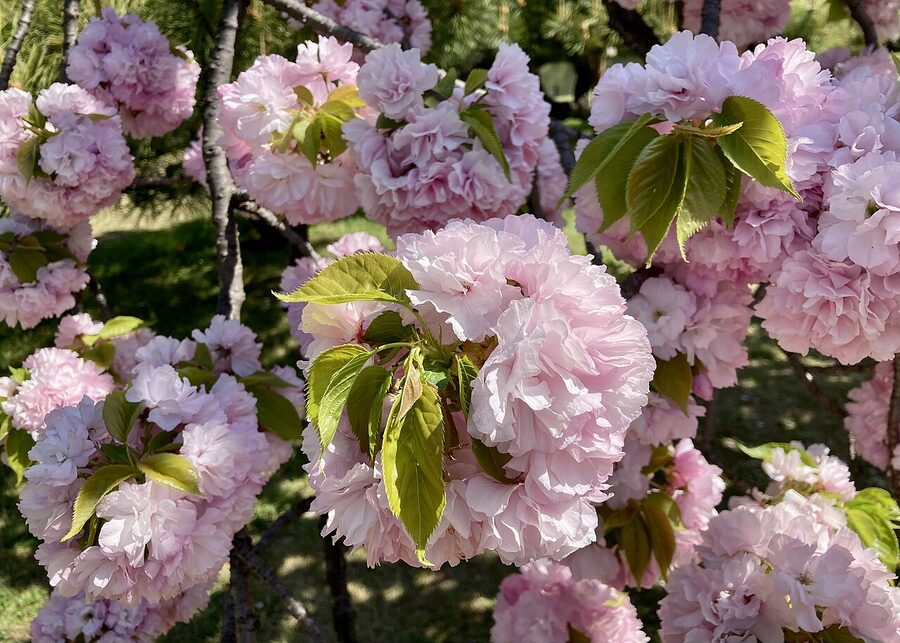
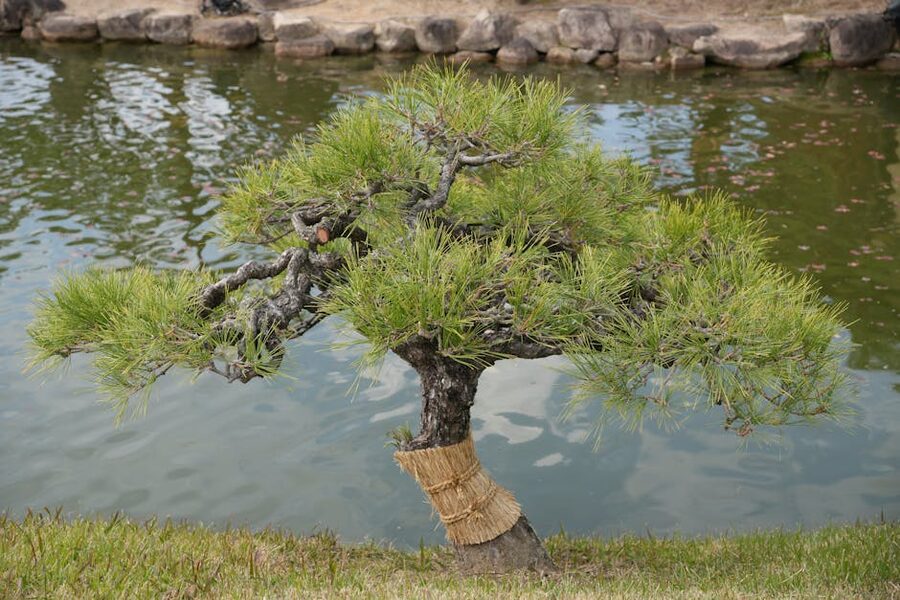
Hama-Rikyu is a former shogunate seaside garden on Tokyo Bay, with a tidal pond fed by salt water from the bay. Cherry trees are scattered rather than concentrated, but there’s also a 300-year-old pine, peony beds, and rapeseed-flower fields, which means the garden is rewarding even if you’ve mistimed the cherry trees. There’s a tea house on an island in the pond serving matcha and a wagashi sweet for ¥850, which is the most pleasant 30 minutes you can buy in a Tokyo garden during sakura week. Hours 09:00 to 17:00, last entry 16:30; entry ¥300 adults. Closest stations: Shiodome (Oedo line, Yurikamome) five minutes; Tsukijishijo (Oedo line) seven minutes. The Tokyo water-bus from Asakusa also lands here, which is a pleasant 35-minute combination with a Sumida walk.
The Tokyo cherry-blossom map at a glance
| Spot | Trees | What it’s for | Crowds | Cost | Closest station |
|---|---|---|---|---|---|
| Chidorigafuchi | ~260 | Boat-rental, palace moat | Crushing weekends | Boat ¥3,000/hr | Kudanshita |
| Meguro River | ~800 | Canal walk, evening lanterns | Crushing at night | Free | Nakameguro |
| Ueno Park | ~1,200 | Picnic, food stalls, lanterns | Loud, dense | Free | Ueno (Park Exit) |
| Shinjuku Gyoen | ~1,000 | Long bloom, lawn picnic | Filtered by ¥500 | ¥500 | Shinjuku-Gyoenmae |
| Yasukuni | ~600 | Standard tree, festival | Moderate | Free | Kudanshita |
| Sumida Park | ~1,000 | Skytree photo, river walk | Heavy weekends | Free | Asakusa |
| Rikugien | 1 famous + ~40 | Weeping cherry, evening lit | Moderate | ¥300 | Komagome |
| Koishikawa Korakuen | ~50 | Early bloomer, geometric garden | Light | ¥300 | Iidabashi |
| Hama-Rikyu | ~80 + variety | Bay-side, tea house | Light | ¥300 | Shiodome |
| Inokashira Park | ~400 | Pond rowing-boats, Kichijoji food | Heavy weekends | Free | Kichijoji |
| Asukayama | ~600 | Edo-original, tram views | Moderate | Free | Oji |
| Hibiya Park | ~50 | Skyscraper backdrop, central | Light | Free | Hibiya |
| Yoyogi Park | ~600 | Lawn-and-shenanigans hanami | Loud weekends | Free | Harajuku |
| Koganei Park | ~1,400 (50 vars) | Long bloom, late varieties | Moderate | Free | Musashi-Koganei (bus) |
The neighbourhoods worth a wander
Inokashira Park and Kichijoji
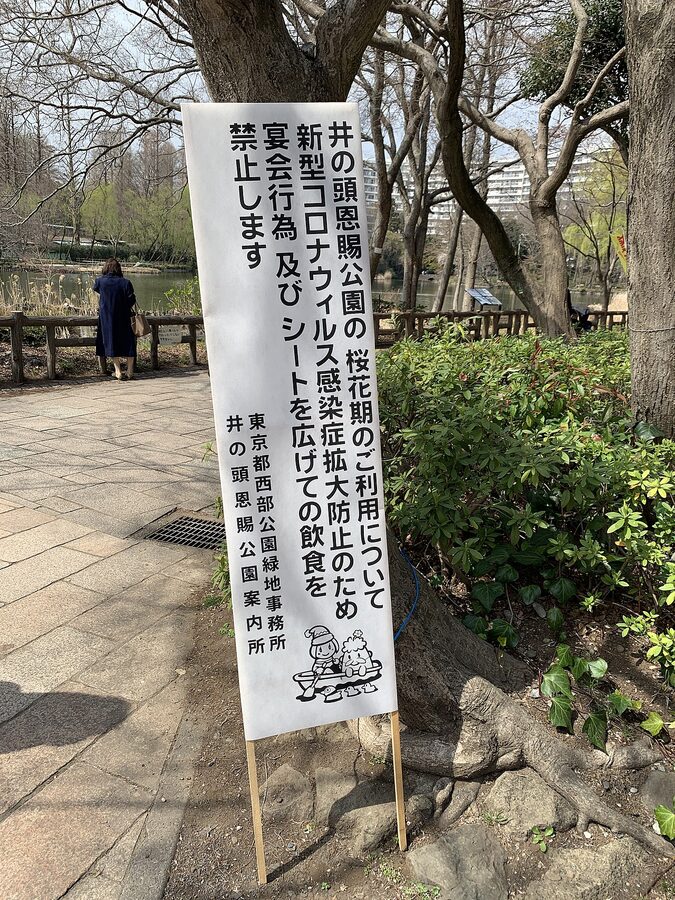
Inokashira Park is in the Kichijoji neighbourhood about 15 minutes by JR Chuo from Shinjuku, with about 400 cherry trees, of which 200 lean over the central pond. You can rent a swan-shaped pedal boat (¥800 for 30 minutes) or a rowing boat (¥700 per 30 minutes) and pass under low cherry branches. The pond half is a long-standing date spot for Tokyo couples. The west end of the park has a small Benten shrine; the east edge runs into the Studio Ghibli Museum (book that one weeks ahead, separate operation). Closest stations: Kichijoji (JR Chuo, Inokashira lines), five minutes from the south exit, or Inokashira-koen station (Keio Inokashira line) one minute. Free entry.
Asukayama: the Edo-era public hanami
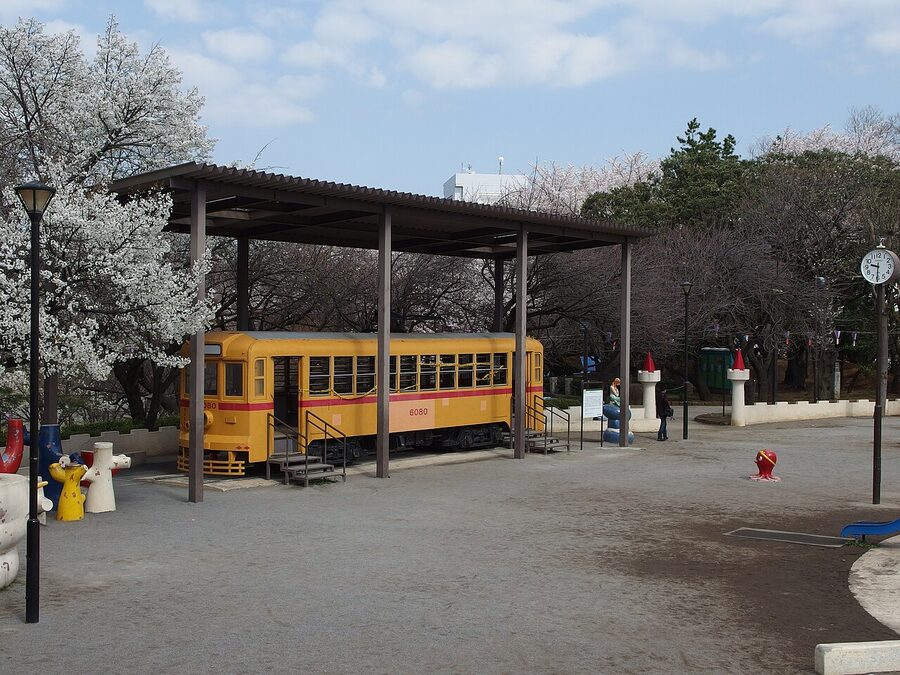
Asukayama Park sits on a small hill in Kita ward, north Tokyo, and was Japan’s first park designated under the 1873 Meiji-era park law, but it had been a sakura spot well before that, planted up by the same Tokugawa Yoshimune who later did the Sumida riverside. About 600 cherry trees. The 2026 Kita-ku Sakura SA*KA*SO Festival runs 28 and 29 March, with taiko drumming and street stalls. The bonus here is the Toden Arakawa line (Tokyo’s last surviving streetcar, branded as the Tokyo Sakura Tram), which trundles past the foot of the hill and creates one of Tokyo’s better street-tram-and-blossom photographs. Closest station: Oji on the JR Keihin-Tohoku and Tokyo Metro Namboku lines, three minutes from the north park gate. Free entry.
Hibiya Park: the central skyscraper option
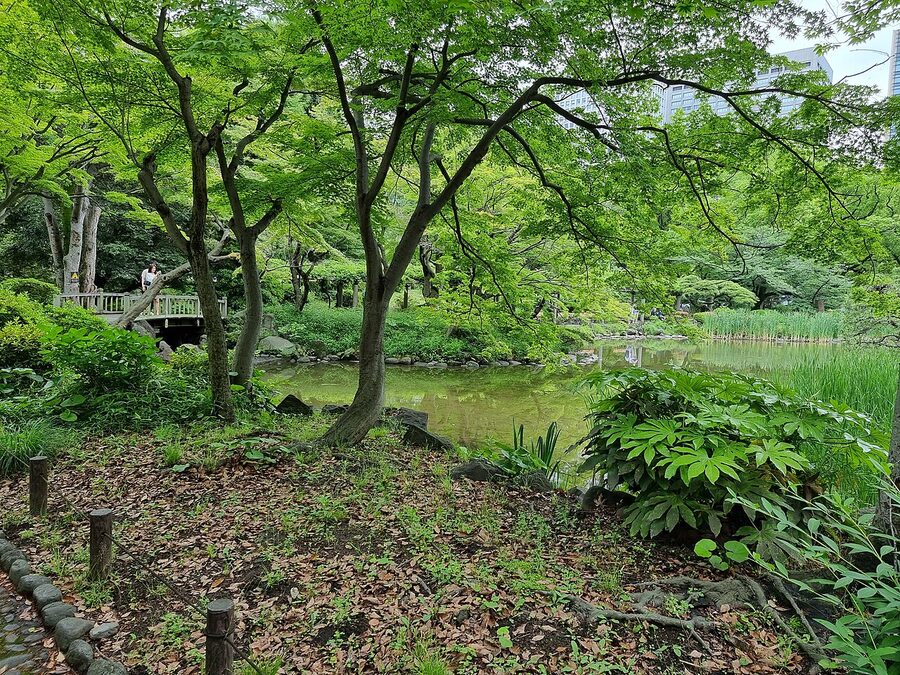
Hibiya Park opened in 1903 as Japan’s first Western-style park, sandwiched between the Marunouchi business district and Ginza. About 50 cherry trees aren’t a huge total but the location is unmatched, three minutes from Hibiya station, four from the Imperial Palace east garden, and seven from Ginza. It’s where I’d send a business traveller who wants to see blossoms over a 45-minute lunch break. Free entry, open 24 hours. The flower beds and the central fountain run alongside the Somei Yoshino, so you also get the Hibiya specific contrast of garden flowers, cherry blossoms, and skyscrapers in a single frame.
Yoyogi Park
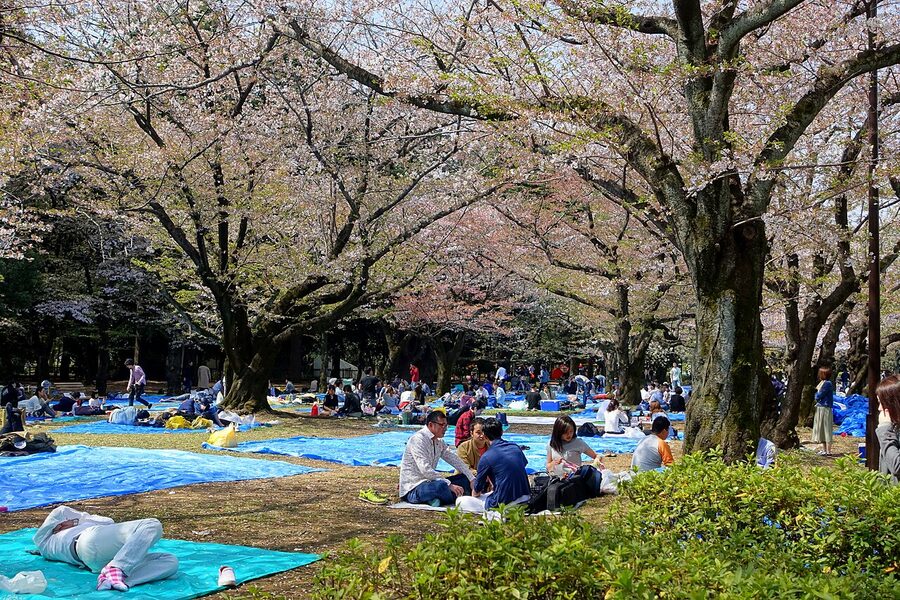
Yoyogi Park is the second-biggest open green space in central Tokyo (after the Imperial Palace’s east garden) and the closest thing to Hyde Park or Central Park in the city’s geography. About 600 cherry trees, mostly clustered near the Harajuku entrance. Yoyogi is the casual hanami park: friends with picnic blankets, dog walkers, the Sunday rockabilly dancers, sometimes a small acoustic gig, and a much more anything-goes atmosphere than Ueno or the gardens. Wide open lawns means you can actually find space, even on a peak Saturday. Closest stations: Harajuku (JR Yamanote) for the south Harajuku gate, or Yoyogi-koen (Chiyoda line) for the north gate. Free entry, open 24 hours.
Yozakura: cherry blossoms after dark
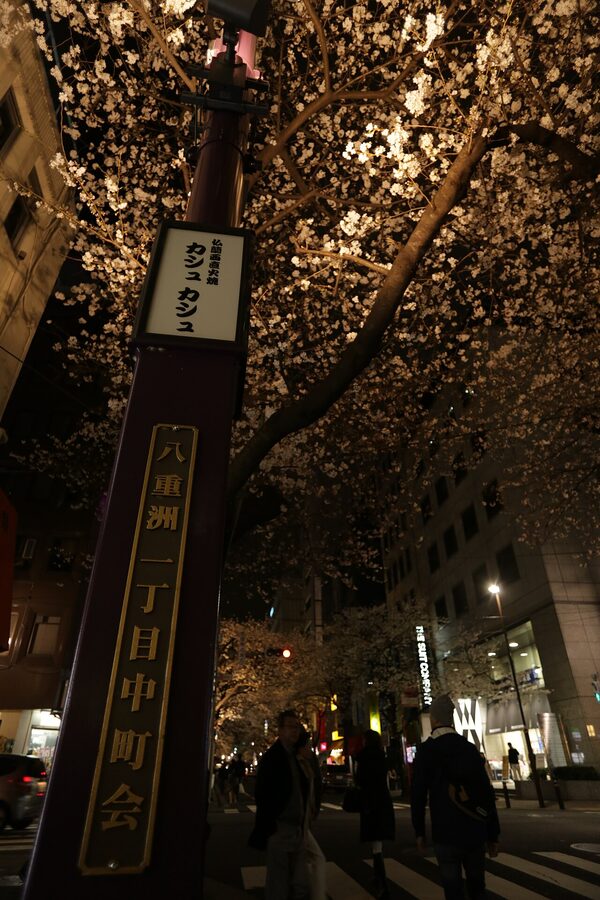
Tokyo runs four high-quality yozakura illuminations during peak bloom, and they are different from each other in lighting style, vibe, and crowd level. Worth picking one rather than trying to do all four:
- Chidorigafuchi: sunset to 21:00, dates 26 March to 6 April 2026. Spotlights below the trees light the canopy from underneath. The boat pier closes for boat rental at 19:30 but the path stays open.
- Meguro River (Nakameguro): bonbori paper lanterns from blossoming through 31 March. Warmer, softer light. The most romantic option, also the most crowded after 19:00.
- Rikugien Spring Special Evening Opening: spotlight on the famous weeping cherry, paid entry. Shorter window, usually a single week.
- Ueno Sakura Matsuri lanterns: 800 paper lanterns along the central avenue, the loudest and most festive. Closest thing to a daytime matsuri at night.
If you have one yozakura evening, I’d choose Chidorigafuchi for the canopy-from-below effect, then walk up to Yasukuni after to see the standard tree lit. The 12-minute walk between them is itself one of central Tokyo’s better night strolls.
Hanami etiquette and what people actually do
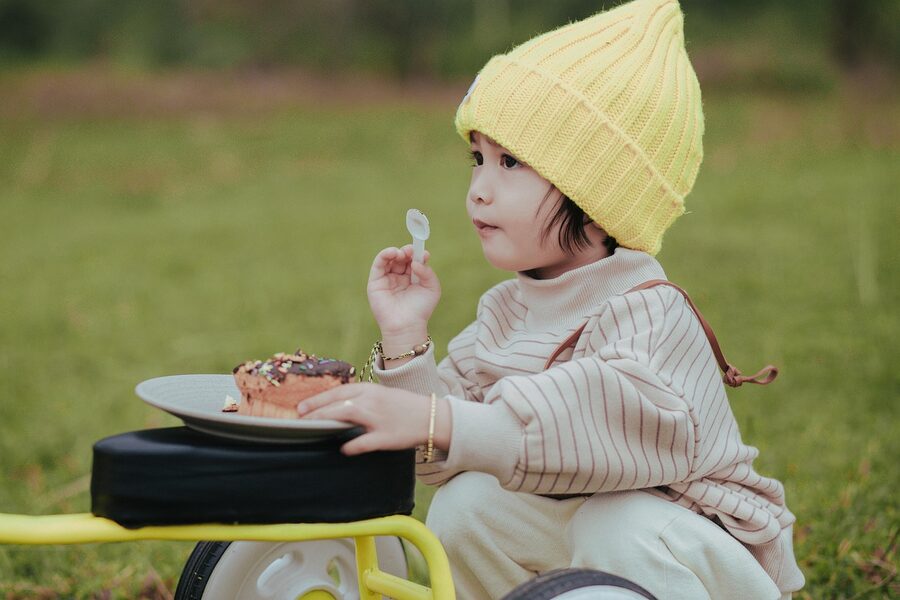
The Japanese practice of hanami, literally “flower viewing”, goes back to the 8th century in the imperial court and broadened to ordinary people in the early Edo period. It is, in modern practice, a picnic with friends or co-workers under the trees. Things people actually do, that you can do without offending anyone:
- Spread a blue tarp (“blue sheet”) on the ground. They are sold at every convenience store and 100-yen shop in March for around ¥200.
- Bring food and drinks from the local convenience store. Onigiri, fried chicken (kara-age), edamame, beer or sake, and the seasonal sakura-themed snacks.
- Sit for hours. The point is not to walk briskly past the trees taking photos; the point is to sit under them and stay.
- Take your rubbish with you. Park bins overflow during sakura week and the polite thing is to walk it back to your hotel rather than leave it stacked.
What not to do: shake the branches for a “blossom snow” effect (the trees are stressed enough without the help), break off branches for souvenirs, smoke directly under the trees, or play loud music in the more formal gardens like Rikugien or Hama-Rikyu where the atmosphere matters. Alcohol is allowed in the public parks (Ueno, Yoyogi, Sumida) but banned in Shinjuku Gyoen.
Where the picnic actually works
Realistically, the parks that suit a picnic are Ueno, Yoyogi, Sumida, and the lawn area at Shinjuku Gyoen (no alcohol). Most of the famous riverside walks, canal-sides, and strolling gardens do not let you sit on the grass for hours. Chidorigafuchi has an explicit no-picnic rule, and Meguro River along the canal has nowhere to spread out anyway. If your priority is the hanami-as-picnic experience, base your day around Ueno or Yoyogi and visit the canals as add-ons.
Crowd-management strategy: when to go and when not to
The bad news is that almost everyone in Tokyo goes to the same six or seven spots within the same nine days, so peak crowding is very real. The good news is that the time-of-day pattern is consistent enough to plan around. Some honest crowd notes from years of getting it wrong:
- Before 09:00 anywhere is calm. Even Chidorigafuchi and Meguro feel manageable at 07:30. Photograph in the morning, picnic in the afternoon.
- The lunch-time lull is real. Between 12:00 and 14:00, mid-week, the most-photographed spots empty out by maybe 30 per cent. If your only window is mid-day, take it.
- The 16:00-to-19:00 transition slot is the worst. Daytime visitors haven’t left and the night-illumination crowd is arriving. Skip this window if you can.
- After 21:00 the night spots wind down quickly. Last 30 minutes of any illumination are nearly empty.
- Peak weekends (the Saturday and Sunday in full bloom) are unique. If your trip overlaps and you don’t love crowds, swap to one of the lighter spots: Kitanomaru Park instead of Chidorigafuchi, Hama-Rikyu instead of Ueno, Hibiya instead of Meguro.
The rough hierarchy of crushability, from worst to most manageable: Meguro at night > Chidorigafuchi boat queue > Ueno avenue weekend afternoon > Sumida lantern evening > Shinjuku Gyoen weekend > Yoyogi weekend > Inokashira boat queue > Asukayama > Rikugien (paid entry filter) > Hama-Rikyu > Hibiya > Koishikawa Korakuen.
Where to stay for cherry blossom season
Tokyo hotels for the blossom window book up four to six months out and the prices roughly double. If you have flexibility on dates, save your money and come a fortnight earlier or later; if you don’t, book early and accept the rate. Three neighbourhoods that put you closest to the most viewing spots:
- Shinjuku. Walk to Shinjuku Gyoen, easy JR Chuo to Inokashira, easy Marunouchi line to Ochanomizu and the moat walk. The most amenities for first-timers.
- Asakusa or Ueno. Walk to Sumida Park, walk to Ueno Park, easy Ginza line to anywhere central. Cheaper than Shinjuku, with a more old-Tokyo neighbourhood feel.
- Marunouchi or Otemachi. Walk to Chidorigafuchi, walk to Hibiya, walk to Tokyo Station for shinkansen day-trips. The most expensive option and the least street life, but a corporate traveller’s dream.
I’d skip Shibuya for a sakura-focused trip. There are some street trees on Shibuya Sakura-zaka and the Cerulean Tower area but the neighbourhood doesn’t earn its rate during this specific week. Skip Roppongi for the same reason. Tokyo Midtown has its own MIDTOWN BLOSSOM event, but it doesn’t justify the area’s hotel premium.
Getting around in cherry-blossom week
Tokyo’s rail system absorbs the increased traffic well: the only hot spots are the platform crowds at Nakameguro, Kudanshita, and Ueno on peak weekend days, and even those add only five or ten minutes to your average commute. A Suica or Pasmo IC card is the most flexible payment. The 24-hour, 48-hour, and 72-hour Tokyo Subway Tickets (¥800/¥1,200/¥1,500 for adults) are cheaper than IC cards if you’re doing four or more rides per day on the Tokyo Metro and Toei Subway, which a sakura day usually involves. Buy at the airport or at metro information counters.
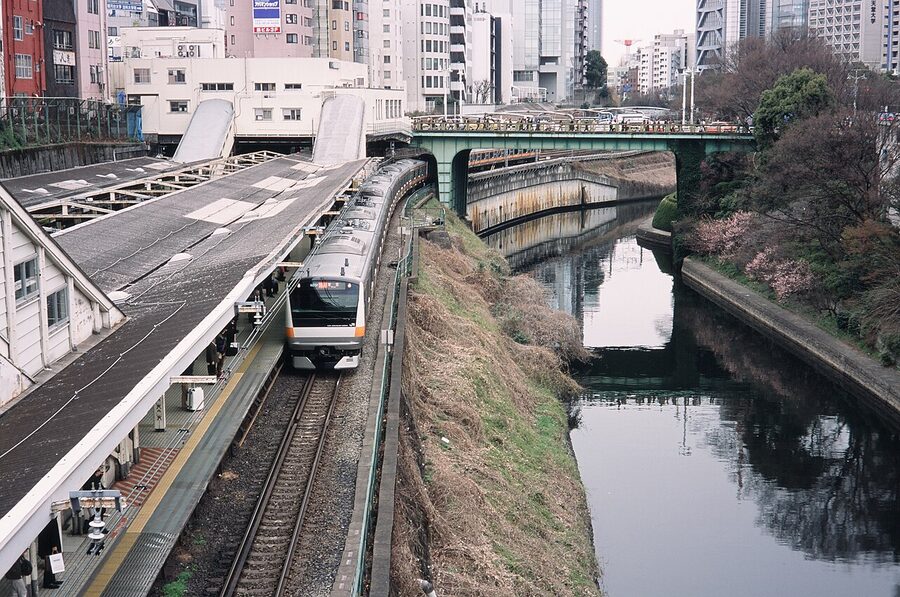
Two specific Tokyo cherry-blossom rail experiences that are worth a detour. The Sotobori Park canal-side from Iidabashi to Yotsuya runs alongside the JR Chuo and Sobu lines, and the trains pass under cherry-tree arches for about 2 km. You can ride it (Iidabashi to Yotsuya is one stop, ¥140), or walk the canal path. The Tokyo Sakura Tram (formerly the Toden Arakawa Line) trundles through northern Tokyo’s residential streets between Minowabashi and Waseda, with cherry trees lining several stretches, especially near Asukayama and around Arakawa-shakomae. A single ride is ¥180 flat fare, and the journey takes about an hour end-to-end if you don’t get off.
If you’ve mistimed the bloom
Three options for the slightly-too-early traveller and three for the slightly-too-late one. Both happen, both are recoverable.
Too early (you’ve arrived a week before the Somei Yoshino open):
- Find a kawazu-zakura. Tokyo’s earliest blooms are usually in mid- to late February at Atago Shrine in Minato ward, on the Old Nakagawa river in Edogawa, and at Ueno’s first row near the Shimizu-mon entrance.
- Hit Koishikawa Korakuen. The west-entrance weeping cherry is reliably 5 to 7 days ahead of Yasukuni’s standard tree.
- Pivot south. Take a shinkansen day-trip to Shizuoka or Atami where the bloom is earlier, or extend the trip to Kyoto, which sometimes runs a day or two ahead of Tokyo and has the temple-context viewing this article doesn’t try to compete with.
Too late (you’ve arrived after the Somei Yoshino are gone):
- Look for the late varieties. Shinjuku Gyoen’s yaezakura peak around mid-April. Ninna-ji in Kyoto has the late Omuro-zakura that bloom 1-2 weeks after Somei Yoshino.
- Try Koganei Park in west Tokyo. About 1,400 trees across 50 varieties, with bloom from late March all the way through to late April for the late-flowering ones.
- Pivot north. Hokkaido’s bloom doesn’t start until late April and runs into mid-May, so a missed Honshu bloom is a perfectly recoverable Hokkaido trip. The case for Hokkaido as a deliberate plan B (and even sometimes a plan A) is in the Hokkaido cherry blossom guide.
One last specific tip
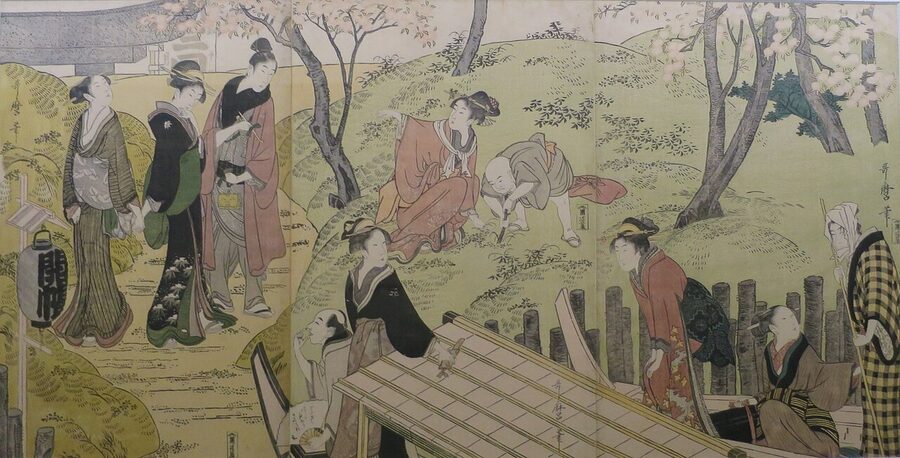
If you only do one thing, walk Chidorigafuchi at 07:30, before the boat queue forms. The path is empty, the light is grey-pink, the trees still hold the dew, and the moat is full of just-fallen petals drifting in slow rafts. You can make the whole loop, north to south, in 25 minutes. By 09:00 the queues have started and the magic is mostly gone. By 11:00 it’s a tour-bus scrum. The morning version is the one that puts everything Tokyo claims about cherry-blossom season in 25 minutes of walking, and almost no visitor catches it because the official “best viewing” guidance points at peak-bloom afternoon. Set the alarm and go in the dark.