
Tokyo isn’t really one city. It’s twenty different ones bolted together by the JR Yamanote loop, and the difference between a great Tokyo trip and a forgettable one is which two or three of those cities you actually pick.
The Asakusa you read about, with the lantern at Kaminarimon and the smell of incense at Senso-ji, is twenty-five minutes by metro from the Shibuya you saw in the film, where 3,000 people cross the road at once under wraparound video screens. Twenty minutes the other way is Shimokitazawa, where the streets are too narrow for cars and every other shopfront is a record store or a vintage shop. None of those three feels like the same city. None of them is wrong about Tokyo. The mistake is treating Tokyo as a single thing and trying to “do” it the way you’d do a smaller capital. You can’t. So this guide does the opposite, on purpose. It treats Tokyo as a set of distinct neighbourhoods on a single rail loop, tells you which two or three to pick depending on how long you have, and gets specific about what’s actually worth your time, what’s overrated, and the four meals every visitor should plan around before anything else.
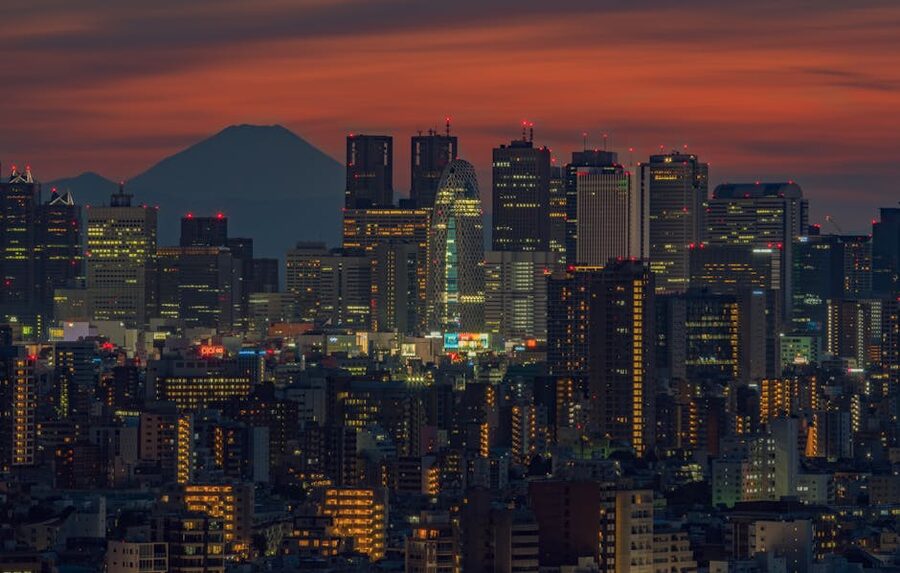
In This Article
- The mental map: Tokyo as a rail loop, not a downtown
- Three patterns, three districts
- Where to base yourself by trip length
- 3 nights or fewer
- 4 to 6 nights
- 7 nights or more
- Where I’d avoid basing
- Getting in: Narita and Haneda
- From Narita
- From Haneda
- The IC card system, demystified
- The four meals every visitor should plan
- Meal 1: a tonkatsu set
- Meal 2: a tsukemen lunch
- Meal 3: a sushi-bar tasting
- Meal 4: a market breakfast
- The neighbourhoods, in detail
- Asakusa: the Edo-period heart
- Shibuya and Harajuku: modern Tokyo, with a twist
- Shinjuku: the everywhere station
- Ginza: the polite expensive one
- Akihabara: anime, retro and electronics
- Three views from the top
- The seasons, and which one to plan around
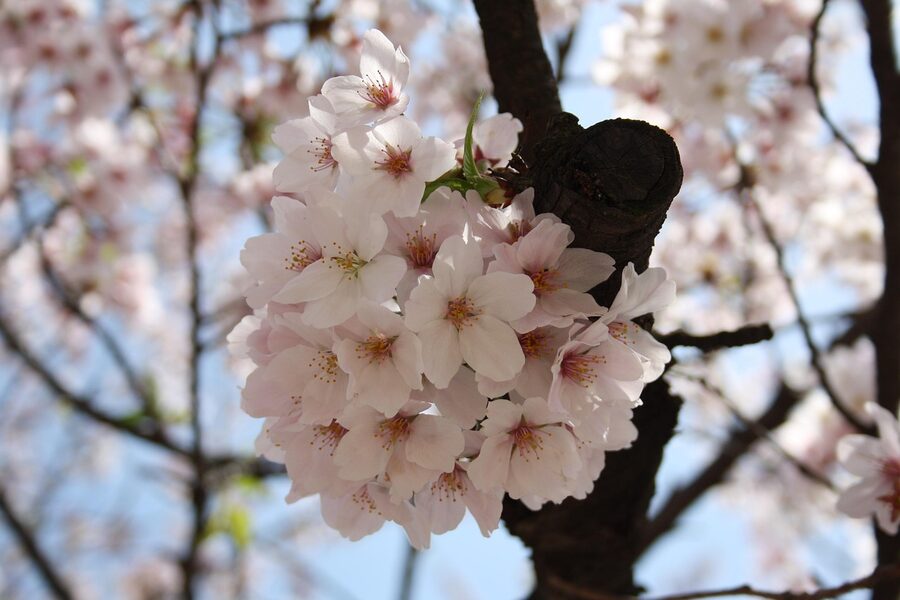
- Late March to mid-April: cherry blossoms
- May, October, November
- June: the rainy season (tsuyu)
- August: hot
- December to February: clear and cold
- Things that surprise first-timers
- Cleanliness without bins
- Quiet trains
- Cash, sometimes
- Vending machines
- Walking
- What’s overrated, what’s underrated
- Skip these
- Worth the time
- One day, two days, three days
- Two evenings worth planning
- An izakaya night
- A sushi-counter night
- The wider context
The mental map: Tokyo as a rail loop, not a downtown
There is no single “centre” of Tokyo. There’s a circle. The JR Yamanote line is a 34.5km commuter loop that runs every two to four minutes, calls at 30 stations, and circles the central wards in just under an hour. Almost everywhere a first-time visitor wants to go either sits on the Yamanote or one stop off it. Memorise the loop and the city stops being intimidating.
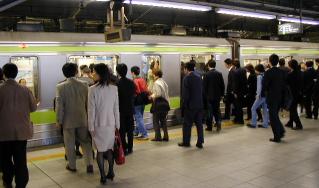
Going clockwise from the top of the loop you hit the big anchor stations: Ueno (museums and the park), Akihabara (electronics, anime, retro games), Tokyo Station (red-brick Marunouchi facade, Shinkansen platforms below), Shinagawa (Haneda-side hub), Shibuya (the scramble, plus everything south to Daikanyama), Shinjuku (city government, nightlife, the biggest station in the world by passenger count), Ikebukuro (north-side rival shopping ward), and back round through Komagome and Ueno.
The neighbourhoods that matter most to a traveller don’t all sit on the loop, though. Asakusa is one stop east of Ueno on the Ginza or Asakusa metro lines. Ginza is south of Tokyo Station, also on the Ginza line. Roppongi is two stops south of Shinjuku via the Oedo subway. Harajuku and Shibuya are both Yamanote stops, but the interesting bit of Harajuku, Omotesando and the Aoyama backstreets, blends straight into Shibuya without ever needing a train.
Three patterns, three districts
If you think of Tokyo as three character-types, each with a Yamanote anchor, the planning gets easier:
- Edo Tokyo: temples, lantern-lit streets, the river, Edo-period craft. Anchored by Asakusa (off-loop, Ginza or Asakusa subway from Ueno), with day-extensions to Yanaka, Nezu and the Sumida riverside.
- Modern Tokyo: screens, fashion, twenty-storey department stores, observation decks. Anchored by Shibuya and Shinjuku, both on the Yamanote.
- Local Tokyo: small bars, vintage shops, jazz cafes, residential pockets. Shimokitazawa, Kichijoji, Daikanyama, Nakameguro. Off the Yamanote but reached on a single Inokashira-line or Toyoko-line ride.
Pick one of the three to base yourself near. Day-trip into the others. That’s the working framework. The neighbourhood-by-neighbourhood pieces in this cluster, the Asakusa walking guide and the Shibuya guide, go deeper on the two extremes.
Where to base yourself by trip length
How long you have changes the right neighbourhood. Tokyo hotels are small. The room you book in Shinjuku will be the same square footage as the room you book in Asakusa, and three times the price. So pick for location, not luxury.
3 nights or fewer
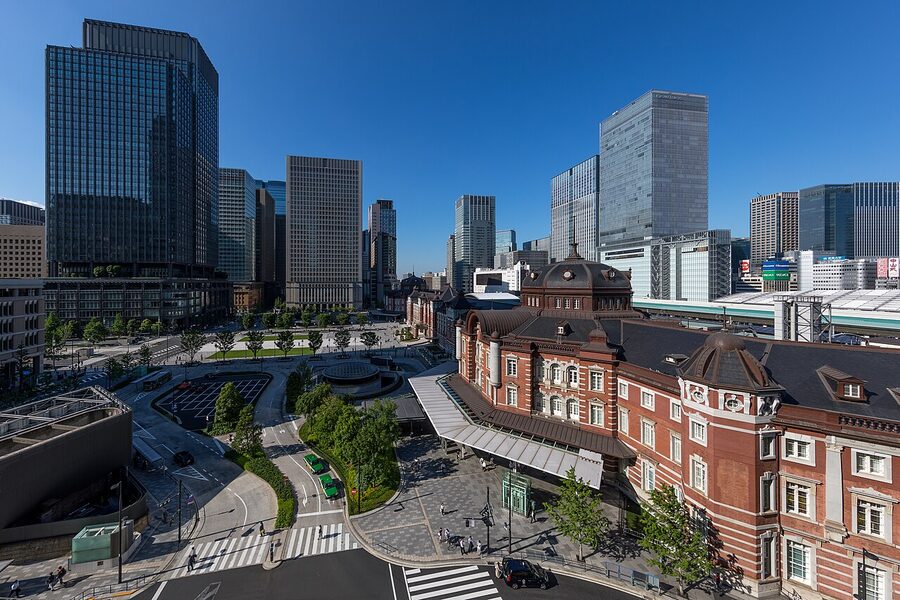
Stay near Tokyo Station or in the Marunouchi-Yurakucho corridor. You’ll lose half a day to airport transit at each end of a short trip; the rest of the time you want to be in the geographic centre. From a Marunouchi or Otemachi base you can walk to Ginza, take a five-minute train to Akihabara, change once for Asakusa, change once for Shibuya. Hotels worth checking: the mid-range Royal Park Hotel Ginza 6-Chome (south Ginza, walking distance to Tokyo Station), or the budget JR-East Hotel Mets Tokyo Bay Shinkiba family.
4 to 6 nights
Shinjuku or Shibuya. Either gives you a Yamanote stop, a major metro interchange, and a wraparound of restaurants and shops you’ll wander into without trying. Shinjuku is louder and more practical (Narita Express terminates at Shinjuku, Limousine Bus from Haneda stops here, the Odakyu line to Hakone leaves from Shinjuku station). Shibuya is younger and more design-led. Either works.
7 nights or more
Split your trip. Three nights central (Marunouchi or Yurakucho), three nights neighbourhood (Asakusa for old Tokyo, or Shimokitazawa for residential Tokyo). The extra context is worth the inconvenience of moving once mid-trip. Use Yamato luggage transfer (around ¥2,500 to ¥3,500 per bag, dropped off in the morning, delivered same evening) to skip the hassle.
Where I’d avoid basing
Roppongi reads on paper like a good base, but in practice it’s a hostessing district with a small expat-club overlay, and the everyday wandering quality is poor. Odaiba is on the wrong side of the bay and adds 25 minutes to most trips. Akihabara is great for half a day; you don’t want to wake up to its energy.
Getting in: Narita and Haneda
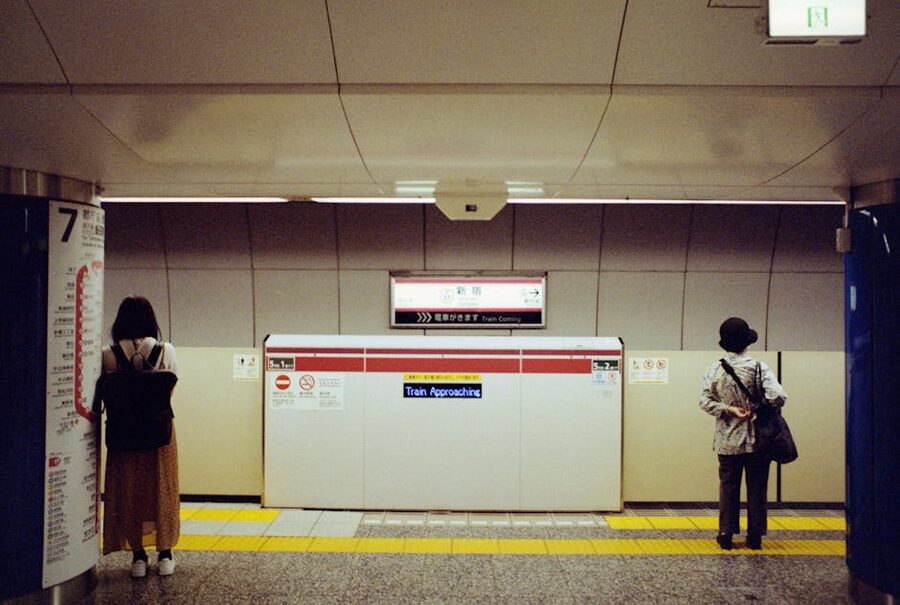
You’ll fly into one of two airports. Haneda sits on Tokyo Bay, 14km from central Tokyo and 30 minutes by train. Narita sits 60km north-east in Chiba prefecture and is closer to 90 minutes. Pick Haneda flights when the routing supports it. Both are clean, well-signed, and easy to navigate.
From Narita
Three options that matter. As of 2026:
- Narita Express (N’EX), JR. ¥3,140 ordinary, ¥3,910 Green car, Tokyo Station; ¥3,330 / ¥4,100 to Shinjuku and Shibuya; ¥4,480 to Yokohama. About 60 minutes to Tokyo Station, 80 to Shinjuku. Reserved seat, large luggage racks. Worth the price if you’re heading straight to Yokohama or Shinjuku.
- Keisei Skyliner. ¥2,470 (¥2,465 with IC) to Nippori or Ueno; ¥2,630 from Tokyo Station via Yamanote transfer at Nippori. 36 minutes to Nippori, 41 to Ueno. The fastest train link from Narita to anywhere on the JR Yamanote line, and the cheapest of the limited expresses.
- Limousine Bus. Around ¥3,600 to a named hotel near Shinjuku or Tokyo Station, 90 to 120 minutes depending on traffic. The right call if you’ve got two large bags and a hotel without a station next door.
Skip the local Keisei trains unless you’re really watching budget; the saving is small and the journey is 80+ minutes with multiple changes. The JR Pass covers N’EX, but for a Tokyo-only trip the pass usually doesn’t pay back; verify the maths before you commit.
From Haneda
The Tokyo Monorail to Hamamatsucho (about ¥520, 18 minutes) and the Keikyu line to Shinagawa (about ¥330, 14 minutes) are both quick. From either, you’re one transfer from anywhere on the loop. Limousine Bus runs from Haneda too if you want door-to-door. Tokyo Metro and JR direct connections from Haneda Terminal 3 make this the painless airport.
The IC card system, demystified
Tap-and-go on Japanese trains works through a small family of contactless cards: Suica (issued by JR East), Pasmo (issued by the Tokyo Metro and private rail group), Icoca (JR West), and a few others. They all work everywhere they’re accepted. You don’t need to know the regional differences as a traveller, beyond which one to pick up.
The shape of this changed in 2023 when JR East paused selling physical Welcome Suica cards because of a global semiconductor shortage. As of 2026, the answer for most visitors is one of three:
- Welcome Suica Mobile, an iOS-only app launched in late 2024. Issue a virtual Suica through Apple Pay, top up from a credit card, valid for 180 days, no deposit, no refund of remaining balance at the end. The app handles trains, buses, vending machines, convenience stores. The simplest answer if you have an iPhone.
- Mobile Suica or Pasmo, the regular Japan-resident apps. Available on both iOS and Android, but require a JR East account or compatible service. More cards offered, but more set-up. Most travellers should pick Welcome Suica Mobile instead.
- Physical Welcome Suica or Pasmo Passport, available at airport JR EAST Travel Service Centres or Pasmo’s airport counters. ¥0 deposit, 28-day validity, no refund of unused balance. Pick this if you’re on Android or you simply prefer a card.
Information correct as of 2026. The card and app system has changed three times since 2023, so verify on the JR East site before you buy if you’re reading this much later. For Tokyo-only trips, a single Welcome Suica or Pasmo Passport with ¥3,000 to ¥5,000 loaded gets most travellers through the trip.
The four meals every visitor should plan
If you read enough Tokyo food guides you’ll come away convinced you have to eat at thirty restaurants. You don’t. You need to plan four anchor meals. The other twelve to fifteen meals on the trip will arrange themselves around konbini onigiri, station-stand tonkotsu, and whatever the side street next to your hotel turns up.
Meal 1: a tonkatsu set
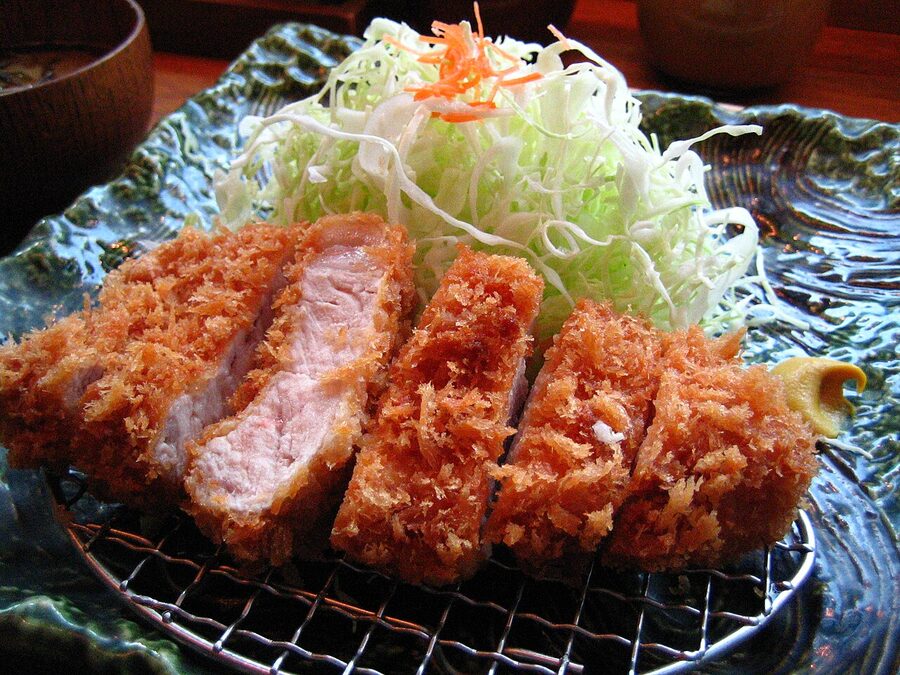
Crisp panko-crumbed pork loin or fillet, served with shredded cabbage, miso soup, rice and pickles, on a tray for ¥1,500 to ¥2,500. Tonkatsu Maisen in Aoyama (the original branch is in a converted bathhouse near Omotesando station) has the polite-Tokyo version. Butagumi in Nishi-Azabu has the fancy version, twelve different breeds of pork and a ¥4,000 lunch set. Both warrant the visit. If you don’t fancy a Michelin-side detour, pick any branch of Wako or Saboten in a major department store; the floor below is generally good enough.
Meal 2: a tsukemen lunch
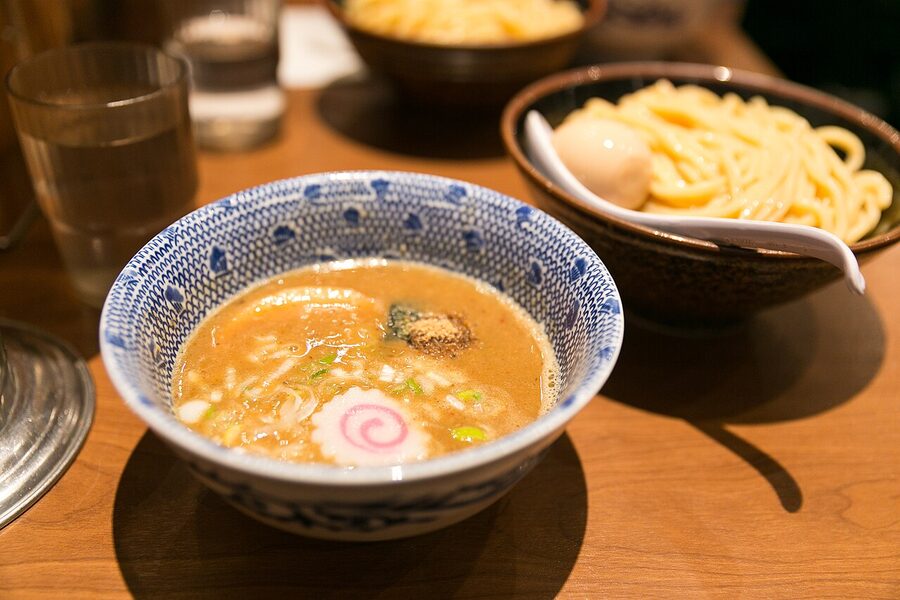
Cold noodles, served separately from a thick warm dipping broth, with chashu pork and a flavoured boiled egg on top. Around ¥1,000 to ¥1,500. Rokurinsha at Tokyo Station’s Ramen Street has the queue-defining version. Tetsu has slightly faster lines and an equally serious bowl. Both are usually 30 to 45 minutes wait at lunch; show up at 11:00 sharp if you don’t want to queue.
Meal 3: a sushi-bar tasting
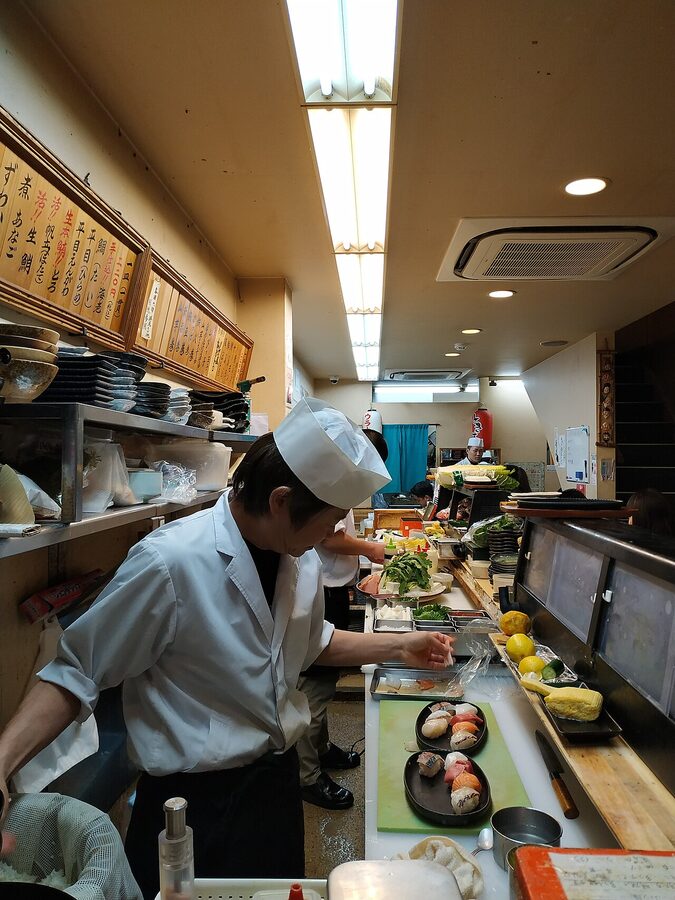
Pick one. Either a serious counter omakase (Sushi Aoki, Sushi Saito if you can get in, Sushi Sho Saito at the lower end) for ¥15,000 to ¥40,000 a head dinner, or a respectable lunch counter at Sushizanmai or Daiwa Sushi for ¥3,000 to ¥6,000. The lunch versions don’t compete with a real omakase, but the contrast between them is interesting. Most reservations need to be made through your hotel concierge, two weeks out for the cheaper places, three months out for anything starred.
Meal 4: a market breakfast
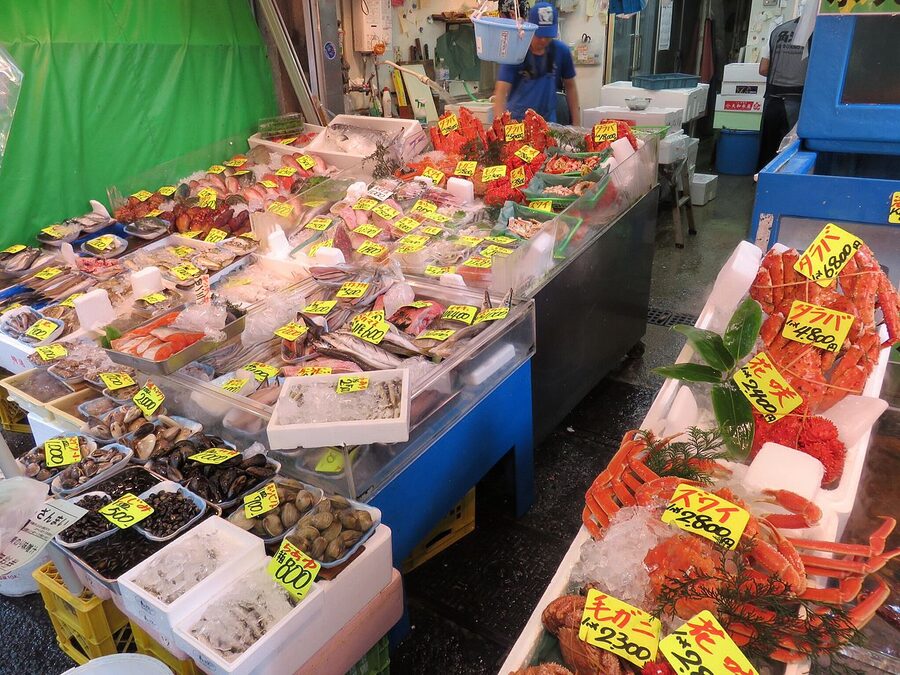
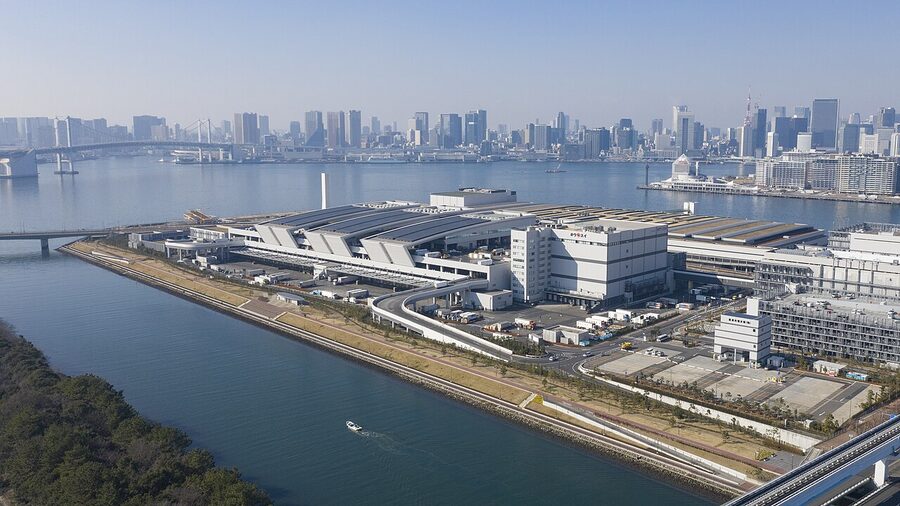
The Tsukiji outer market is the breakfast move. Open from around 05:00, busiest by 08:00, fading by 13:00, dead by Sunday. Walk in via Tsukiji-shijo station on the Oedo line, or Tsukiji station on the Hibiya line. Eat your way down the lanes. Sushi-zanmai, the 24-hour chain, has its flagship at the gate; skip it for once and try the standing tuna-sashimi bowl at any of the small stalls behind. Tamago-yaki sticks for ¥150, scallops grilled on the half-shell, sea-urchin on rice. Allow ¥2,500 to ¥4,000 a head if you want to try four or five things.
The neighbourhoods, in detail
Pick three. The point of the rest of this section is to tell you which three to pick.
Asakusa: the Edo-period heart
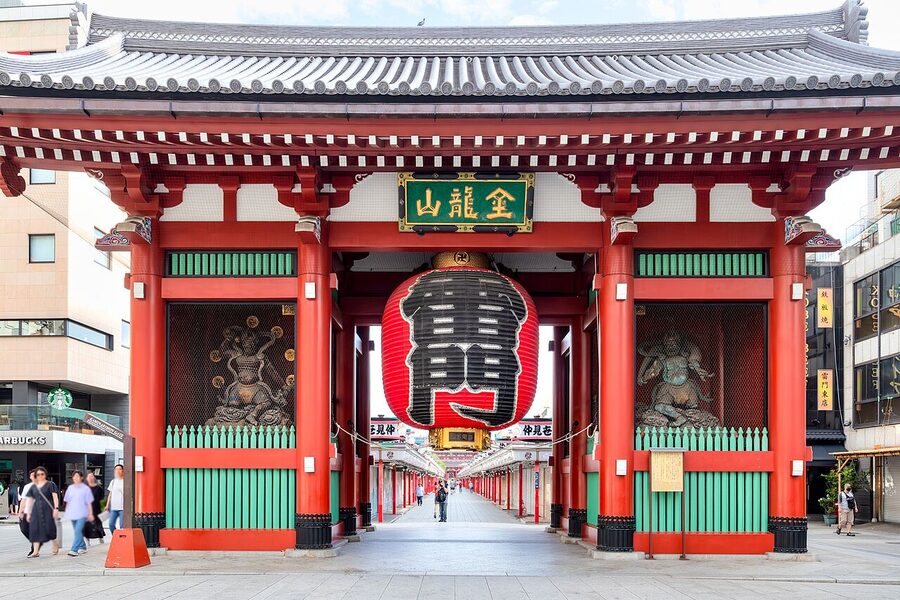
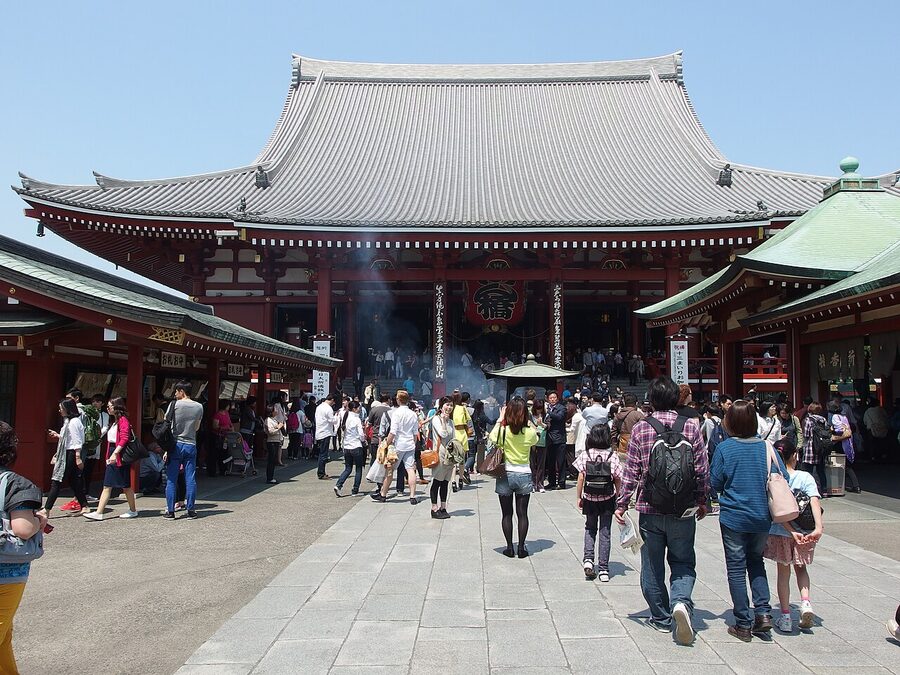
Asakusa is the most-touristed and most-mishandled neighbourhood in Tokyo. The trick to enjoying it is going at the right hour. Senso-ji’s outer precinct never closes; the inner main hall opens at 06:00 and the souvenir-stall street, Nakamise-dori, opens around 09:30. Show up at 07:30 and the entire approach is yours. By 11:00 the crowd is solid all the way back through Kaminarimon to the metro exits.
Beyond the temple, walk the Sumida riverside towards the Komagata bridge and look back at Asakusa with Tokyo Skytree behind it. Hoppy Street, two blocks west of the temple, is a 1960s-feeling lane of cheap-bar stalls that fills up after dark. Asakusa Engei Hall is a working rakugo (storytelling) theatre, ¥3,000 day ticket; you won’t follow the language but you’ll feel the room. Monjayaki, Asakusa’s local cousin to okonomiyaki, is on Tsukishima island a metro stop south, but you’ll find decent versions in Asakusa proper.
Shibuya and Harajuku: modern Tokyo, with a twist
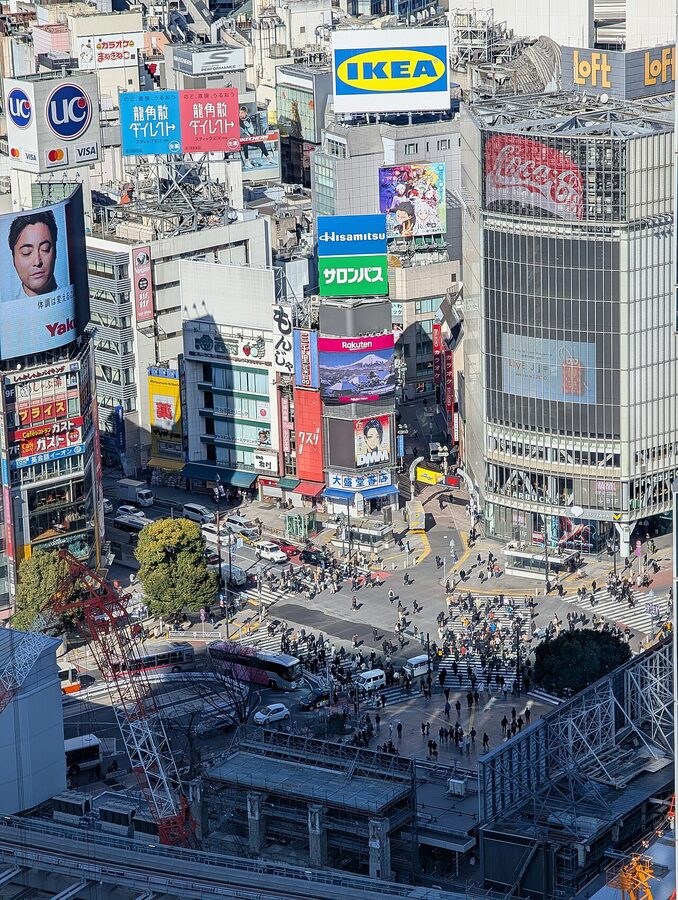
The scramble itself is a five-minute experience. The reason to come to Shibuya is everything around it. The Shibuya guide has the full breakdown; the headline is that the area between Shibuya station and Yoyogi-koen station is one of the densest concentrations of design shops, second-floor cafes and obscure vinyl bars in any city. Walk it. Avoid Center-gai if you can’t bear loud teenagers; head west into the Okushibu (奥渋谷) backstreets instead.
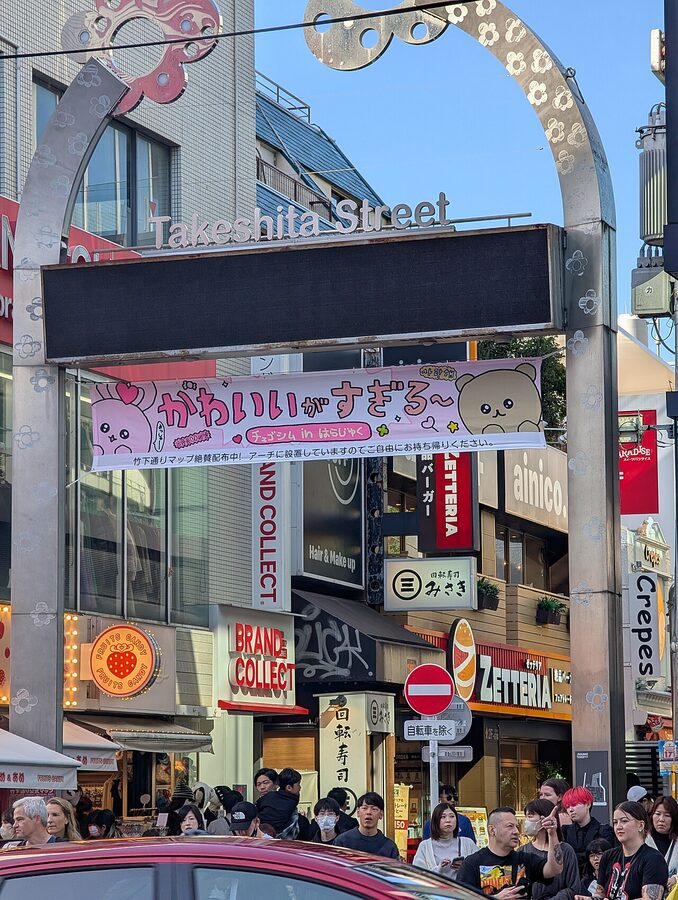
Harajuku is one Yamanote stop north of Shibuya; you can also walk it in 25 minutes via Cat Street. Meiji Jingu, the shrine to the Meiji emperor, sits in 70 hectares of forest a minute from Harajuku station. Most of that forest is artificial, planted from 100,000 donated trees in 1920, which is a fact every Tokyo guide skips. Free entry, 06:00 to sunset.
Shinjuku: the everywhere station
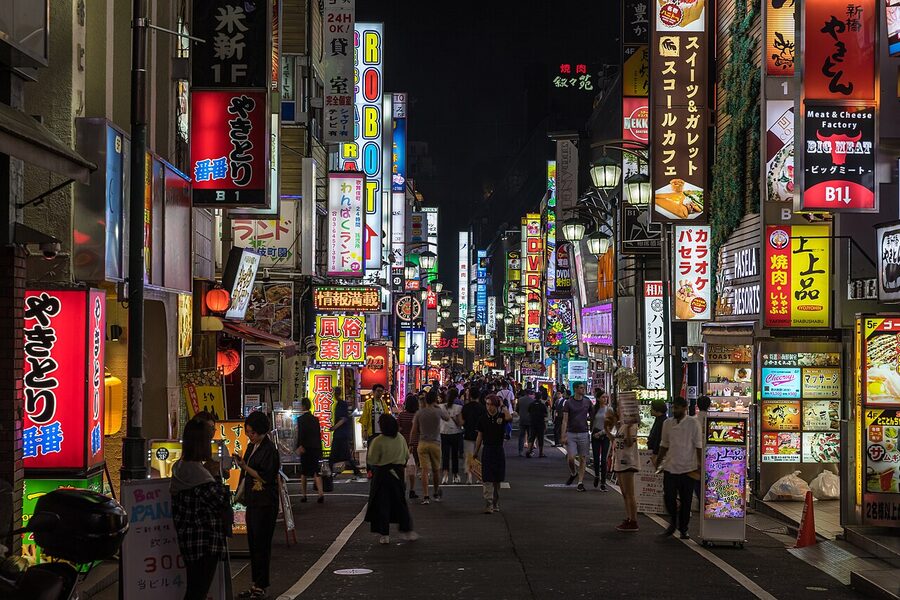
Shinjuku station is the busiest in the world by passenger throughput, around 3.5 million people a day. It has more than 200 exits, and even residents need to look at signs. The trick is to learn three of them and ignore the rest:
- South Exit: for the Park Hyatt area, the bus terminal Shinjuku Expressway, and the walk to Shinjuku Gyoen.
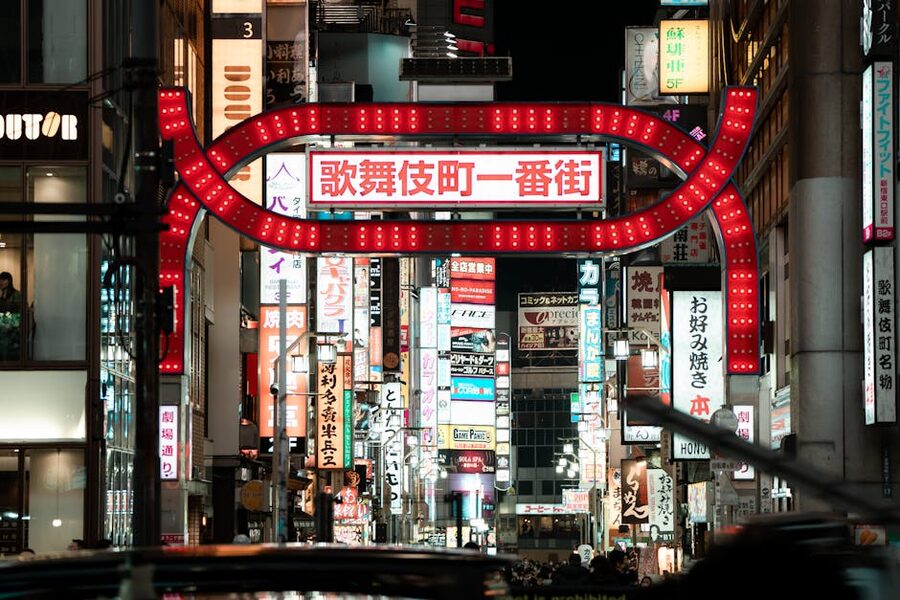
- East Exit: for Kabukicho, the Lumine Est shopping centre and Memory Lane (Omoide-yokocho).
- West Exit: for the Tokyo Metropolitan Government Building and the skyscraper district.
Shinjuku Gyoen, ¥500 entry, is one of Tokyo’s two best parks. 58 hectares, three garden styles (Japanese, French, English) sitting next to each other. Cherry blossom season from late March to mid-April is famous; the rest of the year it’s quiet, even on weekends. Open 09:00 to 18:00, closed Mondays.
Ginza: the polite expensive one
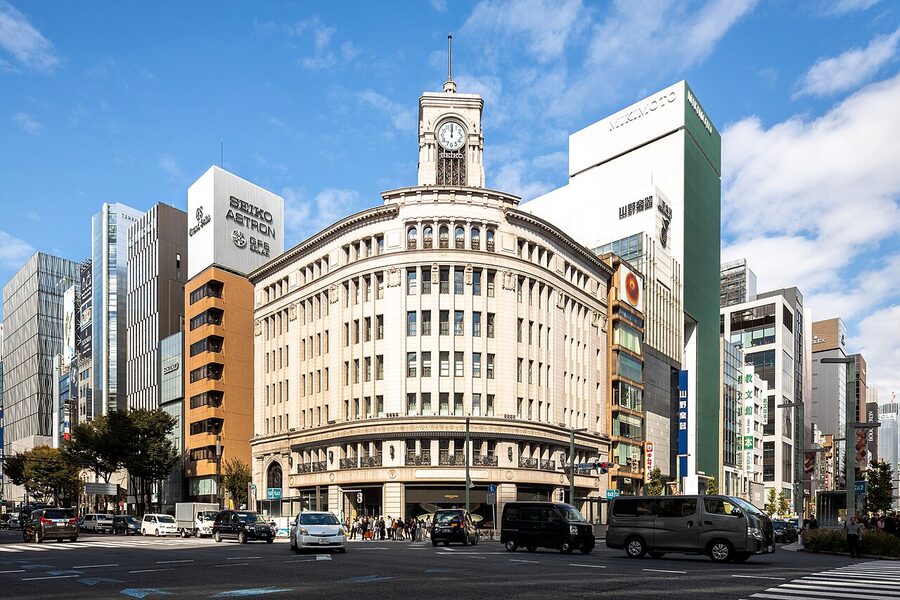
Ginza isn’t the bargain district and never claims to be. It’s where the flagship Mitsukoshi, Wako and Matsuya sit, where Hermes’ six-storey block is the architecture set-piece, and where Sunday afternoons see the main Chuo-dori avenue closed to cars between 12:00 and 18:00. The pedestrianisation, “hokousha tengoku” (literally “pedestrian heaven”), runs all year. Walk it once.
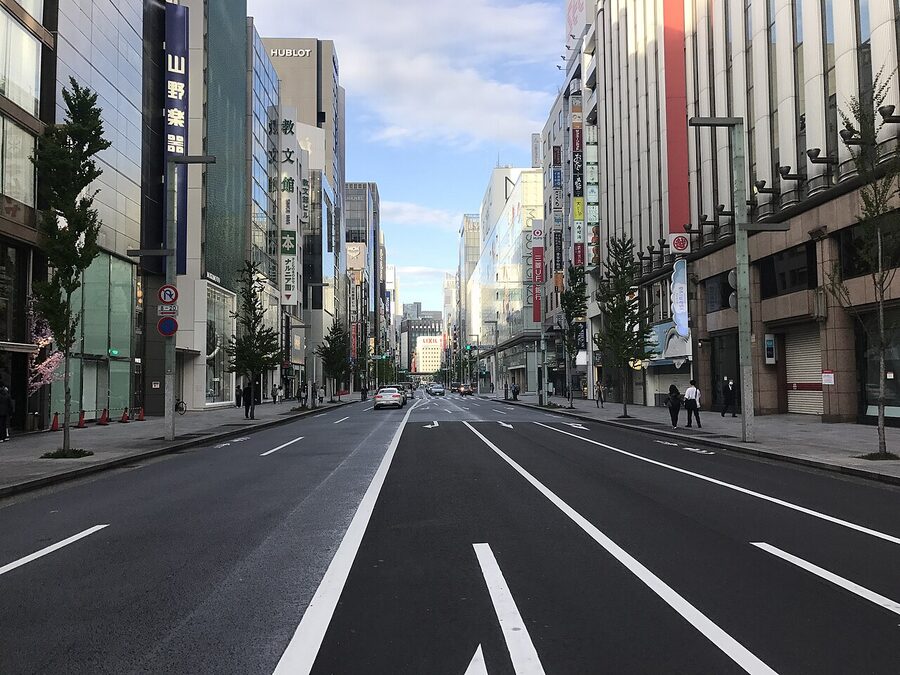
The two Ginza moves worth your time: the Hama-rikyu garden, an Edo-period landscaped garden with seawater ponds and the Tokyo Bay skyline behind it (¥300, 09:00 to 17:00); and Mitsukoshi’s basement food hall (depachika), where every floor of the seven you can eat off finishes by lunchtime. The G6 Ginza Six rooftop garden is free and the view is fine; not worth the special trip.
Akihabara: anime, retro and electronics
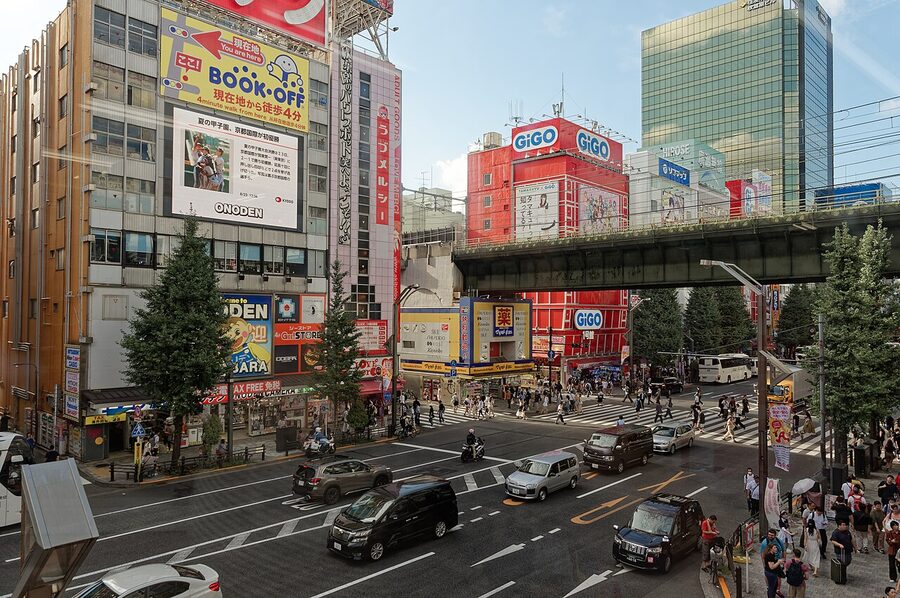
You either come to Akihabara because it’s relevant to you, or you come for an hour and leave. There’s no in-between. If you grew up on Famicom, Game Boys, or watched anime in your teens, allow half a day. The retro game shops, Super Potato, Friends, BEEP, are clustered on the west side of the JR tracks. The ground-floor electronics big-box stores (Yodobashi Camera Multimedia Akiba) are useful for the same camera and adapter prices as anywhere else in Tokyo, only with English-speaking floor staff. Maid cafes are mostly photo-tax tourist traps; if you’re going to do one, the slightly less aggressive @Home Cafe chain is the standard pick.
Three views from the top
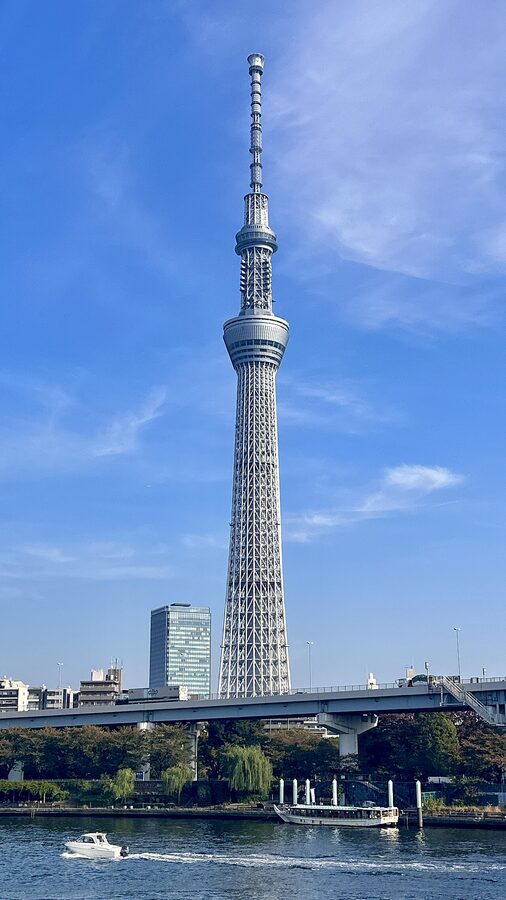
Three observation decks, three different experiences:
- Tokyo Skytree. ¥3,500 for both decks. The big-canvas view, north-east of central Tokyo. Great for the Sumida-ku side. Crowded.
- Shibuya Sky. ¥2,200, rooftop, west-side. The single best urban panorama in Tokyo, with the Yamanote loop spread under you and Mt. Fuji in the distance on a clear day. Book online a day or two ahead.
- Tokyo Metropolitan Government Building. Free. Two 202m observation floors in Shinjuku. No view of the Shinjuku skyscrapers themselves, but the rest of west Tokyo is laid out cleanly. Open until 22:00.
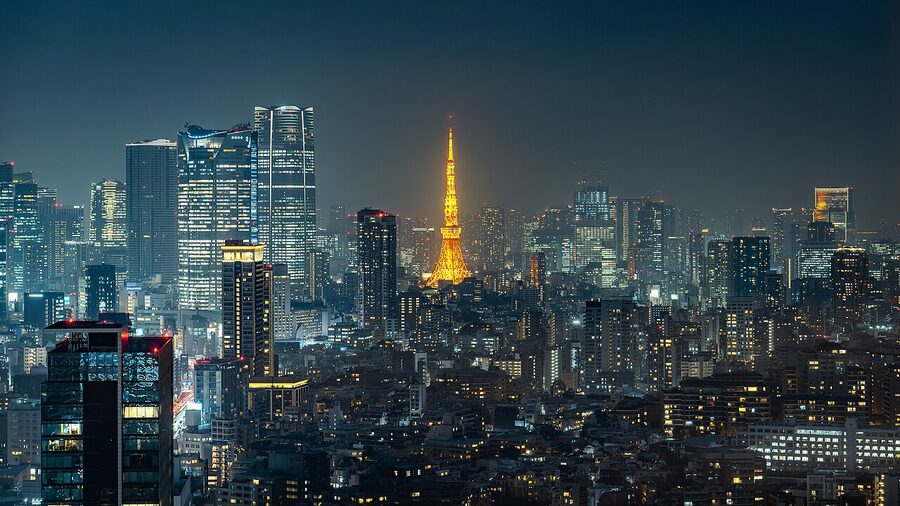
If you do one, do Shibuya Sky. It’s the cheapest of the three paid options and it sits in a part of Tokyo you’ll already be visiting. Skytree is a long detour east. Tokyo Tower is iconic but the view is less interesting than the tower itself.
The seasons, and which one to plan around
Tokyo has four hard seasons and a fifth that’s the rainy bit between them. What you plan changes more by month than by neighbourhood.
Late March to mid-April: cherry blossoms
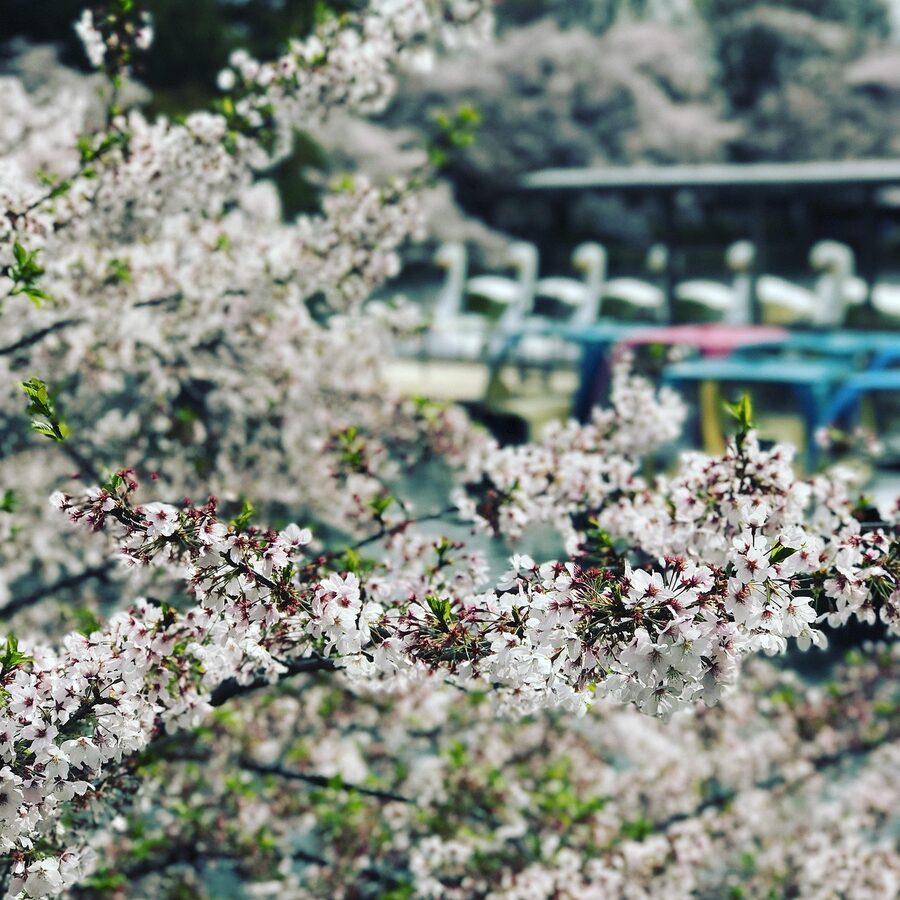
Tokyo’s defining season. Bloom dates shift around but the late-March-to-mid-April window catches it nine years in ten. Shinjuku Gyoen, Ueno Park, the Meguro river, Chidorigafuchi at the Imperial Palace moat, and Sumida Park along the river are the five reliable viewing spots. Hotels triple in price two months out, so book early or push your trip to the next two weeks of late April when the city is still warm and the crowd has gone.
May, October, November
The two best months to come without the cherry-blossom premium. May is dry, warm, with new green leaves on every tree (the locals call this shinryoku, “new green”). October cools off, low humidity, blue skies. November brings autumn-leaf colour to the city parks; Ueno’s gingko avenue is the easy yellow-leaf walk, Rikugi-en garden the better paid spot.
June: the rainy season (tsuyu)
Mid-June to mid-July is wet, around 70% humidity, with afternoon downpours four days in five. Hotels are cheap. Hydrangeas bloom in the temple gardens. Don’t try to outdoor-plan around it; lean into museums, department stores and food. Bring a small umbrella or buy one at any konbini for ¥600.
August: hot
34C and humid, with night-time minimums above 25C. Tokyo isn’t summer. Make exceptions for the August festivals (the Sumida river fireworks in late July, the Asakusa Samba Carnival in late August, Bon Odori dances all over town) but you’ll trade comfort for atmosphere.
December to February: clear and cold
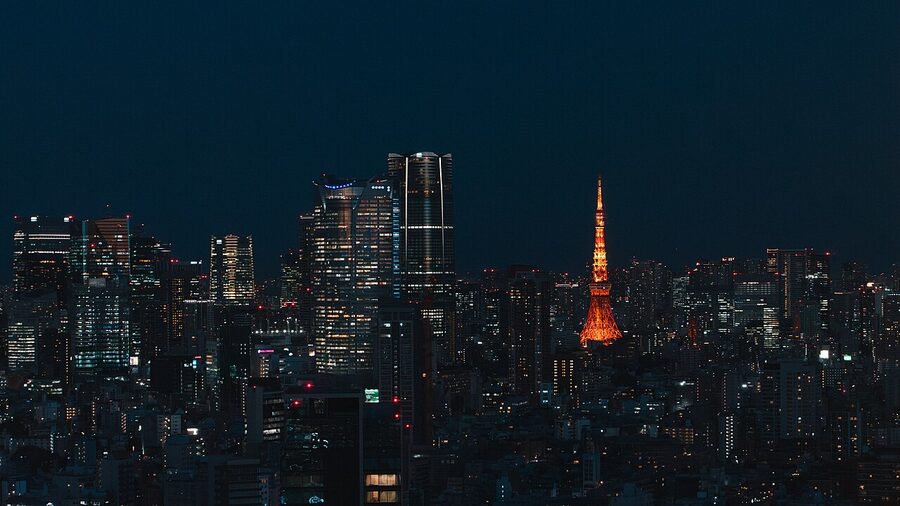
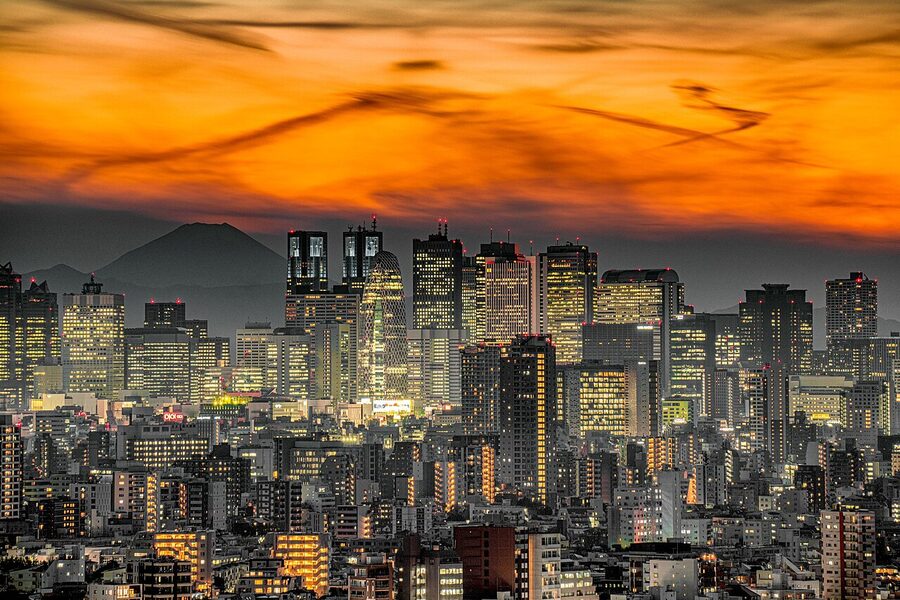
The single underrated travel window in the Tokyo year. Air is dry and cold, hotels are cheap (except for the Christmas-week and New Year’s spike), Mt. Fuji is visible from every high point on a clear morning. The illumination season runs Marunouchi, Shibuya, Roppongi, the Tokyo Midtown courtyard. February’s first weekend brings setsubun rituals at major shrines (Senso-ji has the famous one). Pack a wool layer and you’re set.
Things that surprise first-timers
Cleanliness without bins
Tokyo’s streets are clean and there are almost no public rubbish bins. The bins were removed in the 1990s after the Aum Shinrikyo subway attack and never came back. You’re expected to carry your trash with you. Convenience stores have bins by the entrance but they’re for store waste only. Plan to put a small ziplock in your bag for the day’s wrappers.
Quiet trains
The Yamanote and the metro are silent. People don’t take phone calls; if a phone rings, the person picks it up, says they’ll call back, hangs up. Conversations between two people happen in low voices. There’s no music, no street performers, no commotion at all. It takes about a day to match the rhythm.
Cash, sometimes
Most major hotels, restaurants and shops take cards (and IC-card payment is everywhere). But small ramen shops, traditional sushi counters, izakaya, market stalls, and a surprising number of mid-priced restaurants are still cash-only. Carry ¥10,000 in cash. The 7-Eleven ATMs accept foreign cards 24/7 with no setup, and the rate is reasonable.
Vending machines
The vending-machine density is ridiculous, around one machine per 30 people across Japan, more in central Tokyo. They take coins, IC cards and Apple Pay. The hot drinks in winter (red label is hot, blue label is cold on the same machine) and the canned coffee variety in any season are part of the experience.
Walking
You’ll walk 12 to 15 miles a day even with heavy metro use. Tokyo is one of the rare megacities where you’ll cover ground on foot whether you mean to or not, because the metro stations are nominally close but the connections inside them often add five to ten minutes of walking each way. Bring shoes you can wear all day.
What’s overrated, what’s underrated
Skip these
- Robot Restaurant. Closed permanently in 2020 anyway, but the successor “Samurai Restaurant” in Kabukicho is the same energy at the same price (¥10,000 a head), and equally not worth it.
- The Mario Kart street tours. Fun for thirty seconds; mostly an Instagram photo, expensive (¥10,000+), and you spend half the experience trying to keep up with the lead bike in dense traffic. Tokyo is better seen on the Yamanote.
- Themed cafes broadly. Cat cafes, owl cafes, hedgehog cafes. The animal welfare is variable, the coffee is bad, and the sit-down minimum is high. One exception: Mocha Lounge in Shibuya does the cat cafe responsibly, with adoptable cats and reasonable conditions.
- Tokyo Disney as a Tokyo activity. Disney is excellent if you wanted Disney; it isn’t Tokyo. Treat it as a separate trip.
Worth the time
- The Imperial Palace East Garden. Free, ten minutes from Tokyo Station, the only piece of the Edo Castle complex still on the original site. Closed Mondays and Fridays.
- A jazz kissa. Tiny listening bars built around vinyl record collections and absurd hi-fi equipment, where conversation is discouraged or banned outright. Dug in Shinjuku and Eagle in Yotsuya are the easy entry-level ones. ¥1,500 for a coffee and an hour of records.
- A budget izakaya. Skip the chain ones, walk into any small place under a yokocho (alley) of red lanterns, point at three things on the menu, drink the highball. Per-head ¥3,500 to ¥5,000 with two drinks. Memory Lane (Omoide-yokocho) at the west exit of Shinjuku is the easy starting point; the Sankaku Chitai outside Shinjuku-sanchome is the slightly more local one.
- The Nezu Museum garden. Tucked behind Omotesando, ¥1,500. The collection is solid, but the back garden, with four tea houses around a pond, is the reason to come.
One day, two days, three days
The minimum useful Tokyo trip is three full days plus the airport transit. Anything shorter and you’ll spend half the trip in transfer halls. With three days, the formula is one Edo day, one modern day, and one local day:
- Day 1 (Edo Tokyo): Tsukiji outer market for breakfast. Walk through Hama-rikyu, ferry up the Sumida to Asakusa. Senso-ji and Nakamise. Dinner of monjayaki on Tsukishima.
- Day 2 (modern Tokyo): Meiji Jingu first thing. Walk Cat Street to Shibuya. Tonkatsu lunch in Aoyama. Shibuya Sky at sunset. Dinner in a Shinjuku yokocho.
- Day 3 (local Tokyo): Shimokitazawa for vintage shops. Lunch on the second floor of any place with a queue. Afternoon at the Nezu Museum garden. Sushi-bar dinner at a 12-seat counter, booked weeks ahead.
With four or five days, slot in the day trips. Hakone and Nikko are the two with the strongest payoff; both are 90 to 120 minutes by limited express, both work as a full day with a 07:30 departure and a return for dinner. With seven days, two of those should be days outside Tokyo, the other five inside, and you’ll start to feel like the city is yours.
Two evenings worth planning
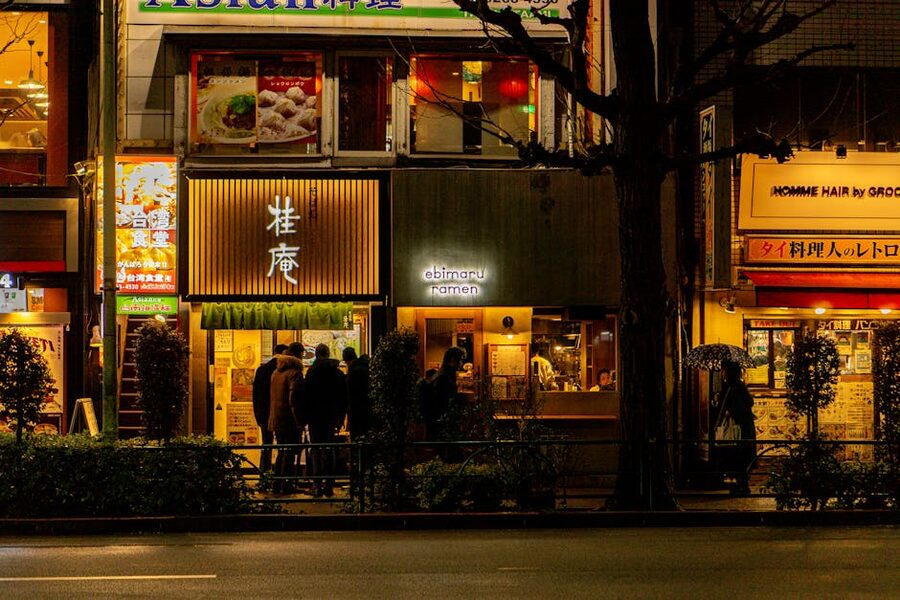
An izakaya night
Pick any of the yokocho lanes, alleys of small bars and food stalls, that survive across central Tokyo. Memory Lane (Omoide-yokocho) at Shinjuku is the postcard one, six metres wide and crammed with yakitori smoke. Sankaku Chitai, around Shinjuku-sanchome, is quieter. Yurakucho’s underpass beneath the JR tracks (the gado-shita lanes) hides a row of standing-only beer-and-skewer bars with the office-worker crowd. Order one drink at each, eat one or two skewers, move on. Per stall ¥1,500 to ¥2,500. Three stalls is dinner.
A sushi-counter night
If you’ve got the budget once, do this. Twelve to fifteen courses across an hour and a half, paired with sake or beer, at a counter where the chef makes each piece in front of you. Ginza, Akasaka and the back-streets of Roppongi all have respectable counters in the ¥18,000 to ¥35,000 range. Most won’t take walk-ins; book three weeks out through the hotel concierge. Skip Tokyo’s named celebrity sushi names if you can’t get a table; the second-tier counter you can book is almost always worth more than the first-tier you can’t.
The wider context
Tokyo is the centre of the country’s rail network, which means it’s the natural starting point for anything else in Japan. A 90-minute Shinkansen reaches Kyoto. An hour-long limited express reaches Hakone for the classic day trip. Two hours by Romancecar gets you to Mt. Fuji. Three hours by Shinkansen reaches Sendai or Niigata. The JR Pass isn’t usually worth it for a Tokyo-only trip but starts to pay back the moment you do one Shinkansen return-trip past Nagoya.
Tokyo doesn’t reward planning every hour. It rewards picking three or four anchor moments (the four meals, the cherry-blossom morning, the sushi counter, the Shibuya Sky sunset, the early Senso-ji), and letting the rest of the day be the loop, the side street, the konbini onigiri eaten on a park bench, the queue that ends up being a 14-seat ramen counter. The city does the rest of the work.
Back at Tokyo Station after the last train of the night, the Marunouchi square is empty, the brick facade is lit up, the cleaning crew has moved through the concourse, and the city goes quiet for a few hours before it does the whole thing again at 04:30 sharp.


.jpg)


.jpg)


.jpg)
