
The Tohoku Shinkansen Hayabusa from Tokyo to Sendai takes 1 hour 30 minutes and costs around ¥11,410 in unreserved ordinary class. Most travellers spend exactly 4 hours in the city before pushing on north, and most of them get those 4 hours wrong. They walk a few shopping arcades, eat passable beef tongue at the first chain that catches their eye, photograph a statue, and miss the things that actually make Sendai worth a stop.
This is what Sendai is good for, and how to use it. The right play is one full day in the city if you care about Date Masamune’s Edo-period legacy, plus a separate day each for Matsushima Bay and Akiu Onsen, both of which are 30 minutes away and which most “things to do in Sendai” lists fold into the same itinerary as if you can do them justice on top of city sightseeing. You can’t.
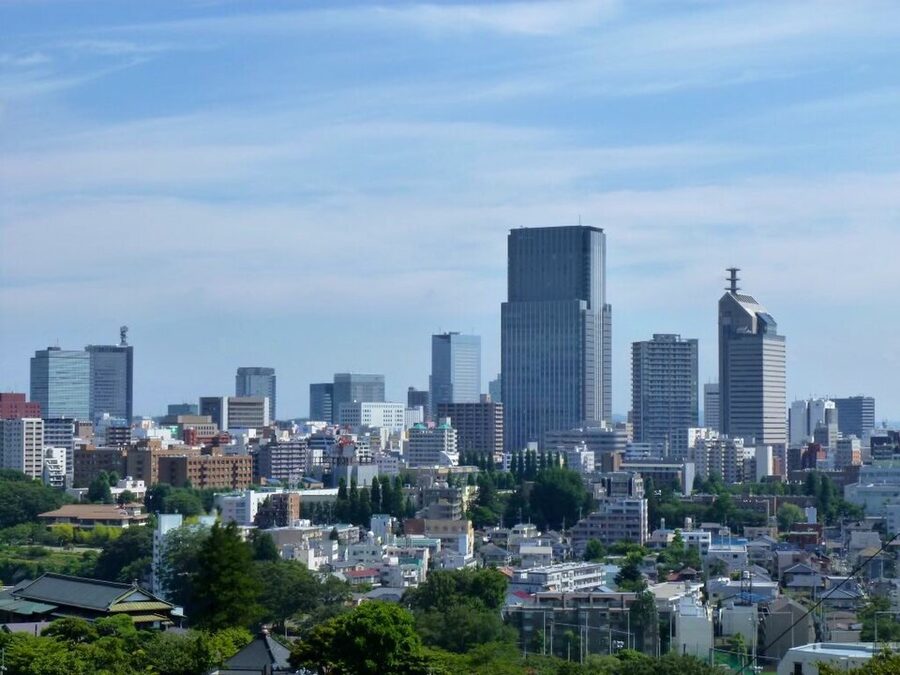
I lean toward two nights and three days here, basing in a hotel directly on top of Sendai Station so I never lose more than 5 minutes between the platform and the room. That setup gives me an evening for gyutan, a full day for the Date sites and downtown, a half day for Matsushima, and a half day for Akiu Onsen. Anything less and you’re passing through. Anything more and you’ve made Sendai the trip.
In This Article
- Why Sendai matters, in one paragraph
- How long to spend, and what for
- Getting to Sendai, and getting around
- Aoba Castle ruins, and the statue everyone photographs
- Zuihoden: the mausoleum people actually remember
- Osaki Hachimangu, and why I rate it above Rinnoji
- Gyutan: where to actually eat beef tongue, with names
- The Sendai Tanabata Festival, and why it’s the right summer trip
- Downtown: Jozenji-dori, Ichibancho, and the trees
- Akiu Onsen: half a day, ideally a night
- Matsushima Bay: the day trip that earns its reputation
- Where to stay: prioritise the station
- What else to eat: zunda, seri-nabe, and Sasa kamaboko
- One more side trip: Yamadera, if you have a fourth day
- When to come, and what to bring
- What to skip
Why Sendai matters, in one paragraph
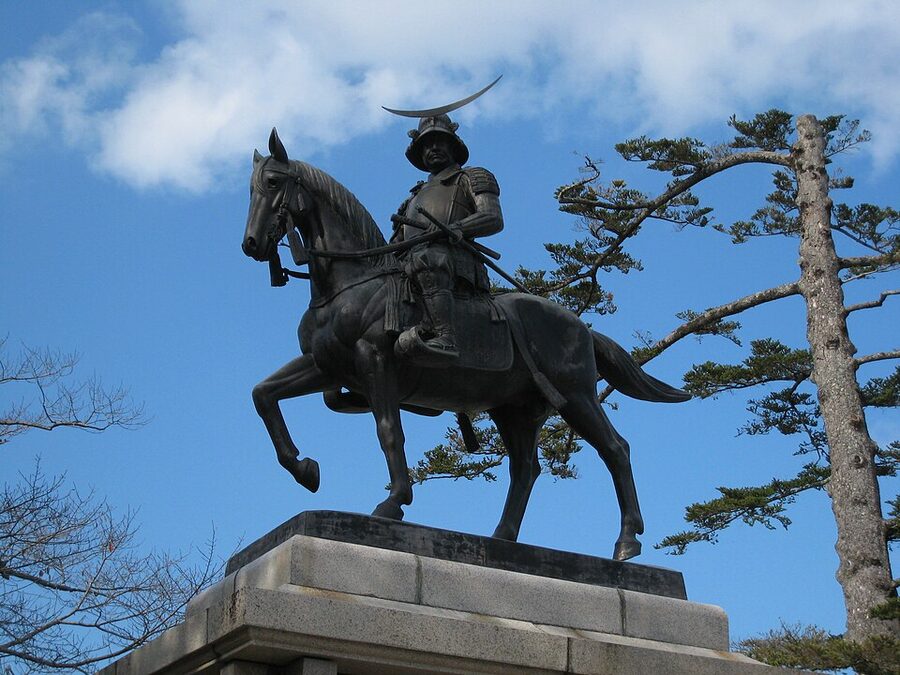
The modern city of Sendai was founded around 1600 by Date Masamune, a feudal lord whose face appears on every gyutan menu, every souvenir, and most of the street manhole covers. He was an aggressive military commander, a competent administrator, and an early adopter of foreign contact, sending the first Japanese diplomatic mission to Europe in 1613. He lost an eye to childhood smallpox and is still drawn with the eyepatch in everything from museum portraits to local-mascot keyrings. About 80% of what tourists see in Sendai today traces back to him: the castle, the mausoleum, two of the major shrines, and the bones of the city plan itself.
The other thing to know is the geography. Sendai sits on a coastal plain backed by hills, with the Hirose River carving down through the centre. That gives you three useful zones: downtown (Aoba-ku, north of the river, all the shopping arcades and Jozenji-dori Avenue), the castle ruins on the hill above the river, and the eastern flats where the 2011 tsunami did its worst damage. The wave reached as far inland as Arahama, about 6 km from Sendai Station, and the rebuilt coastal park there is its own kind of memorial.
How long to spend, and what for
Decide the trip length first, then pick what fits. Sendai itself is a one-day city. The day-trip targets each take a full half-day or more.
| Time available | What you can actually do | Skip |
|---|---|---|
| 4 hours (Shinkansen layover) | Sendai Station basement gyutan, the Loople bus loop to Aoba Castle ruins and Zuihoden, back for the next train | Matsushima, Akiu, anything requiring a meal sit-down |
| 1 day | The Date sites: Aoba Castle ruins + Zuihoden + Osaki Hachimangu. Lunch at Rikyu or Negishi. Walk Jozenji-dori in late afternoon. | Day trips out of the city |
| 2 days | Day 1: city. Day 2: Matsushima. Pin Akiu for a third day if you have it. | Yamadera (better as a Yamagata trip) |
| 3 days | City + Matsushima + Akiu Onsen overnight. The third day has the best food. | Nothing. This is the right length. |
Getting to Sendai, and getting around
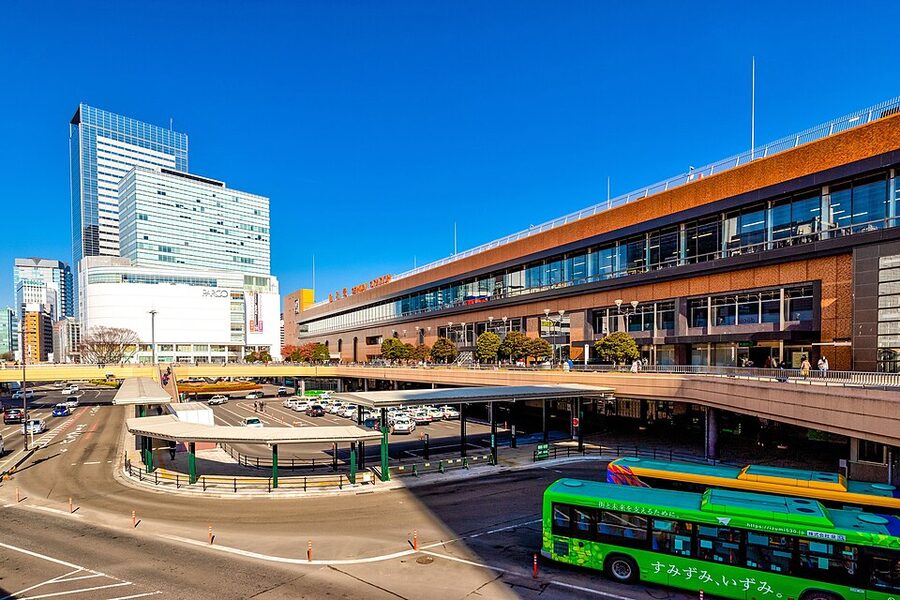
Tokyo to Sendai on the Tohoku Shinkansen is the only sensible route. The Hayabusa is the fastest service, 1h 30m at around ¥11,410 reserved (as of 2026, JR East fares), with the slower Yamabiko taking 1h 50m and costing roughly ¥1,500 less. The Hayabusa requires a reserved seat. If you have a Japan Rail Pass or a JR EAST PASS the question is moot: every Tohoku Shinkansen service is included on the JR East pass, and you reserve at the green window or via the JR East Train Reservation site at no extra charge. My piece on the JR East Pass walks through the booking flow if you’re using one for this region.
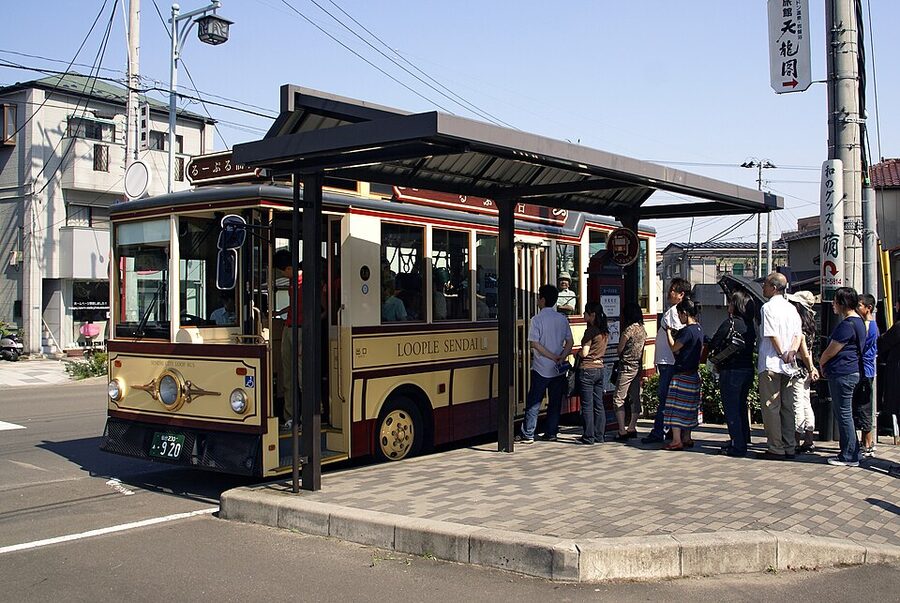
Inside the city you will use three things. The Sendai Loople is a tourist-loop bus that does a 16-stop circuit through downtown, past Aoba Castle ruins, Zuihoden, Osaki Hachimangu, and back to the station. A 1-day pass costs ¥630 (adult) and is the right ticket for first-day sightseeing. The Sendai Subway is a two-line cross (Namboku north-south, Tozai east-west), useful for reaching downtown shopping or the Tozai Line stops at Kawaramachi and Aobadori-Ichibancho if you’re walking the arcades. JR East commuter trains handle Sendai-Matsushimakaigan (Senseki Line, around 40 minutes) and Sendai-Sakunami / Yamadera (Senzan Line). I never end up renting a car in Sendai, and I don’t think you should either; the public transit is dense enough.
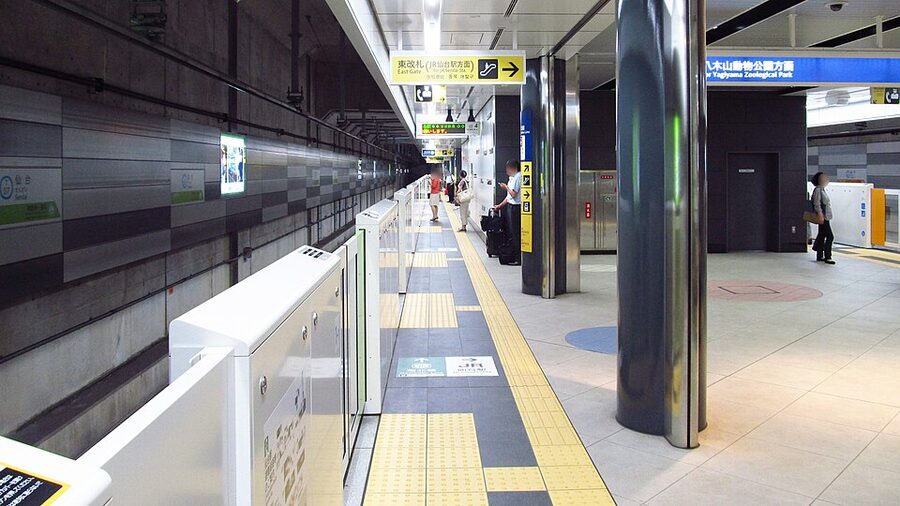
Aoba Castle ruins, and the statue everyone photographs
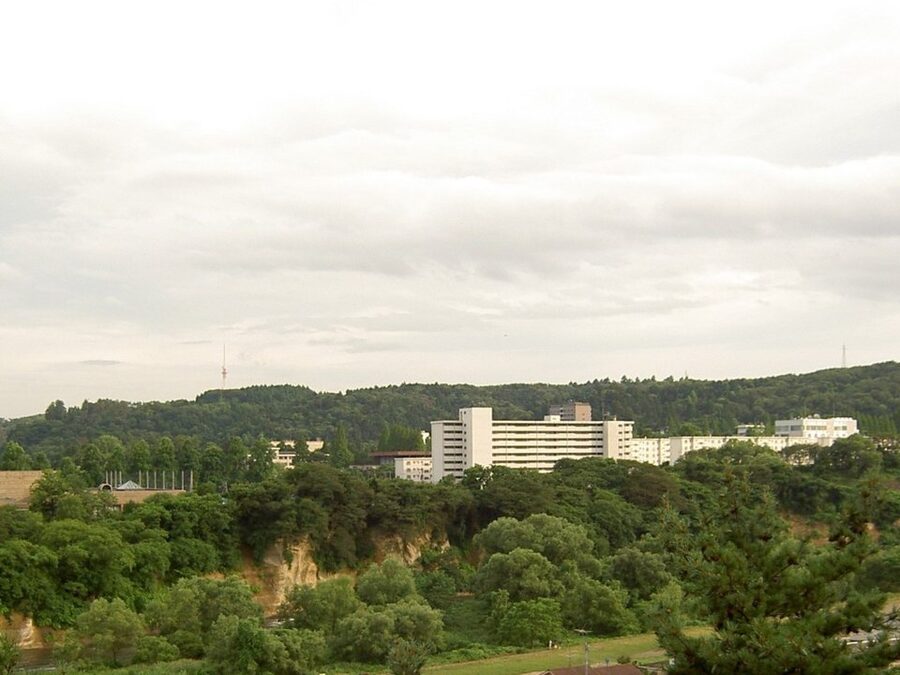
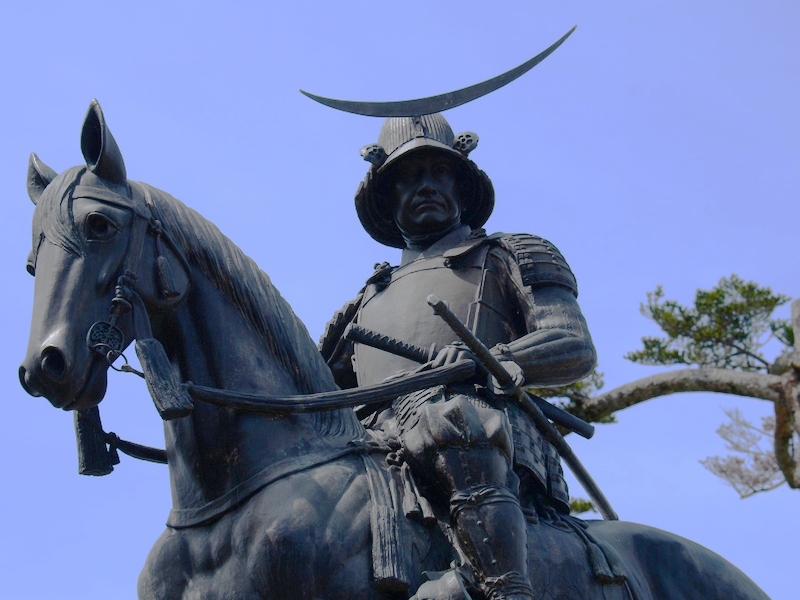
Most travellers come up the hill expecting a castle and find an empty plateau, a statue, a small museum, and one of the better skyline views in northern Honshu. The original Sendai Castle, built by Date Masamune from 1600, was a sprawling complex of buildings on a 130-metre hill above the Hirose River. The Meiji government dismantled most of it in the 1870s. World War II air raids took out the rest. What remains are the stone foundations, the reconstructed Otemon corner watchtower, and the famous bronze statue of Masamune on horseback in full battle armour, eyepatch and all.
The statue is positioned to look out toward the Pacific. On a clear morning you can see all the way to Sendai Port. Honmaru Kaikan, the small souvenir-and-restaurant building behind it, sells local sake by the cup; the museum next door is a 15-minute affair, and most of the explanatory signs are in Japanese with patchy English. The thing worth doing here is the walk back down via Aoba Shrine and the river path: about 25 minutes downhill, much prettier than the Loople-bus return.
Zuihoden: the mausoleum people actually remember
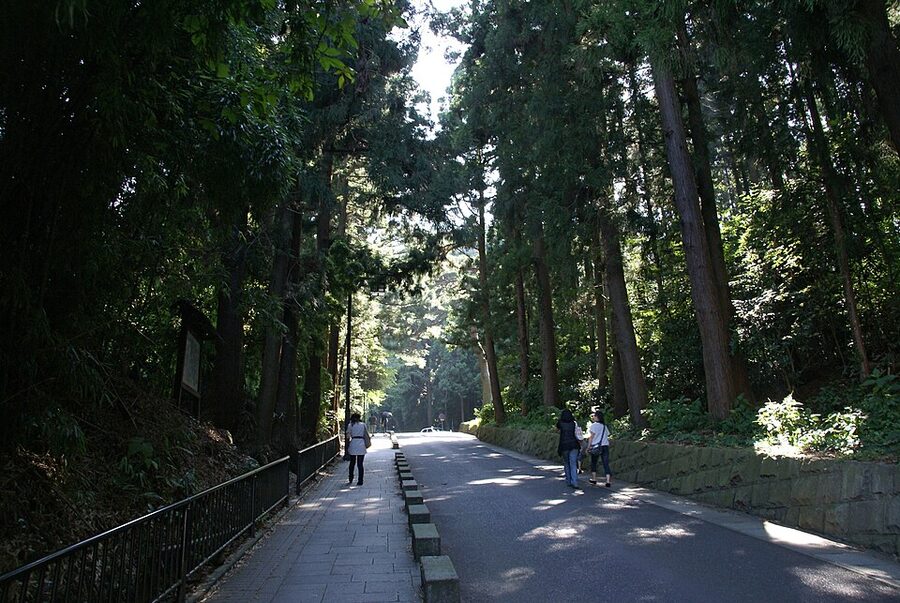
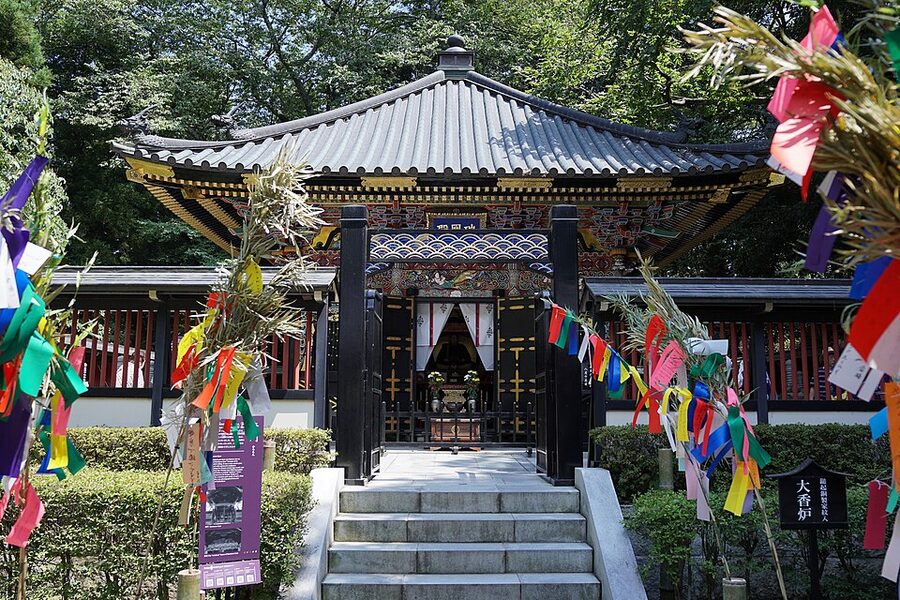
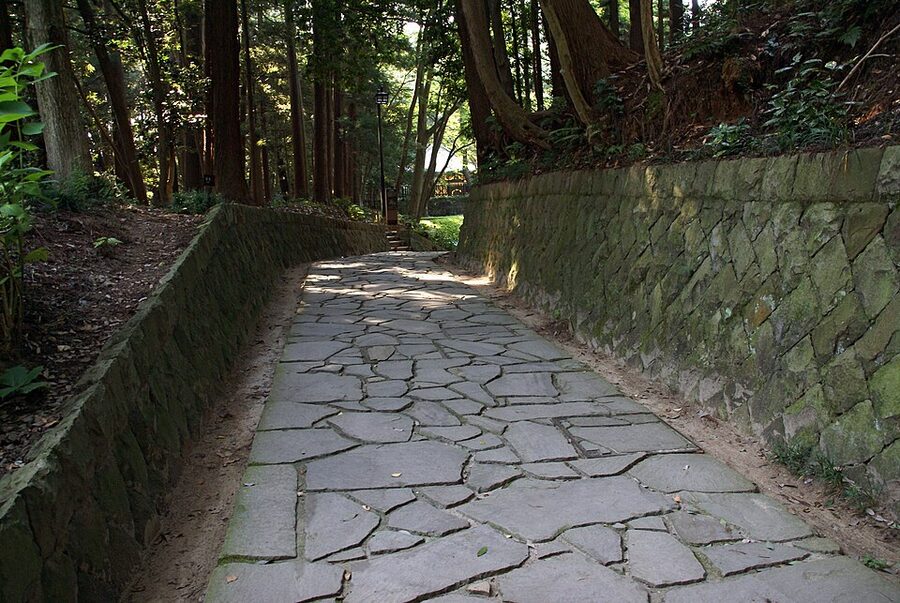
If you only do one Date-related site in Sendai, do this one. Zuihoden is Date Masamune’s mausoleum, built in 1637 the year after his death, set in a cedar forest reached up a flight of stone steps from the foot of the hill. The original burned in WWII. The current hall was reconstructed in 1979 to the original Momoyama-period plan: black lacquer ground, vermilion and gold ornamentation, the wraparound carved animal panels, the gilded eaves. It’s the most colourful piece of Edo-era architecture in Tohoku, and the closest you get to seeing what early-1600s Japanese mausoleums actually looked like before two and a half centuries of weathering and a war flattened most of them.
On the same site are two more mausoleums: Kanrantei (the second Date lord, Tadamune) and Zennoden (the third, Tsunamune). Both are smaller, neither as elaborate as the founder’s, but both worth the extra 15 minutes. Below the main hall is a small museum holding artifacts excavated from Masamune’s tomb chamber when the original was rebuilt: his hair, fragments of his armour, a silver-gilt comb, a reconstruction of his face based on his skull. Adult admission is ¥570, hours 09:00–16:30 (Feb–Nov), 09:00–16:00 (Dec–Jan), with the last entry 30 minutes before close. Verify on zuihoden.com before you go.
Osaki Hachimangu, and why I rate it above Rinnoji
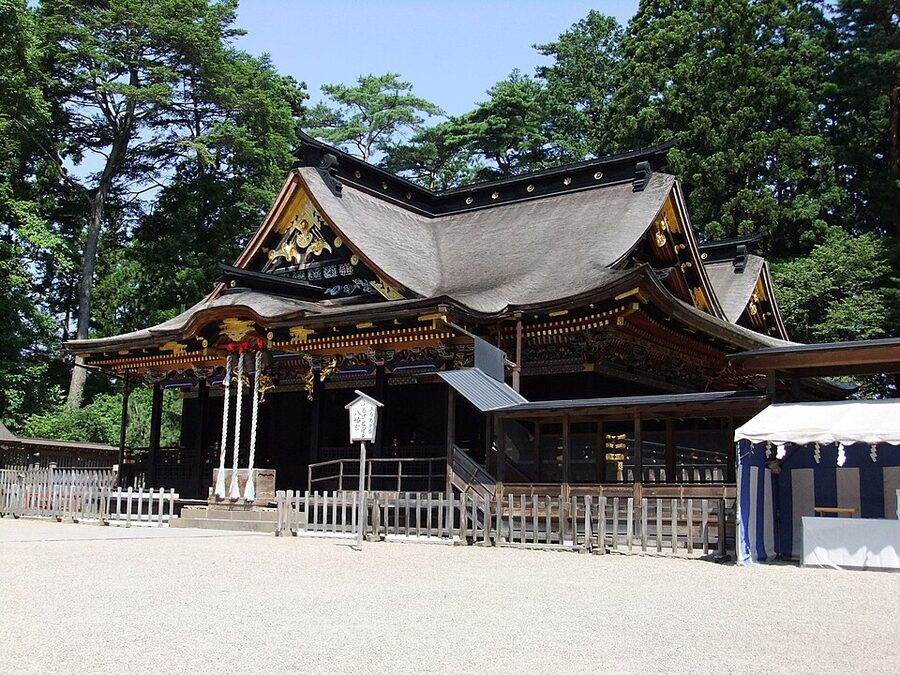
The Date family’s tutelary shrine, on the north-west edge of downtown, is a National Treasure and one of the oldest extant gongen-zukuri shrines in Japan. Gongen-zukuri is the architectural style where a worship hall and a main hall are joined by a stone-floored corridor (ishi-no-ma) under a single roof. It was Masamune’s template; Tokugawa Ieyasu later borrowed the same basic plan for Nikko Toshogu. Osaki Hachimangu came first.
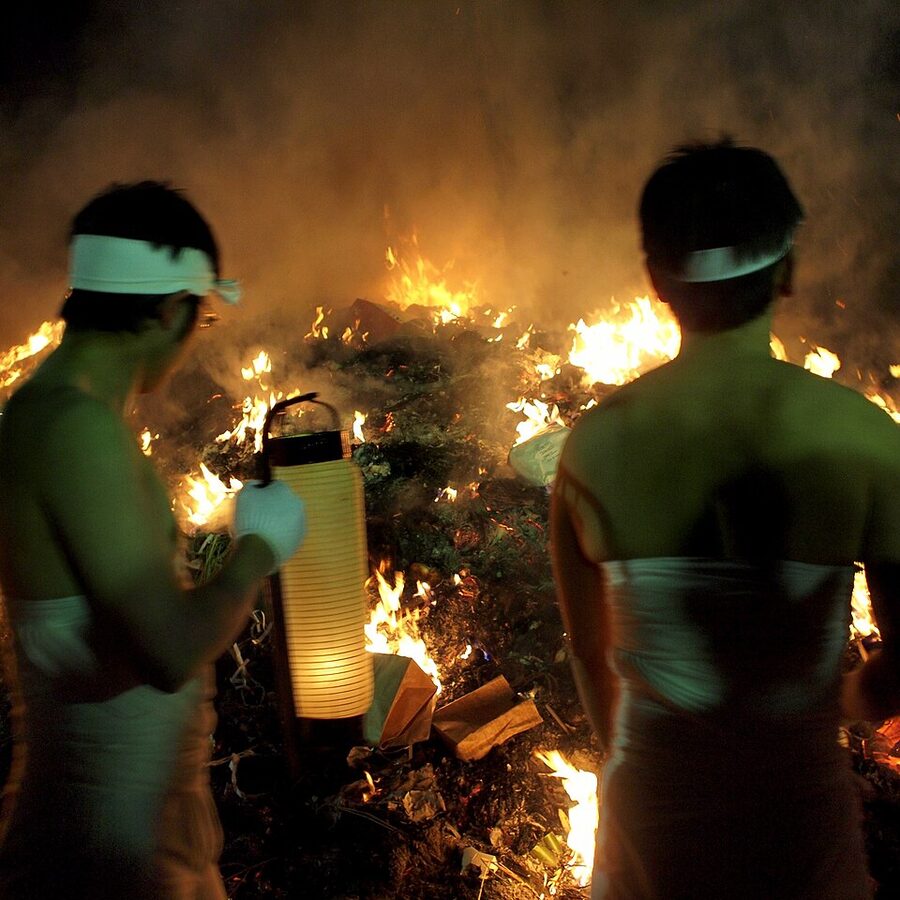
The hall itself is finished in black lacquer with gold-painted carvings, and the long flight of stone steps up to the entrance puts you in the right frame of mind on the way up. Admission is free, hours are dawn to dusk. The most important festival here is Dontosai, the night of 14 January, when participants run a 6-kilometre route through the city in white loincloths to light bonfires of New Year decorations on the shrine grounds. It’s freezing, it’s loud, and it draws genuine local crowds rather than tour buses.
Rinnoji Temple, the other Date-family Buddhist temple, is also worth your time if you have it: famous for its five-story stone pagoda holding 2,600 hand-copied Heart Sutras, a Zen garden with autumn-foliage value, and free zazen meditation sessions on Saturday evenings. Admission is ¥300, but my honest call is that if you’re forced to choose between Rinnoji and Osaki Hachimangu on the same day, Osaki is the keeper. The architecture wins.
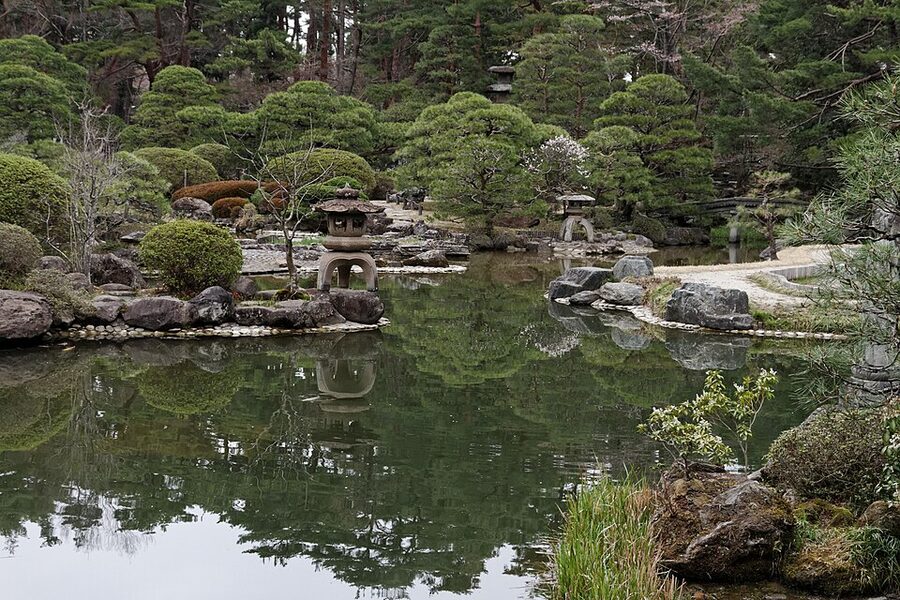
Gyutan: where to actually eat beef tongue, with names
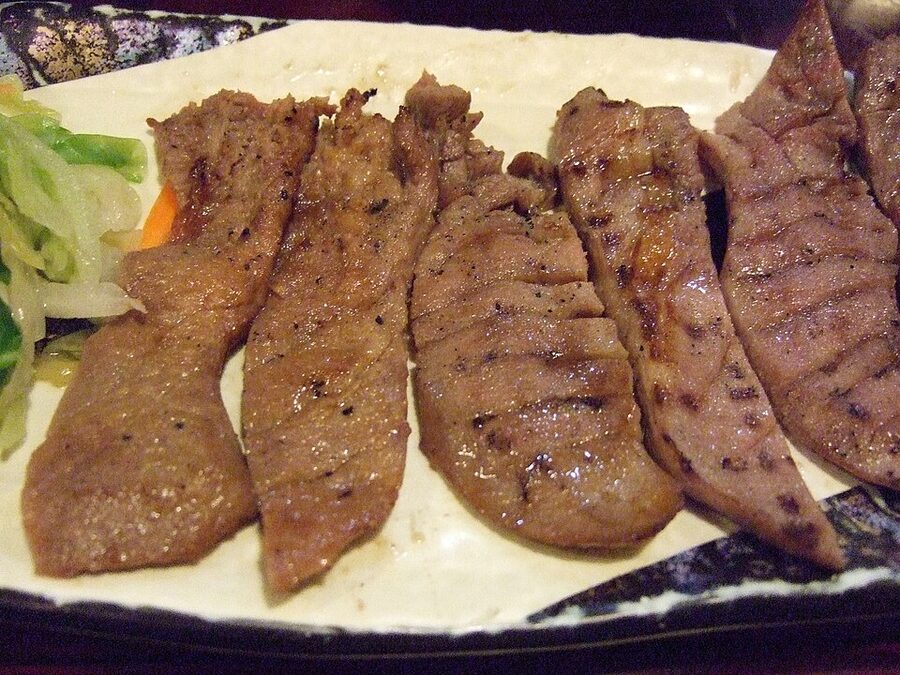
Sendai is where Japanese grilled beef tongue was invented. The story credits Sano Keishiro, who opened a restaurant called Tasuke in 1948 and worked out the salt-cured, long-rest, charcoal-grilled style now standard nationwide. There are something like 80 gyutan restaurants in the city today. Most of them are competent. A few are excellent. The names worth remembering are Rikyu, Kisuke, Negishi, and the original Tasuke. All four maintain Sendai locations and have inside-station outlets at Sendai Station’s third-floor “Gyutan-dori” alley, which is where the layover crowd ends up by default.
Rikyu is the chain most travellers default to and it’s deservedly popular. A standard gyutan teishoku (three pieces of grilled tongue, barley rice, oxtail soup, pickles) runs around ¥1,800. The Sendai Station third-floor branch and the Ichibancho branch downtown both serve the same menu; the queues at the station branch peak 12:00–13:30 and 18:00–19:30. Negishi is the Tokyo-Sendai operator most foreigners know if they’ve eaten gyutan in Tokyo first; their Sendai-Itsutsubashi outlet does a slightly thicker cut. Kisuke, with seven Sendai locations, has multilingual menus and a good entry-level reputation. Tasuke Honten, the original 1948 location, is in Kokubun-cho and operates the way old Sendai operates: a counter, no English, charcoal grill, no reservations.
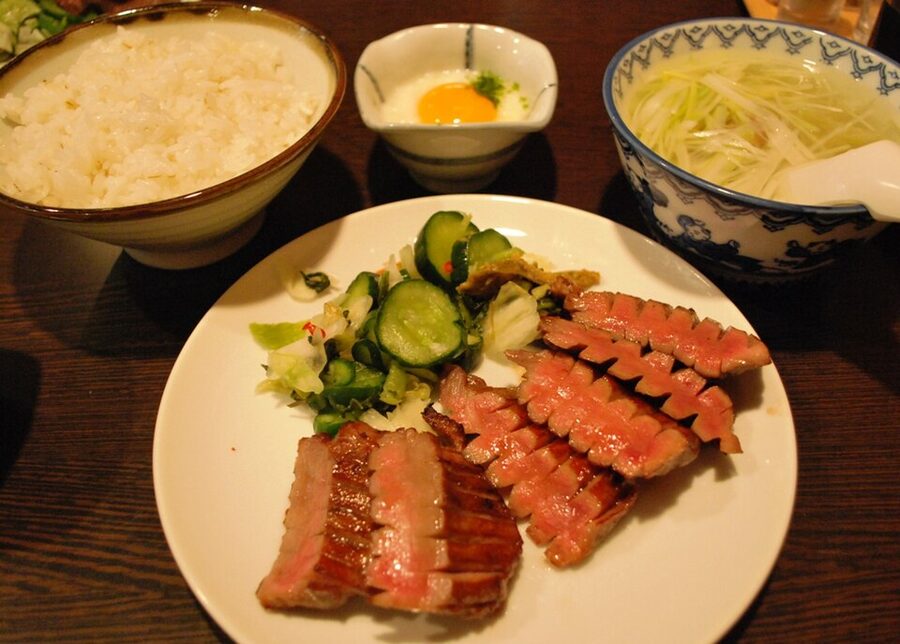
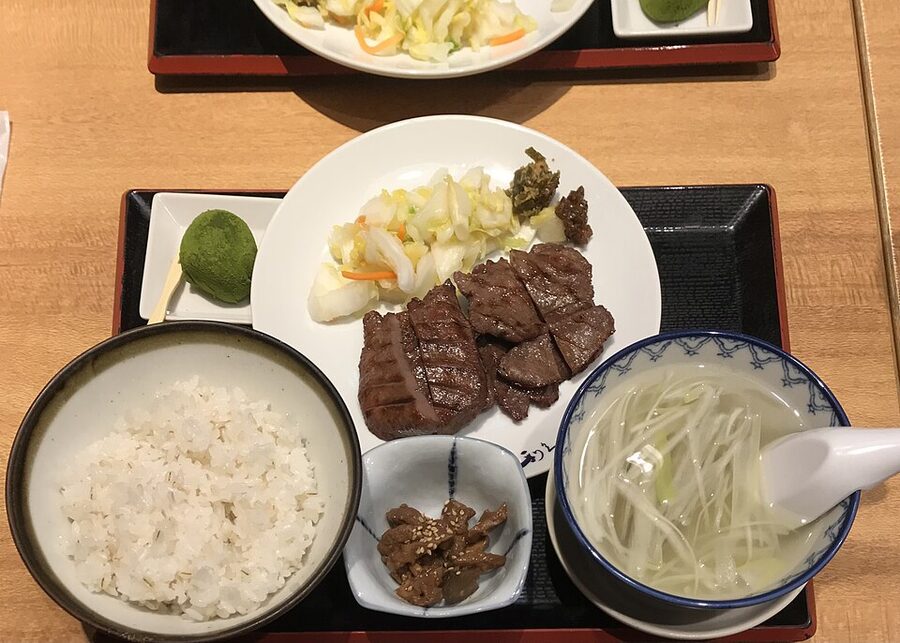
The single thing most first-timers get wrong: ordering just the grilled tongue, no set. The salt-and-rest curing makes the tongue dense; you need the rice and the soup to balance it. Skip the deep-fried gyutan-karaage on a first visit. Skip the gyutan curry. Eat the teishoku set, drink the soup, finish the rice, leave.
The Sendai Tanabata Festival, and why it’s the right summer trip
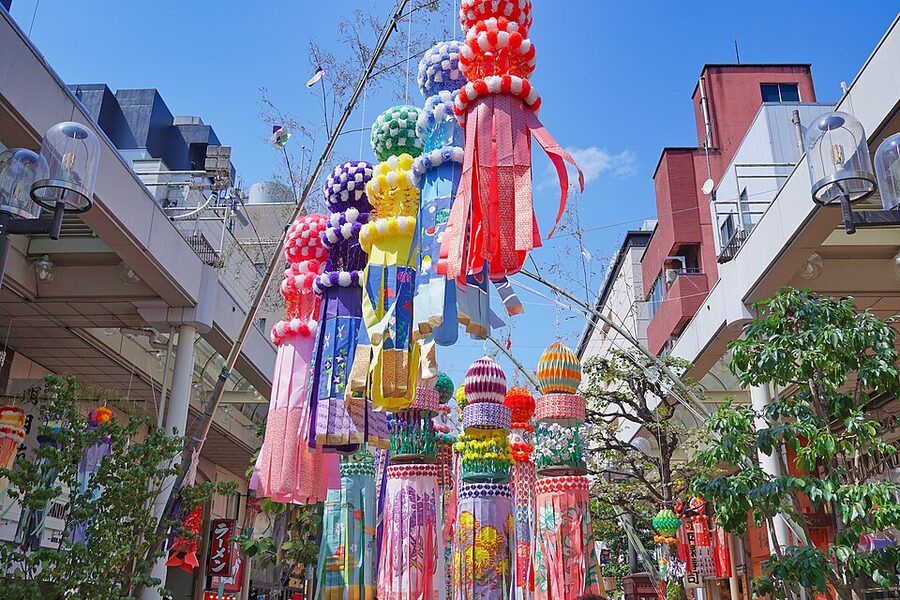
The Sendai Tanabata Festival runs every year on 6–8 August. It hangs around 3,000 large-scale tanzaku bamboo-and-paper decorations through the city centre, draws around two million visitors over three days, and is the most photogenic of Japan’s three big Tanabata festivals (the other two are Hiratsuka and Anjo). The crowds are smaller than Kyoto’s Gion Matsuri, the photography window is wider, and the atmosphere is genuinely local rather than tour-bus-driven, especially in the Chuo-dori and Ichibancho arcades.
The festival follows the lunar calendar, which is why Sendai’s dates are 6–8 August rather than the 7 July date most of Japan uses. The history goes back to Date Masamune, who introduced the Chinese star-festival tradition to encourage women’s arts in his domain. Each shopping district makes its own decorations from scratch every year, judged on the morning of 6 August in a quiet competition you can stand and watch. The decorations have to follow the seven traditional shapes: tanzaku wishing-strips, kami-goromo paper kimono, orizuru origami cranes, kinchaku drawstring purse, toami fishing net, kuzu-kago trash basket, and fukinagashi the long colourful streamers. The streamers are what photographs.
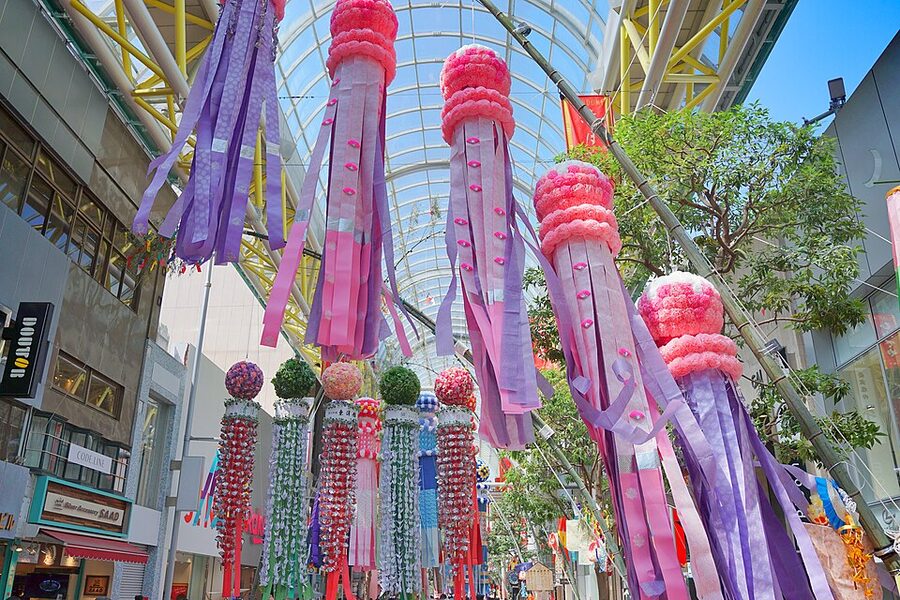
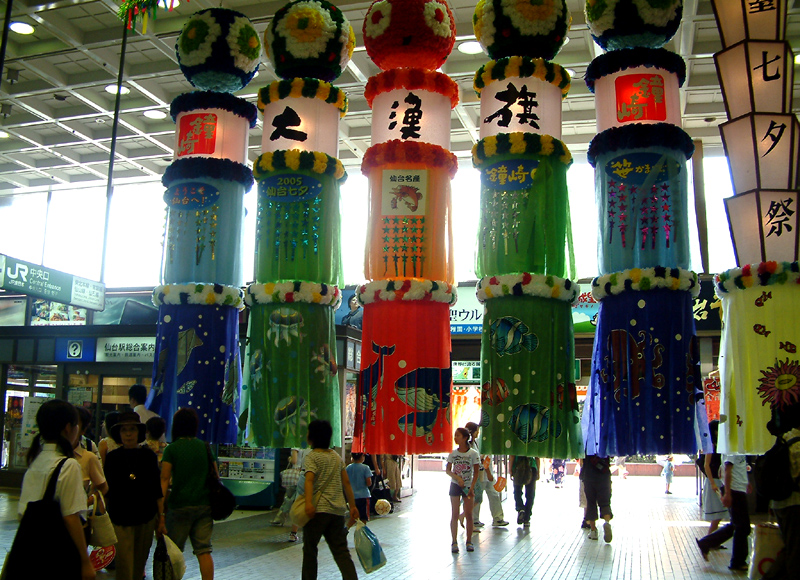
Three practicalities. (1) Hotels in central Sendai sell out three months ahead for the 5–8 August window. Book by early May at the latest, or stay in Furukawa or Yamagata City and commute in. (2) The fireworks evening, the night of 5 August, is the unofficial opening; most people skip it because it isn’t in the official three-day run, but it’s genuinely the best fireworks of the festival. (3) If you’re shooting photographs, bring a wide-angle: the streamers hang at 4–5 metres and the arcades are narrow.
Downtown: Jozenji-dori, Ichibancho, and the trees
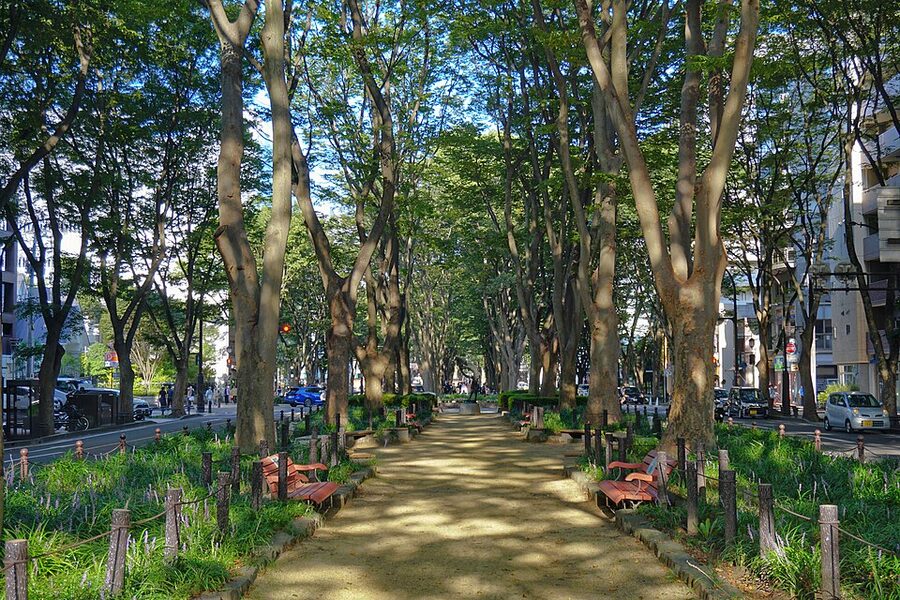
The eight-block stretch of Jozenji-dori between Kotodai Park and the southern arcades is the green spine of Sendai. The Japanese zelkova trees were planted as part of the post-war rebuild, because most of central Sendai burned in the 10 July 1945 air raid, and the city replaced what had been blown apart with a wide tree-lined avenue and a green-park heart. The result is the only Tohoku city centre that genuinely feels green from end to end.
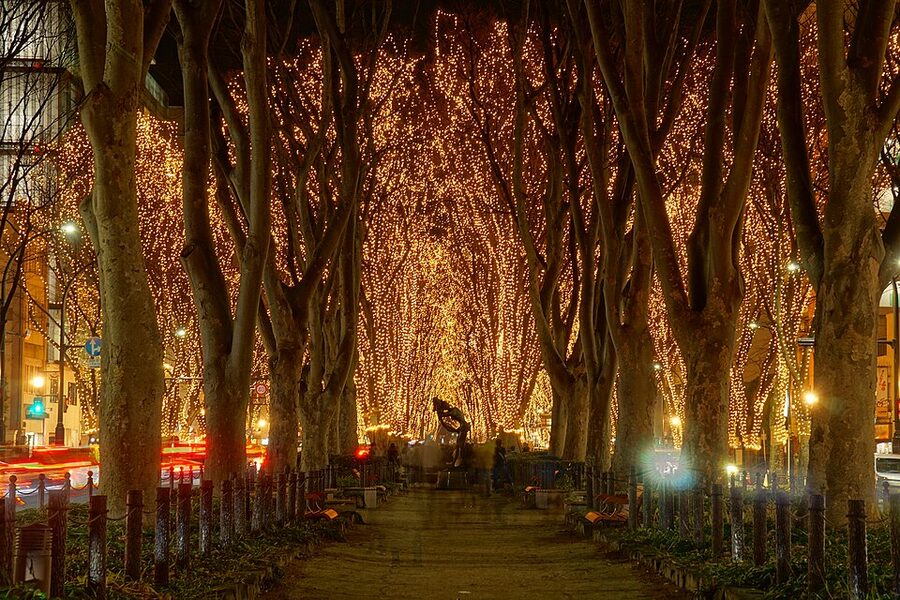
Two reasons to walk it. First: the Japanese zelkovas turn yellow late October to early November and the avenue runs as a continuous canopy of yellow leaves. Second: from mid-December to 31 December the trees are wrapped in around 600,000 LED bulbs for the SENDAI Pageant of Starlight, the city’s answer to the Kobe and Sapporo winter illuminations. It’s shorter than either of those, but the light source is the trees themselves rather than panel installations, which makes it more atmospheric.
For shopping, the four main arcades are Clis Road, Sun Mall Ichibancho, Vlandome Ichibancho, and Hapina Nakakecho. They form a connected covered loop south of Jozenji-dori, and they’re the right place for souvenir shopping (zunda kit kats, sasa-kamaboko fish cakes, gyutan jerky), traditional crafts at Sendai Kogensha, and rainy-afternoon refuge. The Sendai Asaichi morning market is a 5-minute walk from the station’s south side: 08:00–18:00 closed Sundays and holidays, raw-fish stalls, croquette stands, and a working-Sendai feel that Tokyo’s tourist markets have lost.
Akiu Onsen: half a day, ideally a night
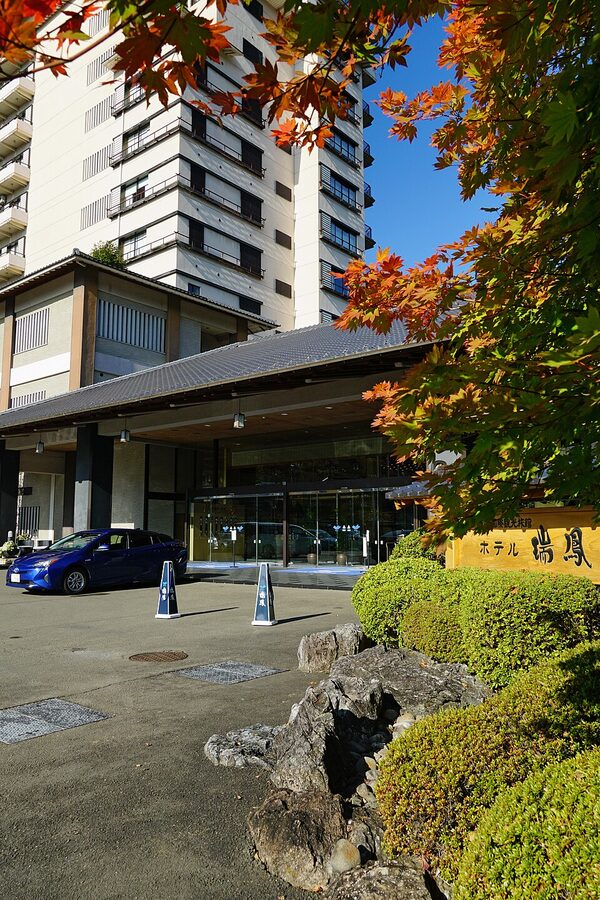
Akiu Onsen is one of Japan’s “Three Imperial Onsen” (San Goyu) along with Beppu in Oita and Dogo in Ehime, a ranking based on a sixth-century visit by Emperor Kinmei, who is said to have bathed here while ill and recovered. The hot-spring district sits in the Natori River valley about 30 minutes by bus from Sendai Station. It’s the most accessible serious onsen from any major Tohoku city, and the right move is to book one ryokan night here on the back of a Sendai-city day, not to do it as a day trip.
The water is sodium-calcium chloride, low alkaline, and salty enough that you walk out of the bath with a faint white mineral residue on your skin. Most of the ryokan have indoor and outdoor (rotenburo) baths fed directly from the source, which is what you want; beware day-trip facilities pumping treated water in from supplemental tanks, the difference is real on the skin. For a one-night stay, the established names are Sakan (founded 1000+ years ago, the oldest ryokan in Akiu, top end), Iwanumaya (mid-tier, riverside views), and Hotel Crescent (Western-style hotel with onsen, useful if you don’t want a full ryokan kaiseki experience).
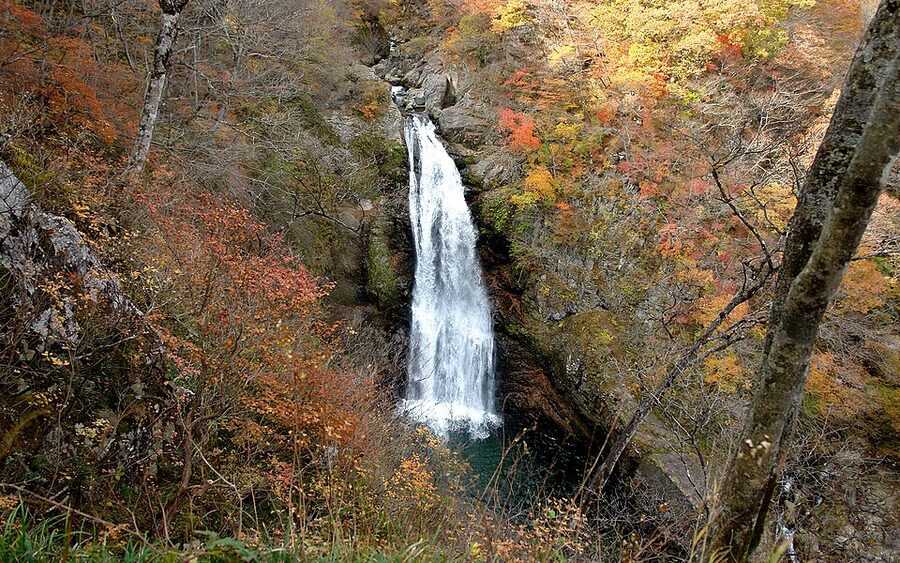
Beyond the baths the area has two attractions. Akiu Otaki is a 55-metre waterfall with a 6-metre wide drop, listed as one of Japan’s top three waterfalls; the viewpoint is a 5-minute walk from the bus stop and the trail down to the base takes another 15 minutes. Rairaikyo Gorge is a 1-kilometre river-walk with sculpted rock formations along the Natori River, signposted in English, free, and a good 30-minute leg-stretch between bath sessions.
Matsushima Bay: the day trip that earns its reputation
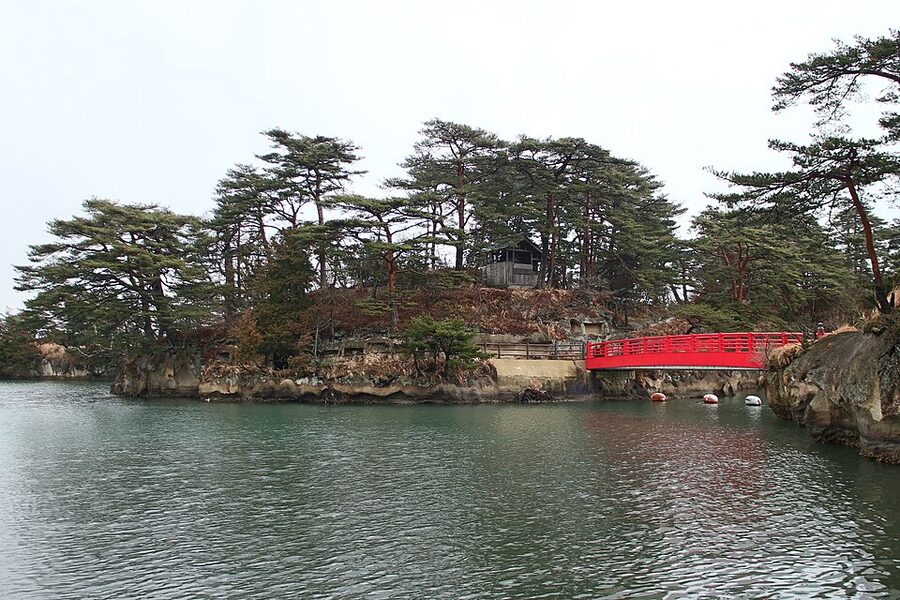
Matsushima is one of the Nihon Sankei, Japan’s three classical scenic views, alongside Miyajima’s torii in Hiroshima and the sandbar at Amanohashidate. The bay holds about 260 small pine-clad islands, the result of a tectonic event around 6,000 years ago that flooded a hilly coastline and left only the tops above water. Matsuo Basho, the Edo-period haiku poet, came here in 1689 and famously failed to find words: the legend that he wrote nothing more than “Matsushima ah! Matsushima ya! Matsushima ah!” is probably apocryphal, but the line that the place is hard to write about is true.
From Sendai it’s 40 minutes on the JR Senseki Line to Matsushimakaigan Station (around ¥420), or 25 minutes on the JR Tohoku Line to Matsushima Station (slightly longer walk to the boats). The JR East Pass covers both routes. The Senseki Line option puts you straight at the seafront. Time the trip so you arrive by 10:00 and have a full 5-6 hours.
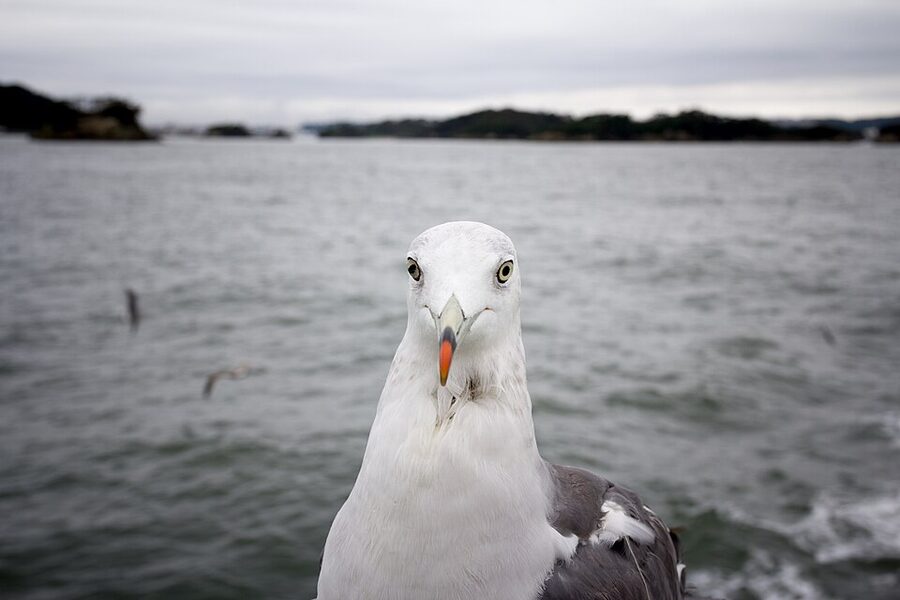
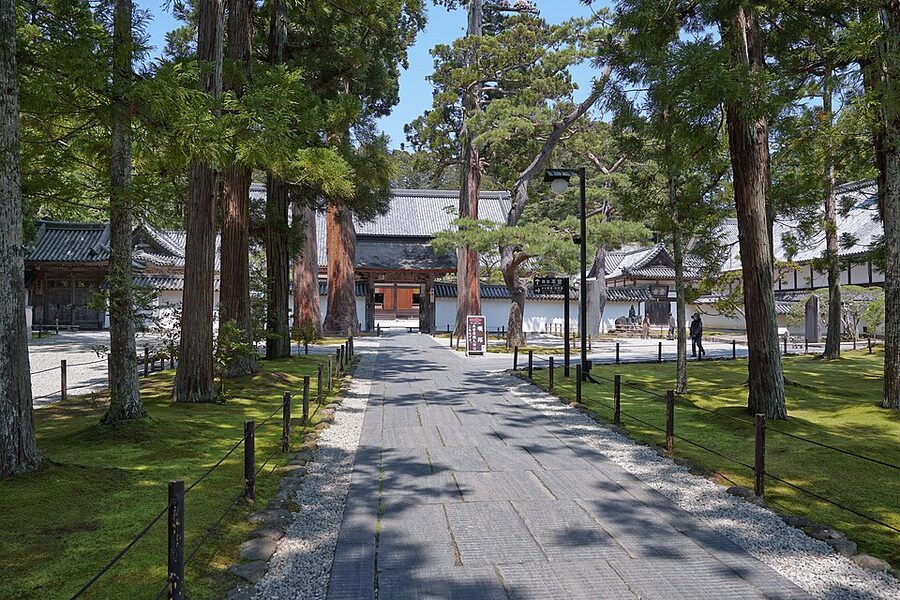
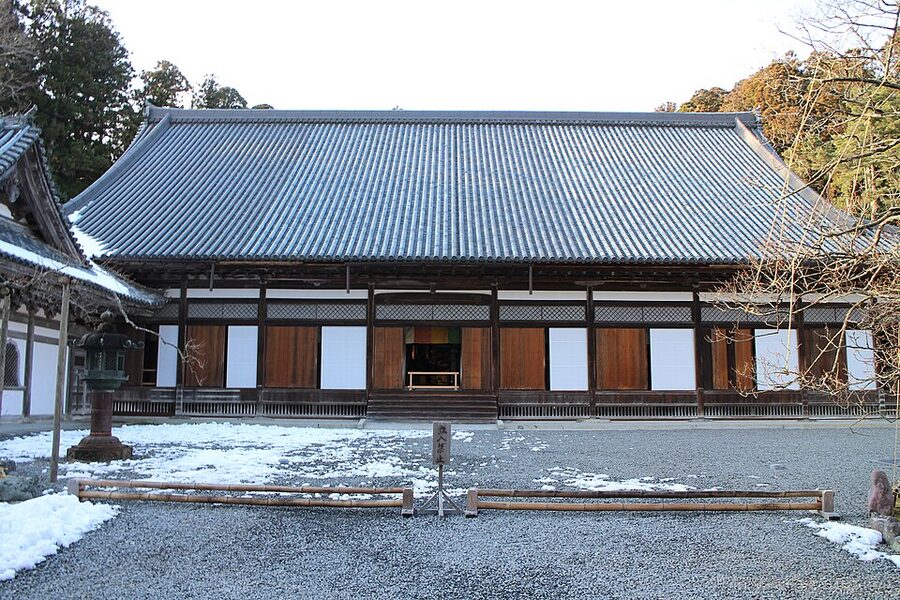
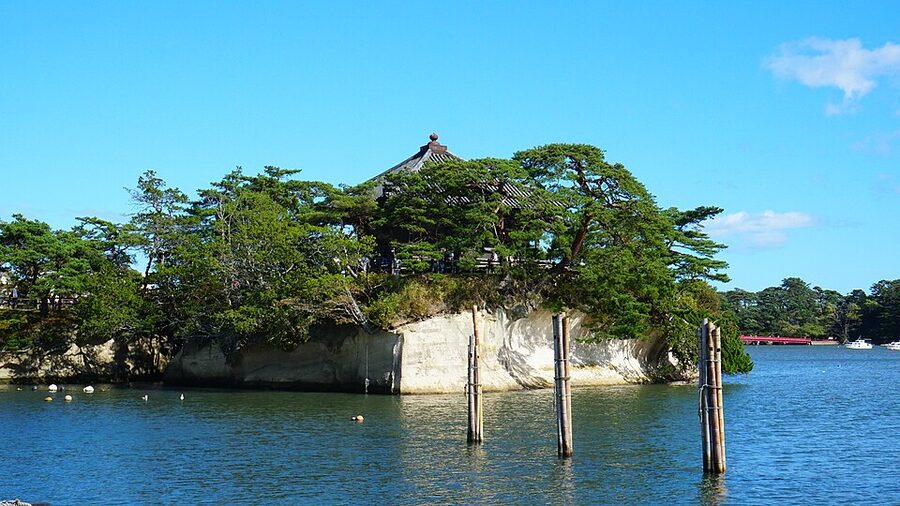
The classic move is a bay cruise plus three on-shore stops. Marubun Kisen runs the most-photographed cruise, a 50-minute bay loop departing roughly hourly from the central pier, ¥1,500 adult, with a 10% discount for online booking and an 80-minute free-parking benefit at Shiogama. Zuiganji Temple, a 15-minute walk inland, is a Zen monastery founded in the 9th century and rebuilt by Date Masamune in 1609; admission ¥700 adult, hours 08:30–17:00 (last entry 30 min before close). The walk through the cedar avenue and rock-cut meditation caves is the most atmospheric thing on the bay. Godaido, a tiny 17th-century hall on a small island connected by short red bridges, is a 2-minute walk from the boat pier and free.
Eat oysters at Matsushima. The local production is concentrated November to March and the steamed-oyster all-you-can-eat houses (kaki-goya) line the seafront in winter. Outside oyster season, the seafood-bowl shops near the pier do a competent kaisendon for around ¥2,000.
Where to stay: prioritise the station
Sendai is one of those Japanese cities where staying anywhere except directly on top of the station is a structural mistake. The station is the food court (third-floor Gyutan-dori), the Shinkansen gateway, the connection to Matsushima and Akiu, and the focus of every tourist bus loop including the Loople. Hotels along Hirose-dori or in Kokubun-cho are 7–15 minutes’ walk and look fine on the map; in practice the late-evening walk back from a gyutan dinner with luggage is enough reason to pay the ¥3,000–5,000 premium for above-the-platform.
The reliable plays, in priority order:
- Hotel Metropolitan Sendai (Booking.com | Agoda | Official site). JR East’s flagship, directly connected to the station’s west exit on the bridge level. Mid-to-upper price tier, the breakfast buffet is competent, the 18th-floor restaurant has the best skyline view from any hotel in the city.
- Mitsui Garden Hotel Sendai (Booking.com | Agoda). A 5-minute walk west of the station, modern build, large public bath on the top floor, mid-tier price.
- Daiwa Roynet Hotel Sendai (Booking.com | Agoda). A 6-minute walk from the station, room sizes generous by Japanese-business-hotel standards, the more reliable mid-tier choice.
- The Westin Sendai (Booking.com | Agoda). The city’s tallest hotel, 37th-floor lobby, top-end price. Worth it for special-occasion stays. About 7 minutes from the station.
- Comfort Hotel Sendai East (Booking.com | Agoda). The east-side budget option, 4 minutes’ walk from the station’s east exit, free breakfast, the best price-per-comfort ratio under ¥9,000.
For Tanabata-week stays, book by early May. The Hotel Metropolitan and the Westin both go on the early-March release, sell out by mid-April most years, and price up by 40–60% over standard. If you’re doing Akiu Onsen as a one-nighter, base in Sendai for the city day, drop your big bag at the station coin lockers, and travel light to the ryokan. The bus to Akiu has no luggage hold space.
What else to eat: zunda, seri-nabe, and Sasa kamaboko
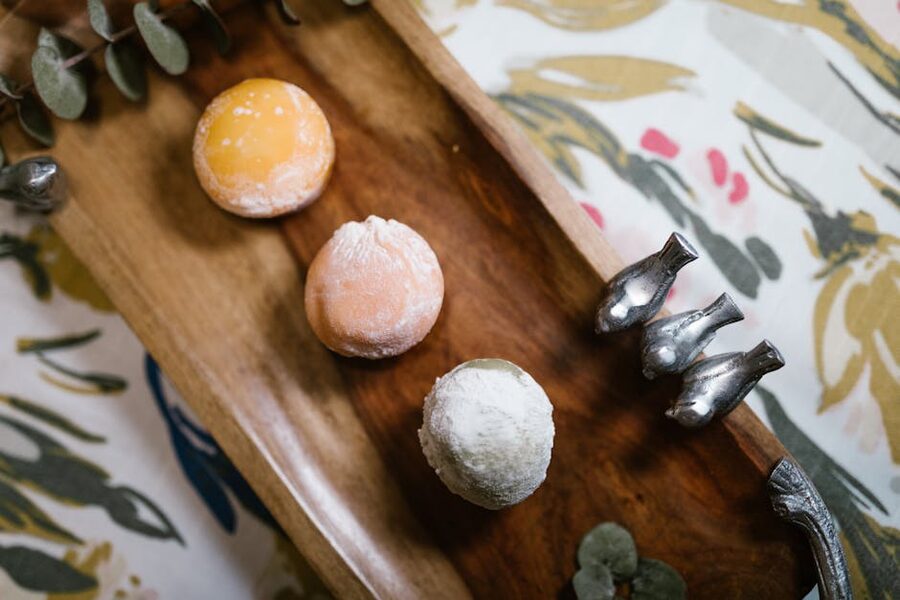
Three regional specialties beyond gyutan that you should at least try once.
Zunda mochi is the city’s sweet. Pale-green sweetened edamame paste, pounded with rice mochi, served at standalone shops and at the Zunda Saryo concession in Sendai Station. The Zunda Shake (a sweetened blended-edamame drink) is a recent invention, polarising, but very popular with first-timers. Don’t take the frozen ones home thinking they’ll keep; eat them fresh in the city.
Seri-nabe is a winter hotpot built around seri, Japanese parsley, with chicken or duck and a clear soy-and-dashi broth. Izakaya Wabisuke, in Aoba-ku, is the place credited with codifying the dish in the 1990s; reservations recommended on weekends, opening hours 17:00 to 22:00, closed Sundays. The other named spot is Hibiki, slightly smaller, slightly cheaper. Out-of-season the menu rotates to other nabe; ask before walking in.
Sasa kamaboko is a steamed and grilled fish cake shaped like a bamboo leaf, usually made from cod or flounder. It’s a souvenir as much as a food: the Abe Kamaboko Honten and Shiraken Kamaboko shops in the arcades sell vacuum-packed sasa kamaboko that travels well, and the freshly-grilled version at the Abe stall in Sendai Station tastes meaningfully different from the supermarket equivalent.
One more side trip: Yamadera, if you have a fourth day
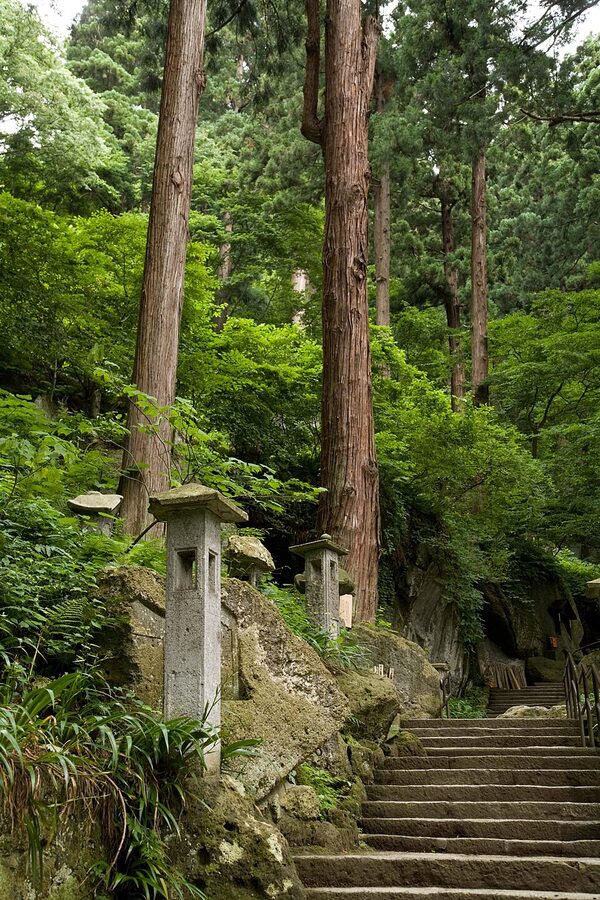
Yamadera (formal name Risshakuji) is the cliffside mountain temple where Matsuo Basho wrote the famous frog-cicada haiku in 1689. It’s 70 minutes east of Sendai on the JR Senzan Line, ¥860 each way, covered by the JR East Pass. The 1,015 stone steps to the upper temple buildings take 40–60 minutes to climb, depending on fitness, and pay off with one of the best view-from-a-temple shots in northern Honshu. I cover Yamadera in detail in the Yamagata guide because that’s where it administratively belongs, but it’s a fair use of a fourth day for anyone basing in Sendai.
For everything Tohoku that isn’t Sendai itself, see the Tohoku regional hub, the Aomori guide (Nebuta Festival, Hirosaki, Oirase), and the Yamagata guide (Yamadera, Zao Onsen, Ginzan).
When to come, and what to bring
Sendai’s climate is the mildest in Tohoku, about 3–4 degrees Celsius cooler than Tokyo, but warmer than Aomori or Akita. The city sits on the coastal plain rather than in the mountain belt, which keeps winter snowfall low and summer humidity manageable. Highs in July and August rarely cross 30 degrees Celsius, and the ocean breeze keeps evenings cool.
- April. Cherry blossoms in Sendai bloom 6–14 April most years, slightly later than Tokyo. Tsutsujigaoka Park and the Aoba Castle ruins are the two best viewing spots; both are free. Touch on this in the cherry blossom guide if you’re building a sakura itinerary.
- August 6–8. The Tanabata Festival, biggest tourist draw of the year. Book three months ahead.
- Late October to early November. Jozenji-dori’s zelkovas turn yellow, and the Akiu Otaki area peaks for autumn leaves. The best three-week window of the year for the Date sites.
- Mid-December. SENDAI Pageant of Starlight, Jozenji-dori in 600,000 LED bulbs, runs through 31 December.
- 14 January. Dontosai at Osaki Hachimangu. Bring layers; it’s the coldest event night of the year and you will be standing for hours.
If you’re using a Japan Rail Pass or JR East Pass, the key calculation is whether you’re continuing north (Aomori, Akita) or returning to Tokyo. North-bound trips justify the JR East Pass over the national pass on cost; round-trip from Tokyo with one Sendai stop usually comes out break-even. Activate the pass at JR EAST Travel Service Centre on Sendai Station’s second floor, west side, before your first reserved Shinkansen.
What to skip
Three things that show up on most “Top 20 in Sendai” lists and that I think you should drop without guilt. The Sendai Mediatheque is an architecturally interesting library with a glass facade, and unless you read Japanese the actual collection isn’t for you. Sendai Umino-Mori Aquarium is a competent regional aquarium but a 30-minute commute on the Senseki Line for what you’d see at the much larger Tokyo or Osaka venues. And the Sendai Daikannon, a 100-metre concrete statue of Kannon in the suburbs, photographs strangely and feels off to most foreign visitors; the inside elevator ride is a curiosity rather than a sight.
One last thing. The 11 March 2011 earthquake and tsunami killed around 1,800 people in Sendai and surrounding areas, and the rebuilt coastal park at Arahama is a memorial that doesn’t announce itself as one. The Arahama Elementary School, preserved as a tsunami museum on its second-floor walls, is a 30-minute bus from the station and the most powerful thing in Miyagi. Worth the half-day if your visit is more than first-timer sightseeing.
Sit on the platform for the late train back to Tokyo around 21:00. The shinkansen pulls in, you get on, and 90 minutes later you’re in Tokyo Station, which is when Sendai’s rural-Tohoku-but-not-quite character starts to make sense in retrospect. That hour and a half on the Hayabusa is the right ending.


.jpg)


_20170327.jpg)
.jpg)


.jpg)