JR doesn’t run to Kintetsu-Nara. JR doesn’t run on the Hankyu Arashiyama Line that pulls into the village across the Togetsukyo Bridge. JR doesn’t run the Keihan platforms three minutes from the foot of the Fushimi Inari torii tunnel. And JR’s national pass, the one most first-time Japan visitors buy on autopilot, doesn’t cover the Nankai cable car that lifts you to Koyasan either.
That gap is what the Kansai Thru Pass plugs. Or it did, until the operator quietly dropped its old name on April 1, 2026. The pass is now sold as the Kansai Railway Pass Lite, with reduced coverage, lower prices, and a six-month validity window. The new product is leaner. It’s also, for the right itinerary, still the smartest pass in the region.
This is the contrarian piece in the four-part rail-pass cluster on this site. The hub piece on the Japan Rail Pass covers the national side, the JR East Pass handles Tohoku and Hokuriku, and the JR West Pass family covers Kansai’s JR side. This article is for the trip that lives off JR. If you’re temple-heavy in Kyoto, day-tripping to Nara, riding the Nankai down to Koyasan, or running back and forth between Osaka and Kobe on Hanshin, the Kansai Railway Pass Lite is the pass that earns its keep. The national JR Pass, on those same days, would be the most expensive piece of plastic in your wallet.
In This Article
- What the 2026 reset actually changed
- The lines it does cover
- Hankyu, the maroon network
- Hanshin, the bayside express
- Keihan, the temple line
- Kintetsu, the Nara solution
- Nankai, airport and Koyasan
- Sanyo, Osaka Metro, and the small operators
- What it doesn’t cover, and what to do instead
- Two-day vs three-day: the actual breakeven
- The Fushimi Inari and southern Kyoto temple loop
- A three-day temple-heavy run: Osaka, Kyoto, Nara, Koyasan
- Day one: Kyoto and Arashiyama via Hankyu
- Day two: Nara via Kintetsu
- Day three: Koyasan via Nankai
- An Osaka day trip to Himeji and Kobe via Hanshin and Sanyo
- Where to buy and how to redeem in 2026
- Kansai Railway Pass Lite versus the national JR Pass
- The 260-attraction discount network nobody talks about
- Practical gotchas and supplements
- Limited Express supplements
- Edge-of-coverage rides
- USJ, Nozomi, and other no-go areas
- The other lines worth knowing about
- Who should buy the Kansai Railway Pass Lite
- One last thing about the rebrand
What the 2026 reset actually changed
For years the same product carried three different names. Surutto KANSAI 3day Chiketto, then Kansai Thru Pass, then Kansai Railway Pass, and now Kansai Railway Pass Lite. The Lite version came in on April 1, 2026 and trimmed the old coverage in three places that matter for travellers:
- Kyoto Municipal Subway is no longer included. Karasuma Line, Tozai Line, neither.
- The Keihan branches around Otsu (the Keishin Line and the Ishiyama-sakamoto Line on the Lake Biwa side) are out.
- The little Randen tram (also called the Keifuku Railway) that trundles between Shijo-Omiya and Arashiyama via Tojiin is no longer covered.
- City buses, including the Kyoto City Bus network, are out across the board.
In return, the price came down. The 2-day pass is now ¥5,200 instead of ¥5,600, and the 3-day is ¥6,500 instead of ¥7,000. Children aged 6 to 11 ride at half price. The pass is sold only between March and September, and is valid only for travel between April 1 and October 1, 2026. Outside that window the product simply doesn’t exist, which is the single oddest thing about it.
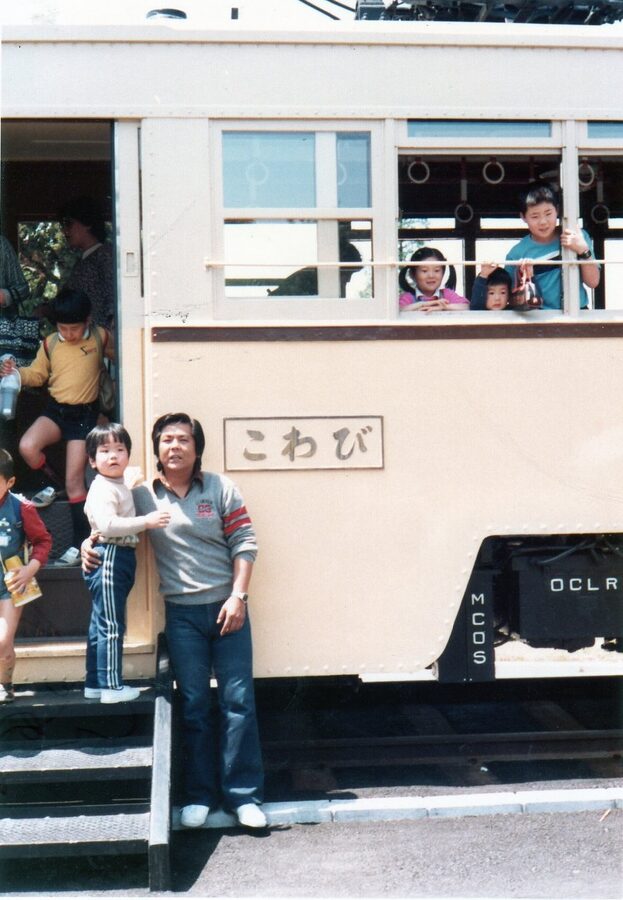
Practically speaking, the Lite version is the same pass it always was for the routes most foreign travellers actually use: Hankyu to Arashiyama, Keihan to Fushimi Inari, Kintetsu to Nara, Nankai to Koyasan, Sanyo to Himeji, plus Osaka Metro and Kobe Subway. Where the trim hurts is in-Kyoto local transport. If you were planning to ride Kyoto City Bus or the Karasuma Line subway from Kyoto Station up to Kitaoji, the old pass covered you and the new one doesn’t. The fix is cheap and I’ll come back to it later: a separate Kyoto Subway and Bus 1-Day Pass at ¥1,100 a day fills the gap on the days you need it. The Lite stays in your wallet for the inter-city days.
The lines it does cover
Eighteen rail operators across five prefectures. That’s the slightly insane scope of this pass and the reason it took the better part of an hour to map out the first time I tried to use it. The headline operators are the five non-JR mainline networks that thread Kansai together:
Hankyu, the maroon network
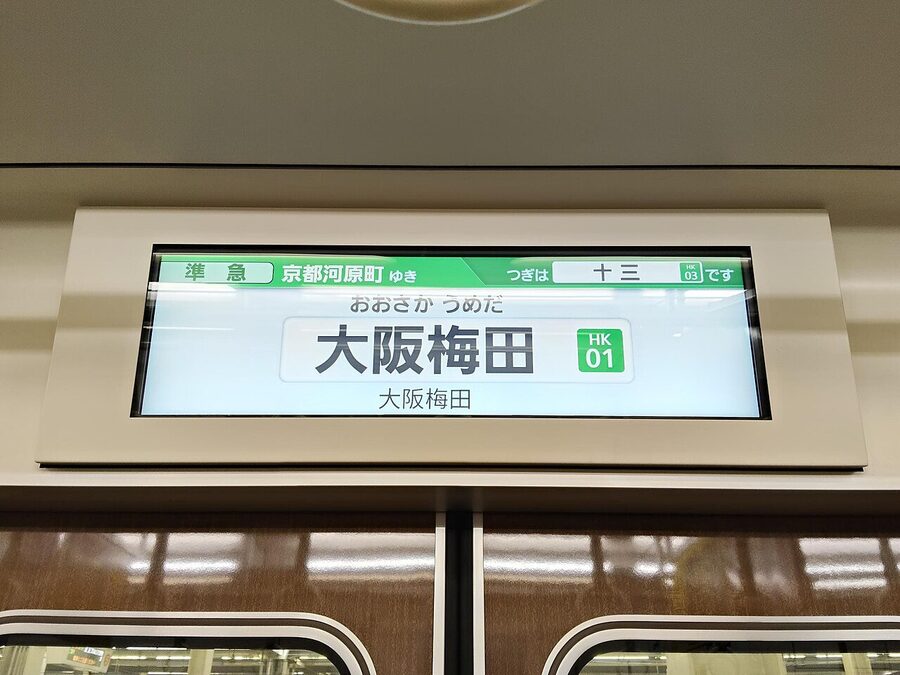
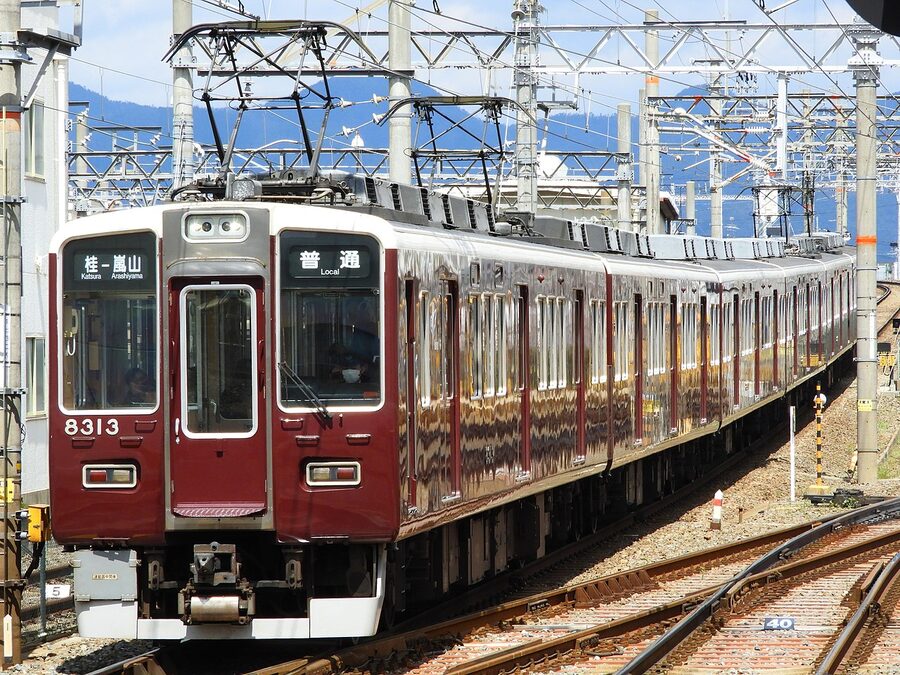
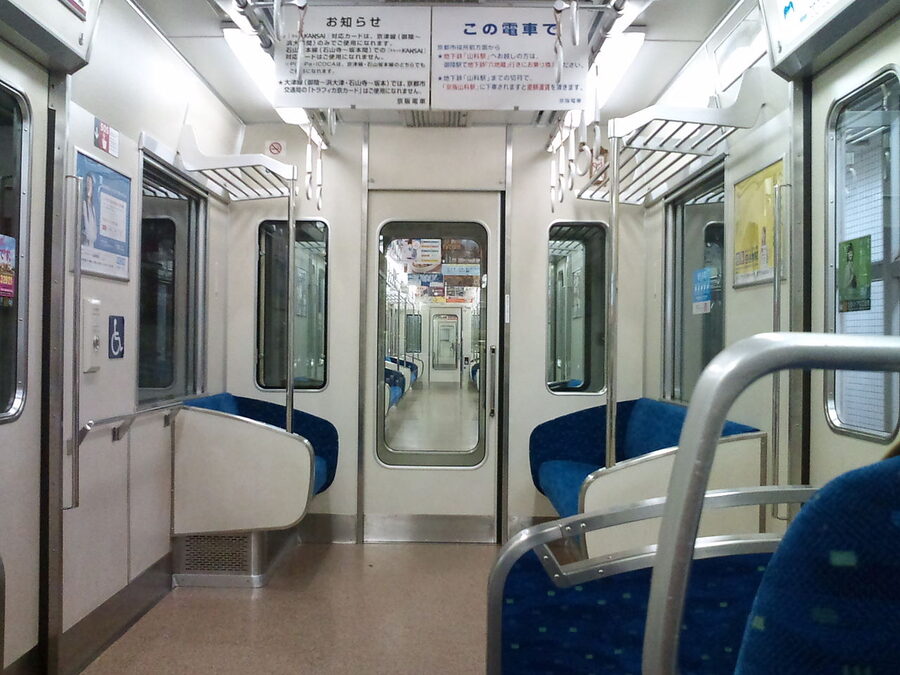
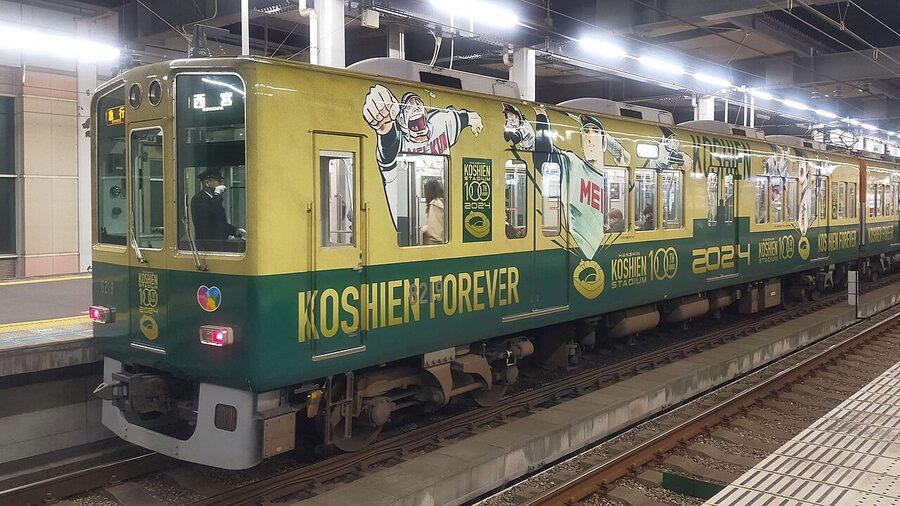
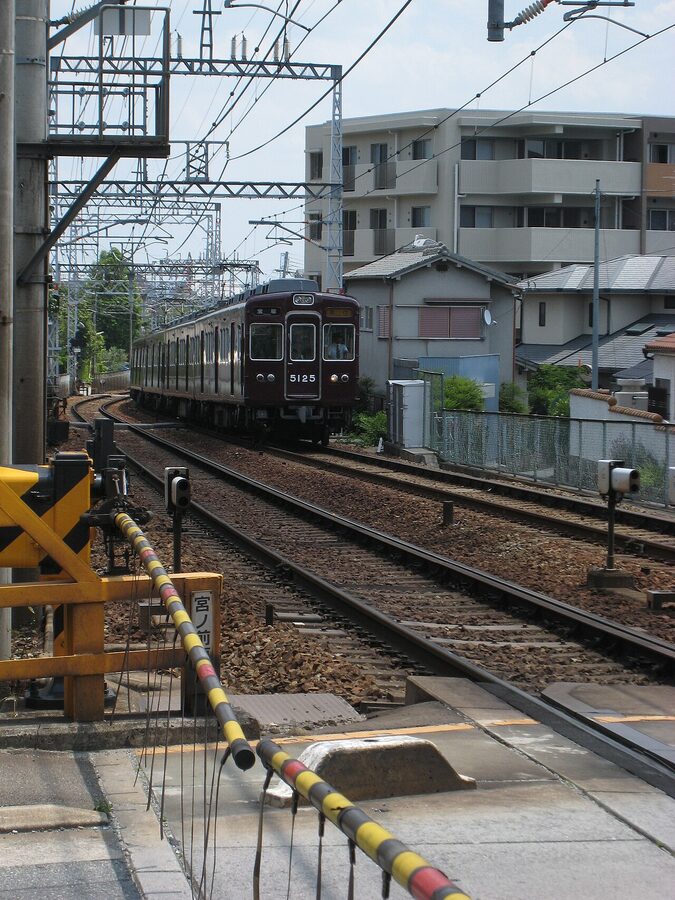
Hankyu runs three colour-coded main lines out of Osaka Umeda. The blue Kobe Line goes west to Sannomiya, the orange Takarazuka Line bends north, and the maroon Kyoto Line runs to Kawaramachi via Kyoto-Karasuma. From Katsura, midway up the Kyoto Line, a four-station branch peels off west to Arashiyama Station. The trains are unmistakable: every Hankyu carriage is painted the same deep maroon, and the seats inside are still the original olive-green velvet that the rolling stock has used since the 1960s. It’s not the fastest network in Kansai. It is the most enjoyable.
Hanshin, the bayside express
Hanshin runs the southern shore route from Osaka Umeda west to Kobe Sannomiya, hugging the bay. It’s faster than Hankyu’s parallel Kobe Line because it skips inland and runs more or less direct. Through-trains continue west onto the Sanyo Railway to Suma, Akashi, and Himeji. If your Kansai weekend is a Himeji Castle day-trip from Osaka, the pass-covered Sanyo Limited Express via Hanshin is faster than you’d expect. Around 90 minutes Umeda to Himeji, no transfers.
Keihan, the temple line
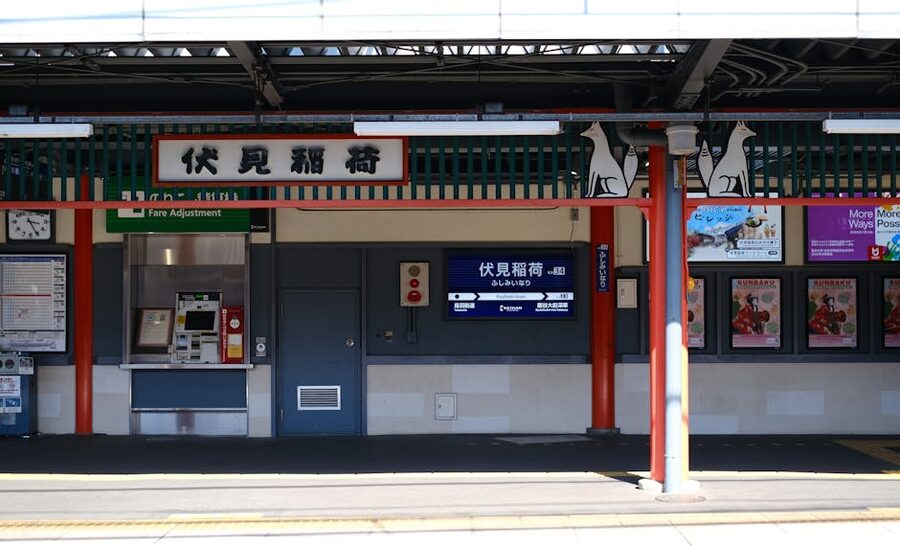
Keihan runs Osaka Yodoyabashi up to Kyoto Demachiyanagi via Fushimi-Inari, Tofukuji, Sanjo, and Gion-Shijo. This is the line that does the temple-heavy day in southern Kyoto better than JR ever could. JR’s Nara Line stops at JR Inari, which is technically closer to the Fushimi Inari main gate, but the platforms there are short and crowded and trains run only every twenty minutes. Keihan runs every ten, and the walk from Keihan Fushimi-Inari Station to the torii gates is the same five minutes through a covered shopping arcade.
Kintetsu, the Nara solution
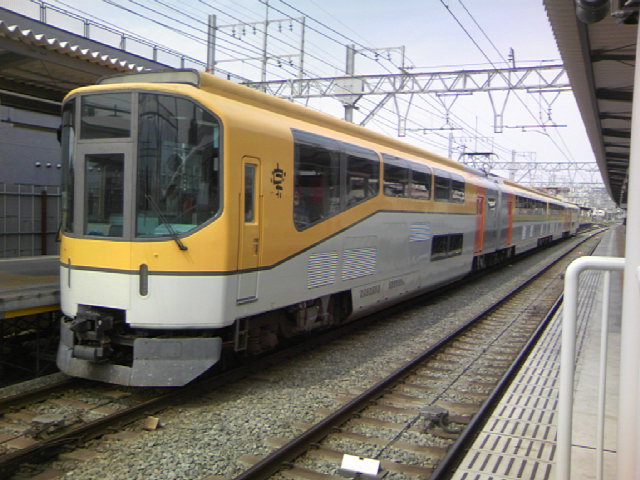
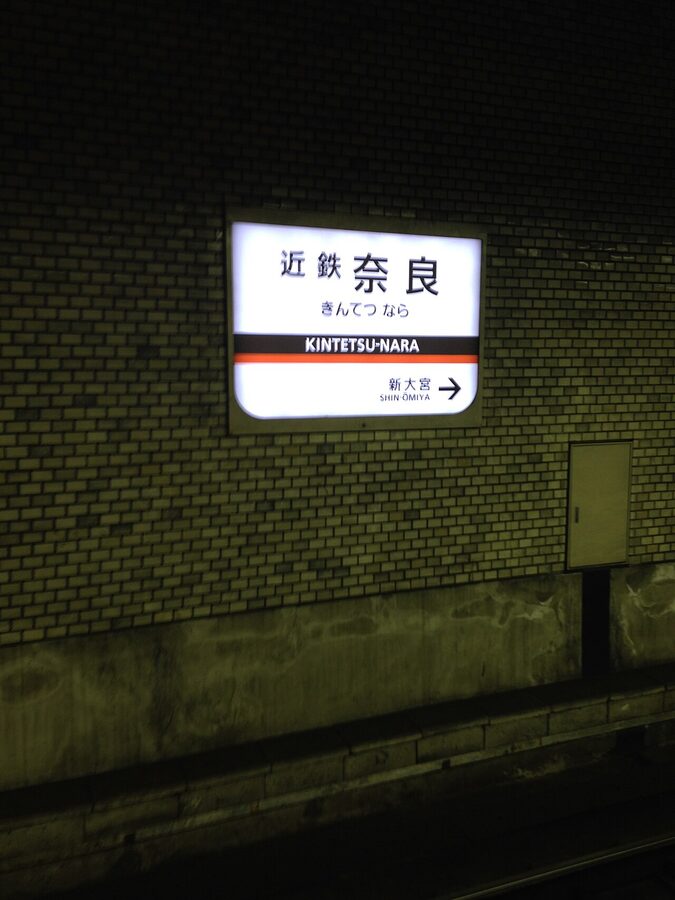
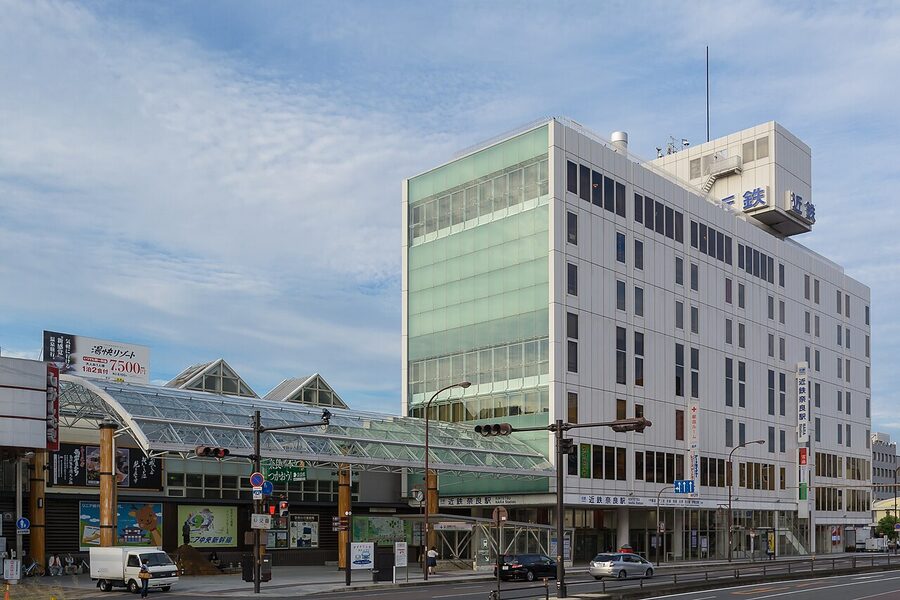
Kintetsu is the largest private railway in Japan and the one that solves the Nara problem. JR Nara Station is fine, but Kintetsu-Nara Station is two minutes’ walk from Sanjo-Dori and the path up to Todaiji and the deer park. From Osaka Namba, Kintetsu runs to Kintetsu-Nara in 35 minutes. From Kyoto Station, the Kintetsu Kyoto Line runs to Yamato-Saidaiji and onwards to Kintetsu-Nara in roughly 45 minutes on a regular express, or 35 minutes on a Limited Express with a supplement. Kintetsu also reaches Ise Shima, Yoshino, and the spiritual interior of the Kii Peninsula, though the Lite pass only covers as far as Tsubosakayama in the Yoshino direction. Beyond that you pay ¥520 each way.
Nankai, airport and Koyasan
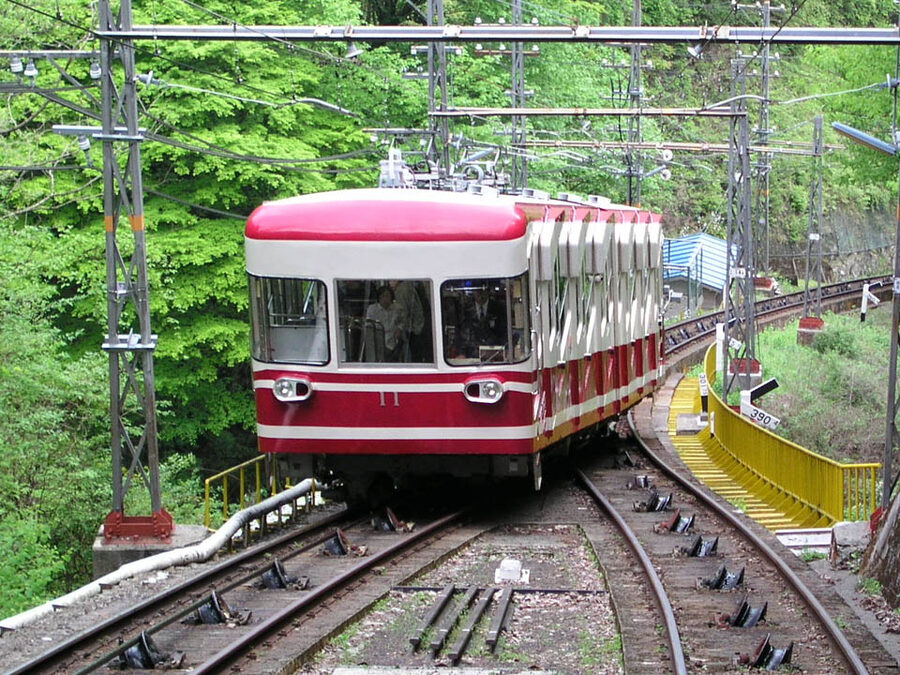
Nankai is the southern Osaka private. It runs from Namba down to Kansai International Airport (the budget alternative to the JR Haruka), and on a separate line south through Wakayama Prefecture to Gokurakubashi, where the Koyasan Cable Car hands you off to the temple village. Both pieces are in the pass: the Limited Express Rapi:t to the airport (with a ¥520 supplement on the express, or free on the regular Airport Express) and the Koyasan run with the cable car included. For Koyasan in particular, this is the only sensible way in.
Sanyo, Osaka Metro, and the small operators
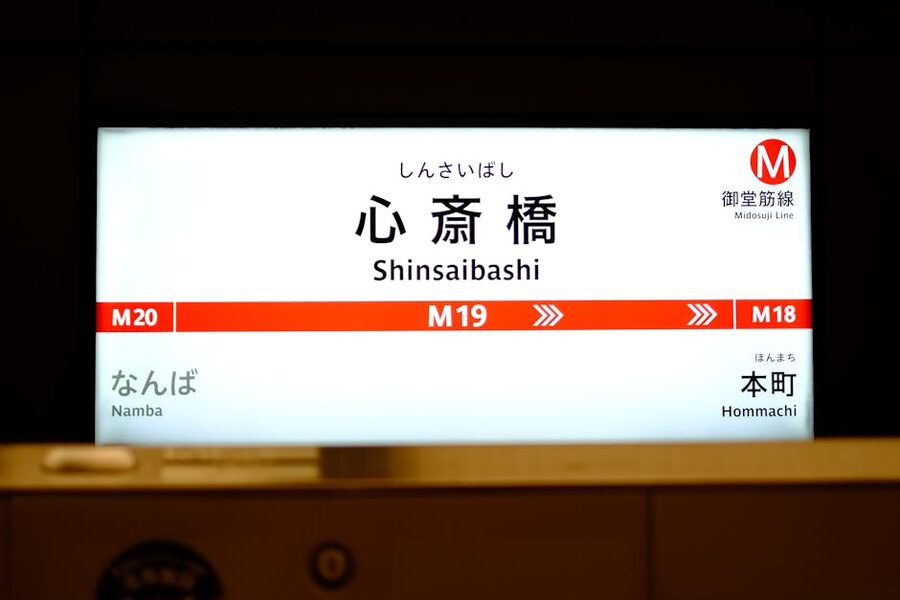
Then come the smaller operators. Sanyo Railway from Kobe to Himeji. Kobe Electric Railway serving the hill suburbs north of Kobe and the rural town of Arima Onsen. Osaka Monorail, the only sensible way to reach Itami Airport in northern Osaka. The Port Liner and Rokko Liner, two automated short-haul shuttles in Kobe Port. The full Osaka Metro network, all eight lines including Midosuji, Yotsubashi, and Sennichimae. The full Kobe Subway. Plus a handful of minor lines you may use accidentally.
What it doesn’t cover, and what to do instead
JR is the obvious one. Anywhere a train wears the green-and-white JR West livery, the pass doesn’t work. That includes the Tokaido Shinkansen at Shin-Osaka, the JR loop line around Osaka, the JR Sanyo Shinkansen out to Himeji, the JR Yume-saki Line shuttle to Universal Studios Japan, the JR Kansai Airport Express (the Haruka), and JR’s Sagano Line out to Saga-Arashiyama. None of these are pass-eligible. If your itinerary leans on any of them, the JR West regional pass family is the conversation, not this one. The JR West guide has the breakeven math.
The other dropped categories from the Lite reset are easy enough to fill with a small daily top-up:
- Kyoto Municipal Subway and Kyoto City Bus. A separate Kyoto Subway and Bus 1-Day Pass costs ¥1,100 (children ¥550) and gives you everything the Lite no longer covers. Sold at any subway station ticket window in Kyoto. Buy it on the days you’ll actually take more than three bus rides; on a one-bus-and-walk day it’s not worth it.
- The Randen. The little Keifuku tram from Shijo-Omiya to Arashiyama via Tojiin is ¥250 a ride flat-fare. Pay cash, board at the front, scan your IC card if you have one, or tap a coin into the box.
- The Keihan Otsu lines. If you’re going to Sakamoto, Hieizan, or out to Lake Biwa via the Otsu side, factor in a roughly ¥500–700 cash fare per leg. The lines are short.
The other significant gap is buses. Limousine buses to and from the airport, highway buses between Kansai cities, the Kyoto City Bus, the Nara Kotsu bus that climbs into the Nara hills: none of them are pass-eligible. For Nara Park you genuinely don’t need a bus, the deer are a flat eight-minute walk from Kintetsu-Nara. For Kyoto you do, especially in the autumn maple season when the Higashiyama district sees three-deep queues at every taxi rank.
Two-day vs three-day: the actual breakeven
The pass’s value depends entirely on whether you’re using it for one big day plus one filler day, or for three flat-out heavy days of inter-city travel. The breakeven point is roughly six private-rail rides per pass. Below that you’d save money paying cash. Above that the savings stack up fast.
To make this concrete, here are the cash fares for the rides I keep recommending:
- Osaka Umeda to Kyoto Kawaramachi (Hankyu Limited Express): ¥410 each way
- Osaka Yodoyabashi to Kyoto Demachiyanagi (Keihan Limited Express): ¥430 each way
- Osaka Namba to Kintetsu-Nara (Kintetsu Express): ¥680 each way
- Osaka Namba to Koyasan via Nankai + cable: ¥1,650 each way (this single ride is a third of the 2-day pass on its own)
- Kyoto Demachiyanagi to Fushimi-Inari (Keihan): ¥220 each way
- Osaka Umeda to Kobe Sannomiya (Hankyu or Hanshin): ¥330 each way
- Osaka Umeda to Himeji via Hanshin/Sanyo Limited Express: ¥1,310 each way
Three round-trips of any of those distances gets you into pass territory comfortably. A single trip out to Koyasan and back from Osaka is ¥3,300 of the ¥5,200 2-day pass spent before you’ve done anything else.
The split between 2-day and 3-day is interesting. The price gap is only ¥1,300, which sounds tight, but the value difference is wider than that, because the third day usually carries the most marginal-value rides: the day you push out to Himeji, or take the cable up to Koyasan, or do a Nara-then-Osaka loop. If your trip is three or more days in Kansai and you’ll be moving every day, the 3-day pays off easily. If you’ve got two heavy days and one stationary day, the 2-day plus cash fares for the gentle day works out cheaper.
One thing the pass does well: the days don’t have to be consecutive. A 3-day pass used on Monday, Wednesday, Friday is fine. This is genuinely useful if your Kyoto trip has rest days or is broken up by half-day side excursions outside the coverage area.
The Fushimi Inari and southern Kyoto temple loop
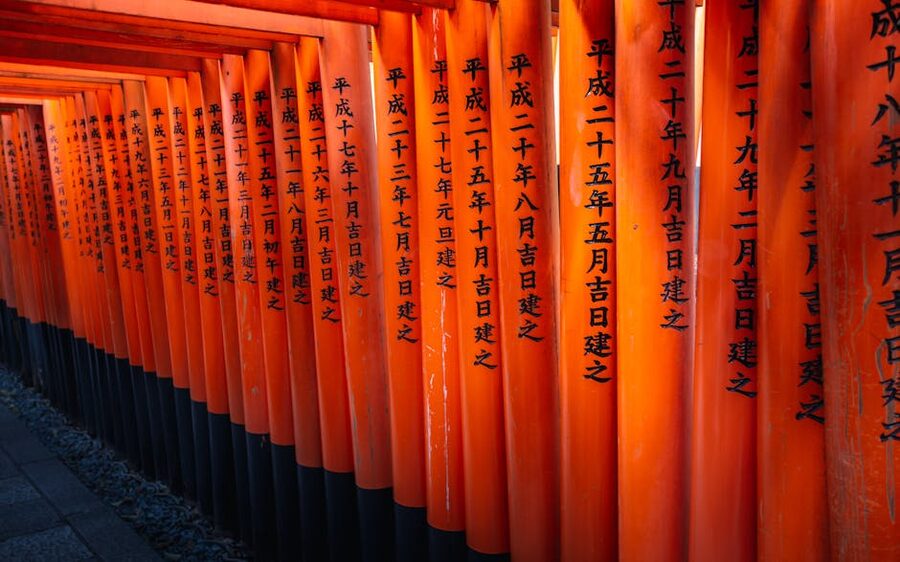
This is the day where the pass earns out by lunchtime. From Osaka, take Keihan from Yodoyabashi straight up to Fushimi-Inari (28 minutes on a Limited Express, ¥430). The Keihan ride is more comfortable than the JR equivalent, and the alighting platform spits you out closer to the shrine entrance.
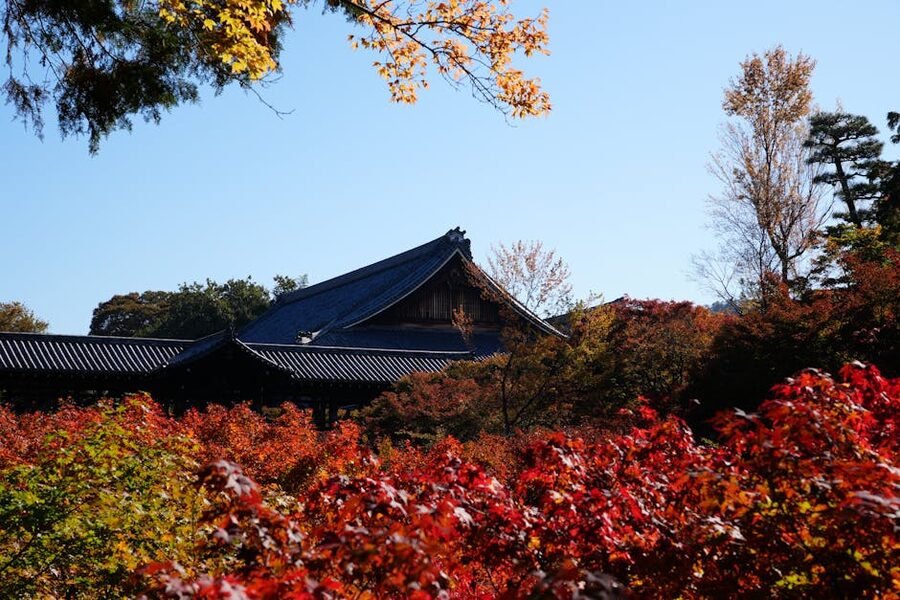
From Fushimi-Inari, hop two stops south on Keihan to Tofukuji. This is the temple that goes nuclear with maple colour in November and is mostly empty the rest of the year. The Tsutenkyo Bridge that vaults the gorge of maples is the photo every Kyoto guide reuses; the rest of the temple compound is an under-photographed Zen Buddhist headquarters, including the original 13th century Sanmon gate, which is the largest wooden Sanmon in Japan.
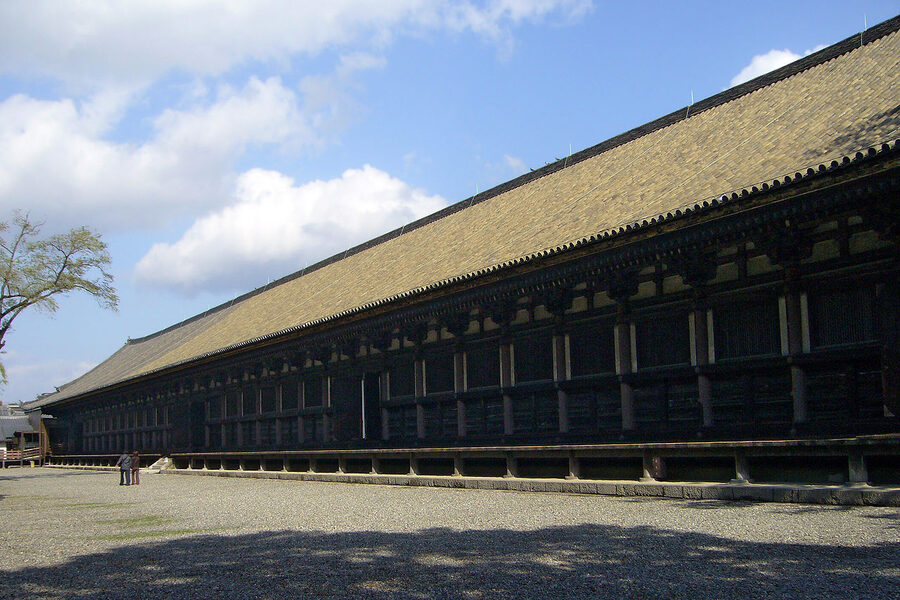
From Tofukuji you can carry on north on Keihan to Shichijo, walk five minutes east, and you’re at Sanjusangendo. The single 120-metre-long hall houses 1,001 standing Kannon statues in row after row, lit from above through paper screens. It’s the most visually arresting temple interior in Kyoto and somehow it still doesn’t queue the way Kiyomizudera does. The walk back to Keihan Shichijo and one stop further north to Gion-Shijo gives you Yasaka Shrine, Maruyama Park, and the lantern alleys of Hanamikoji within a four-block radius. The whole loop, Yodoyabashi out and Osaka back, is six Keihan rides. That’s nearly ¥2,000 of pass value used on one day.
A three-day temple-heavy run: Osaka, Kyoto, Nara, Koyasan
If you have four full Kansai days and one will be spent strictly on JR (perhaps for the shinkansen back to Tokyo at the end), the 3-day Kansai Railway Pass Lite at ¥6,500 plus a day of cash fares is hard to beat. Here’s the shape that works:
Day one: Kyoto and Arashiyama via Hankyu
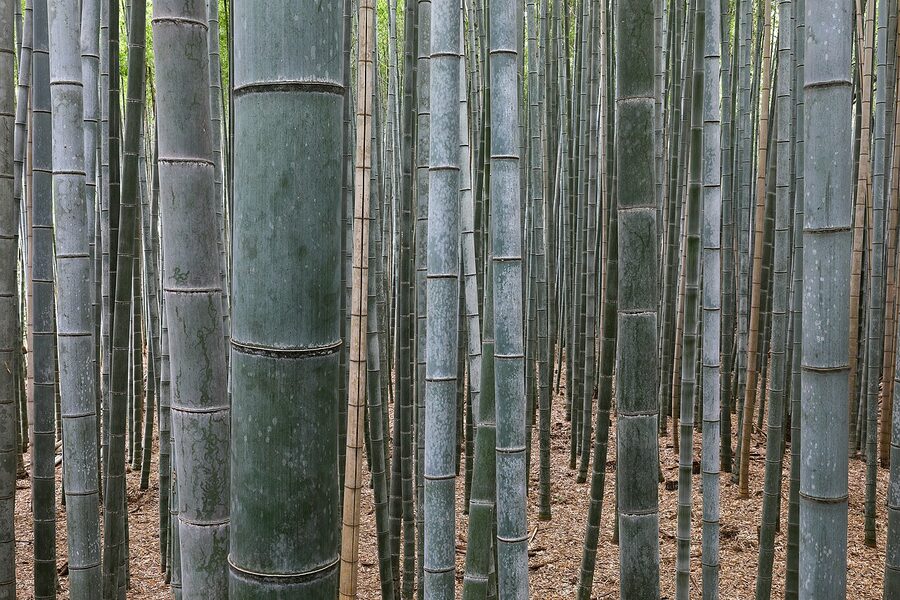
Day one: Kyoto via Hankyu, with Arashiyama in the afternoon. Osaka Umeda to Kawaramachi on the maroon Hankyu Limited Express in 45 minutes. Walk Pontocho and the Gion lanes in the morning. After lunch, ride Hankyu back two stops to Katsura and change for the Arashiyama Line branch. Six minutes later you’re stepping out at Hankyu Arashiyama Station, an under-loved older terminus that puts you on the south bank of the Hozu River. Walk over the Togetsukyo Bridge to the bamboo grove. The Hankyu side of Arashiyama is quieter than the JR Saga-Arashiyama side because the Sagano scenic train discharges crowds at the JR station.
Day two: Nara via Kintetsu
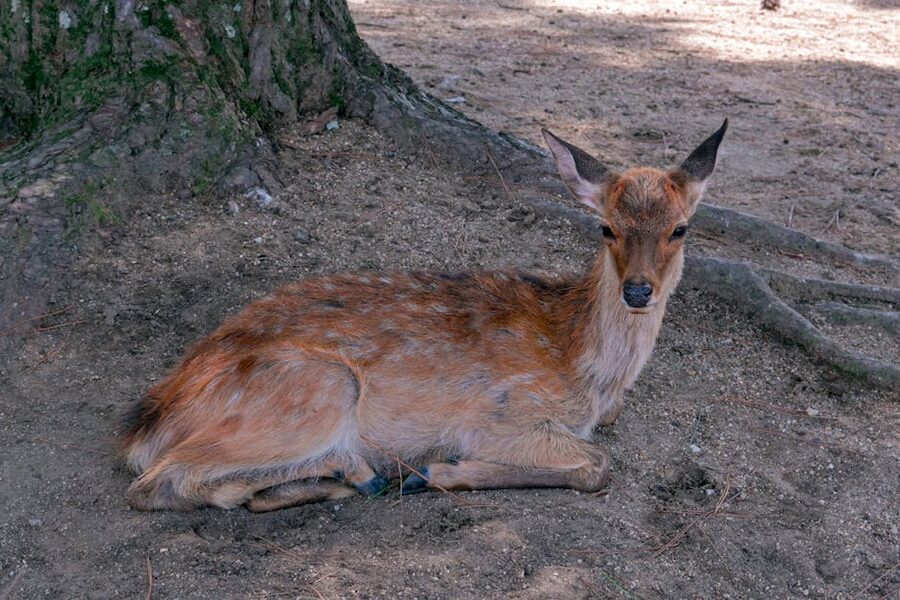
Day two: Nara via Kintetsu. From Osaka Namba take Kintetsu Express to Kintetsu-Nara, 35 minutes. Walk the deer park and Todaiji until lunchtime. Spend the afternoon in the merchant quarter of Naramachi, an old district of preserved townhouses and converted machiya cafés. Catch a late Kintetsu back via Yamato-Saidaiji and onwards to Kyoto if you want to add a Gion evening, or back to Osaka if you don’t. The Nara-Kyoto-Osaka triangle on Kintetsu is one of the most efficient day-trip patterns in Japan.
Day three: Koyasan via Nankai
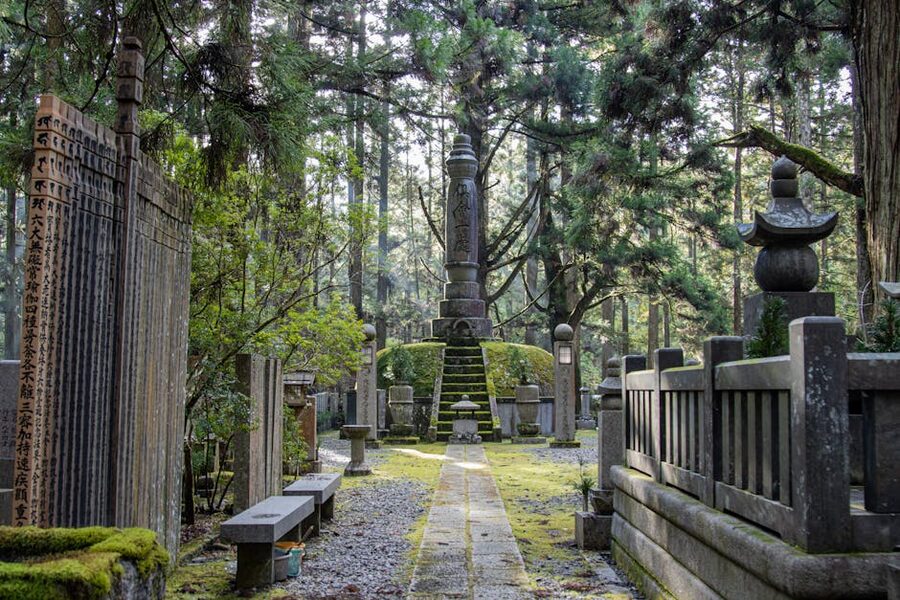
Day three: Koyasan. The longest pass-day of the trip. Osaka Namba to Gokurakubashi on the Nankai Limited Express Koya, then the cable car up the mountain, then the bus around the temple village (the village bus is excluded from the pass; pay ¥240 per ride or buy the in-village day pass for ¥1,100). Plan a temple stay, or do it as a long day-trip. Either way, this single day uses around ¥3,300 of pass value. Combined with day one and day two, you’ve spent the ¥6,500 cost of the 3-day twice over.
An Osaka day trip to Himeji and Kobe via Hanshin and Sanyo
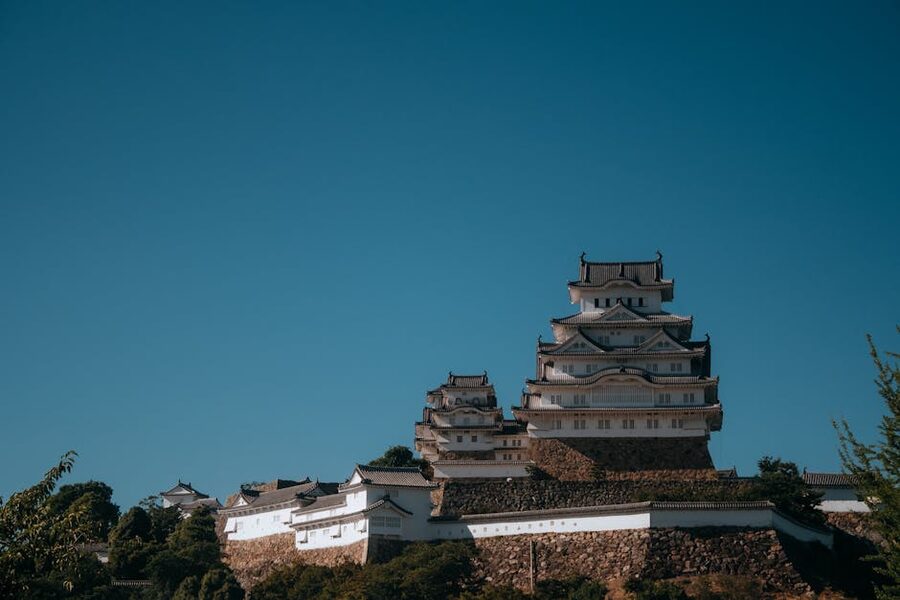
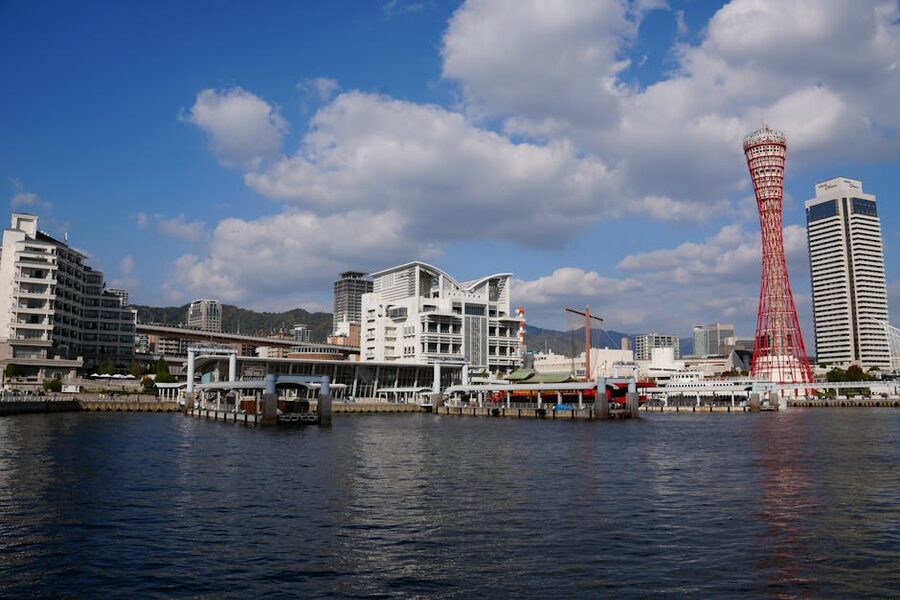
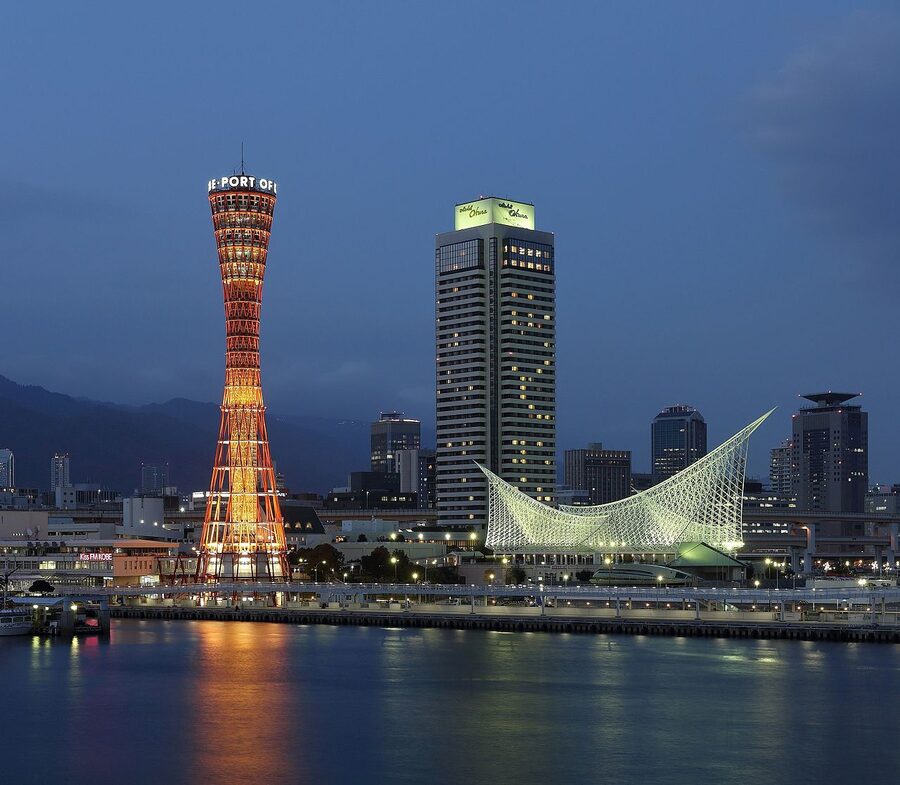
The pass works hard for this kind of day too. From Osaka Umeda, you board a Hanshin Limited Express that runs through onto the Sanyo Railway and reaches Himeji in 90 minutes flat, no transfer required. Castle entry is a separate ¥1,000, but the rail ride is fully covered. Visit Himeji Castle in the morning, take the Shinkitan dessert at the moat-side café for lunch, and get back on the Hanshin/Sanyo around 14:00. Stop off at Kobe Sannomiya on the way back. The Kobe waterfront, Port Tower, and the Harborland complex are all five minutes’ walk from Sannomiya Station; the city’s small enough that you can do it on foot and still catch a return train to Osaka by 19:00.
Where to buy and how to redeem in 2026
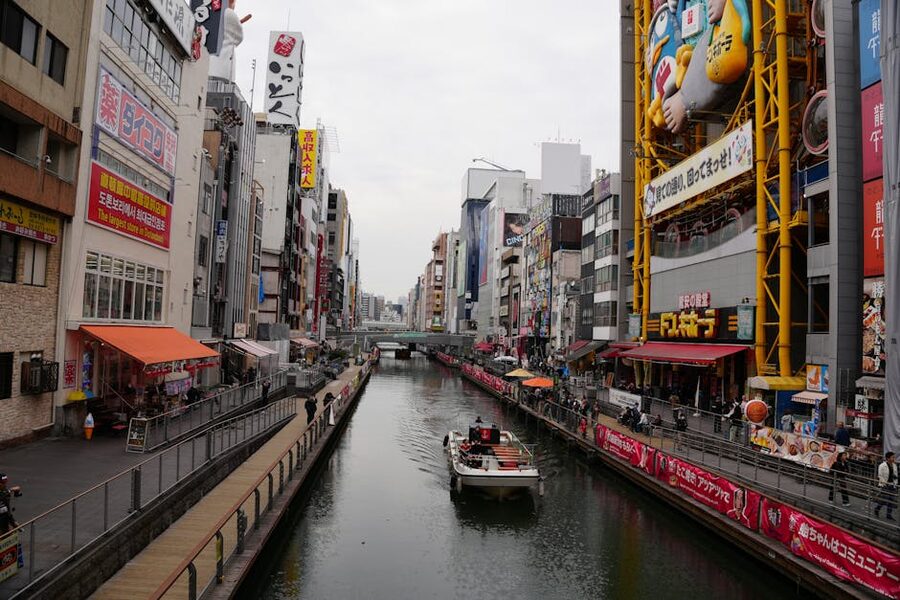
Here’s where the new pass is genuinely different from the old one. The Kansai Railway Pass Lite is sold online only, as a digital ticket. No paper version, no station-counter exchange queue. You buy it on Klook, KKday, WAUG or one of the other approved international agencies, you receive a QR code, and you tap that QR at the gate.
The catch is that the QR is recognised only at the dedicated gates marked with a small square reader. At most stations there’s exactly one of these per ticket hall, and at smaller stations there’s a manned gate where you show the QR to the attendant. This usually isn’t a problem, but at Namba during commuter rush it pays to know which gate to head for.
You’ll need to set the validity dates when you activate. The pass is non-consecutive, so you can pick any 2 (or 3) calendar days inside the validity window. Activate only when you start using it. The first scan locks in the start date.
The Klook listing for the pass is the simplest way to buy: Klook: Kansai Railway Pass Lite. Cross-check the official Surutto Kansai page at surutto.com if you want to confirm the latest exclusions before you buy. Both list the same product; Klook handles the international payment side.
One detail that catches Lite buyers: the pass is sold only between late March and the end of September, and travel must complete by October 1 (or 2, for the 3-day). Outside that window you can’t buy it. The Surutto operator hasn’t yet confirmed whether sales resume in spring 2027, but the Lite-and-summer-only structure is unusual for a Japanese rail pass and worth checking against the official site before booking a winter or autumn-late-October trip.
Kansai Railway Pass Lite versus the national JR Pass
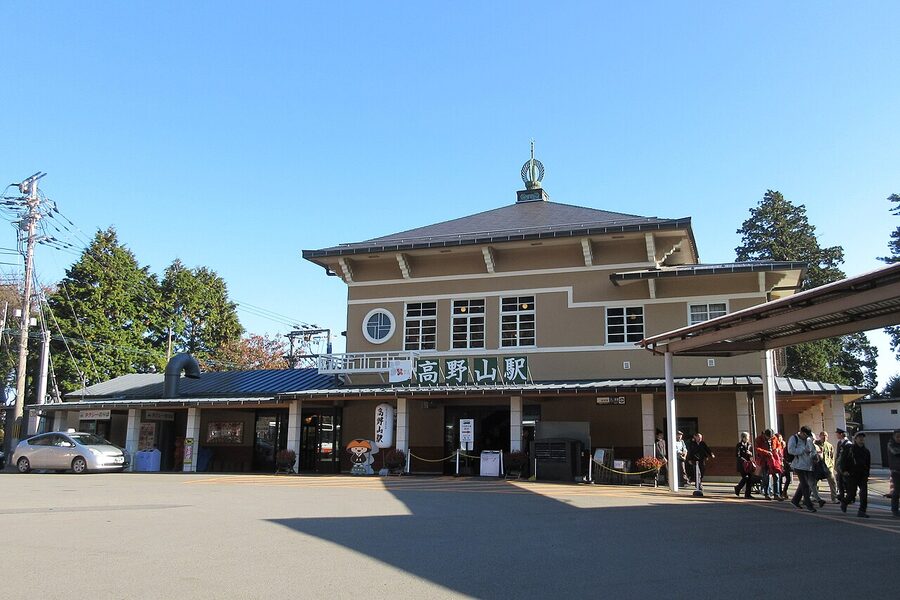
This is the comparison most travellers actually want. The 7-day national Japan Rail Pass after the October 2023 price hike is ¥50,000. The 2-day Kansai Railway Pass Lite is ¥5,200. The 3-day is ¥6,500. They’re not really competing on the same axis: the JR Pass is a long-haul national pass priced for one or two big shinkansen rides, while the Lite is a short-haul regional pass priced for inter-city day trips inside Kansai. But for a Kansai-only week, the maths is brutal.
If your Kansai itinerary is Osaka, Kyoto, Nara, Kobe, Himeji, Koyasan, with no shinkansen and no Tokyo: the Lite is the right pass, full stop. The JR Pass would burn ¥50,000 to cover the JR Sanyo Shinkansen Osaka-Himeji (¥3,310 cash) and JR services around Osaka. Even the cheapest version of that itinerary on JR Pass alone leaves you shut out of every named route I’ve described above.
If your itinerary spans Tokyo to Kyoto on the shinkansen and back, with a week in Kansai in between: get both. The 7-day JR Pass for the bookends, the 2-day Lite for the heavy private-rail days inside Kansai. The cost stacks up to around ¥55,200 for two weeks of unlimited transit on every line that matters. That’s still cheaper than buying the equivalent shinkansen and private-rail tickets cash on the day. Just be careful about activation timing: the JR Pass starts ticking the moment you scan it, so don’t activate it on a stationary day.
If your itinerary is Tokyo and Kansai only, with shinkansen at both ends and just one day on private rail in Kansai: skip both passes. The math collapses. Buy the shinkansen ticket cash, buy your private-rail rides cash, buy the local Kyoto Subway and Bus Pass on the day you need it. The total beats the pass, sometimes by a meaningful amount.
The 260-attraction discount network nobody talks about
The pass comes with a quietly useful side perk that doesn’t show up in the headline marketing. About 260 attractions, museums, ryokan, and shops across Kansai give Lite holders a discount when you flash the QR (or, increasingly, the digital pass on your phone). The discounts are small individually, 10% off here, ¥100 off there, but they stack up if you’re a museum or castle person.
The ones I’ve actually used:
- Abeno Harukas observation deck in Osaka: 10% off the ¥1,500 entry
- Nara National Museum: ¥100 off the standard exhibition ticket
- Heian Shrine garden in Kyoto: ¥50 off the ¥600 entry
- Kokoen, the gardens beside Himeji Castle: 20% off the ¥310 entry, which gets you in for less than a tin of coffee
- Kobe Bay cruises (Hayakoma Unyu): 30% off the ¥1,800 boat ticket
- Kobe Forest Botanical Garden: 10% off
The Surutto site has the full list. Don’t plan a trip around it, but if you’re going to a partnered attraction anyway, having the pass open in your phone gives you a small reason to flash it on entry.
Practical gotchas and supplements
Limited Express supplements
Limited Express trains on Nankai, Kintetsu, and a couple of Keihan services need a separate Limited Express ticket on top of the pass. The pass covers the basic fare, the supplement is what gets you a reserved seat on the faster service. The numbers to remember:
- Nankai Rapi:t Limited Express to Kansai Airport: ¥520 supplement. The Airport Express (also pass-eligible) is free and only 8 minutes slower. Skip the Rapi:t unless you specifically want the seat.
- Kintetsu Limited Express on the Nara, Kyoto and Ise Lines: ¥520–1,640 depending on distance. For Kintetsu-Nara from Osaka Namba it’s ¥520 each way and saves about 10 minutes. Personal call.
- Nankai Koya Limited Express: ¥790 supplement from Namba to Gokurakubashi. Cuts the journey from 100 minutes to 80 minutes and gives you a reserved seat. On a Saturday in autumn this is worth it; on a quiet weekday afternoon, the Express (free, 90 minutes) is fine.
Edge-of-coverage rides
The Yoshino issue. The pass covers Kintetsu only as far as Tsubosakayama, where you need to pay ¥520 each way to continue to Yoshino itself. The same applies to the Iga line: the pass covers Kintetsu to Iga-Kanbe, then it’s ¥400 each way on the Iga Railway to reach Ueno-shi. Both worth knowing in advance, both not fatal.
USJ, Nozomi, and other no-go areas
Universal Studios Japan. The shuttle inside the JR network between Nishikujo and Universal-City Station is JR Yume-saki Line, not pass-eligible. Pay cash, ¥180 each way from Nishikujo, or take the Osaka Metro to Bentencho and walk 15 minutes (less direct but pass-covered). USJ is one place where the pass actively doesn’t help.
Nozomi and Mizuho shinkansen, since they keep coming up: never pass-eligible on any JR pass. The Lite doesn’t cover any JR shinkansen at all. Don’t try to board one with this pass, and don’t be surprised when the conductor explains it twice with body language.
The other lines worth knowing about
A few more pass-eligible operators that don’t make the headline list but earn their seat:
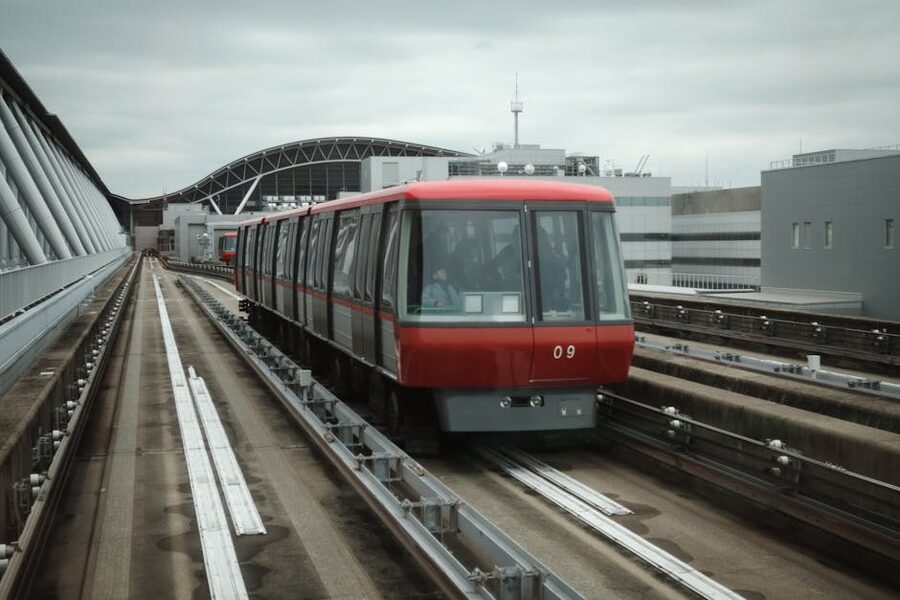
Osaka Monorail connects Itami Airport (the domestic Osaka airport) to the northern Osaka suburbs and Banpaku-koen, the old Expo park where the Tower of the Sun still stands. It’s not on most Kansai itineraries, but if you’re flying domestic to Itami it’s the route in.
Kobe Electric Railway (Kobe Dentetsu, or Shintetsu locally) climbs out of Kobe Sannomiya into the hills behind the city, including Arima Onsen, one of the oldest hot-spring towns in Japan. Day trip from Kobe: Sannomiya to Arima-Guchi via Shintetsu, change once. Pass-eligible the whole way.
Port Liner and Rokko Liner are short driverless shuttles that connect the Kobe waterfront to the artificial Port Island and to the Rokko Liner station for Mt Rokko. Mostly used by locals, but Port Liner is the bridge to Kobe Airport (the third Kansai airport, after Itami and Kansai International) and it’s pass-eligible.
Who should buy the Kansai Railway Pass Lite
The pass works hardest for these traveller shapes:
- The temple-circuit traveller. Three days of Kyoto-Nara-Koyasan with no shinkansen and no Tokyo. The Lite is the only pass that makes economic sense. Both JR West regional passes and the national Japan Rail Pass overshoot dramatically.
- The Osaka-base, day-trip-out traveller. Staying in Osaka for the week, day-tripping to Kyoto for one day, Nara for one day, Himeji and Kobe for one day. Get the 3-day, use it on the three day-trip days, walk Osaka the rest of the week.
- The Hankyu fan. Some travellers actively prefer the maroon Hankyu trains to JR for the Kyoto-Osaka run. Slightly slower (45 minutes vs 30 on JR), considerably more characterful, and the pass means it’s free at the marginal cost.
- The Koyasan stayer. If your trip includes a Koyasan temple stay, the pass round-trip on Nankai alone almost pays for the 2-day. Add literally any other inter-city ride and you’re up.
It’s the wrong pass for these travellers:
- The shinkansen-heavy traveller. If your Kansai trip involves the bullet train to or from Hiroshima or Tokyo, you need a JR pass, not this one.
- The walking-only Kyoto traveller. A reader who’s based in central Kyoto and walks everywhere except for one bus to Kinkakuji and one taxi to Arashiyama doesn’t ride enough rail to break even.
- The off-season traveller. The Lite isn’t sold November through March. Outside the April-October window, the regional JR passes (Kansai Area, Kansai Wide Area) are the only viable choice.
One last thing about the rebrand
The product known to a generation of Japan travellers as the Kansai Thru Pass is not gone. It’s been quietly trimmed, renamed, repriced, and shoved entirely online, but the core utility is intact. If you came to this article looking for “Kansai Thru Pass 2026”, what you actually want is the Kansai Railway Pass Lite. Buy it through Klook, activate it on your first inter-city ride, and use it for the days when you’re moving across the region. On the days you’re staying inside one city, especially Kyoto, top up with a local subway and bus pass. That’s the trick now.
I tend to keep one in the wallet for any Kansai trip longer than two days. After enough trips you stop calculating breakeven and just use it because it’s easier than buying tickets. The newer name takes some getting used to. The pass itself is the same one I keep recommending.