
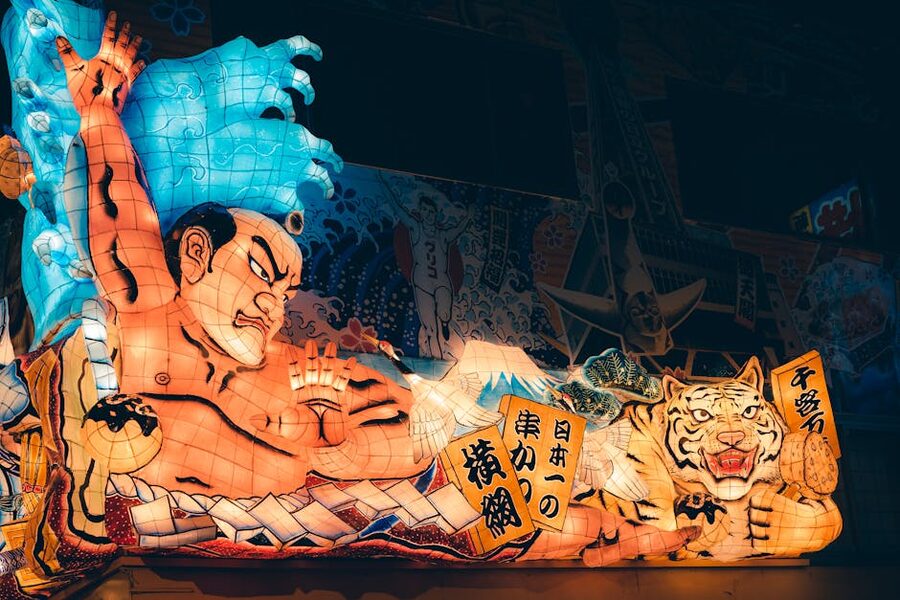
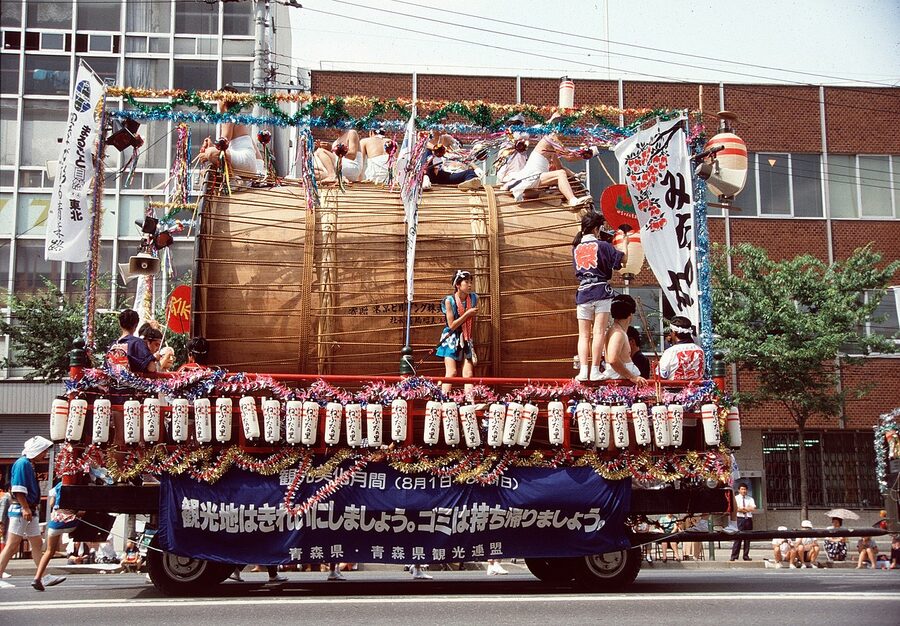
It was 21:30 on a humid August night, and the float was coming down Hachi-no-he Avenue like a slow ship of light. Bamboo ribs the size of bridge cables, washi paper painted in cobalt and vermilion, an entire warlord-demon glaring out from a cab thirty feet wide. The lights were inside the float, not on it, so the whole thing glowed. The haneto dancers in front shouted rasse-ra, rasse-ra and bounced sideways like cork. I could feel the heat off the float lights on my face from the second-row barricade. That is Aomori at the start of August, and once you have seen it you understand why two million people pile into a prefectural capital of 270,000 every year for one week and then disappear.
Aomori is the prefecture at the top of Honshu, the bit of Japan’s main island that points at Hokkaido across the Tsugaru Strait. It is the apple-growing capital of the country, the home of the most famous summer festival in Tohoku, and probably the easiest way to fold something properly remote into a normal Tokyo-Kyoto trip. The Tohoku Shinkansen Hayabusa runs Tokyo to Shin-Aomori in three hours and seventeen minutes flat. That is not a lot for what you get on the other end.
This is a guide written from the angle of someone who has come up here in spring, summer and autumn, and now thinks it is one of the most under-rated places in Japan. If you are routing through Tohoku as a region or trying to fit Aomori between Sendai and a Hokkaido leg, the practical bones are at the bottom of the page. The good stuff comes first.
In This Article
- Why Aomori is worth the detour
- The Nebuta Festival and why it sells out 6 months ahead
- Hirosaki Castle and 2,600 cherry trees
- Oirase Stream and Lake Towada
- Sannai-Maruyama: 5,000 years of pre-history
- Mt Osore, the volcanic edge of the underworld
- The Tsugaru Stove Train
- Mt Hakkoda and Sukayu Onsen
- Shirakami-Sanchi and the last beech forest
- Oma tuna and the food question
- How to actually get to Aomori
- When to come
- Where to stay
- What I would do if I had four days
Why Aomori is worth the detour
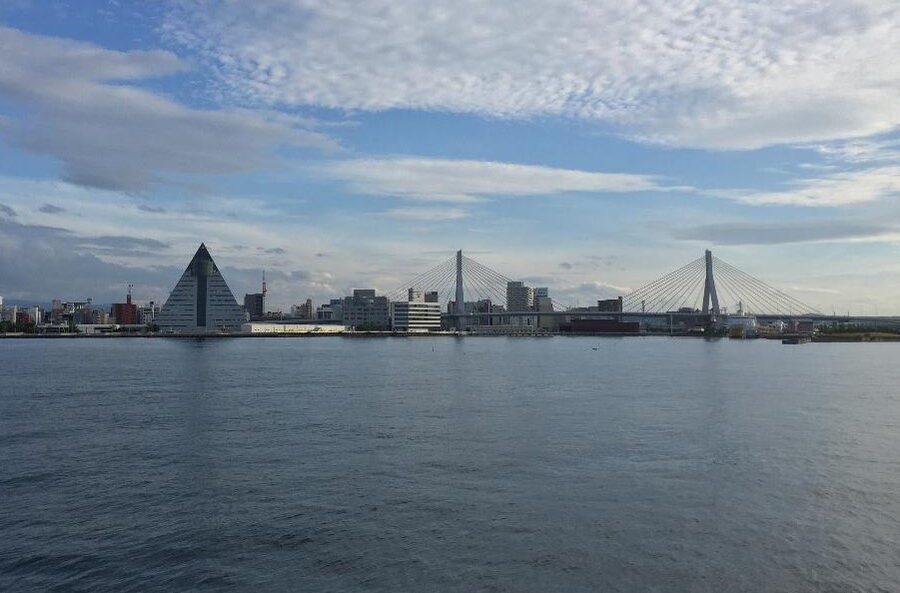
Three things shape the prefecture: water, snow, and apples. Water on three sides, with the Sea of Japan to the west, the Pacific to the east, and the Tsugaru Strait at the top. Snow that piles up six to nine metres on the ridge between Sukayu and Yachi onsen every winter. Apples in the western Tsugaru lowlands, where Hirosaki alone produces about a fifth of all the apples in Japan.
What that gives you, as a traveller, is range. You can do an alpine onsen and a UNESCO archaeological site and a coastal fishing town and a sacred volcanic mountain in one four-day loop, all anchored on Shin-Aomori Station. The food is some of the best in Tohoku, the seafood is genuinely off-the-boat, and outside Aomori City the prefecture is rural enough that English signage gets thin. That last bit is a feature, not a bug. It is the country northern Tohoku readers come back for.
And yes, you should fold Aomori into a wider trip rather than fly in just for it. The northern prefectures connect cleanly: Sendai down south, Yamagata for snow-monsters and the temple stair-climb, Hokkaido on the other side of the strait. The JR East Pass covers everything north of Tokyo if you are doing more than one stop, and the national Japan Rail Pass obviously covers the lot.
The Nebuta Festival and why it sells out 6 months ahead
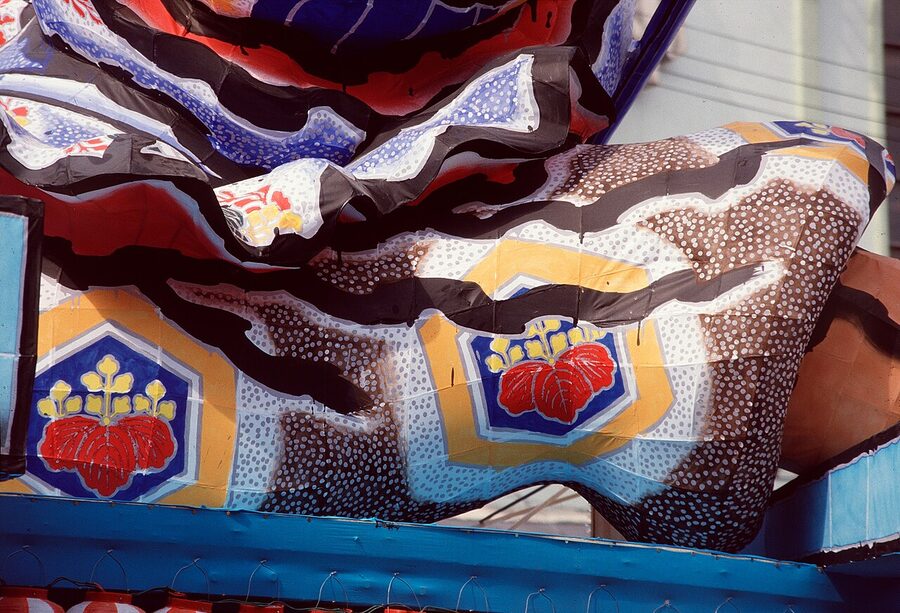
Aomori Nebuta runs every year from 2 to 7 August. The dates do not move. The 2nd and 3rd are children’s-and-large-floats nights. The 4th, 5th and 6th are the big nights, large floats only, dancers in white-and-pink haneto outfits, the whole 1.1km circuit through the city. On the 7th the floats run in daylight, then in the evening six prize-winning floats are loaded onto barges in Aomori Bay and pulled past a fireworks display. The seventh-night water parade is the one most travellers do not know about and is, frankly, the better photograph if you are coming for the photo.
Tickets for the paid grandstand seats go on sale in early June for the August dates, sold by the Aomori Tourism and Convention Association via the official site at nebuta.jp. The 2-6 August seats sell out fast. Group seats (10+) open earlier through travel agencies. If you have not booked by mid-June for August you will be standing.
The standing zones are along Shinmachi-dori and around Aoi Mori Park. They are free, but you want to be in position by 18:30 for the 19:10 start, with a leisure sheet, water, and the patience for an hour of nothing happening before the first float arrives. Shouting rasse-ra back at the dancers is the etiquette. They will smile.
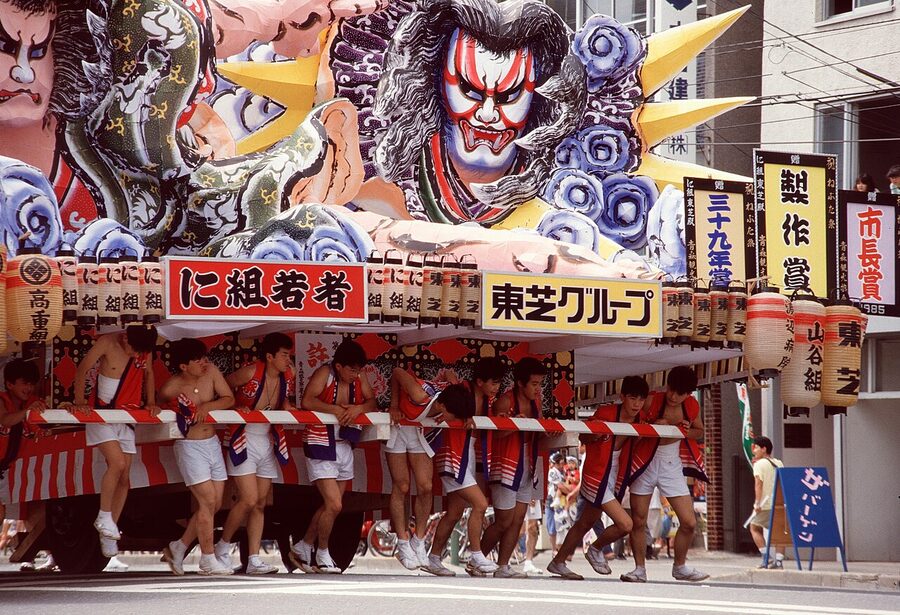
If you cannot make the festival week, the Nebuta Museum WA-RASSE next to Aomori Station shows four prize-winning floats year-round, with explanatory video and craftsmen’s workshops. Adult entry is ¥620, open 09:00–19:00 May to August and 09:00–18:00 September to April. It is one of the rare in-Japan museums that genuinely justifies the spend, especially because the floats are floor-level, so you can read the brushwork on the warriors’ eyebrows.
One distinction worth getting straight, because guidebooks blur it: Aomori City Nebuta and Hirosaki Neputa are two different festivals, run by two different cities, in the same first week of August, with different float shapes (Aomori is wide, Hirosaki is fan-shaped) and different chants. They are 50km apart. If you are doing a single-day visit, choose. The Aomori City one is the bigger spectacle. The Hirosaki one is more intimate and easier to photograph.
Hirosaki Castle and 2,600 cherry trees
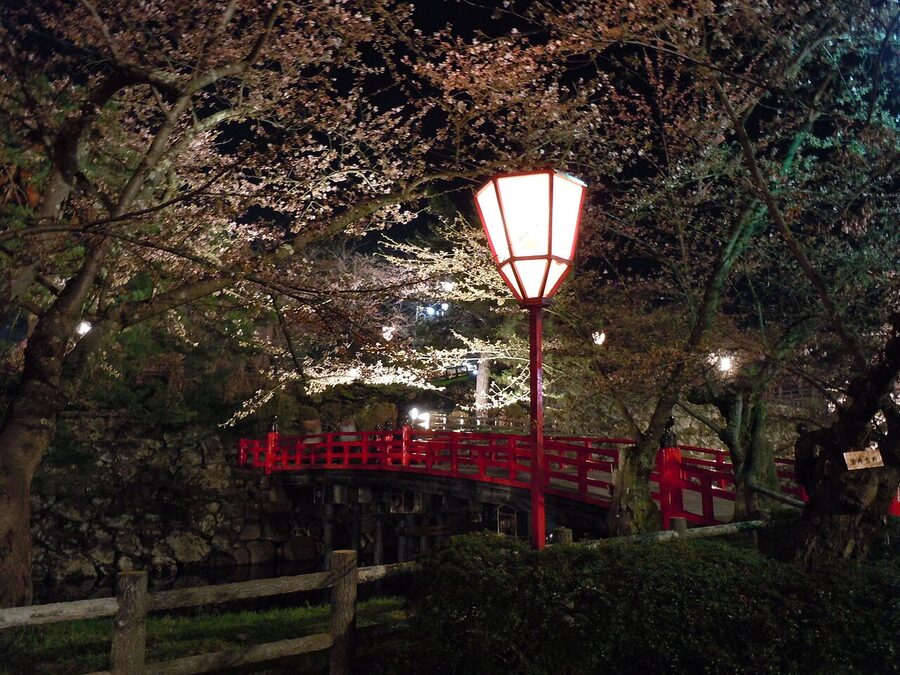
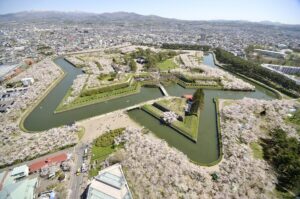
Hirosaki Castle Park is in my top three cherry blossom spots in Japan, and probably my top one. Yoshino in Nara is more famous. Maruyama in Sapporo is more relaxed. But for sheer petal density along water, Hirosaki is unmatched.
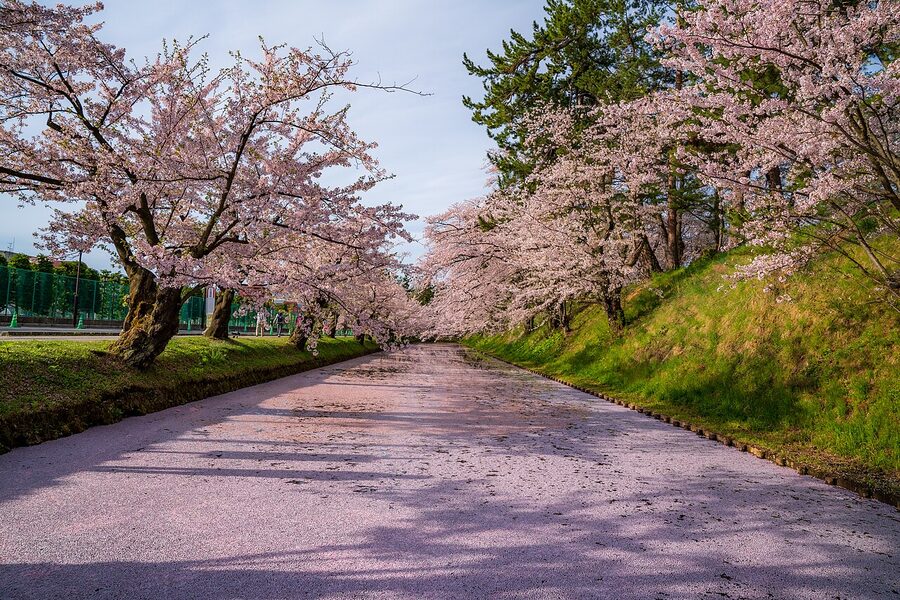
The numbers help: 2,600 cherry trees of 50-plus varieties along 12km of moat and earthwork, including 300+ Somei Yoshino over 100 years old. The festival runs late April into early May, with full bloom in most years on around 22 to 26 April. Confirm the dates with the official Hirosaki Park site at hirosakipark.jp, which posts daily bloom updates from late March.
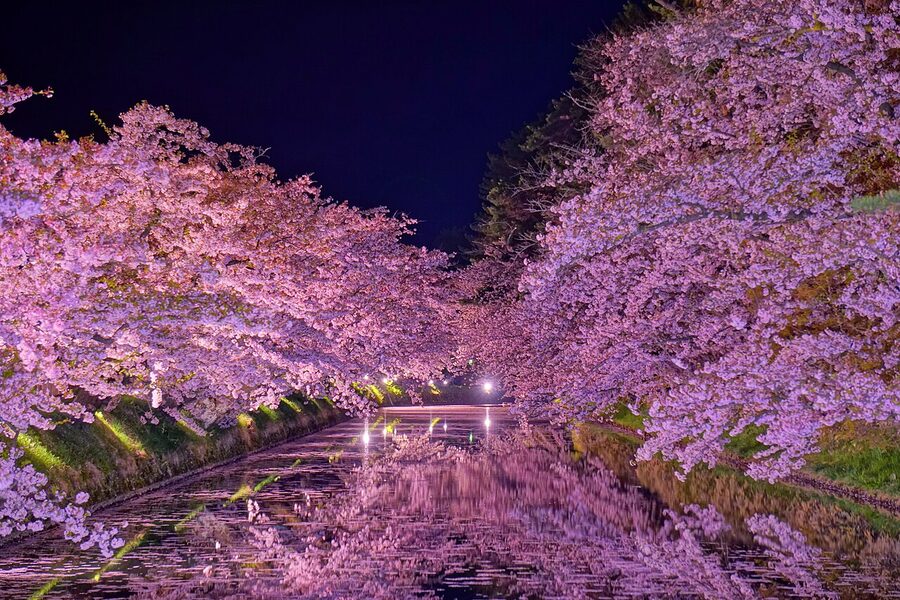
Practicalities. The park itself is free. The fee-paying area, which includes the keep, the inner moat and the botanical garden, is ¥320 for adults and ¥100 for children, open 09:00–17:00. During the cherry-blossom festival it stretches to 07:00–21:00. One important note for 2026: the wooden keep is currently positioned on a temporary pad away from its original stone foundation, because the foundation is being repaired. The 曳戻し event, which is the keep being moved back to its original spot, is scheduled for 2026 and will be the first such operation in 100 years. Internal viewing of the keep was paused on 23 November 2025 and is unlikely to reopen before 2027. You will see the keep from the outside; you will not be able to walk inside it. Plan accordingly.
The way to get to Hirosaki is by JR train from Shin-Aomori. The Ou Main Line runs the route in about 38 minutes for ¥780. From Hirosaki Station it is a 20-minute walk to the park or 15 minutes on the Dotemachi Loop Bus, which runs every 10 minutes for ¥100 a ride. If you are coming for the cherry-blossom week, do not drive. Hirosaki city centre traffic is impossible during the festival.
For more on cherry-blossom timing across the country, the Japan cherry-blossom guide tracks the wave from Kyushu in late March up to Hokkaido in early May. Hirosaki is the last big peak on Honshu, which is what makes it so useful: if you arrive in Tokyo and miss the bloom there, you can still catch the wave in Hirosaki two weeks later. The same logic works in the other direction with the Hokkaido cherry blossom guide if you keep going north to Matsumae.
Oirase Stream and Lake Towada
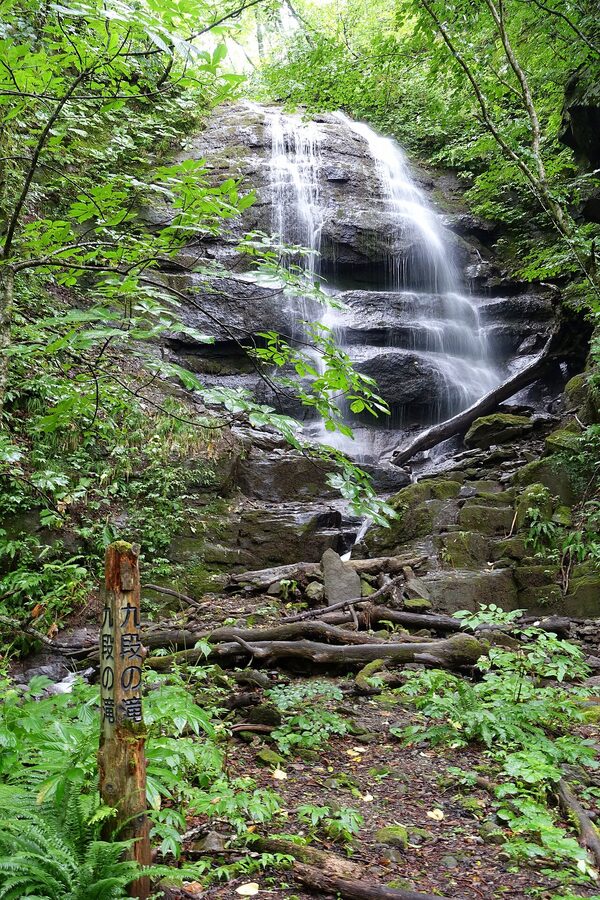
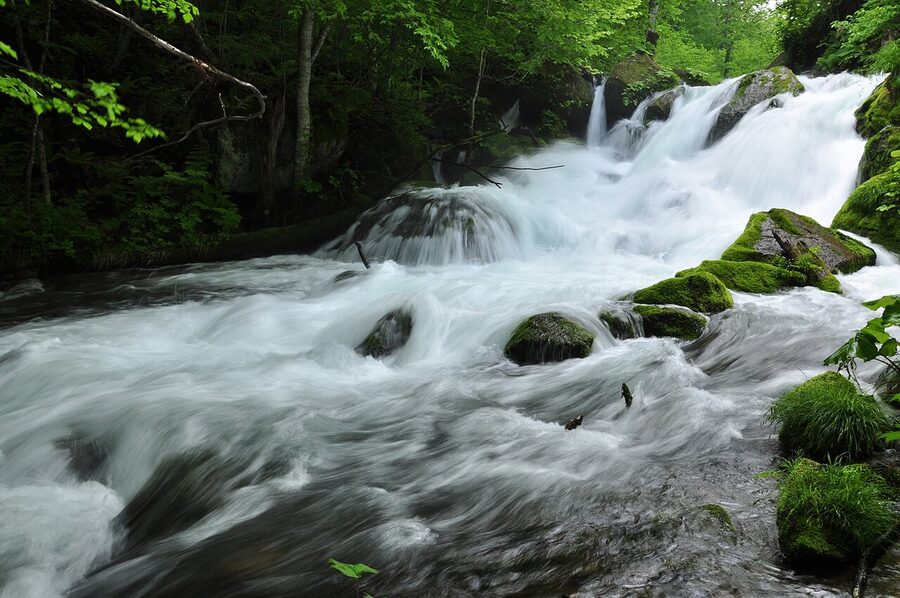
Oirase is the river-walk paralleling the only river that drains out of Lake Towada, a 14km path from Nenokuchi at the lake outflow down to Yakeyama at the base. You can walk the whole thing in five hours if you push, four if you skip the upstream half (which is the less interesting half), or you can do the central 5km between Ishigedo and Nenokuchi in about 90 minutes and then bus out. That central section is what people mean when they say “the Oirase walk”.
The path is famously good in autumn. Mid-October to early November is peak, with the maples and beeches turning the gorge gold and red against the moss-covered boulders. You will share the trail with bus tour groups and tripod squadrons, but the path is wide enough that it works.
What I prefer, and what most foreign guidebooks miss: Oirase in late May. The new growth is electric green, the river is fat with snowmelt, the falls are at full flow, and there are no crowds at all. The boardwalks are sometimes still partly covered in residual snow at the upper end. Bring a waterproof. Pack a bear-bell. The Hakkoda area is brown bear country.
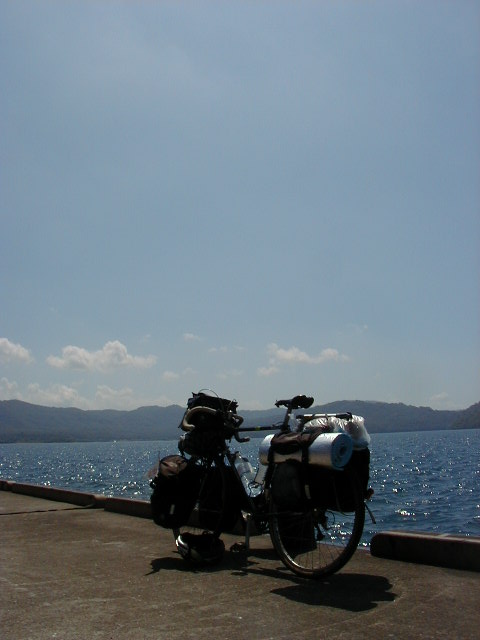
Lake Towada is the caldera lake at the top of the river. It is one of the deepest lakes in Japan at 327 metres, formed by repeated volcanic eruptions over the past 200,000 years. There are sightseeing boats from late April to early November running between Nenokuchi and Yasumiya, the two ferry terminals, with a 50-minute crossing for around ¥1,500 one way. The boats are run by Towada Kanko Kisen and the schedule lives at towadakohan-yuransen.jp; check before travelling, the timetable is sparse outside summer.
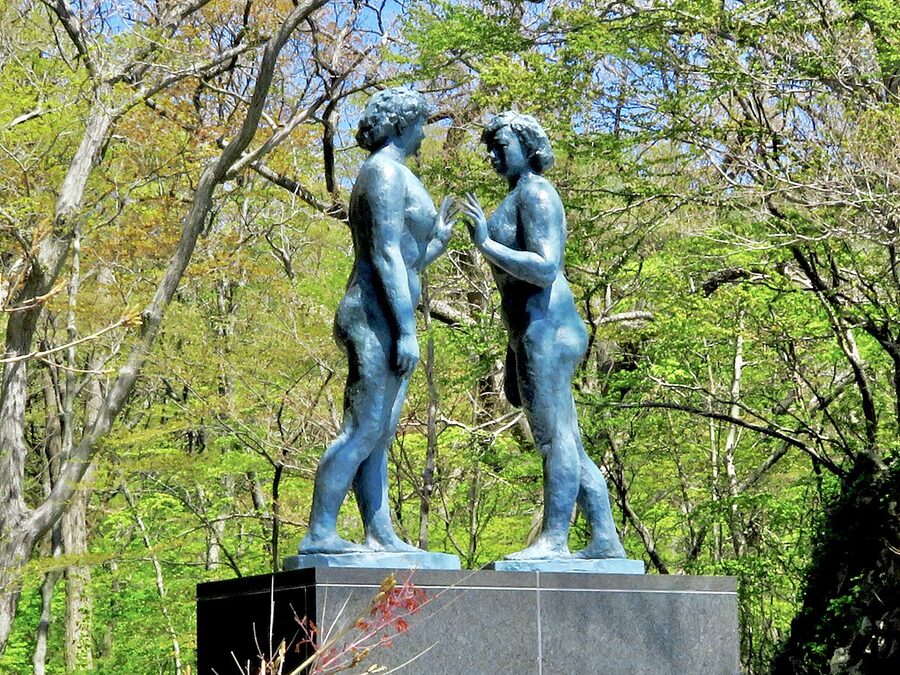
The classic combination is to bus from Aomori to Yakeyama, walk Oirase up to Nenokuchi, and ferry across the lake to Yasumiya. The JR Bus Mizuumi-go runs from Aomori Station via the Hakkoda Pass to Yasumiya, takes about three hours one way, and is covered by the JR East Pass and the Japan Rail Pass. Service is roughly mid-April to mid-November; outside those dates you cannot reach the lake by public transport without a connecting bus from Hachinohe. Confirm the schedule with the Towada Lake National Park Association at towadako.or.jp.
Sannai-Maruyama: 5,000 years of pre-history
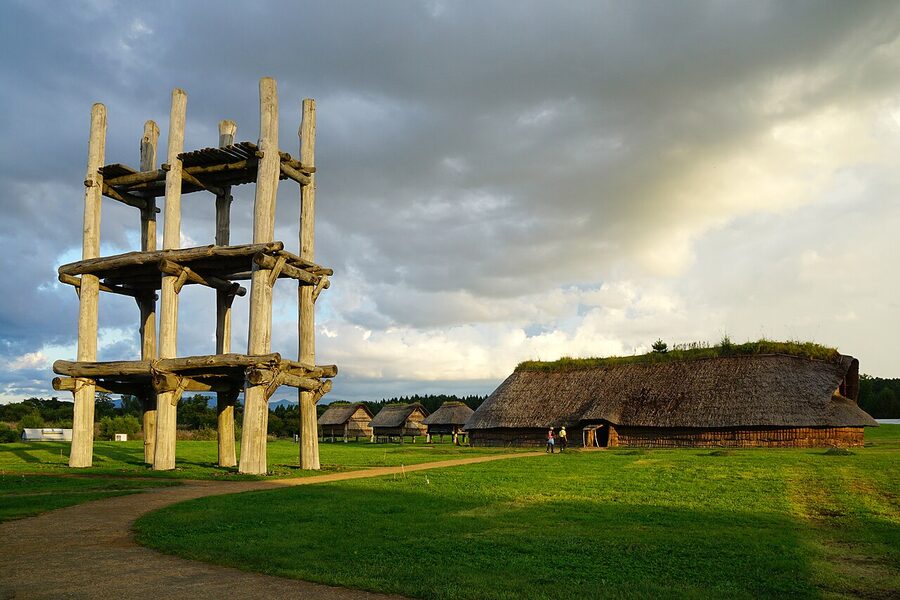
Sannai-Maruyama is the largest known Jomon-period settlement in Japan, occupied roughly 5,500 to 3,900 BC. Until it was excavated in the 1990s, the standard story was that pre-agricultural Japanese hunter-gatherers lived in small mobile bands. Sannai-Maruyama broke that. There were probably 500-plus people here for sustained periods, with planned pit-house clusters, a six-pillar wood tower, jade trade routes reaching as far as Niigata, and engineered burial grounds. The site joined the UNESCO World Heritage list in 2021 as part of the “Jomon Prehistoric Sites in Northern Japan” inscription.
The reconstructed buildings on site are real reconstructions, not theme park. The pit-houses are based on the post-hole patterns that were dug up. The six-pillar tower uses the original foundation timbers as a guide, although the height is conjectural. The on-site museum holds the genuine artefacts, including the small Jomon dogu figurines that have become the universal photo of the place.
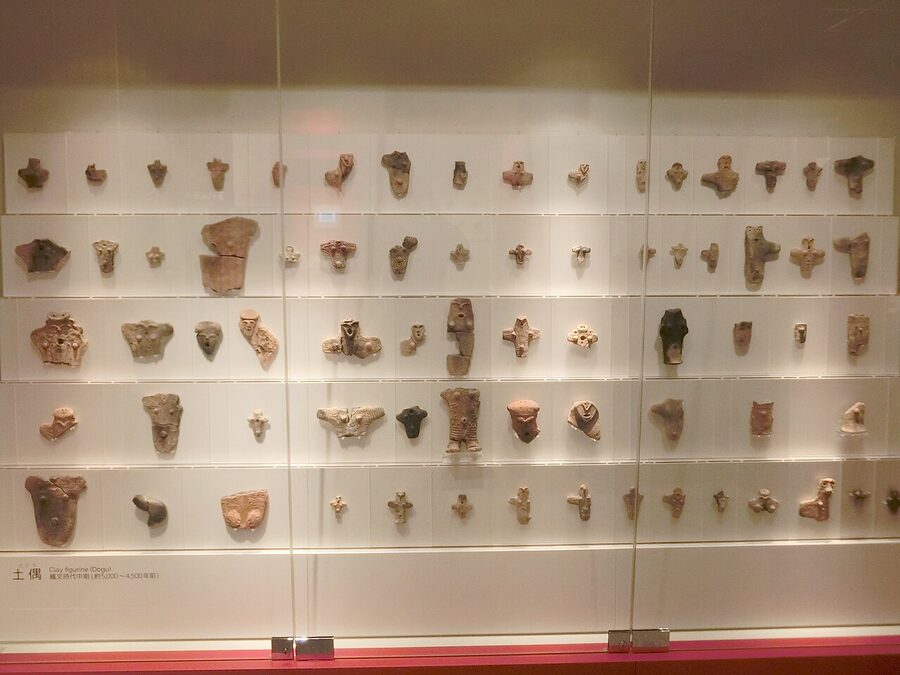
Practical: admission is ¥500 for adults, ¥250 for university students, free for high-school students and under, as of 2026. Open 09:00–17:00, with the hours pushed to 18:00 from 1 June to 30 September and during Golden Week. Closed on the fourth Monday of every month and 30 December to 1 January. Free Wi-Fi inside the museum. Volunteer guides give free tours in English at set times; check sannaimaruyama.pref.aomori.jp before you go for the day’s schedule. Allow 90 minutes minimum.
To get there: the Nebutan-go Loop Bus from Aomori Station does a 90-minute counter-clockwise loop including Sannai-Maruyama for ¥700 a day-pass, or you can take a regular city bus from Aomori Station bus terminal stop 6 to Sannai-Maruyama Iseki-mae for ¥310 one way. The site is roughly a 20-minute drive from central Aomori.
Mt Osore, the volcanic edge of the underworld
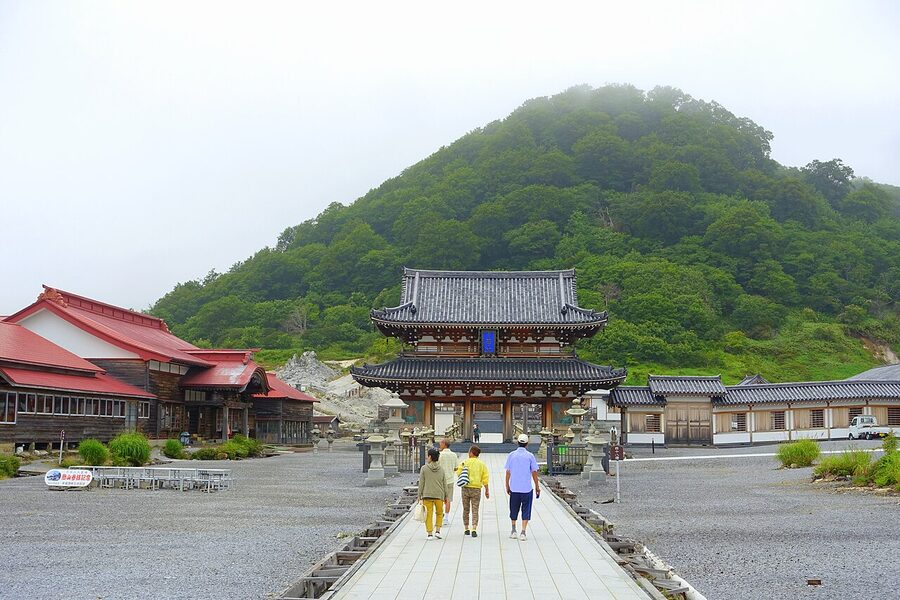
If you only have one half-day to spend on something specifically Aomori, on something you will not find elsewhere, make it Mt Osore. The name translates to “Mount Fear”, which is unusually direct for a Japanese place name. It sits in the middle of the Shimokita peninsula, the axe-head of land that points east at Hokkaido. The mountain itself is a stratovolcano with a sulphurous crater lake at the centre, a Buddhist temple complex called Bodaiji on the lakeshore, and a religious tradition that says the lake is the entrance to the afterlife.
That last part is not metaphor. The lake’s outflow, the Sanzu River, is the same name as the river dead souls cross in Japanese Buddhist cosmology. The path around the lake is dotted with stacked stone cairns, plastic windmills, and votive offerings left by people whose family members have died, especially children. The traditional itako shamans, blind women who are said to channel the dead, set up tents during the two annual festivals (20-24 July and the autumn festival in early October). Read it as serious religion or as folk tourism, either way it is a place that is hard to be flippant about.
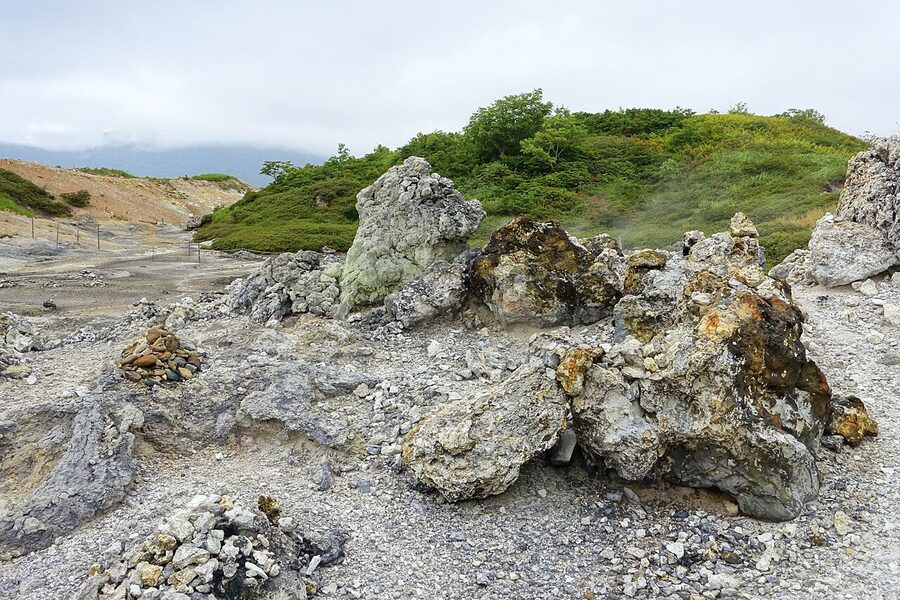
The temple opens for the season around 1 May and closes around 31 October. Admission is ¥500 for adults. There is a small inn, the Kissho-kaku, where you can stay overnight, eat shojin ryori vegetarian temple cuisine, and bathe in the temple’s natural sulphur onsen baths, which are open to day visitors as part of the entrance fee. Check osorezan.or.jp for current dates and the festival schedule.
Getting there is the slow part. The route is JR Tohoku Shinkansen Hayabusa from Tokyo to Shin-Aomori, change for the local Aomori Bay Ferry to Mutsu (or the JR Tohoku Main Line and JR Ominato Line via Noheji), then a Shimokita Kotsu bus from Mutsu Bus Terminal to Osorezan. The bus runs four times a day from 1 May to 31 October only. From Mutsu the bus takes 43 minutes; the fare is around ¥800. Total Tokyo-Mt Osore is most of a day. This is not a side trip, it is its own day.
The Tsugaru Stove Train
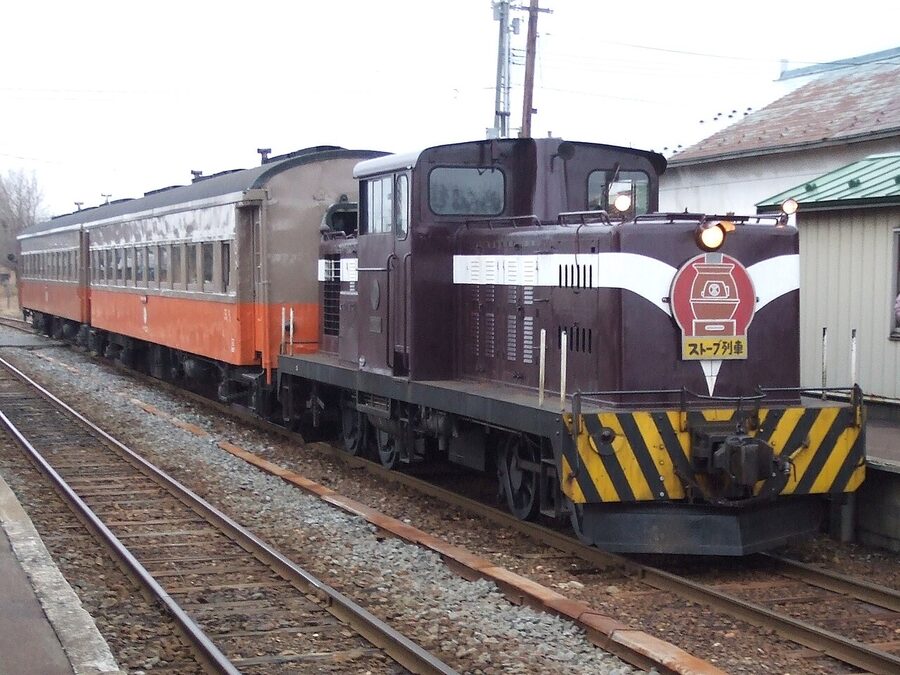
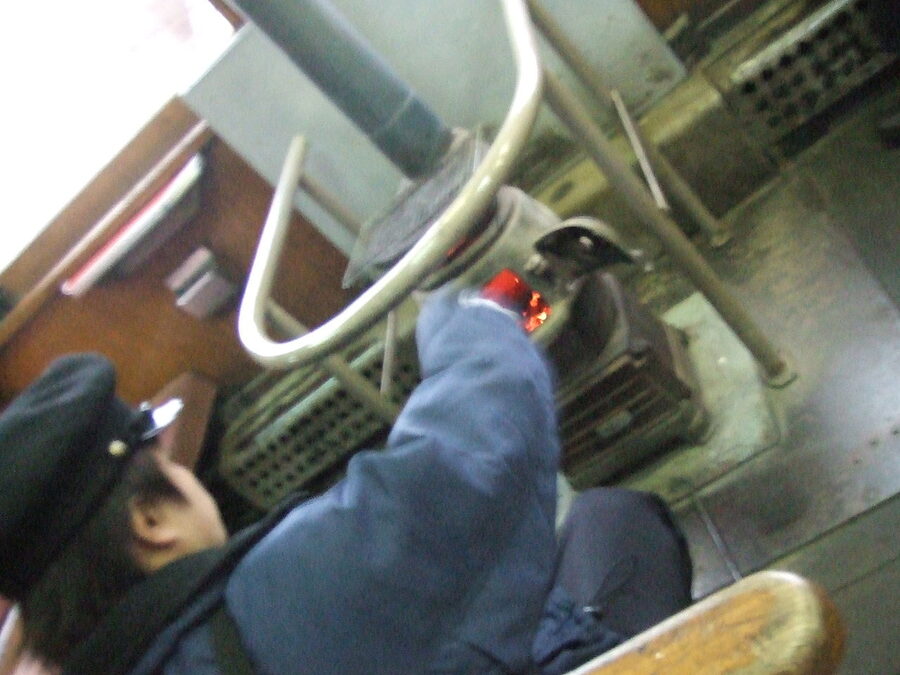
From 1 December to 31 March every year, the Tsugaru Railway runs the Stove Train, a short two-or-three-car diesel rural service that picks up the original 1948-vintage carriages with potbelly Daruma stoves in the aisle. There are three round trips a day during the season, between Tsugaru-Goshogawara Station and Tsugaru-Nakazato through the snow plain of Tsugaru. The line itself is 20.7 kilometres of mostly rice paddy and small farming villages. The journey to Kanagi (the writer Osamu Dazai’s hometown, which is the usual midpoint stop) takes about 25 minutes.
The price for the Goshogawara to Kanagi return on the stove train is around ¥1,560 adult, ¥1,280 child, plus the ¥500 stove-fee surcharge that includes squid for grilling. Confirm at tsutetsu.com before going. The line is not covered by JR passes; it is a private railway.
How to get to the start: from Aomori Station, JR Ou Line to Hirosaki, then JR Gono Line to Goshogawara, about two hours total for ¥1,170. Tsugaru Goshogawara Station is one minute on foot from JR Goshogawara. The trains run early afternoon, so plan it as a day trip out of Aomori with a 09:00 start. Sit on the right side of the carriage for the longer view of the snow plain.
This is the kind of niche thing you do not see in any of the major Tohoku itineraries, and is exactly what makes the prefecture worth the time. It is also a useful winter alternative for visitors who came to Tohoku expecting alpine skiing but found themselves in the wrong part of the region; the closest serious skiing on this side is Hakkoda or, further south, the Mt Iwaki resort.
Mt Hakkoda and Sukayu Onsen
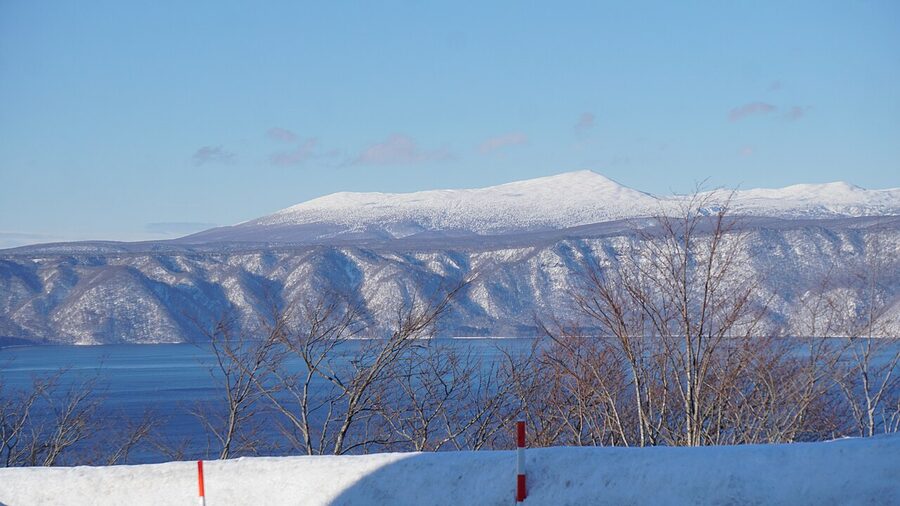
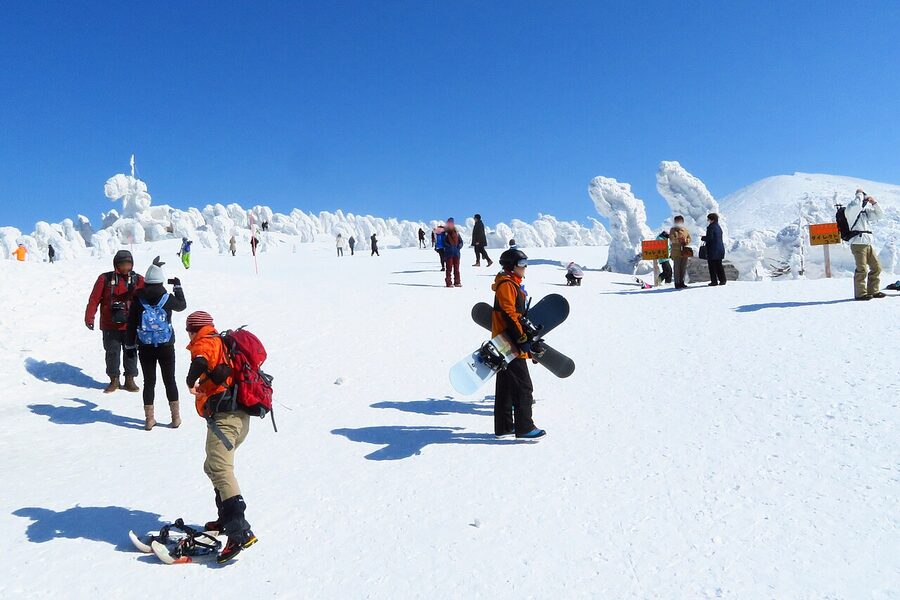
The Hakkoda mountain range south of Aomori City is what makes the prefecture interesting in winter. The signature attraction is the Hakkoda snow corridor, the road between Sukayu Onsen and Yachi Onsen on Route 103, which is reopened every year on 1 April after a month of plows working through six-to-nine-metre snow walls. You can drive between the walls for the first week of April; later in the month they slump and the spectacle ends.
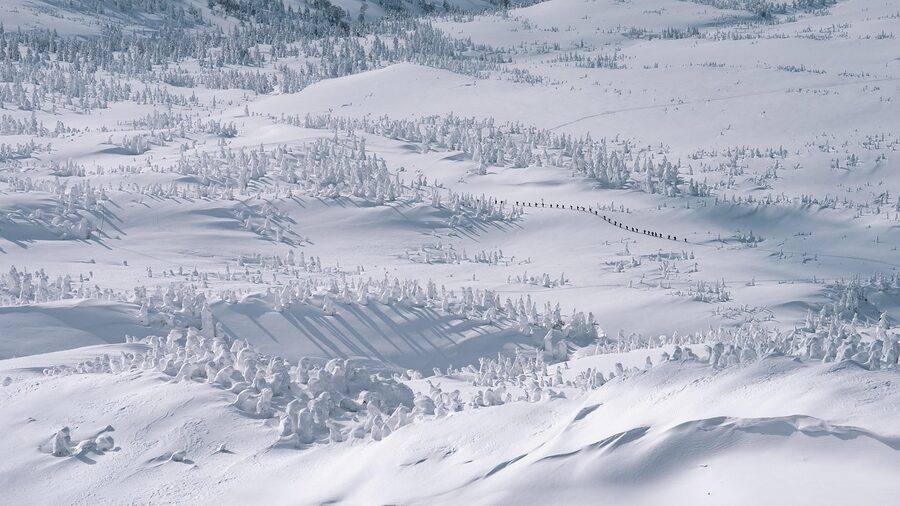
The Hakkoda Ropeway runs all year from a base station 50 minutes by bus from Aomori Station. The summit station is at 1,324 metres. In winter (mid-December to March) the ropeway lifts skiers and snowshoers up into the juhyo, the rime-ice frosted firs, which are not as famous as the Zao snow monsters in Yamagata but are arguably better and definitely less crowded. The single ropeway return is around ¥2,200 adult.
Sukayu Onsen is the historic ryokan at 880 metres on the Hakkoda flank, opened around 1684 and rebuilt several times. The signature bath is the Hiba Sennin-buro, a 160-tatami-mat hinoki cypress hall with eight bath sections shared by men and women. Mixed-gender bathing was the historical norm in Japanese onsen and a few inns like Sukayu still keep it. There is a women-only hour from 08:00 to 09:00 and 20:00 to 21:00 daily for visitors who would rather opt out. Day-bath entry is ¥1,000, open 07:00–17:30. Overnight kaiseki stays start around ¥15,000 per person and book up fast in winter.
The standard combination, if you have two nights to spare in this region, is one night at Sukayu, a snowshoe walk on the Hakkoda flank in the morning, then back to Aomori by bus and onward to Hirosaki for the evening. JR Bus runs the Sukayu route from Aomori Station, December to March only on most years (check before booking).
Shirakami-Sanchi and the last beech forest
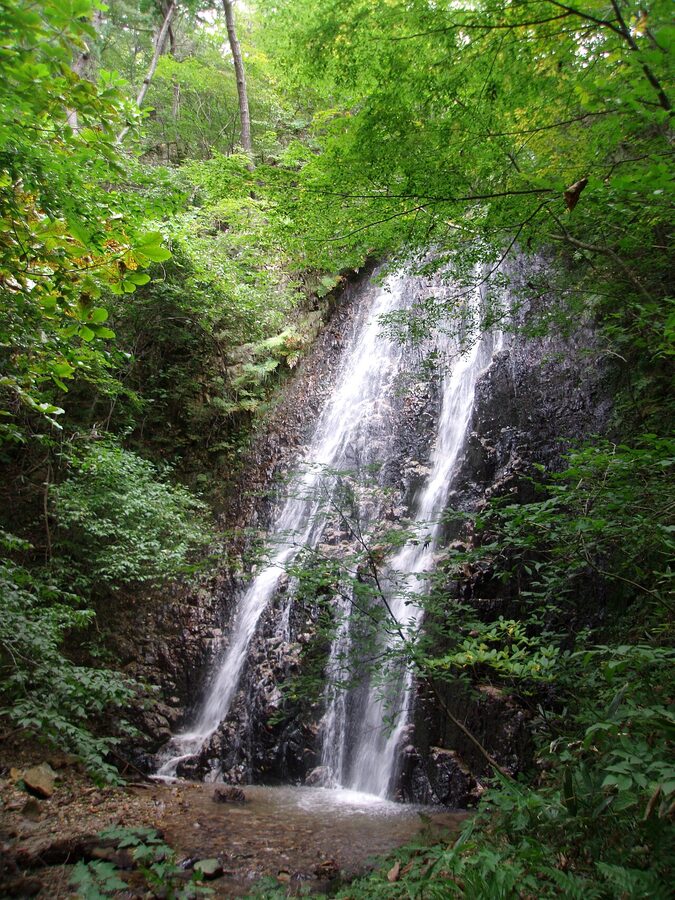
The Shirakami mountain range straddles the Aomori-Akita border on the western side of the prefecture. Most of it is the largest virgin beech forest left in East Asia, registered with UNESCO in 1993 as one of Japan’s first natural World Heritage sites. The core zone is closed to casual visitors; the buffer zone has marked trails.
The walking takes some planning. The most accessible entry on the Aomori side is the Anmon-no-Taki trailhead near Nishimeya village, with a 2-3 hour return walk to a chain of three waterfalls that doubles as a primer on the beech forest ecosystem. The trail is signposted in Japanese. The Aqua Green Village Anmon visitor centre at the trailhead has English maps and a small museum. Access is by bus from Hirosaki Bus Terminal, June to October only; rest of the year you need a rental car. Confirm seasonal bus timetables at fuda.aomori.lg.jp before arriving.
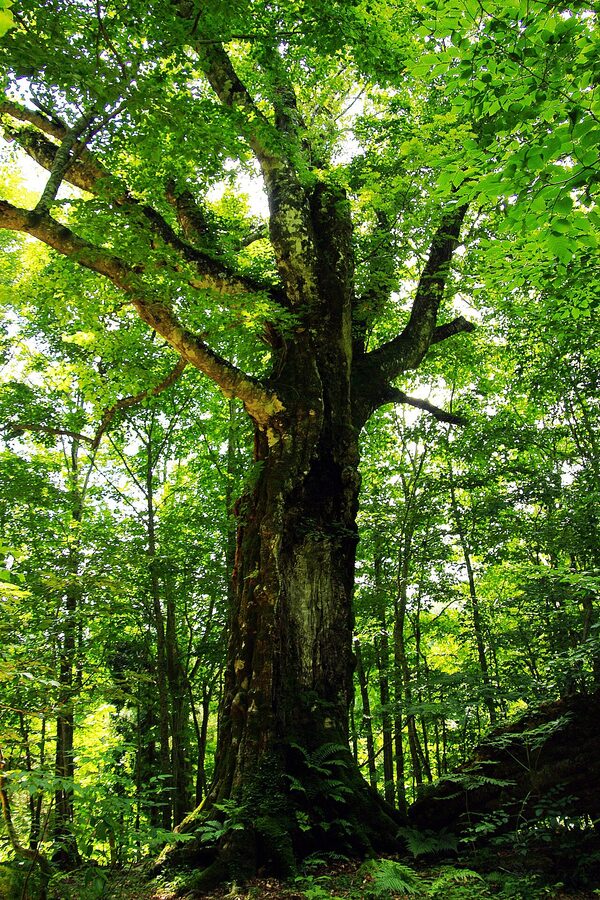
Shirakami is not a quick hit. It is a half-day at minimum and a full day if you want to do the longer Mata-no-mori loop. Pair it with Hirosaki the day before or after. If you only have a single half-day, save it for Mt Osore or Oirase instead; both have higher visual return per hour invested, even if Shirakami is the academically more interesting site.
Oma tuna and the food question
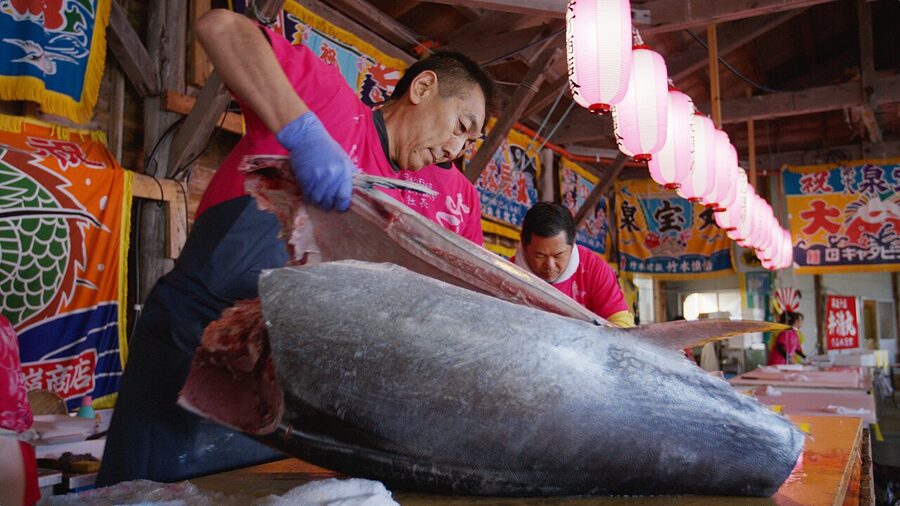
Aomori’s food story, in three lines: it is heavily seafood, the apples are everywhere, and the rice is some of the best in Japan. Oma at the top of the Shimokita peninsula is the bluefin-tuna port that catches the auction-record fish at Tokyo’s Toyosu market every January. You can eat Oma tuna in town in Mutsu without making the full Oma drive, but the small omakase places along the Oma-cho strip are where the freshest fish lands. Hon-Maguro don, a sliced bluefin sashimi rice bowl, is roughly ¥3,500 in Oma versus ¥6,000-plus in Tokyo for the same fish.
In Aomori City itself, the Furukawa Fish Market and the Auga Fresh Food Market both run a nokkedon system where you buy a strip of tickets, exchange one for rice, then walk the stalls building your own seafood bowl with the rest. A 12-ticket set is around ¥2,000 and lets you stack uni, ikura, hotate scallops, ika squid, and sliced tuna into the bowl with no Japanese needed. The market opens at 07:00 and the best fish is gone by 11:00. Closed Tuesdays at Furukawa.
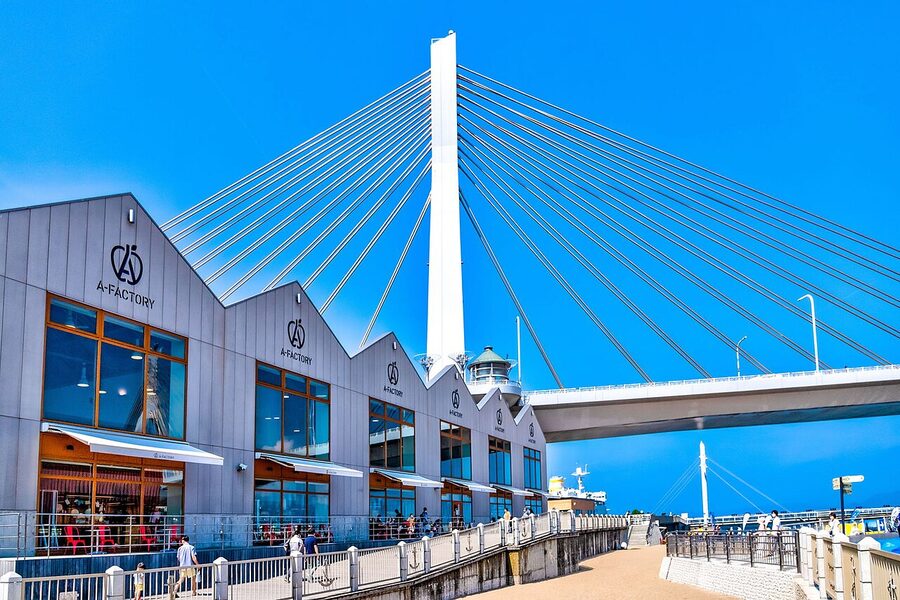
For a sit-down meal in town, the standard recommendations are Ringo-bako in the basement of the Auga building (live shamisen, family-style food, around ¥3,000-4,000 per person), and the upstairs floor of A-Factory next to the station, which is the Aomori cider brewery and a half-decent tasting bar with bento. The “ringo” theme runs through the local cuisine: apple curry, apple miso, apple cider, apple soft-serve at the railway station kiosk for ¥380.
How to actually get to Aomori
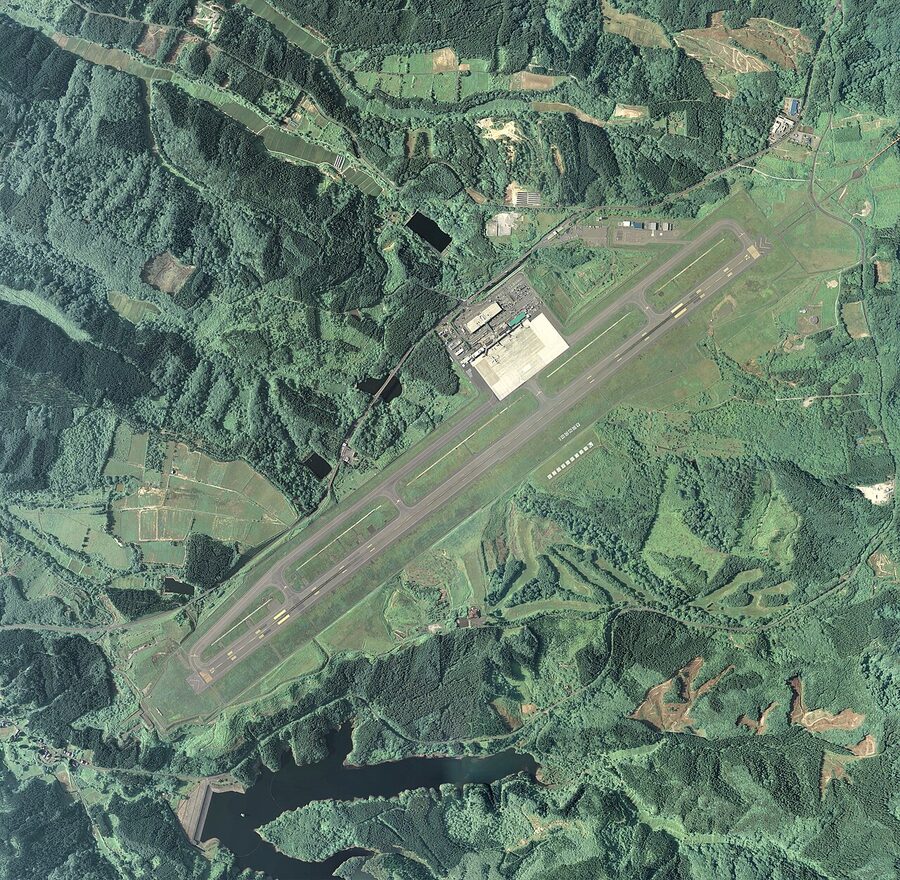
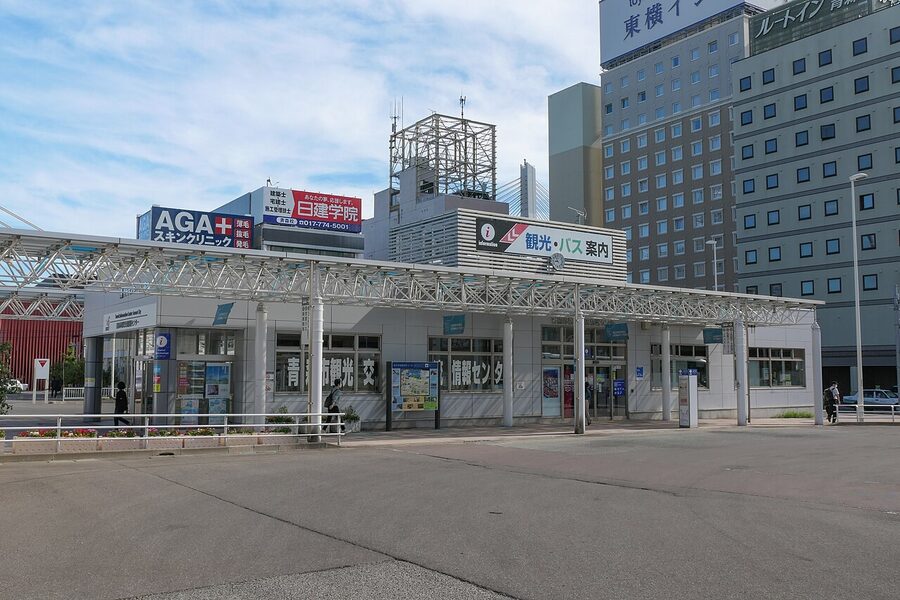
By far the easiest way is the Tohoku Shinkansen Hayabusa, the white-and-green flagship of JR East’s high-speed network. Tokyo to Shin-Aomori takes 3 hours 17 minutes, with about 16 services a day. Standard reserved is around ¥17,470 one way, fully covered by the JR East Pass (¥30,000 for any 5 days in 14, as of 2026 after the March 2026 consolidation) or the JR Japan Rail Pass. Hayabusa is fully reserved-only, no walk-on; book ahead. Shin-Aomori Station is one stop on a JR local train from Aomori Station proper, four minutes for ¥190.
By air, ANA and JAL run Tokyo Haneda to Aomori Airport in 80 minutes, and from Osaka Itami in 95 minutes. The airport is 25 minutes from town by bus for ¥730. Air is faster door to door from Haneda but the price difference is rarely worth it once you factor the airport transfer.
By overnight bus, you can do Tokyo Shinjuku to Aomori in around 9 hours for ¥7,000-9,000 a seat. I have done this once and would not do it again unless absolutely budget-constrained. The shinkansen is three times faster for twice the price, and it is hard to do anything productive in Aomori on the morning of a 06:00 bus arrival.
If you are continuing north, Aomori connects to Hokkaido in two ways. The Hokkaido Shinkansen extension runs Shin-Aomori to Shin-Hakodate-Hokuto in 65 minutes through the Seikan Tunnel. Or you can take the Tsugaru Kaikyo Ferry from Aomori Port to Hakodate Port in 3h 40m for around ¥2,800 in seated class. Slower but cheaper, and you get a deck view of the strait that the train tunnel hides.
Within the prefecture, you will mostly use JR (Aomori City and the Tsugaru Plain), Konan Bus (Hirosaki and Towada Lake), Shimokita Kotsu (Mutsu and Osorezan), and the Tsugaru Railway (the stove train). A rental car helps if you are doing Shirakami or scattered Tsugaru villages. English signage on local buses is sparse to non-existent outside the JR network; have Google Maps and a printed itinerary.
When to come
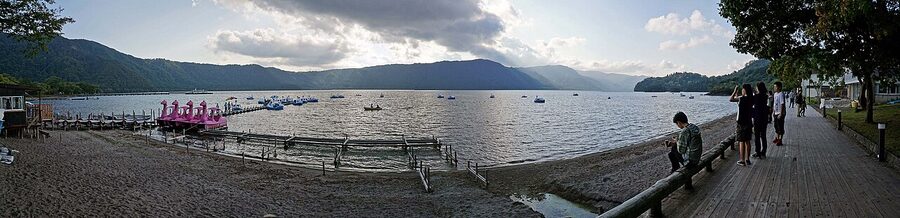
Pick your trip around what you want to see, because Aomori is a four-season prefecture and the seasons do not overlap.
Late April to early May: Hirosaki cherry blossom. Peak around 22-26 April most years. Hotels in Hirosaki sell out three months ahead.
Late May to mid-June: Oirase fresh growth, no crowds, snow-melt fall flow. Possibly the best time to walk the gorge. Lake Towada boats are running by then.
2-7 August: Nebuta Festival. Plan everything else around this if you are doing one Tohoku trip in your life. Aomori City hotels sell out 6 months ahead.
Mid-October to early November: Autumn at Oirase, Lake Towada, and the Hakkoda Ropeway. The colour is two weeks ahead of Tokyo.
December to March: Snow season. The Tsugaru stove train runs 1 December to 31 March only. Hakkoda juhyo peak is mid-February. Sukayu Onsen winter overnight is one of the best in Japan.
Avoid mid-July to early August (other than festival week) if you can: humid, heavy with cicadas, the Oirase trail packed with school groups. And avoid the first half of January, when many of the smaller museums and trails are closed for New Year.
Where to stay
Aomori City has the standard chain business hotels around the station: Daiwa Roynet Hotel Aomori (4-star, around ¥13,000 a night), Richmond Hotel Aomori (3-star, around ¥10,000), and Dormy Inn Aomori Natural Hot Spring (with onsen baths on the top floor, around ¥12,000). All of them are 5-15 minutes on foot from JR Aomori Station. For Nebuta week, book in February or earlier; rates triple and rooms are gone.
Hirosaki has fewer options but the boutique-end Art Hotel Hirosaki City sits 5 minutes from Hirosaki Station for around ¥11,000 a night. In cherry-blossom week the price doubles and three-quarters of the rooms have been pre-booked since November.
For a once-a-trip ryokan night, Sukayu Onsen on the Hakkoda flank is the obvious pick: traditional inn, hinoki cypress communal baths, kaiseki dinner, around ¥15,000 per person twin-share with two meals. Aomoriya near Lake Towada is a more polished alternative with private outdoor baths, around ¥25,000 per person. Both book up early November and February.
Listings for these properties sit on the standard OTAs; verify the link is for the right property before booking.
What I would do if I had four days
Day 1: Tokyo to Aomori on the morning Hayabusa. Drop the bag at the hotel. Lunch nokkedon at Furukawa Market. Afternoon at Sannai-Maruyama. Evening at A-Factory cider tasting and dinner at Ringo-bako.
Day 2: JR Bus Mizuumi-go from Aomori to Yakeyama. Walk Oirase up to Nenokuchi. Ferry across Lake Towada to Yasumiya. Overnight at Aomoriya near the lake.
Day 3: Bus back to Aomori. JR Ou Line to Hirosaki. Afternoon in Hirosaki Castle Park. Overnight in Hirosaki.
Day 4: Morning Gono Line to Goshogawara. Stove train (winter) or Resort Shirakami sightseeing train (rest of year). Afternoon back to Aomori. Late-afternoon Hayabusa to Tokyo.
If you have a fifth day, drop in the Mt Osore overnight via Mutsu after Day 1, before the Oirase loop. If you have a sixth, add Sukayu in winter or Shirakami in summer.
Beyond the prefecture itself, the cleanest Aomori extensions are south to Sendai (gyutan beef-tongue and Matsushima Bay), west to Yamagata (Yamadera mountain temple, Zao snow monsters), and north into Hokkaido via the Hokkaido Shinkansen for Hakodate and Matsumae cherry blossom in early May. The whole northern arc rewards a JR East Pass and 7-10 days.
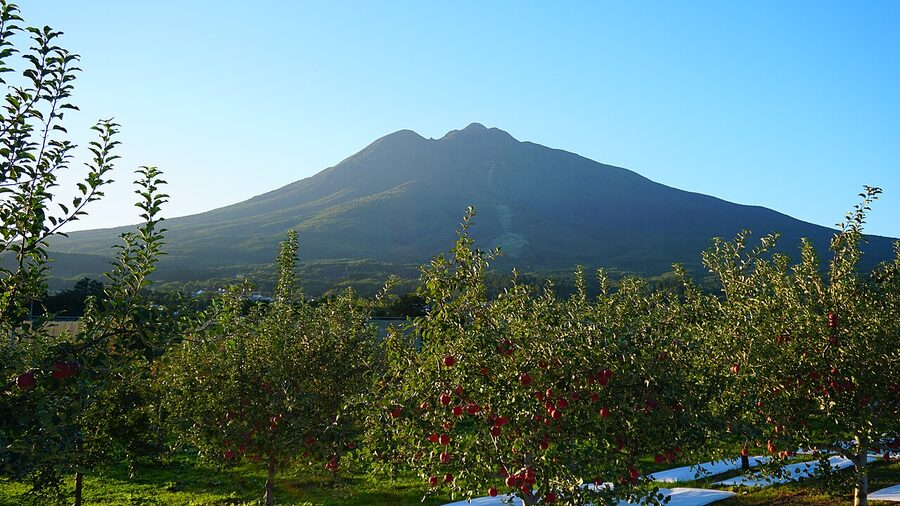
The thing I always tell people about Aomori, and I will end on it, is that almost no one comes here on their first Japan trip and almost everyone who comes is happy they did. The prefecture is rural in a way that Tokyo people forget exists in their own country. Cars wave you across crosswalks. The man at the bus stop will walk you to the right shelter. The guy at Furukawa Fish Market with a fishhook scar across one cheek will hand you an extra slice of chu-toro for free if you smile and use the polite form. None of that is on a guidebook page. All of it is what you remember when the Hayabusa is pulling out of Shin-Aomori Station the next week and the wide white snow is still on Mt Iwaki out the window.


_-_panoramio.jpg)


_-_panoramio.jpg)


.jpg)
.jpg)